
Published by Global Sourcing Advisory | Target Read Time: 6 Minutes | Category: Private Label & Hardware Entrepreneurship
Executive Summary: Launching an independent camera brand no longer requires millions of dollars in engineering research and proprietary chip development. Through white-label and Original Design Manufacturer (ODM) partnerships, entrepreneurs and small businesses can leverage existing, battle-tested hardware platforms to bring custom-branded action cameras, dash cams, and security devices to market. This practical, step-by-step guide walks you through defining your product line, choosing a factory, designing your packaging, selecting the ideal sales channel, and managing your timeline from initial order to first sale.
1. What White-Label Manufacturing Means for Camera Brands
For decades, consumer electronics hardware was restricted to massive multinational corporations capable of funding multi-year research and development (R&D) cycles. Today, the rise of ODM (Original Design Manufacturer) partnerships has completely leveled the playing field.
- The ODM Model: Under a white-label arrangement, a specialized manufacturer completes the core hardware engineering, optical design, sensor integration, and firmware development in advance.
- Your Role as Brand Owner: Instead of inventing a camera from scratch, you select a high-performing base model, apply your brand’s logo via laser engraving or silk-screening, customize the outer housing colors or retail box, and tailor the accompanying mobile app interface. You own the brand equity, trademark, and customer relationships, while the factory acts as your invisible engineering engine.
2. How to Choose the Right Camera Product
With countless variations available across consumer and commercial imaging, choosing the right niche is critical for small businesses entering the market. Avoid competing directly against industry behemoths on generic flagship action cameras unless you have massive capital. Instead, focus on specific verticals:
- Identify High-Growth Sub-Niches: Consider underserved or high-demand categories such as ultra-compact thumb cameras for lifestyle vloggers, 4K dual-lens dash cams for rideshare drivers, off-grid 4G solar security cameras for rural properties, or specialized inspection borescopes.
- Evaluate Core Components: When reviewing factory product catalogs, look past the outer shell and examine internal components. Inquire about the CMOS image sensor manufacturer (e.g., Sony IMX series), processor chipsets (e.g., Ambarella, Novatek), and lens aperture ratings.
- Request Golden Samples: Never commit to mass production without ordering physical samples from two or three competing factories. Test them rigorously in low light, check stabilization performance, and evaluate the user interface of their white-label mobile applications.
3. Designing Packaging and Brand Identity
Hardware is only half the battle; consumer perception is heavily shaped by unboxing experiences and visual identity. White-label manufacturing gives you total creative freedom over how your product is presented.
- Professional Visual Branding: Develop a clean, modern logo and cohesive color palette that resonates with your target demographic. Ensure your brand identity translates seamlessly across digital channels and physical packaging.
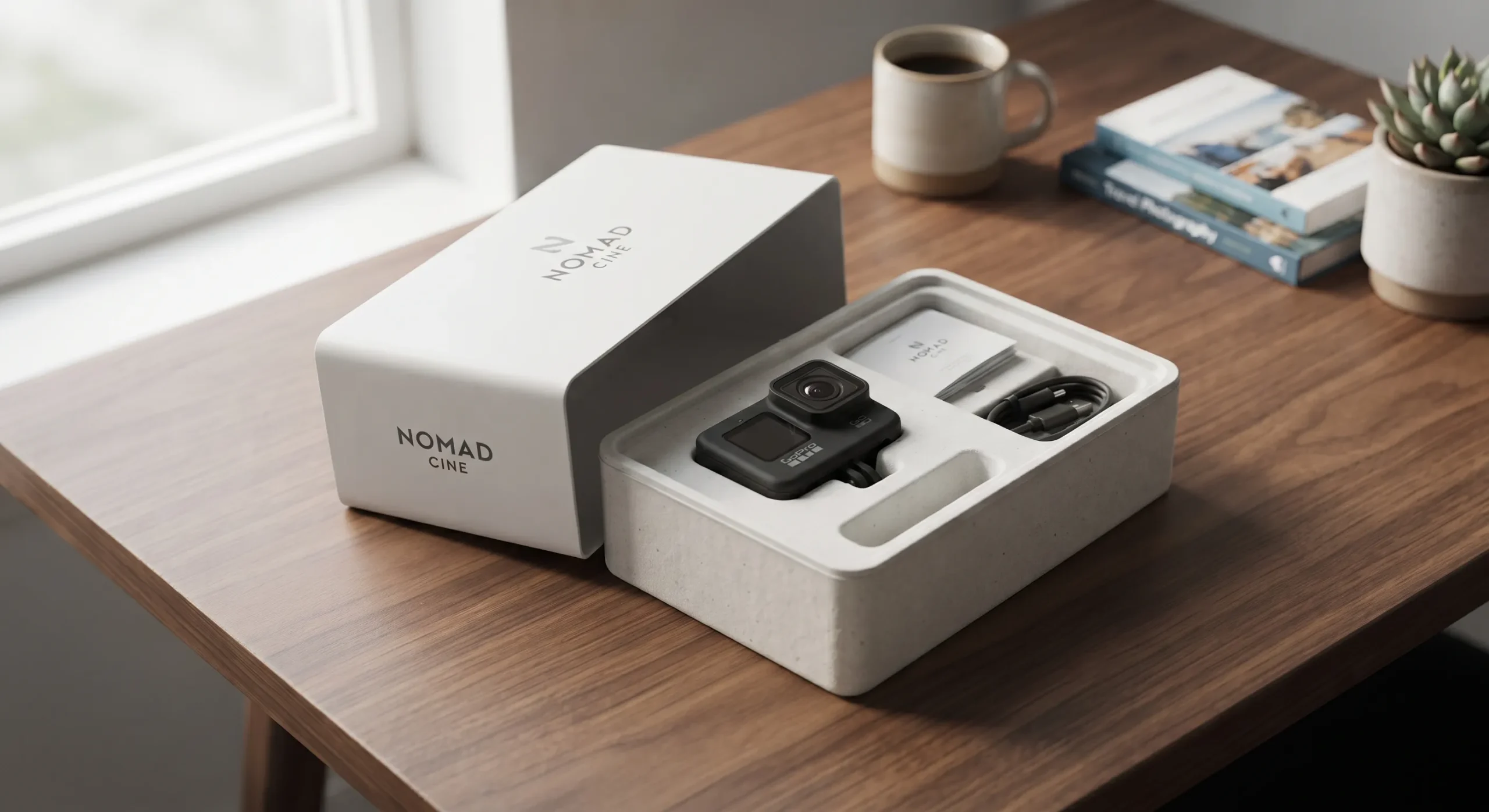
- Custom Retail Packaging: Work with your manufacturer or a specialized print shop to design sturdy, premium packaging. For delicate optics, insist on high-density custom EVA foam inserts rather than cheap plastic trays to minimize transit damage and elevate the brand feel.
- Localization and Manuals: Ensure your product manuals, quick-start guides, and digital app interfaces are fully translated and legally compliant for your target market (e.g., clear English, Spanish, or French phrasing), complete with customer support contact channels.
4. Platform Selection: Where to Launch Your Brand
Choosing where to sell your new camera brand dictates your cash flow cycles, marketing strategy, and fulfillment logistics.
- Amazon FBA (Fulfillment by Amazon): Ideal for capturing immediate, high-intent search traffic. Amazon allows new brands to scale rapidly, but requires strict adherence to strict barcode labeling, carton weight limits, and compliance document uploads (such as FCC or CE certificates).
- Shopify (Direct-to-Consumer): Best for building long-term brand equity, collecting customer data, and running targeted social media video ads (TikTok, Instagram Reels). Shopify gives you total pricing and margin control, though you must drive your own traffic.
- B2B / Wholesale Channels: If you choose security or dash cameras, consider launching through regional B2B distributors, specialty trade shows, or B2B e-commerce portals, targeting local installers and independent retailers.
5. Timeline From Order to First Sale
Understanding the production and supply chain calendar prevents costly stockouts and missed launch windows. A typical white-label camera launch spans approximately 16 to 24 weeks from initial factory outreach to the first customer sale:
| Phase | Duration | Key Milestones & Actions |
| 1. Sourcing & Sampling | 3 – 4 Weeks | Vet ODM factories on platforms like Alibaba or Global Sources; order and test physical camera samples. |
| 2. Customization & Compliance | 3 – 5 Weeks | Finalize logo placement, packaging design, mobile app skinning, and verify CE/FCC/RoHS test reports. |
| 3. Mass Production | 4 – 6 Weeks | Issue purchase order, pay deposit, and execute pre-shipment inspections (PSI) to catch defects before final assembly. |
| 4. Freight & Logistics | 2 – 5 Weeks | Ship inventory via air freight (3–7 days) or ocean freight (15–30 days) to your warehouse or Amazon FBA fulfillment centers. |
| 5. Launch & First Sale | 1 – 2 Weeks | List products live, activate initial marketing campaigns, and fulfill your very first customer orders. |
Conclusion
Building a camera brand from scratch is entirely achievable for modern entrepreneurs and small businesses willing to embrace white-label manufacturing. By partnering with experienced ODM factories, selecting a targeted product niche, designing an unforgettable unboxing experience, and executing a disciplined supply chain timeline, you can bypass the immense costs of traditional hardware development and establish a profitable, highly defensible brand.