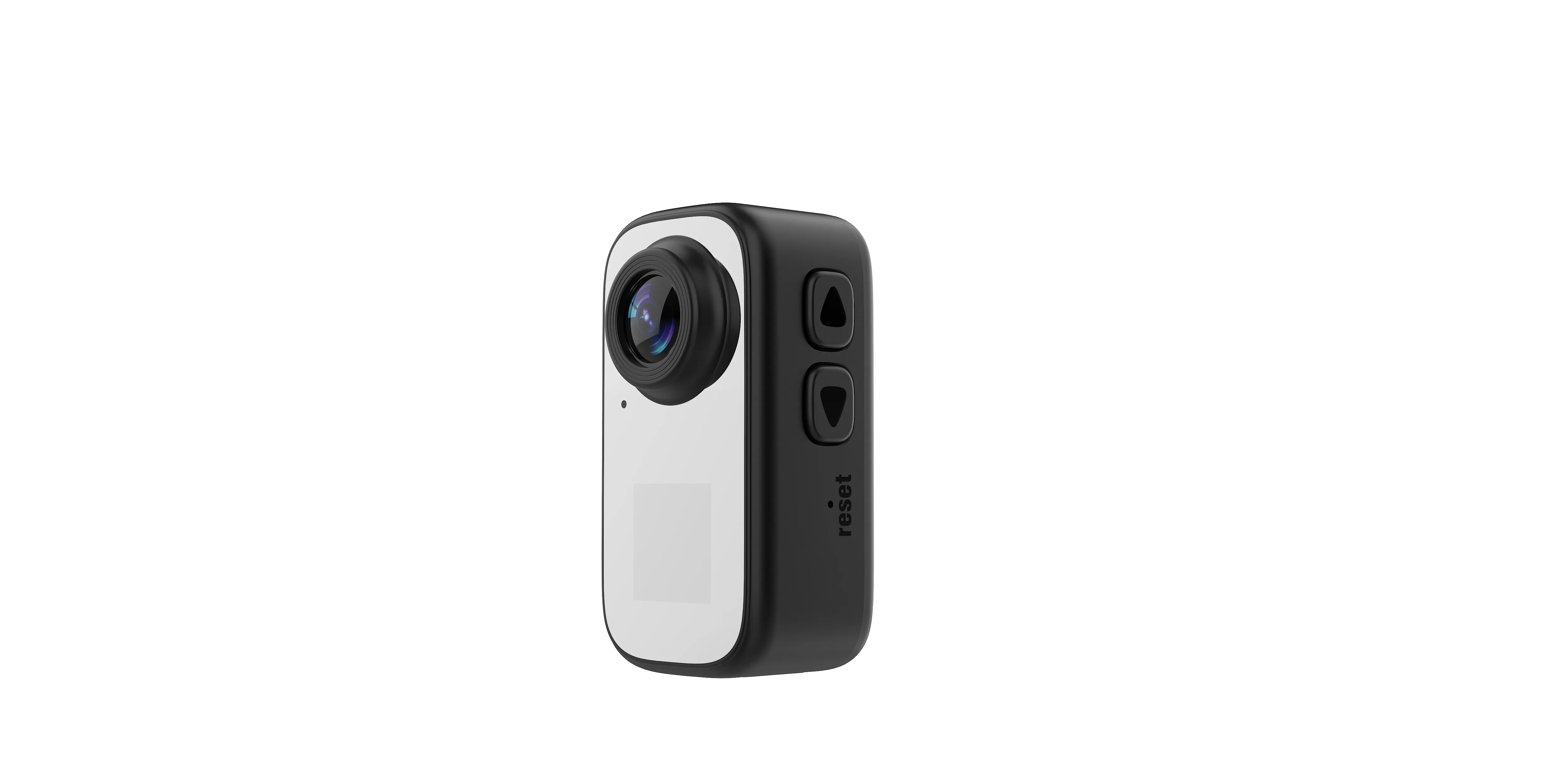



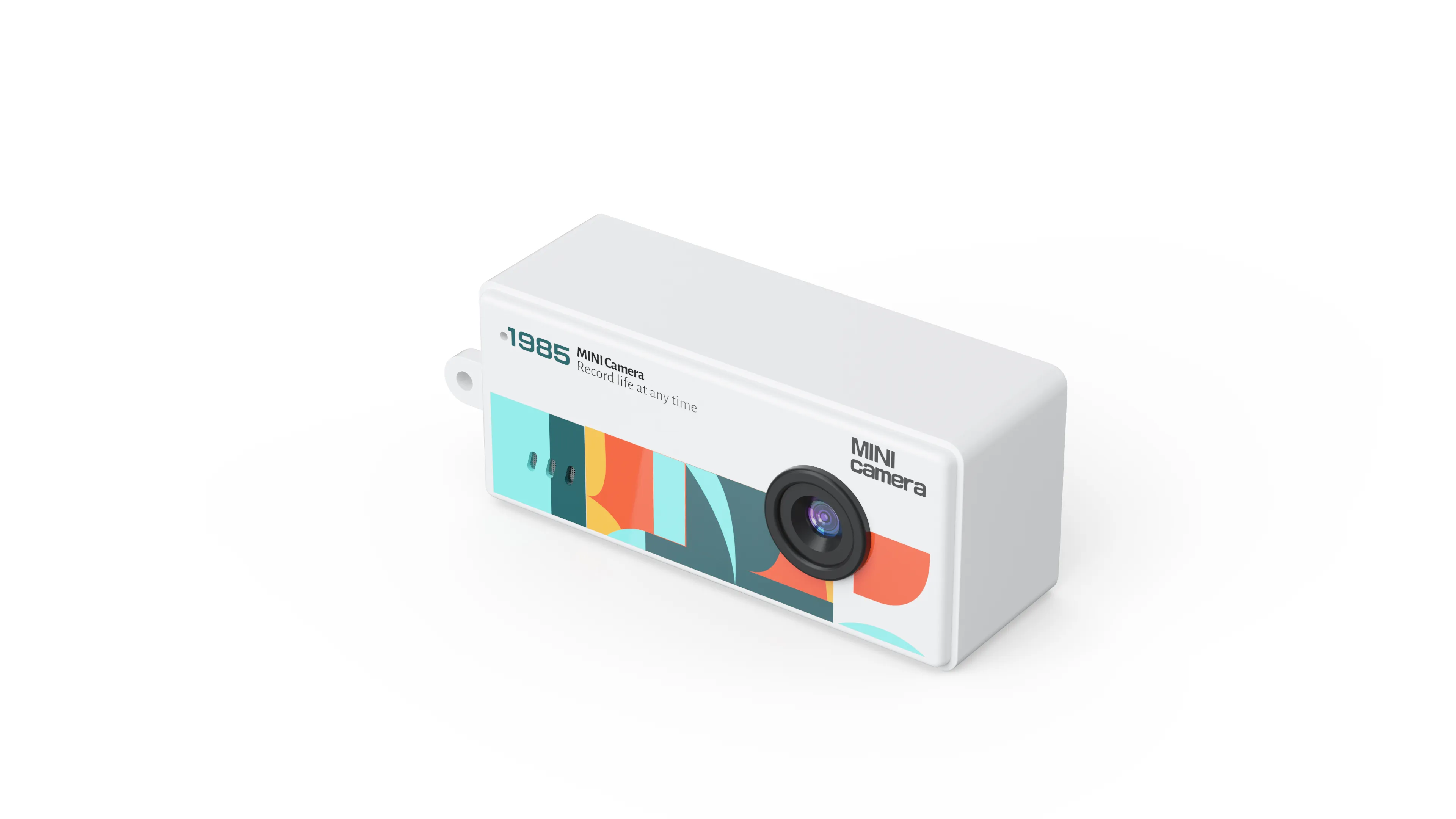
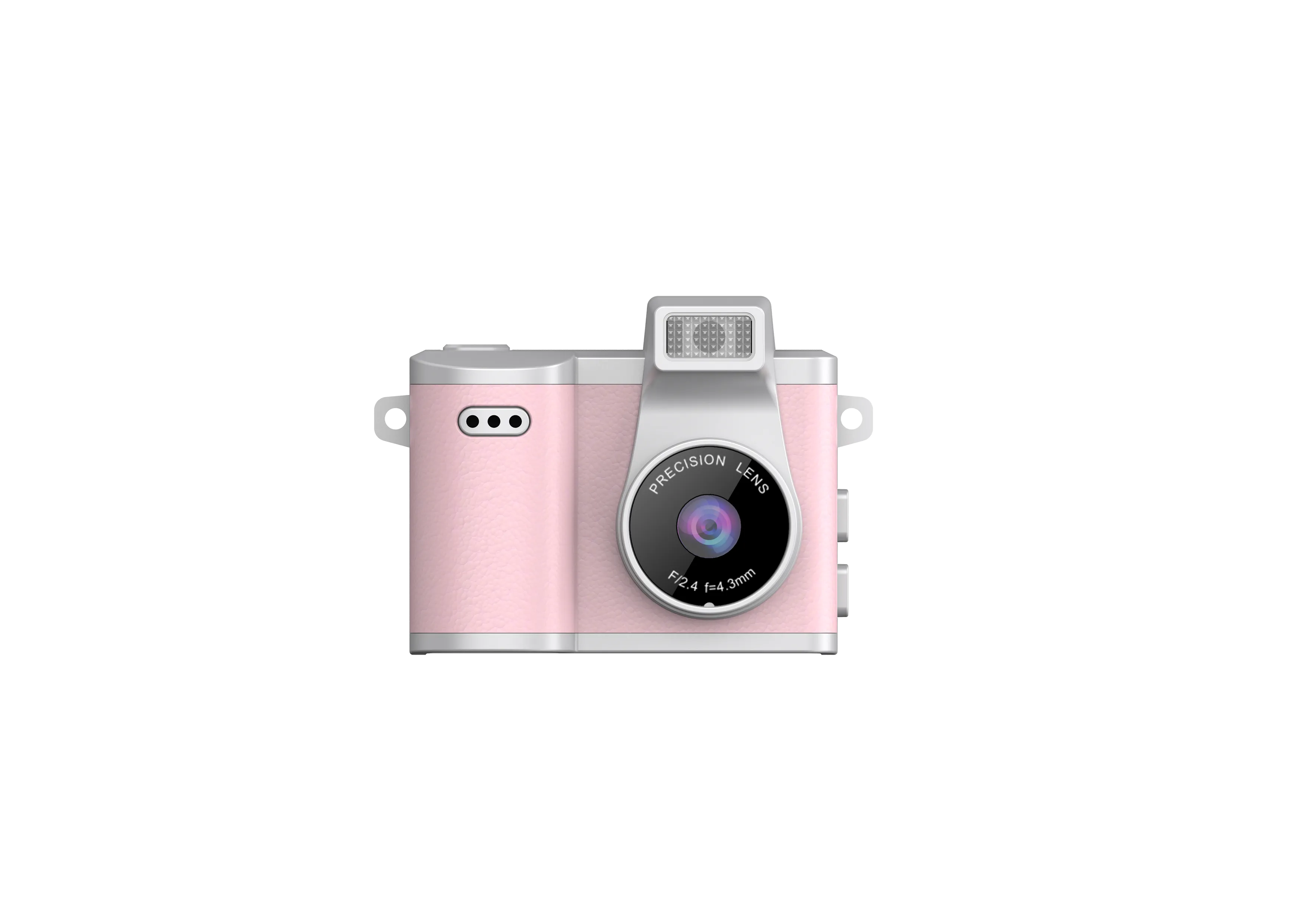

While camera bodies capture and process light, lenses collect and shape it. The quality of glass elements directly dictates an image’s sharpness, contrast, and optical aberration control. For camera manufacturers, mastering optical design is just as critical as sensor development.
Advanced Glass Elements and Coatings
To combat chromatic aberration, distortion, and flare, manufacturers utilize specialized optical elements such as Extra-low Dispersion (ED) glass and aspherical lenses. Furthermore, advanced multi-layer nano-coatings are applied to lens surfaces to minimize ghosting and maximize light transmission, even when shooting directly into bright light sources.
Precision Mechanical Construction
High-end lenses require meticulous mechanical engineering. Internal focusing groups must move swiftly and silently, driven by high-torque linear motors. Weather-sealing gaskets around mounts and switches protect delicate optics from moisture and dust, ensuring reliable field performance.
Investing in superior lens manufacturing elevates overall brand prestige. When users experience edge-to-edge sharpness and stunning bokeh, they recognize the true value of the optical system, driving long-term ecosystem adoption.

The JSRD Editorial Team creates practical B2B guides for importers, brand owners, and Amazon FBA sellers sourcing digital cameras from China. Our content covers OEM/ODM customization, product selection, and sourcing decisions for camera products.