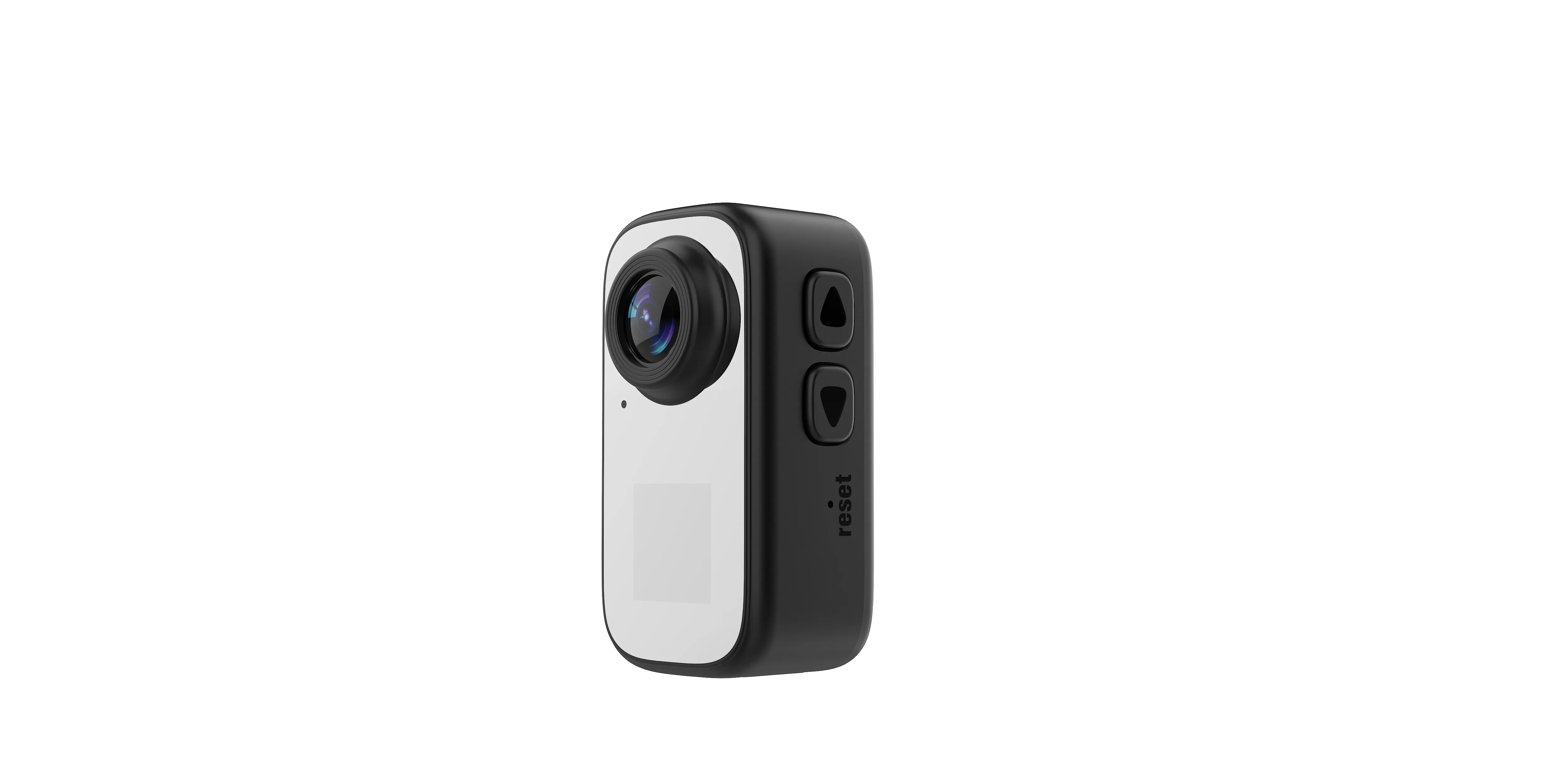
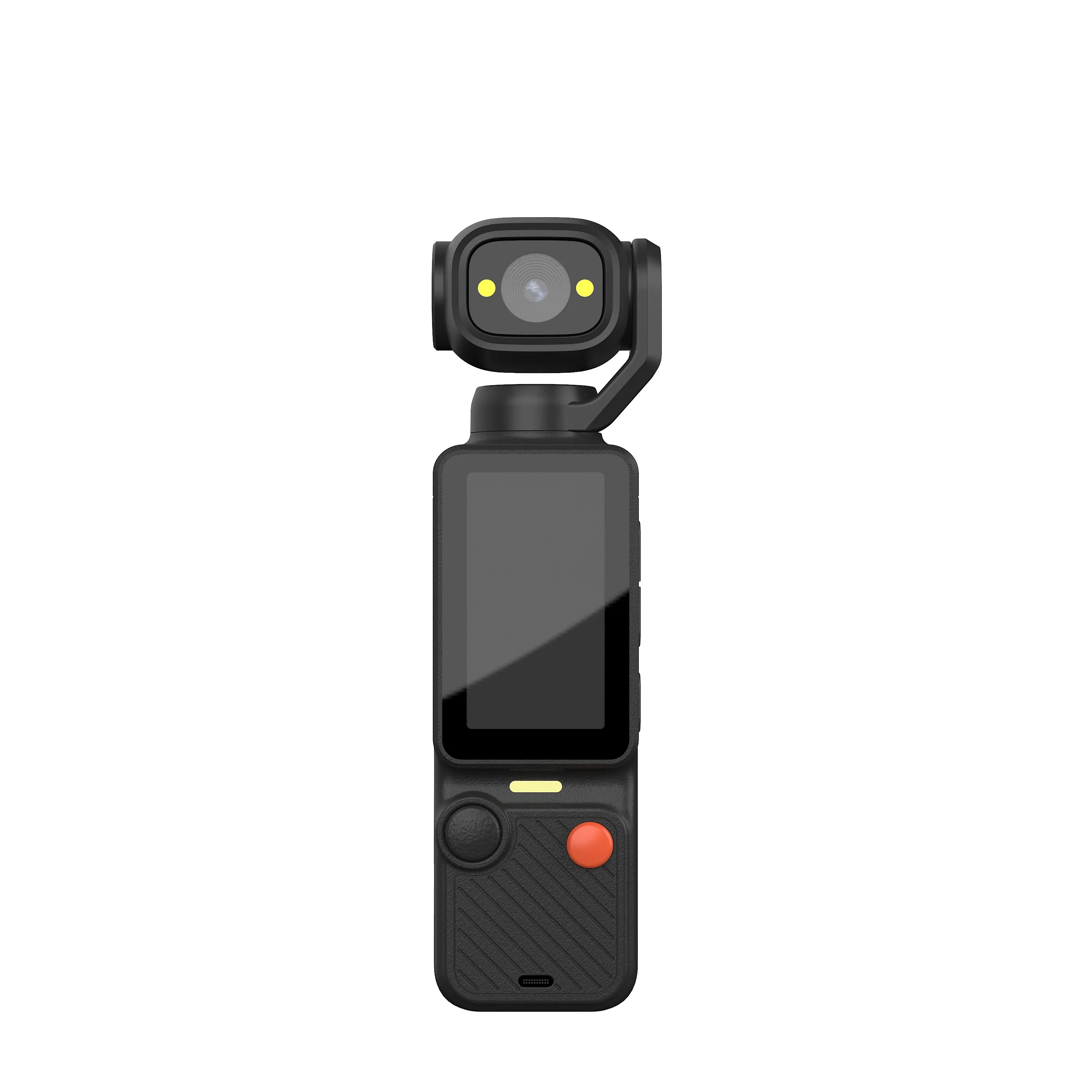
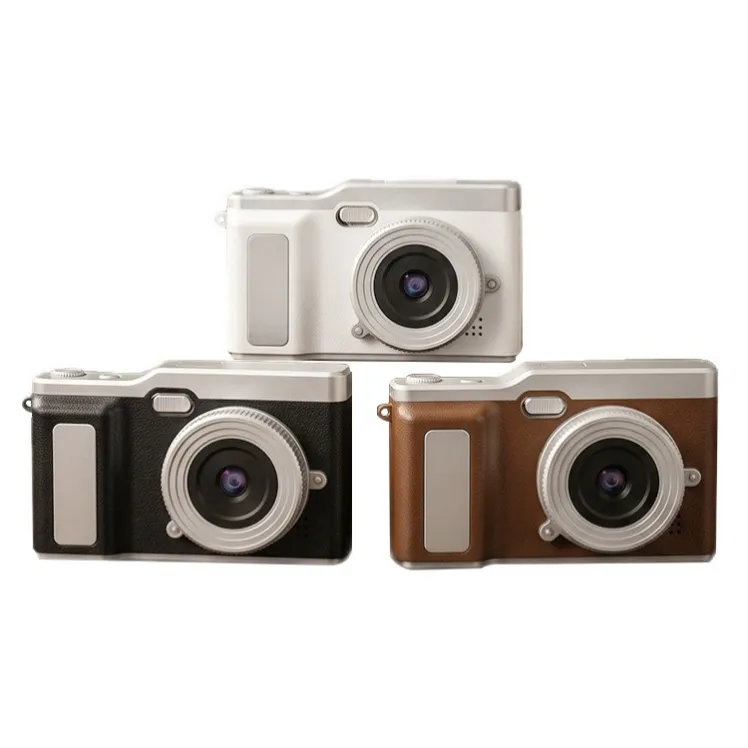
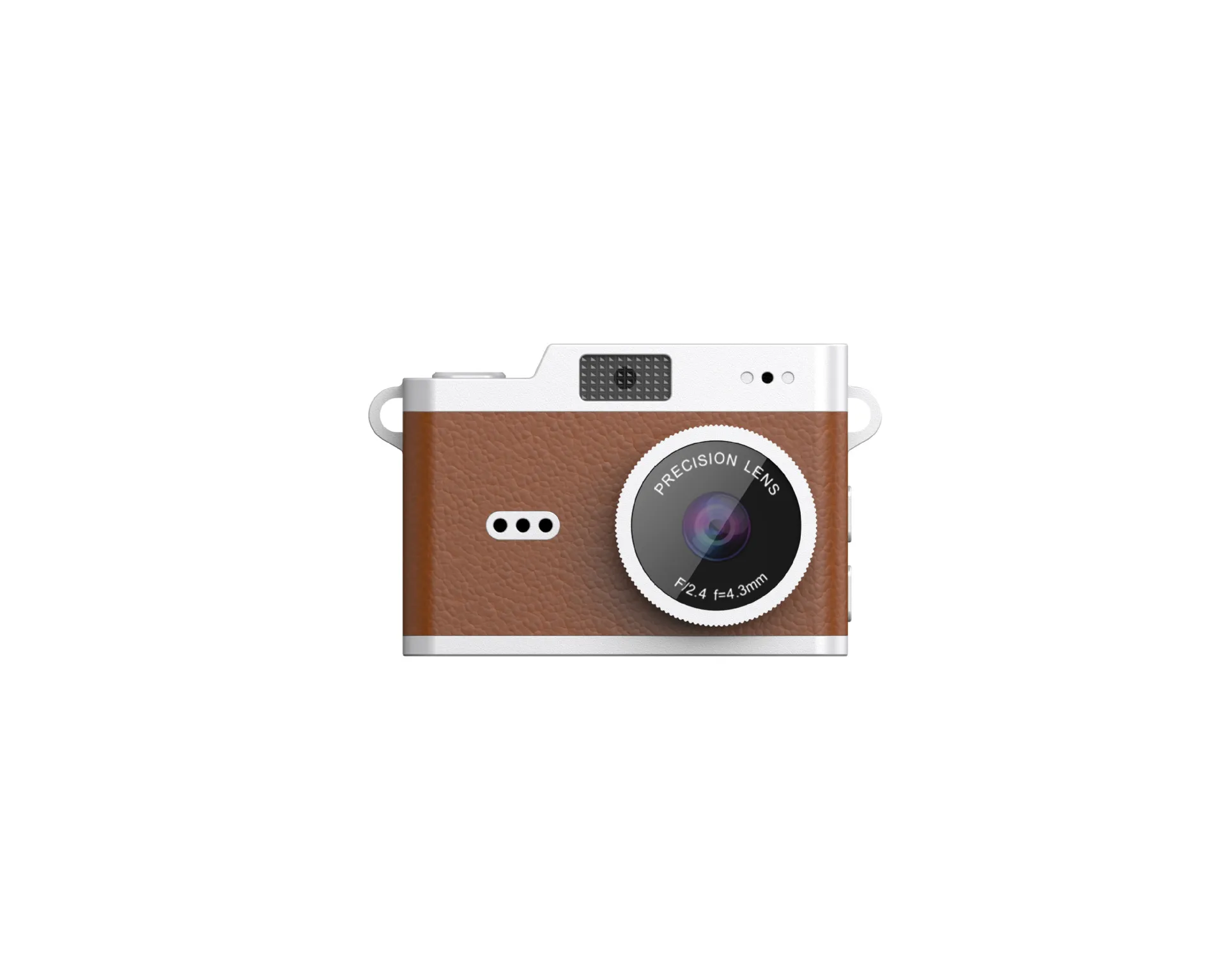
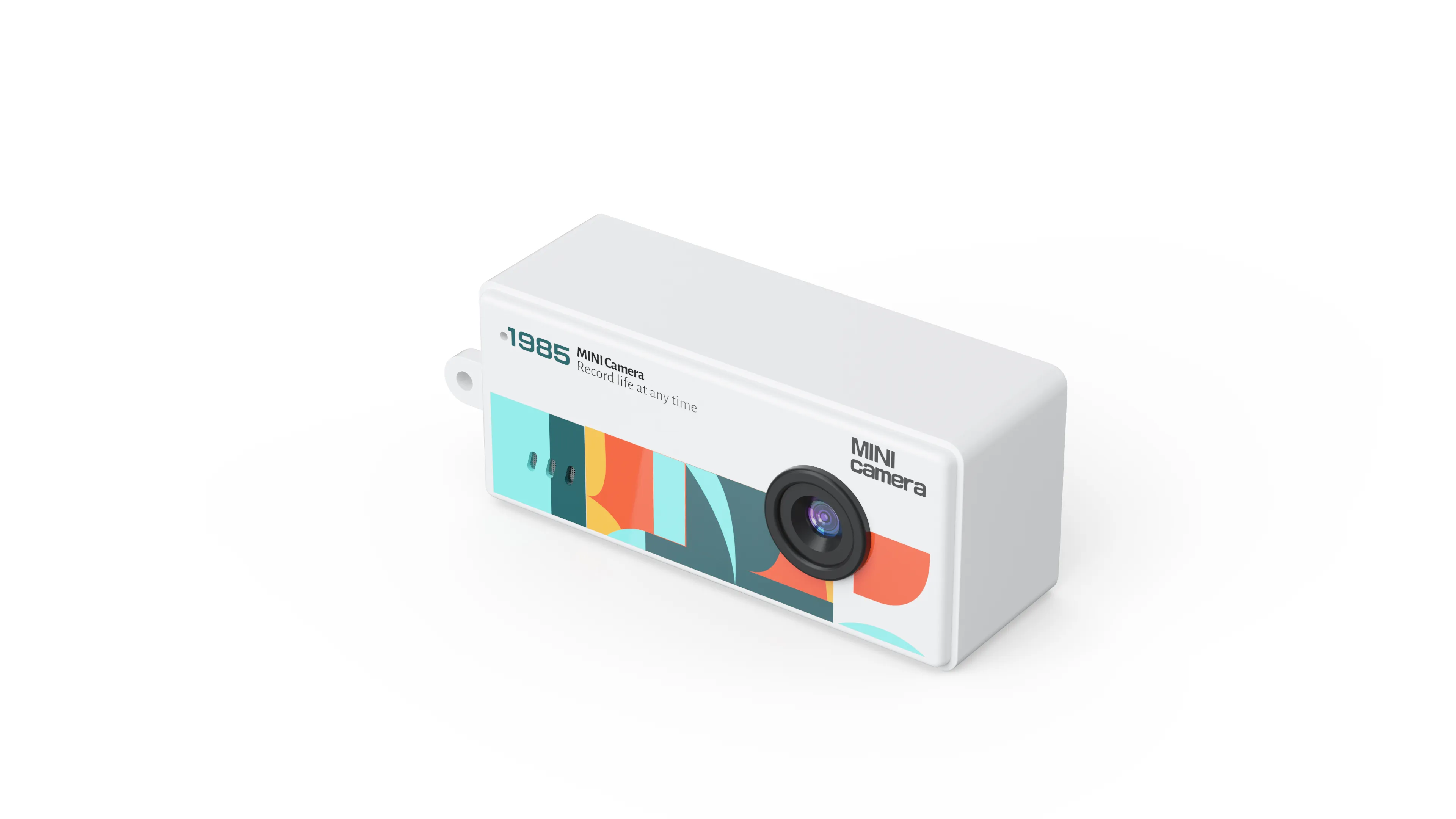
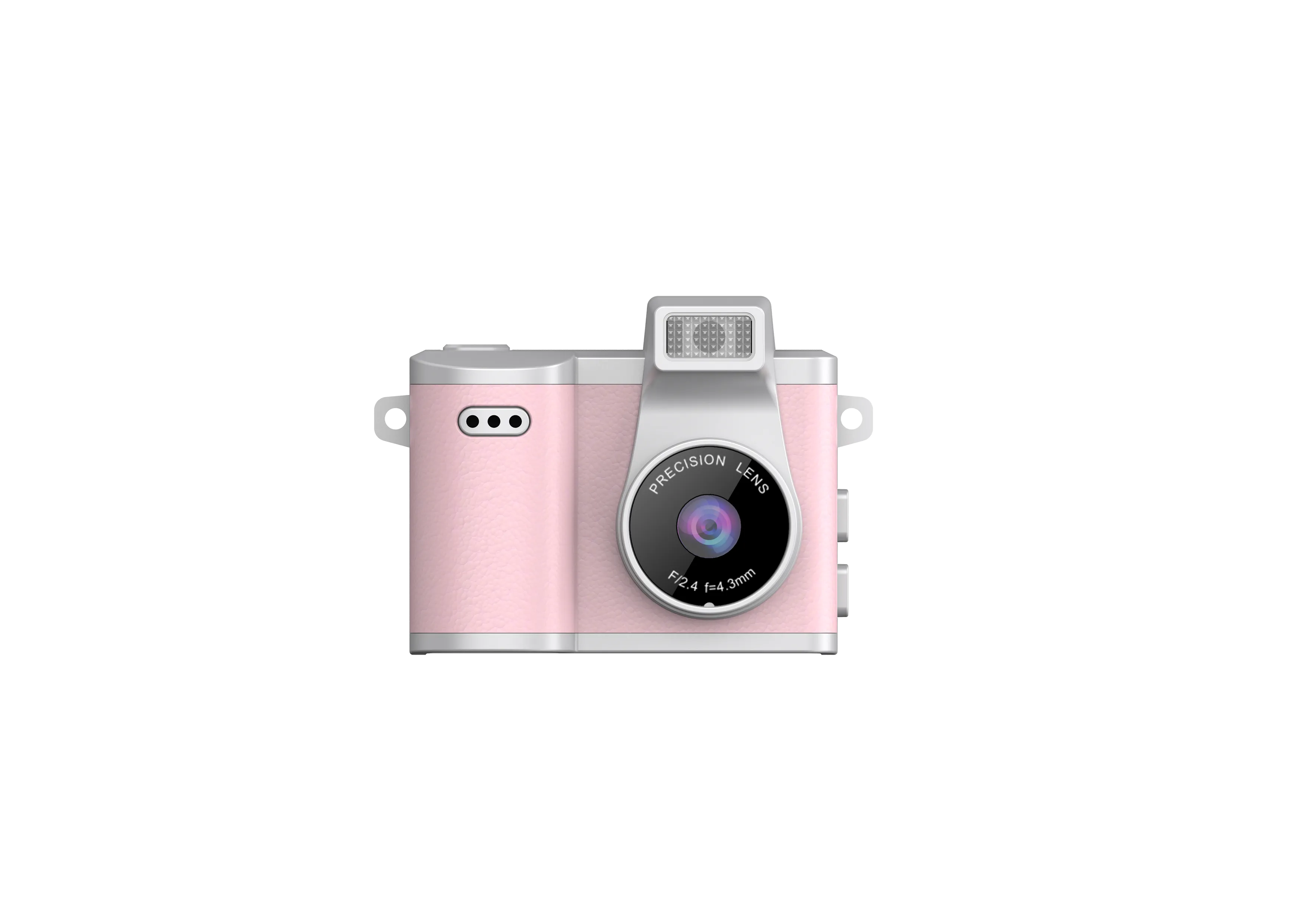
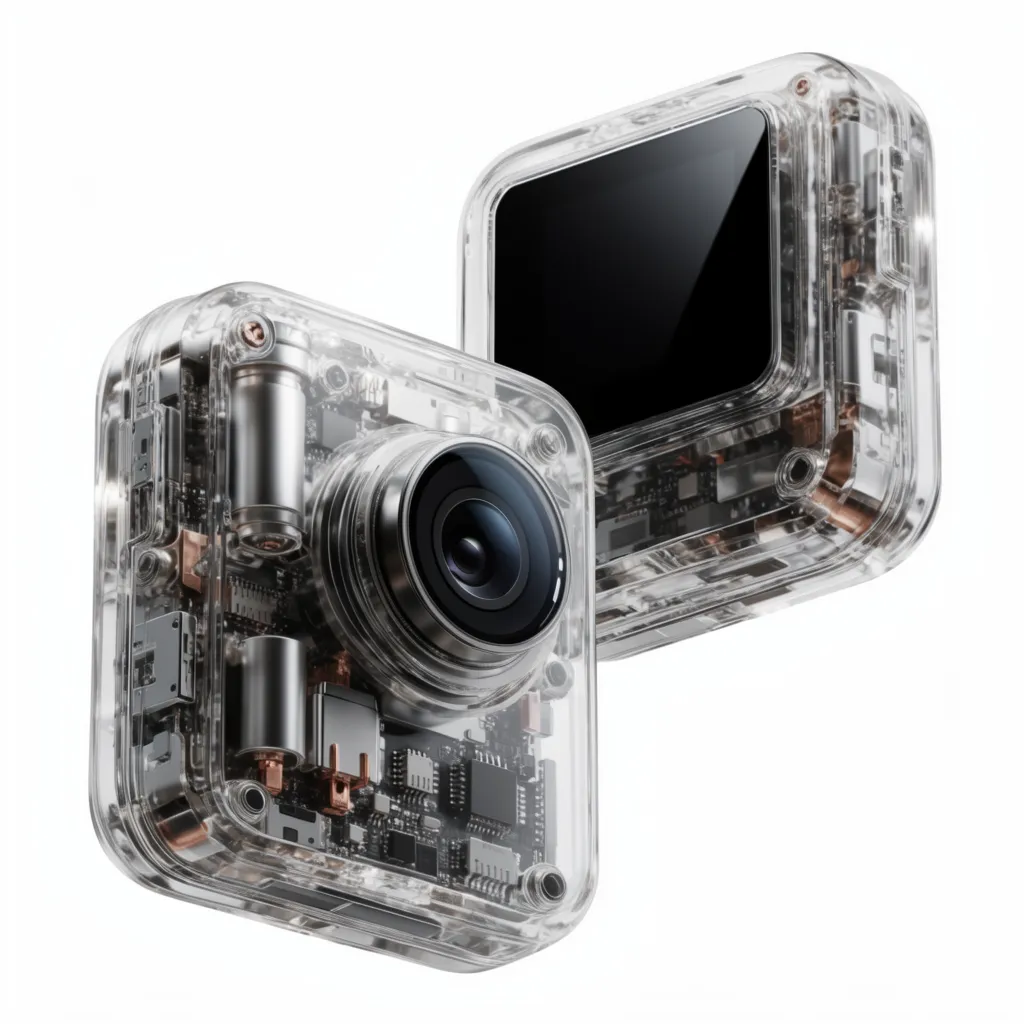
While technical specifications like megapixels and shutter speeds often steal the spotlight, camera ergonomics dictate the actual user experience. A well-designed camera body bridges the gap between advanced technology and intuitive operation, ensuring that photographers can capture fleeting moments without physical strain.
Balancing Form and Function
Ergonomics goes beyond aesthetic appeal; it involves the strategic placement of dials, buttons, and grips. A deep, textured handgrip reduces fatigue during extended shoots, especially when paired with heavy telephoto lenses. Controls must be logically laid out, allowing photographers to adjust ISO, shutter speed, and aperture blindly while keeping their eyes locked on the viewfinder.
Durability Meets Comfort
Professional cameras are frequently used in harsh environments, from dusty deserts to freezing mountain peaks. Weather-sealed magnesium alloy bodies provide the necessary toughness without adding excessive weight. Manufacturers must meticulously test weight distribution and tactile feedback to create a tool that feels like a natural extension of the user’s hand.
Ultimately, superior ergonomics build brand loyalty. When a camera feels comfortable and responds instantly to every command, users are far more likely to recommend it and stick with the ecosystem for future upgrades.

The JSRD Editorial Team creates practical B2B guides for importers, brand owners, and Amazon FBA sellers sourcing digital cameras from China. Our content covers OEM/ODM customization, product selection, and sourcing decisions for camera products.