

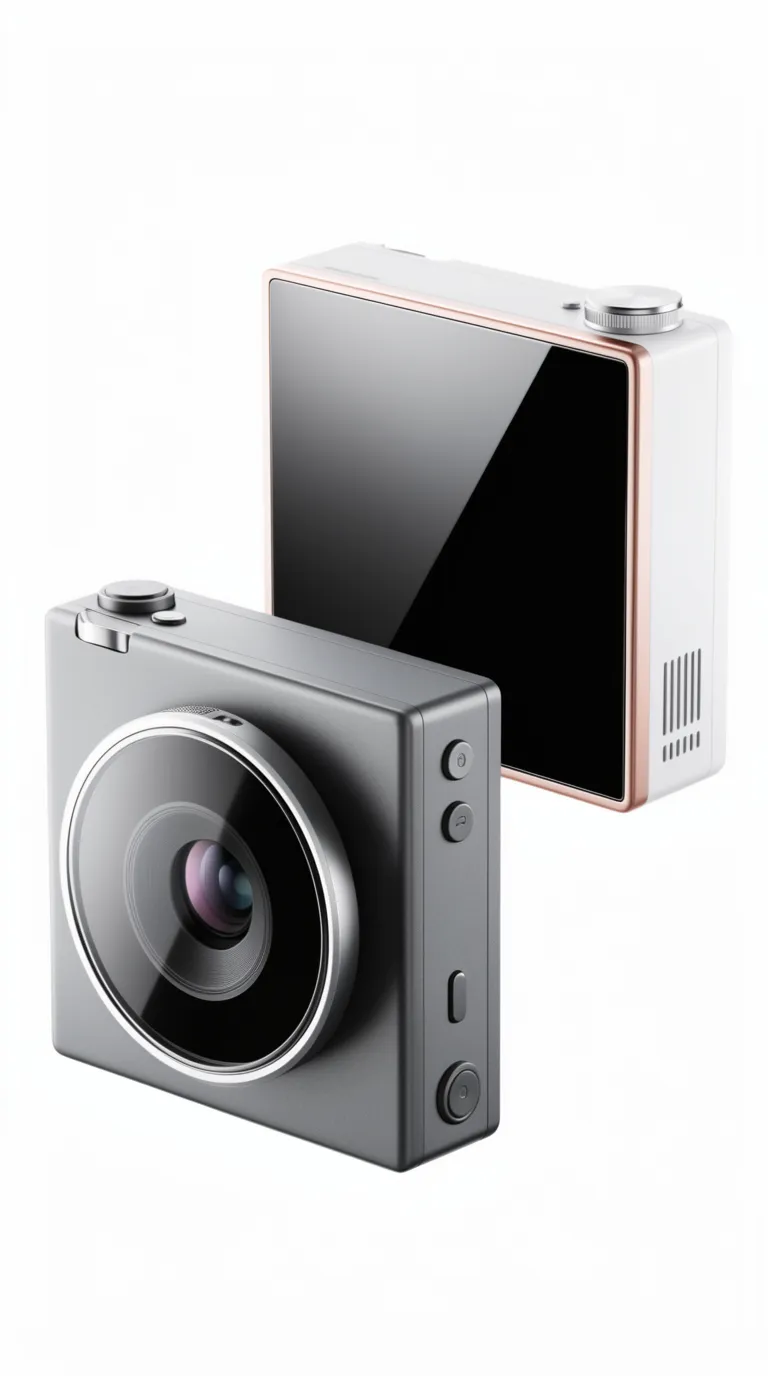
In today’s fast-paced visual market, high-resolution sensors have become a cornerstone of digital camera innovation. Consumers and professionals alike demand crisp details, accurate color reproduction, and exceptional clarity, driving manufacturers to push sensor technology further than ever before.
The Impact on Image Quality
High-pixel-count sensors capture minute details that lower-resolution counterparts often miss. This capability is crucial for commercial photography, landscape work, and large-format printing. Photographers can crop heavily into an image while retaining sharpness, offering immense flexibility during post-production. Furthermore, advanced sensor architecture improves dynamic range, balancing bright highlights and deep shadows seamlessly.
Engineering Challenges and Solutions
Designing ultra-high-resolution sensors is no small feat. Packing millions of pixels onto a compact silicon chip increases the risk of thermal noise and light interference. Manufacturers combat this by implementing backside-illuminated (BSI) designs and enhanced on-chip microlenses. These innovations maximize light absorption and minimize signal degradation, ensuring pristine image output even in challenging lighting conditions.
As visual standards continue to rise, investing in superior sensor technology remains essential for camera brands looking to maintain a competitive edge. By prioritizing sensor efficiency, manufacturers can deliver the professional-grade performance today’s discerning users demand.

The JSRD Editorial Team creates practical B2B guides for importers, brand owners, and Amazon FBA sellers sourcing digital cameras from China. Our content covers OEM/ODM customization, product selection, and sourcing decisions for camera products.