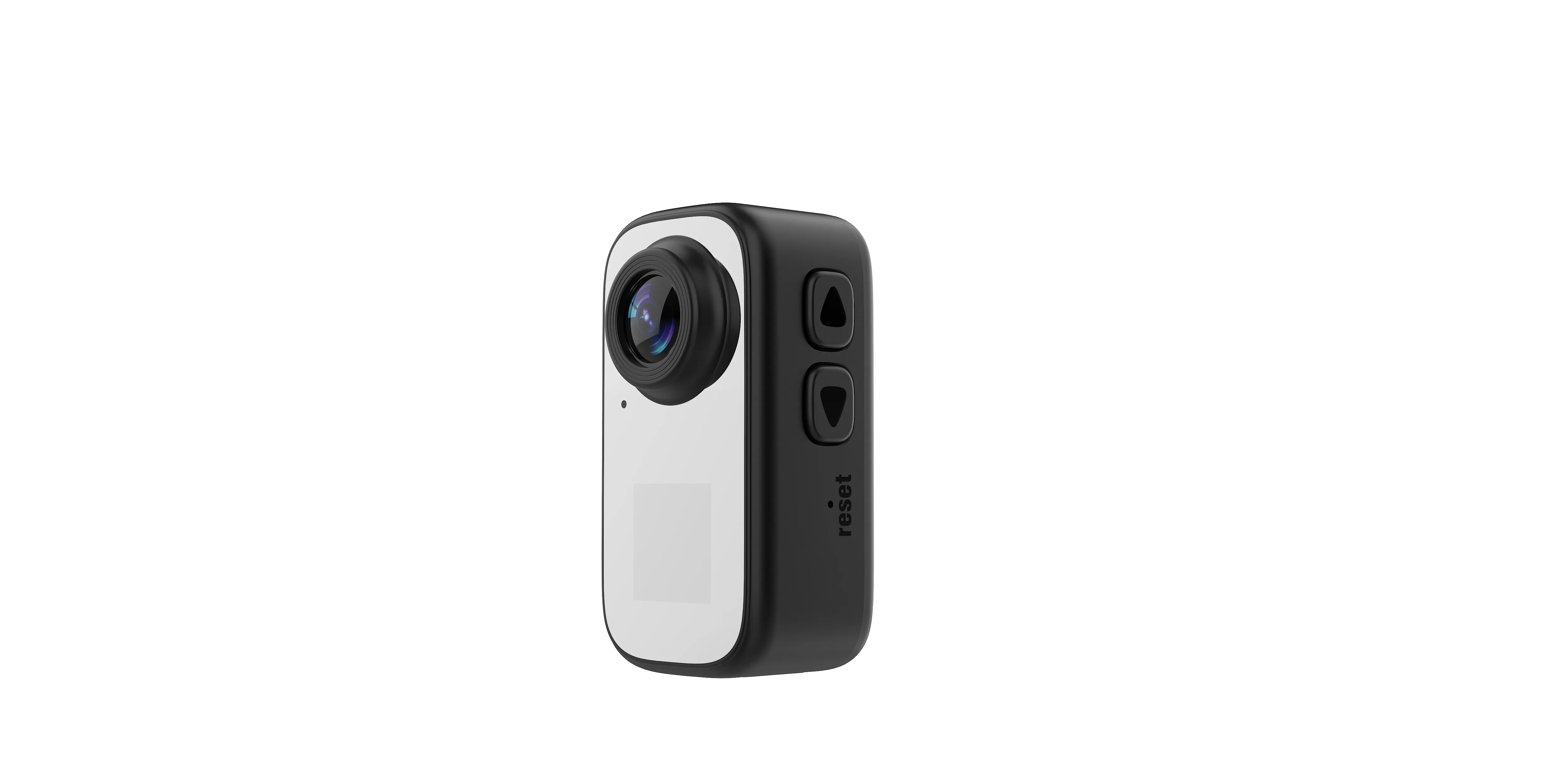
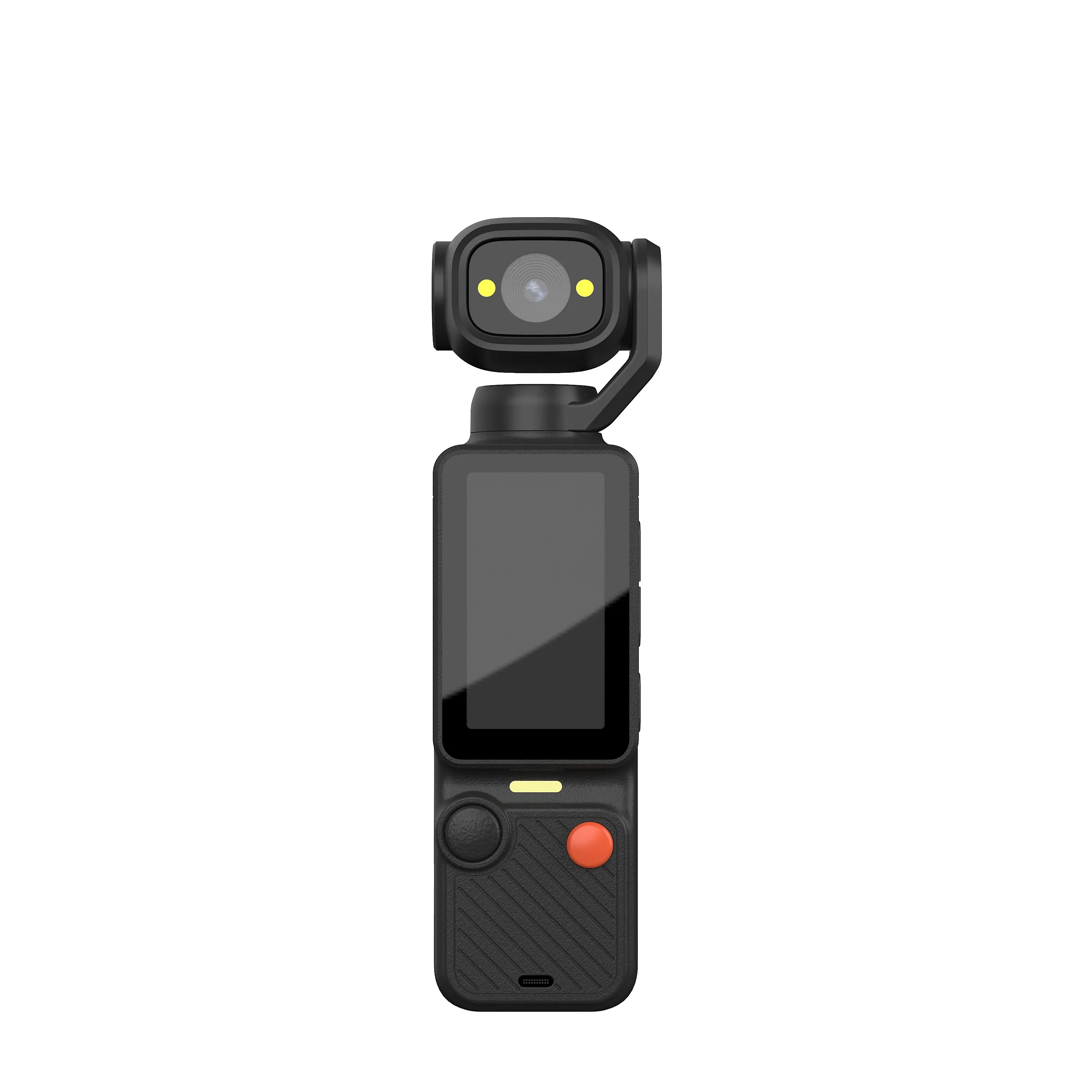
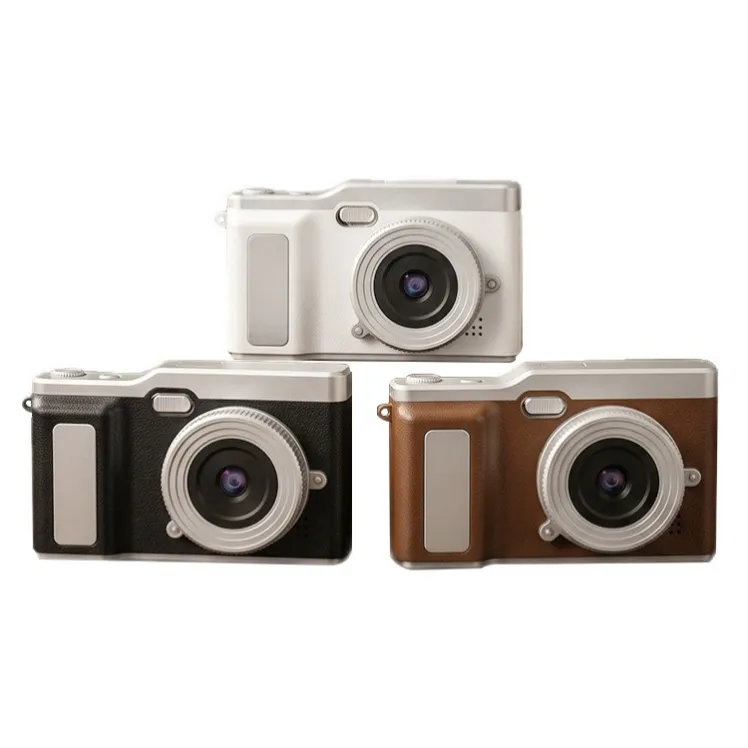
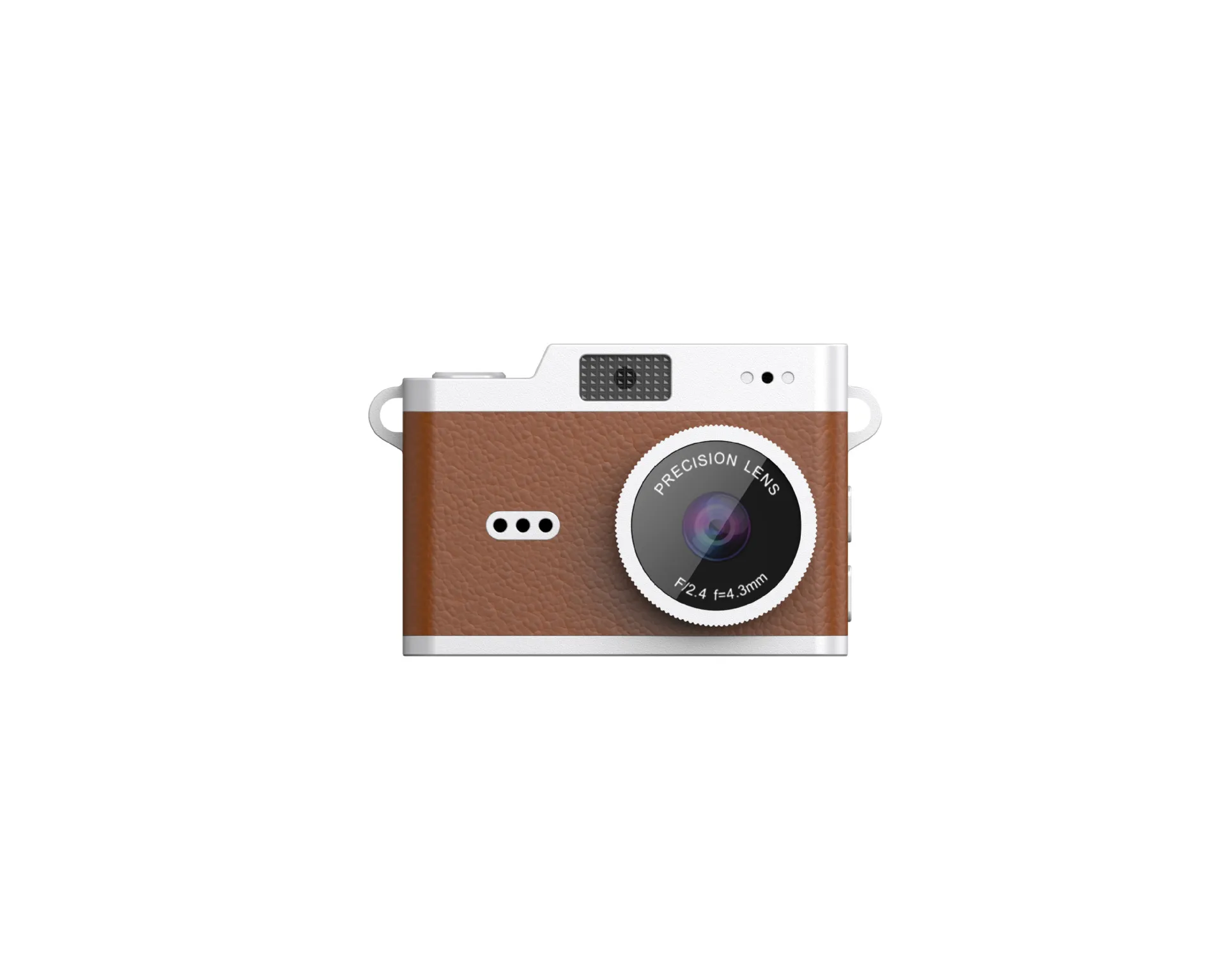
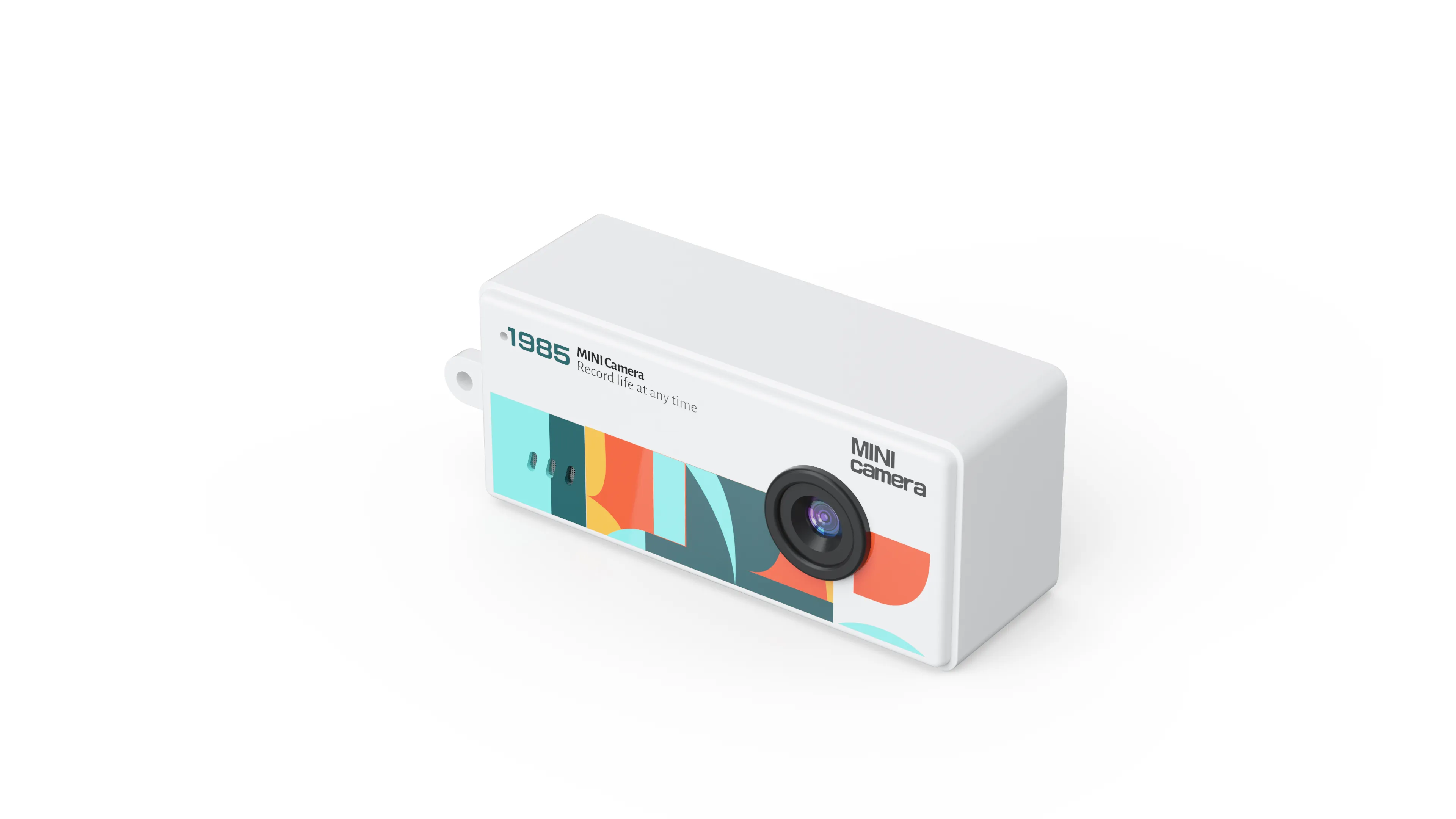
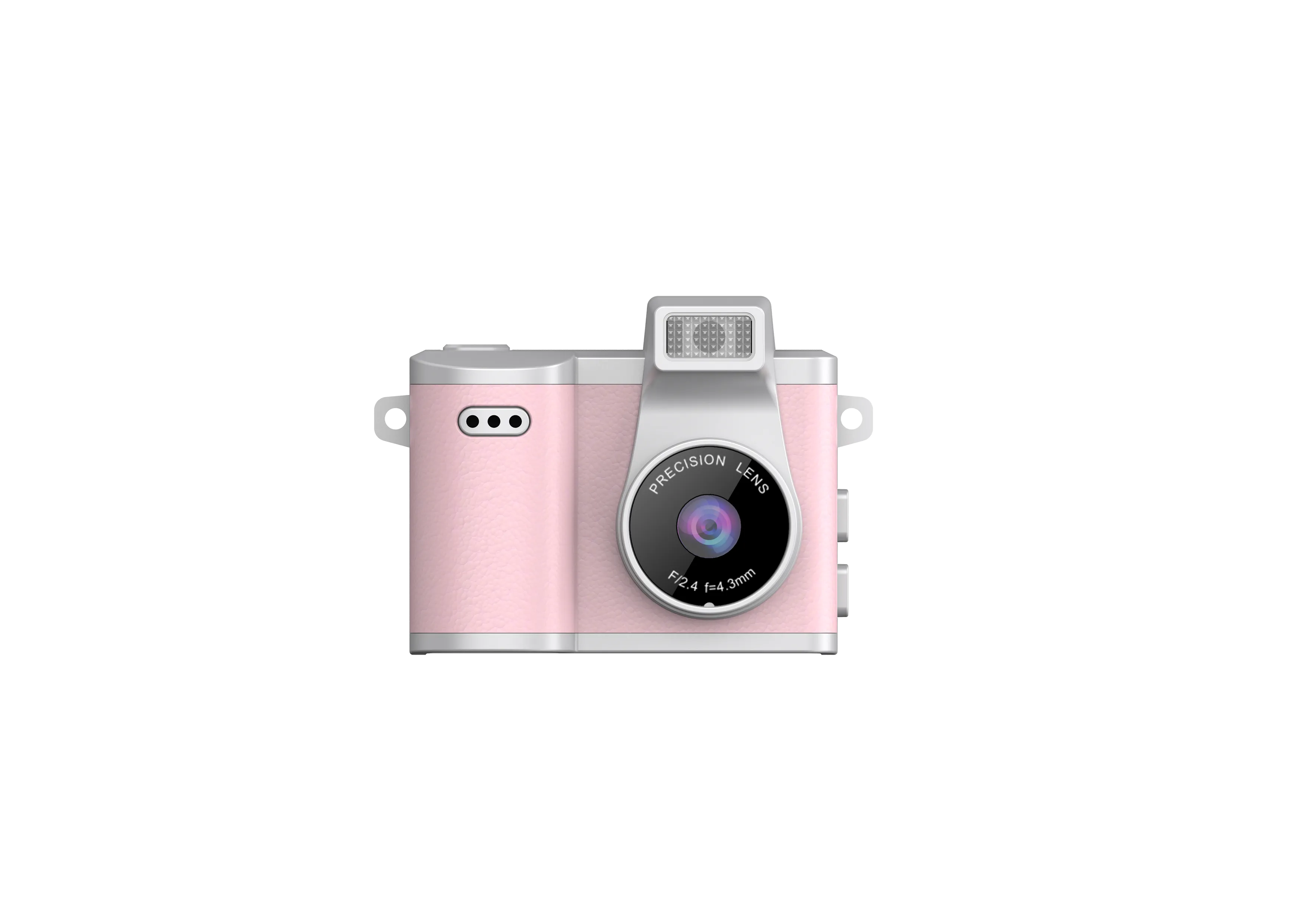
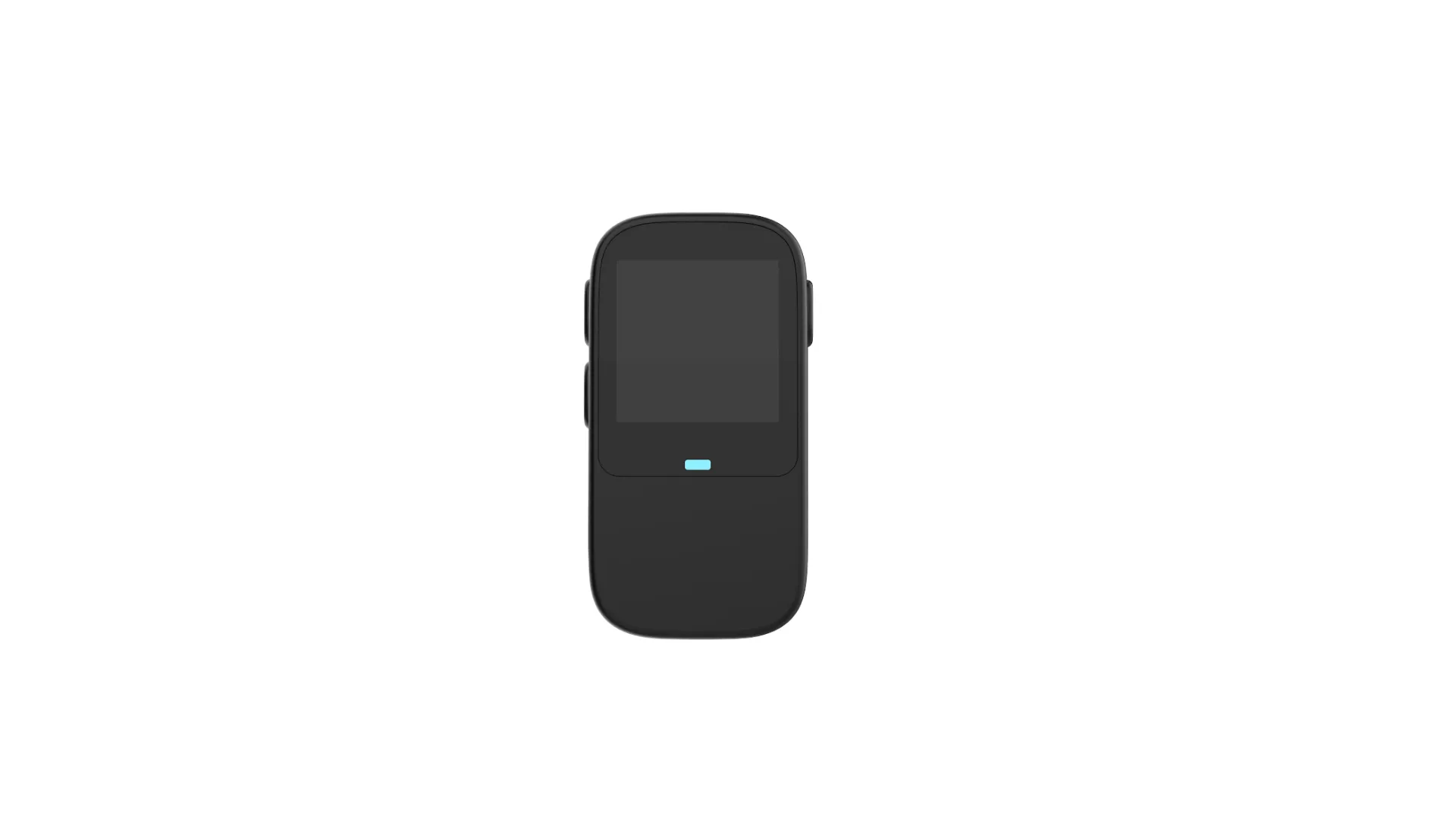
Resolution searches used to end at a spec number, and this one starts there too: 4K sits at the top of our parts menu, and it arrives on photography searches more often every season. The phrase 4k digital camera for photography names the want in exact terms: one body that shoots stills worth a listing and video worth a feed. This guide covers what 4K adds to both outputs, what it costs in the order, and how a factory turns the definition into a build you can sample.
The advice comes from the factory side: JSRD runs two camera lines in Shenzhen and builds more than 2,000 cameras a day across a range whose parts menu tops out at 4K. The framing below comes from that menu and from the questions buyers ask before they commit.
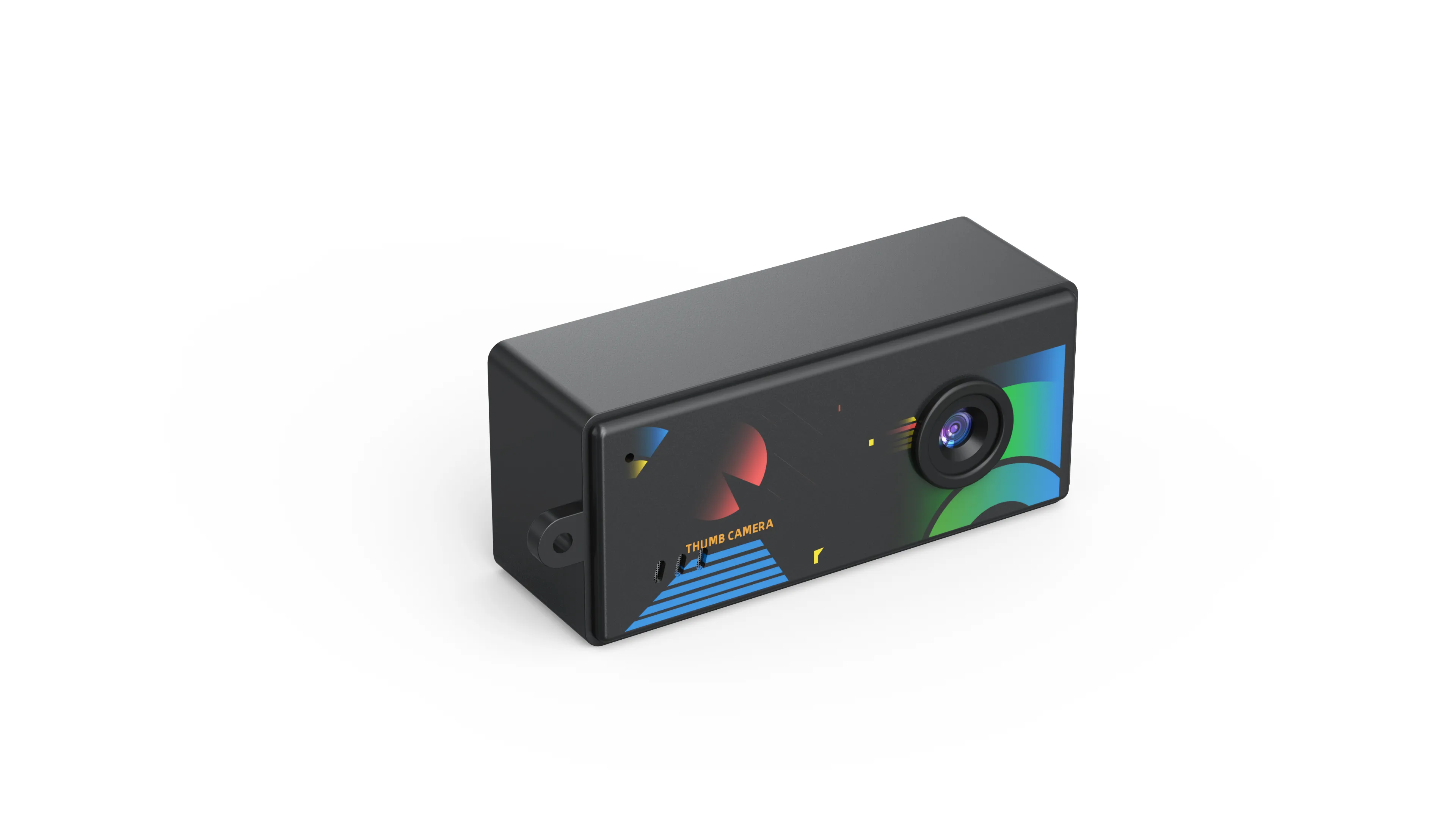
The Two Outputs in One Body
A 4k digital camera for photography and video answers two searches with one purchase, and the two outputs are not twins. The photo output freezes: one moment, full resolution, framed for a product page or a print. The video output flows: thirty frames a second (30 fps, the number of still images captured each second), built for feeds where the motion is the message. A body that does both well gives a customer one device to learn, one card to manage, and one color look across everything they post. The color match matters enough that we keep stills and video on one sensor per build, so the look carries across both outputs without a correction pass.
That consistency is the part buyers underrate. When stills and video come from the same sensor and the same color pipeline, a brand’s feed and its product page read as one voice. When they come from two devices, the seams show: two color temperatures, two levels of detail, two workflows. One body, one look, one card.
Where 4K Earns Its Keep First
4K pays for itself in two places, and motion comes first. Video captured at 4K holds its detail when it plays on a large screen, when a platform compresses it, and when an editor pushes into the frame for a closer view of the action. Stills pulled from 4K video carry about eight million pixels, which is enough for a listing image or a team page straight from the clip. Second comes consistency at the crop: a 4K file survives a crop that a lower resolution file would not, so the composition can be fixed after the shoot instead of during it.
The boundary deserves equal space. 4K costs storage headroom, processing time, and a place on the menu above the tiers most feed-size content needs. The honest version of the pitch: 4K is for the customer who edits, crops, or plays large, and the lower tiers are for the customer who posts as they shoot. Naming which customer you serve is the decision that keeps the order honest. Storage math belongs in the same conversation: bigger files need bigger cards and longer write windows, and both are spec lines to fix in the brief, not surprises to meet in the field.
Ordering 4K From the Menu
4K is a menu line, not a mystery. Our parts menu runs from 480P up to 4K, with sensors from 1/10 to 1/4 inch (the sensor is the chip that catches the light), zoom from 1X to 16X, frame rates of 15 or 30 fps, and WiFi (2.4GHz, live viewing in a phone app within 10 meters) on the builds that need it. A 4K order fixes the resolution line and then balances the lines around it: storage to hold the bigger files, a battery plan for the longer writes, and a screen that shows the detail the sensor captured. The menu logic runs both directions: a 4K video line pairs with a storage tier up and a battery check, while a 480P feed-first build frees budget for colors and packaging.
Which bodies carry the 4K line is confirmed through feasibility, the same way every order in our process starts: the brief names the market, the quantity, and the colors, feasibility confirms what the build can do, and the sample proves it in the hand. No body gets described as 4K on faith; the sample session covers the file look, the screen, and the card workflow before any production run starts.
Customization rides along the same path. Shell colors match the shelf plan, laser engraving carries the logo on the body, packaging art starts from a logo file, and small-batch runs keep the first order at a testable size.
Who the 4K Build Serves
Three buyer types reach for 4K first. Creators-in-a-box retailers: stores whose customers film their own sports, trips, and unboxings, and who want the clip and the still from one device. Outdoor and sports brands: the same overlap our sports guide covers, where the clip from the game becomes the ad for the next season. And corporate content buyers: gift programs and event kits where the camera keeps producing after the event ends, on the recipient’s own feed.
The common thread is output volume. A customer who posts once a week is served by the lower tiers; a customer whose content is the business needs the resolution to crop, the detail to scale, and the consistency to publish fast. When the brief says that customer’s name, the resolution line fills itself in. Gift programs land here too, on the event side: a camera that keeps shooting after the event is a keepsake that keeps producing content.
From Definition to Sample
The path runs in one conversation: name the market, the quantity, and the colors; confirm feasibility against the menu; review the sample with the 4K file open on your own screen. The best camera for sports photography guide covers the demand side of that conversation, the about page introduces the lines behind it, and the complete camera lineup shows the bodies the menu draws from.
Send your 4K camera brief to our team, and feasibility, samples, and pricing follow the confirmed spec.
JSRD (Shenzhen Jinsheng Ruida Technology Co., Ltd.) builds compact, pocket, action, gimbal, mini, keychain, and vintage-styled cameras for overseas brands.
Email: olivialee0822@gmail.com
Phone: +86-13609069228

The JSRD Editorial Team creates practical B2B guides for importers, brand owners, and Amazon FBA sellers sourcing digital cameras from China. Our content covers OEM/ODM customization, product selection, and sourcing decisions for camera products.