The Question a Buyer Inherits at the Counter
A wholesale buyer who takes on a camera line inherits a question at the retail counter: how to use a digital camera without a manual in the box. Our Shenzhen plant builds more than 2,000 camera bodies a day on two camera lines, so the operating answer belongs on the spec sheet next to the sensor size and the cell capacity. This guide covers the wording buyers send, the setup a new owner runs on day one, and the checks that decide whether the program repeats the same body next season.
Search data splits that request into several shapes. A buyer types how to digital camera when a spreadsheet cell limits the field, and how do you use a digital camera when the question arrives from a customer service desk. Both ask for two answers: the memory card the body takes, and the setting the buyer puts on the order.
Easy-to-Use Bodies and What the Spec Sheet Answers
The shelf copy asks for the same thing in a longer form: easy to use digital camera and easy to use digital cameras both describe the buyer who wants a body that works without training.
A short RFQ line says it in fewer words, with simple to use digital camera as the whole request. A buyer who writes use a digital camera into a spec sheet wants a body weight and a card limit in the reply, because that buyer reads the line against a quote later.
A purchase order cell often holds use digital camera, while a search bar shows use digital cameras. Both fragments point at the same body type: a small shell with one button and a card slot that takes the card the customer already buys.
Shelf staff need one page on digital camera use, and that page lists the card format and the charge cycle.
Quality wording arrives next to the same request. A buyer asking for a good quality easy to use digital camera wants the sensor and the resolution to carry the claim, and the same request phrased as easy to use good quality digital camera lands on the same spec sheet.
The ranking phrase asks for a shortlist instead of a description. A buyer who types easy to use high quality digital camera and what is the best easy to use digital camera wants names and numbers, so our answer lists the bodies with their weights.
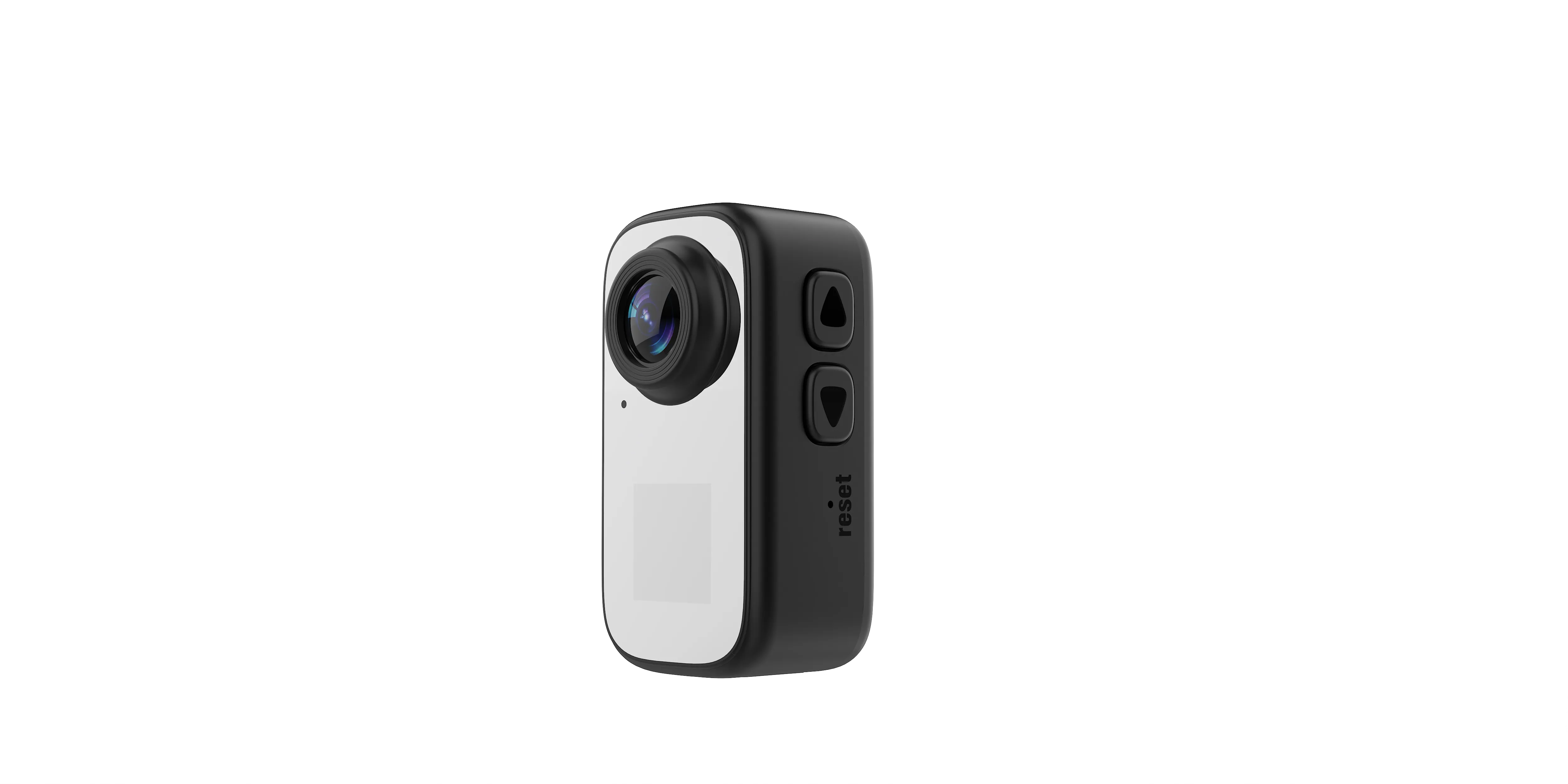
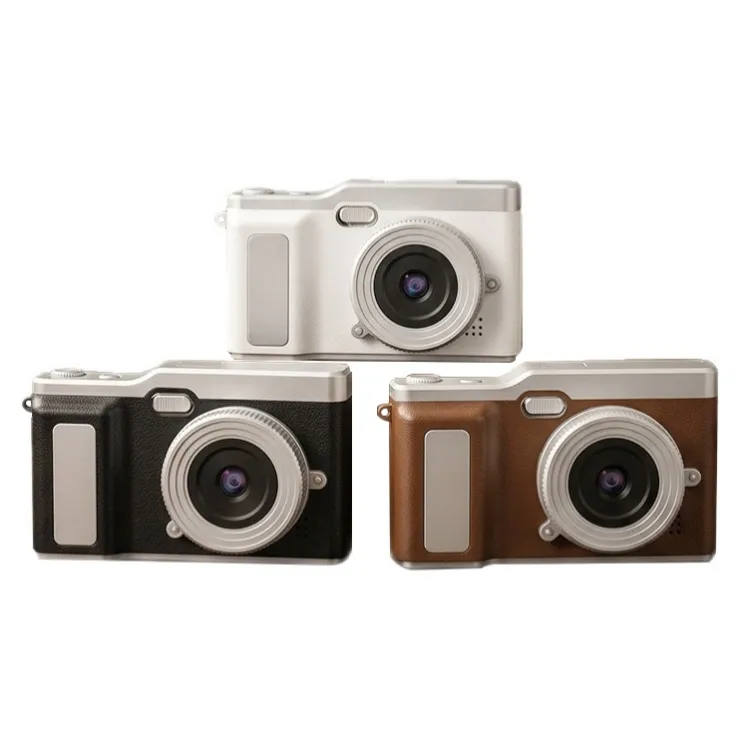
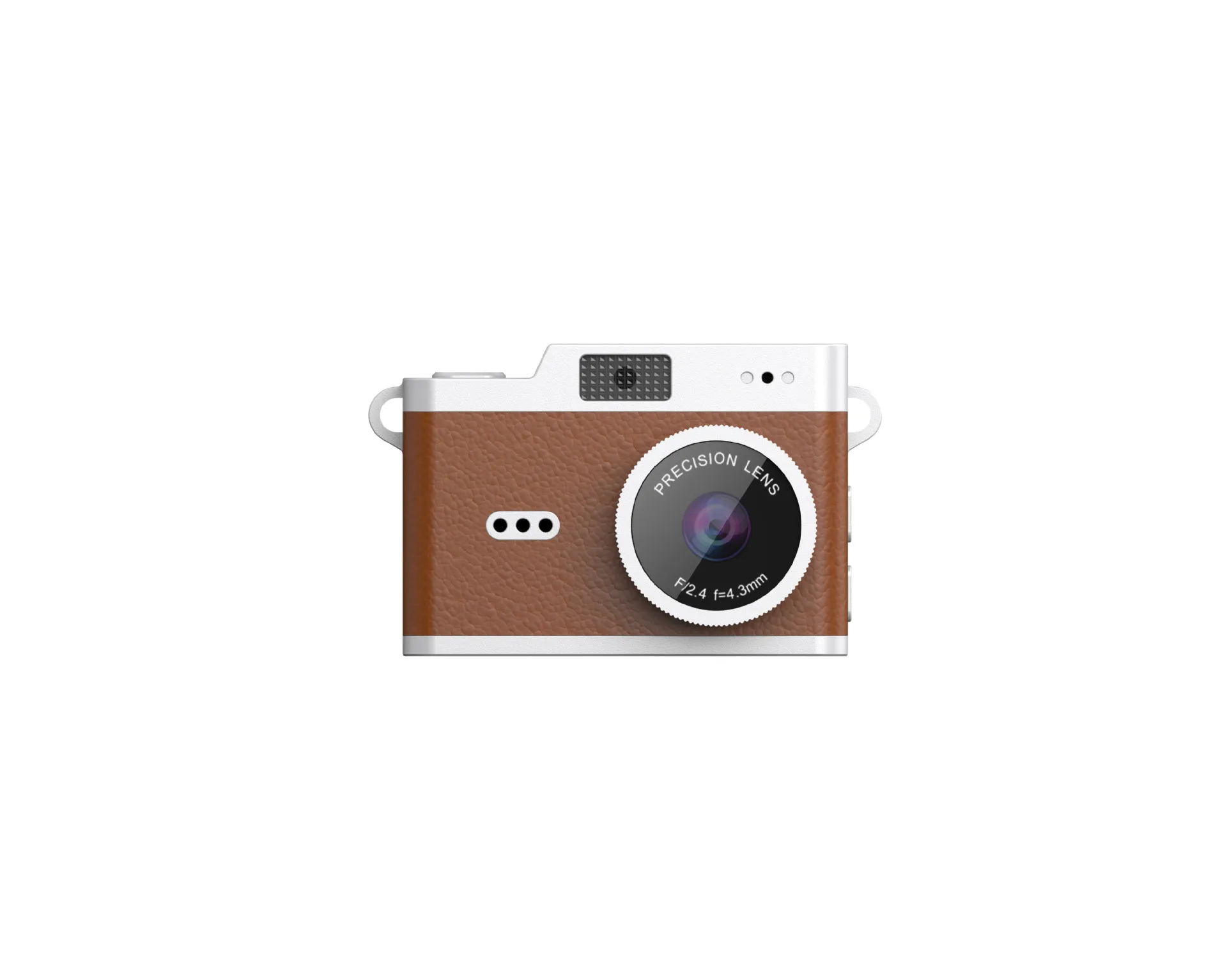
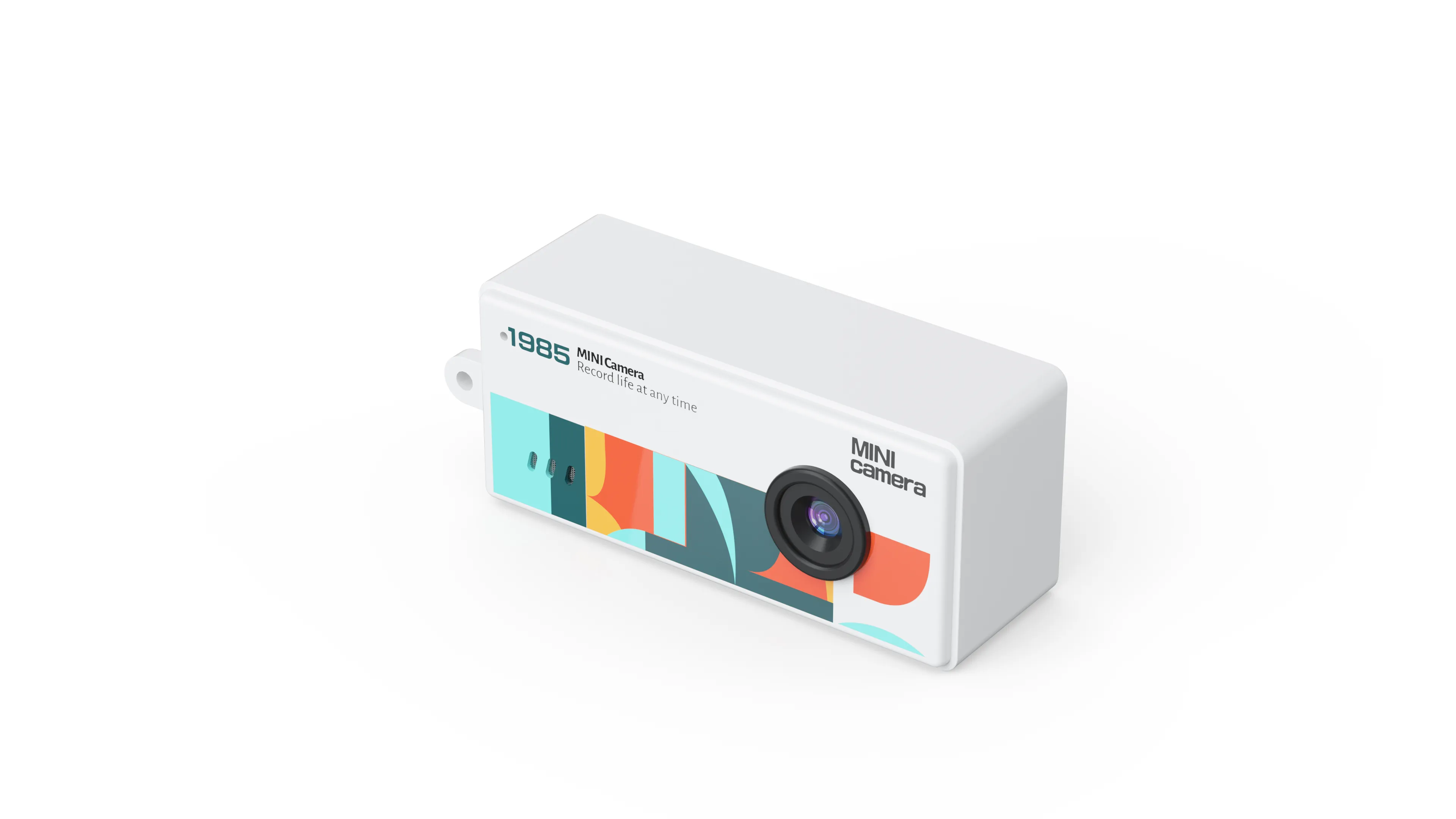
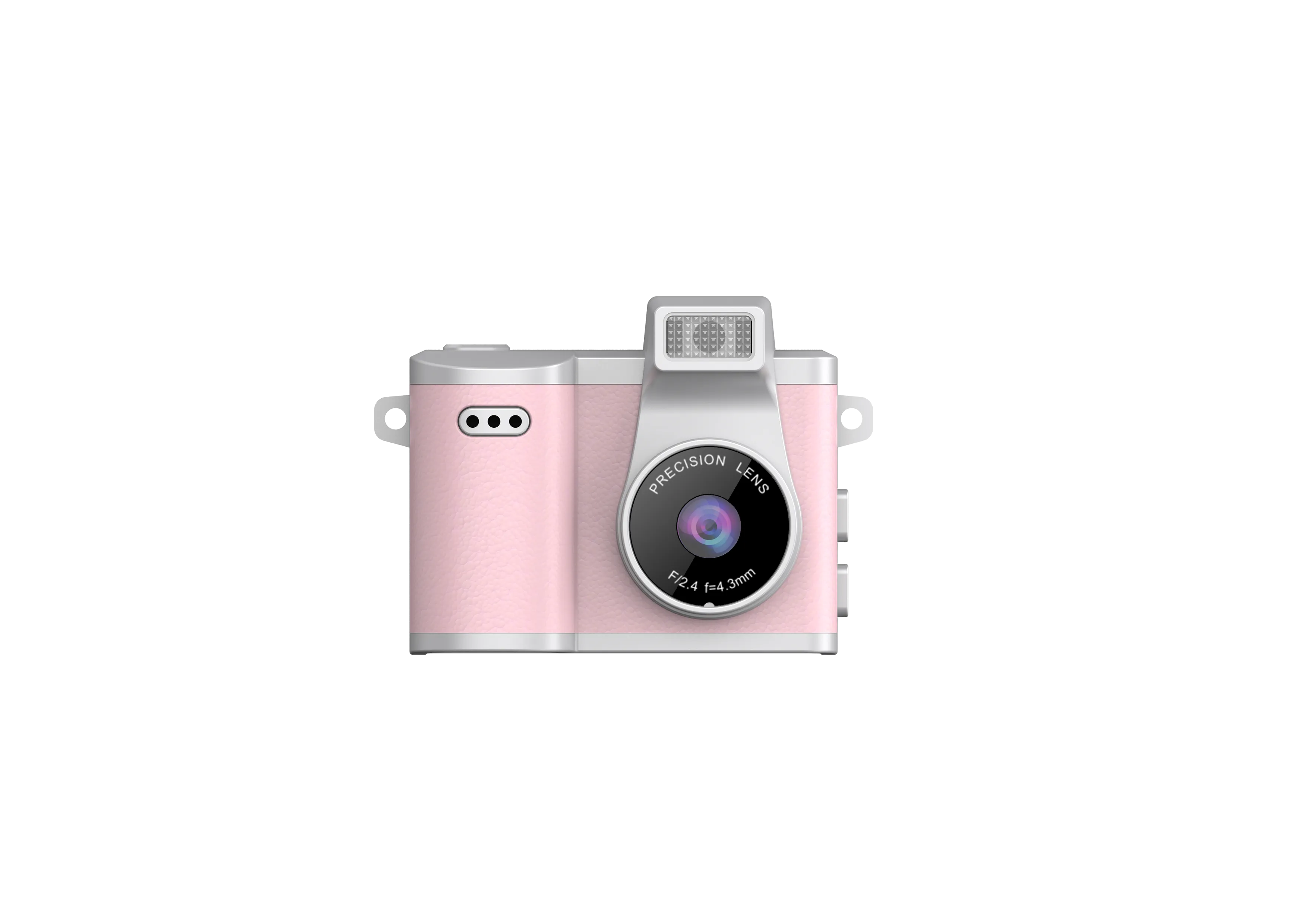
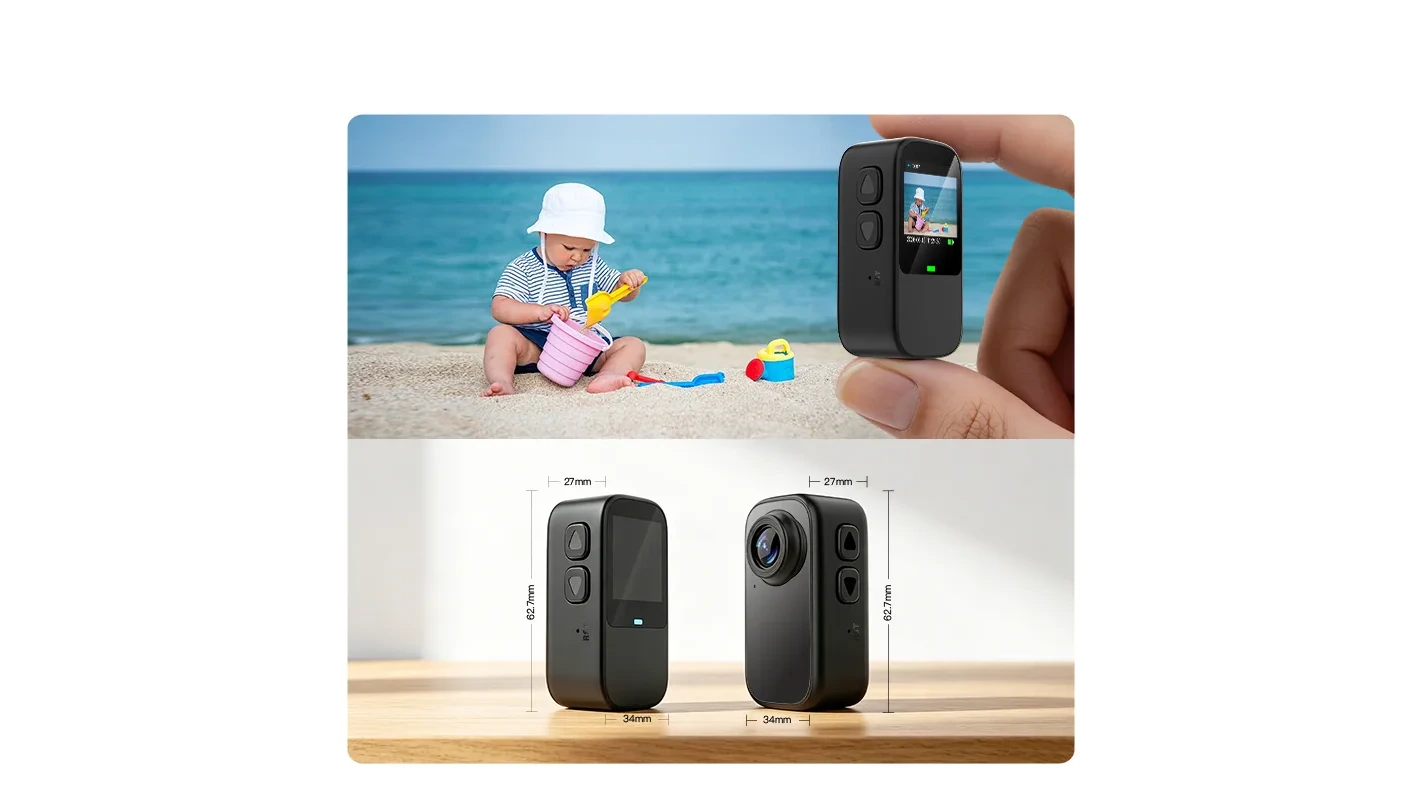
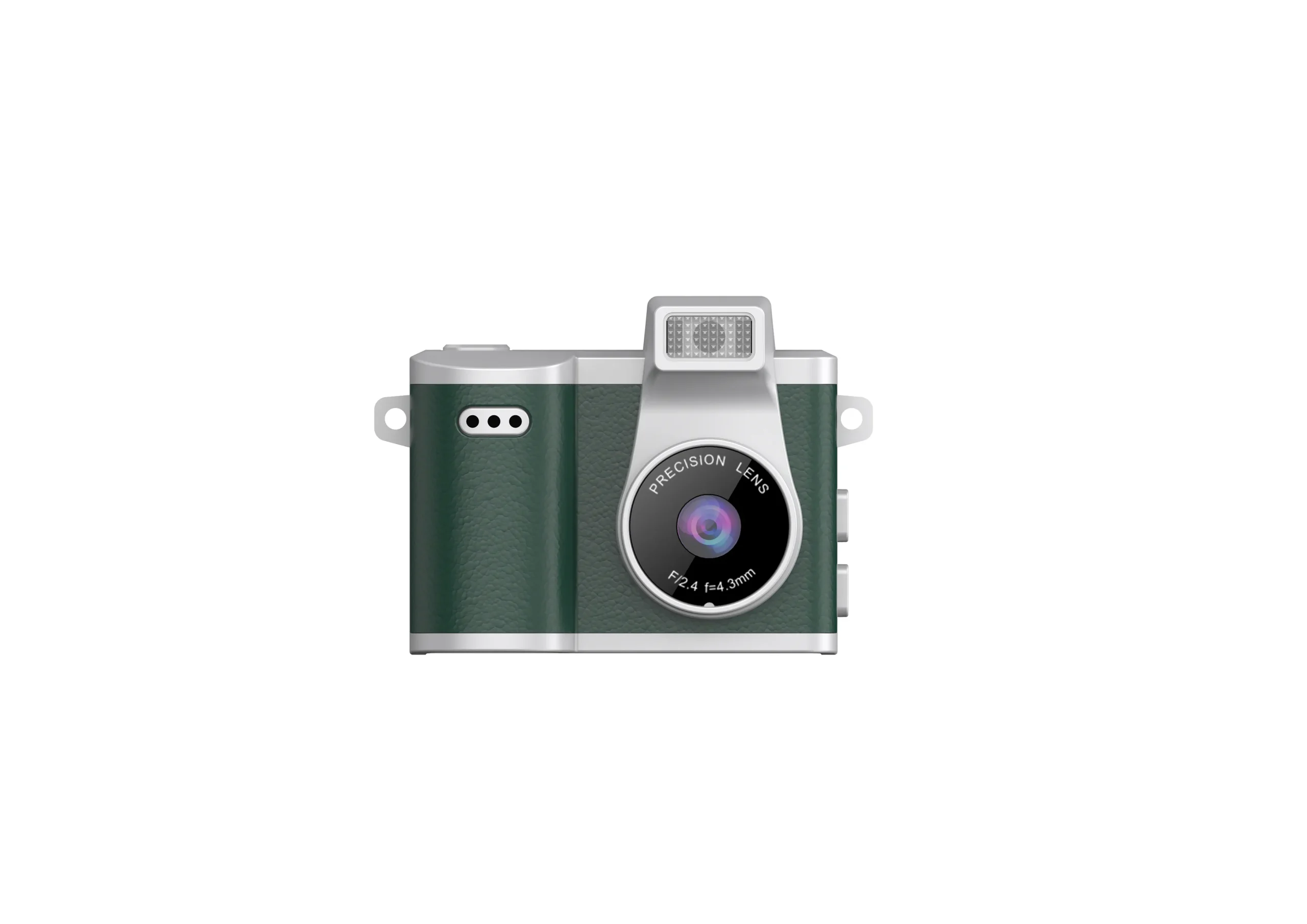
For the buyer who wants the least effort, easiest digital camera to use points at the card bodies: the AC-5 at 19.5 g and the AC-8 at 21 g, with the AC-7 at 22 g beside them. Each carries a 0.96 inch IPS panel and a 200 mAh cell, with a VGA sensor at 0.3 megapixels, and each takes a TF card up to 32 GB. The AC-3 sits apart from that group with a 2.4 inch flip screen and a heavier 115 g frame, plus a 700 mAh cell, and custom colors on that body start at 1,000 pieces per color.
Settings Decide the File
best settings for digital camera and best camera settings for digital cameras both ask for the configuration we ship, and the configuration differs by tier: the AC-18 records 1080P at 30 fps with stills up to 12 megapixels through interpolation, while the card bodies record VGA files at 640 by 480. Our parts menu runs from 480P to 4K, from 15 to 30 fps, and from 1/4 inch down to 1/10 inch sensors, so a tier choice settles the sensor and the card plan together.
A phone appears in the order as often as a card does. The question how to connect digital camera to phone decides whether the body carries a radio, and the AC-18 carries a 2.4 GHz radio with app preview inside 10 meters, so a buyer can demo the link at the counter. The card bodies take no radio, and that difference belongs on the quote line.
Travel programs ask can i bring my digital camera on a plane. The cell capacity and the charging method sit on our spec sheet, while the travel rule belongs to the carrier and the destination, so the buyer receives a figure instead of an assumption.
Where the Bodies Land on the Shelf
Casual programs and daily programs share a shelf with school orders. A buyer writing best digital camera for casual use wants a body that fits a pocket, and the same request for digital camera for everyday use points at the card bodies with their six stock colors on the AC-7.
Two other order lines say the same thing. digital camera for home use and digital camera for personal use describe the buyer who expects a camera on a shelf rather than a phone in a pocket, and that buyer chooses on color and size.
School programs need a different order line. best digital camera for classroom use asks for bodies that survive a desk and a bag, and the card bodies answer with their weight and their Type-C charging.
The broad search strings describe the shelf itself: how are digital cameras used and where are digital cameras used cover retail counters and classroom desks.
What a Buyer Confirms Before the Order
A buyer who asks what hardware do you need to use a digital camera wants the accessory list in writing: the TF card and the Type-C cable. The AC-18 box includes a 32 GB TF card, and the same list ends the order conversation, because each line on it has a model behind it.
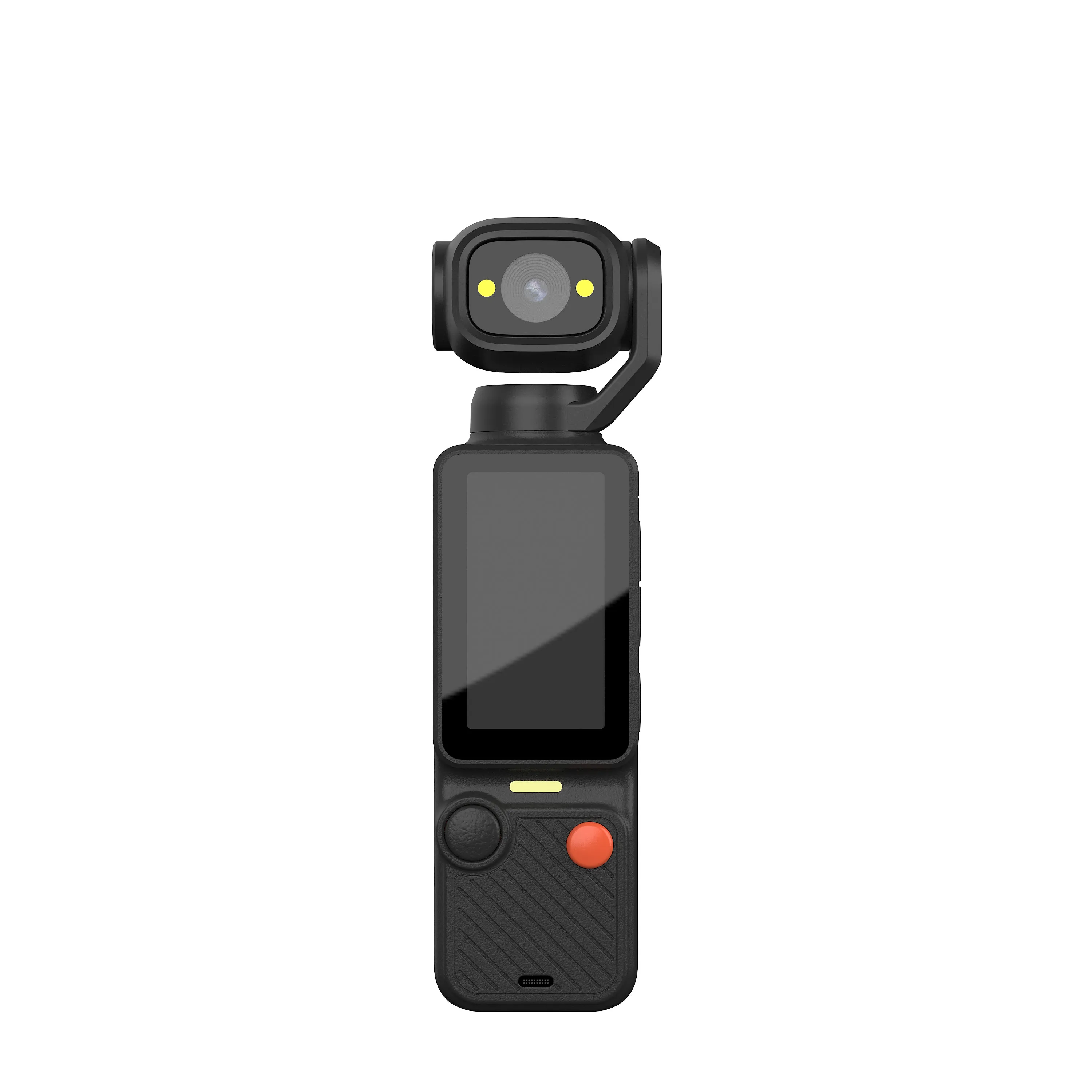
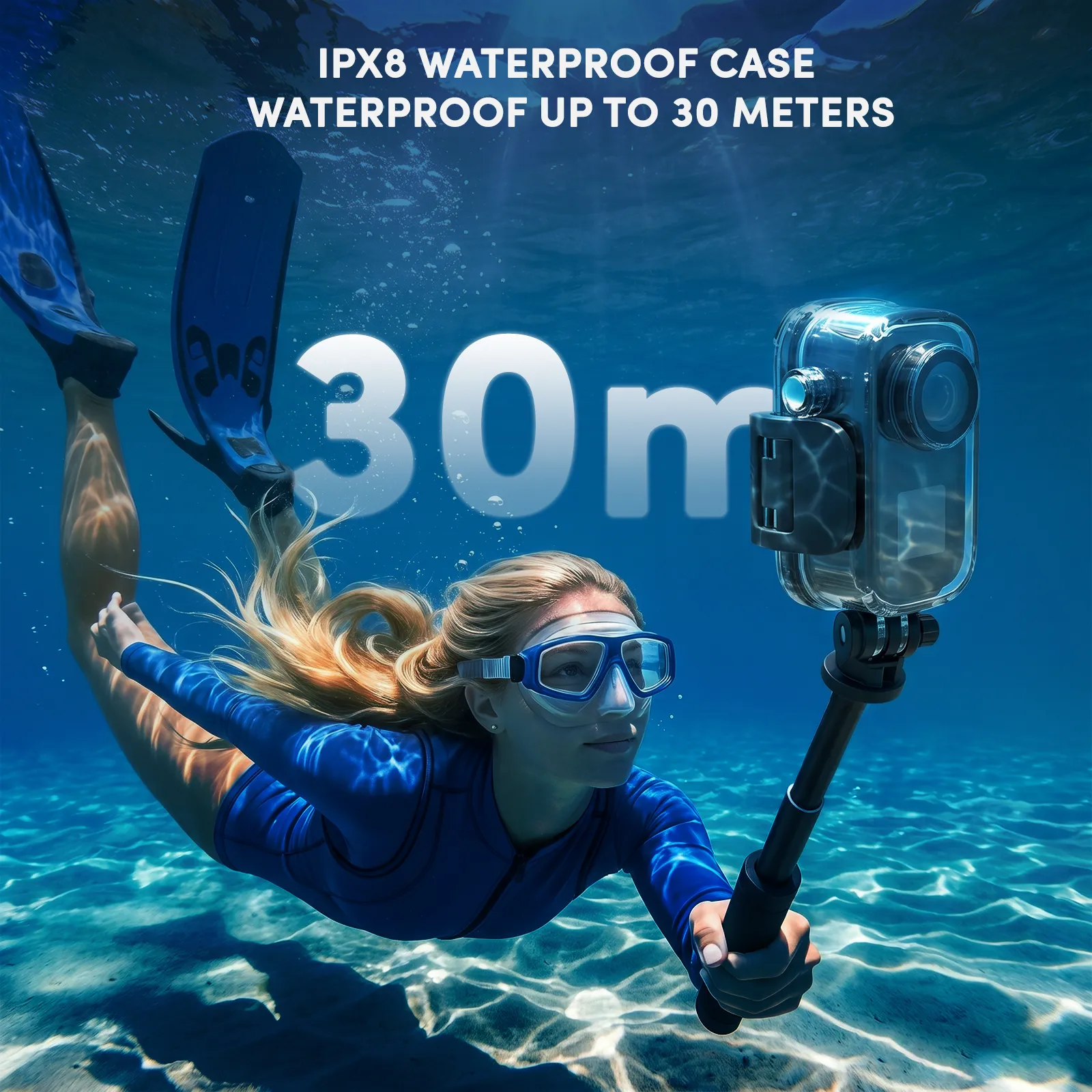
The AC-18 package adds a quick release base and a magnetic clip, plus the waterproof case rated to 30 meters on the high spec build.
Sample approval settles the rest. A buyer who asks how to know if a digital camera is good looks at a still in daylight and a short clip, then reads the card on the phone they use. Our sample comes from the production run rather than a showroom unit.
Underneath the file, the sensor does the work, and the way digital cameras capture images using that sensor sets the ceiling on what a buyer can promise on a listing. We put the sensor size on the spec sheet and leave the word professional out of it.
The Reason the Buyer Files the Order
The retail argument sits in benefits of using a digital camera and advantages of using a digital camera: a physical shutter and a card the customer keeps. Those two points hold up against a phone in the buyer’s hand, because our bodies record at a fixed setting.
One search string names the job instead of the product: digital still cameras most often use. The answer describes what a buyer keeps on a shelf for stills, with video as the second tier and the AC-18 as the body that covers both.
Order notes write the answer as use of a digital camera and use of digital camera, which keeps the line on operating steps instead of sensor marketing.
Retail training starts from using digital camera as a phrase, and the staff member explains the card and the charge.
Our AC-8 card body page lists the panel and the card limit, while the AC-18 page carries the radio and the mounts, plus the waterproof case. Buyers who need the range side by side can work through the camera range we keep on the shelf, and that is how a buyer fills a shelf without opening three supplier tabs. Send the target body, the colors, and the quantity through the contact page, and we quote a configuration with a spec sheet the buyer approves, then hold the same spec for the reorder.

The JSRD Editorial Team creates practical B2B guides for importers, brand owners, and Amazon FBA sellers sourcing digital cameras from China. Our content covers OEM/ODM customization, product selection, and sourcing decisions for camera products.