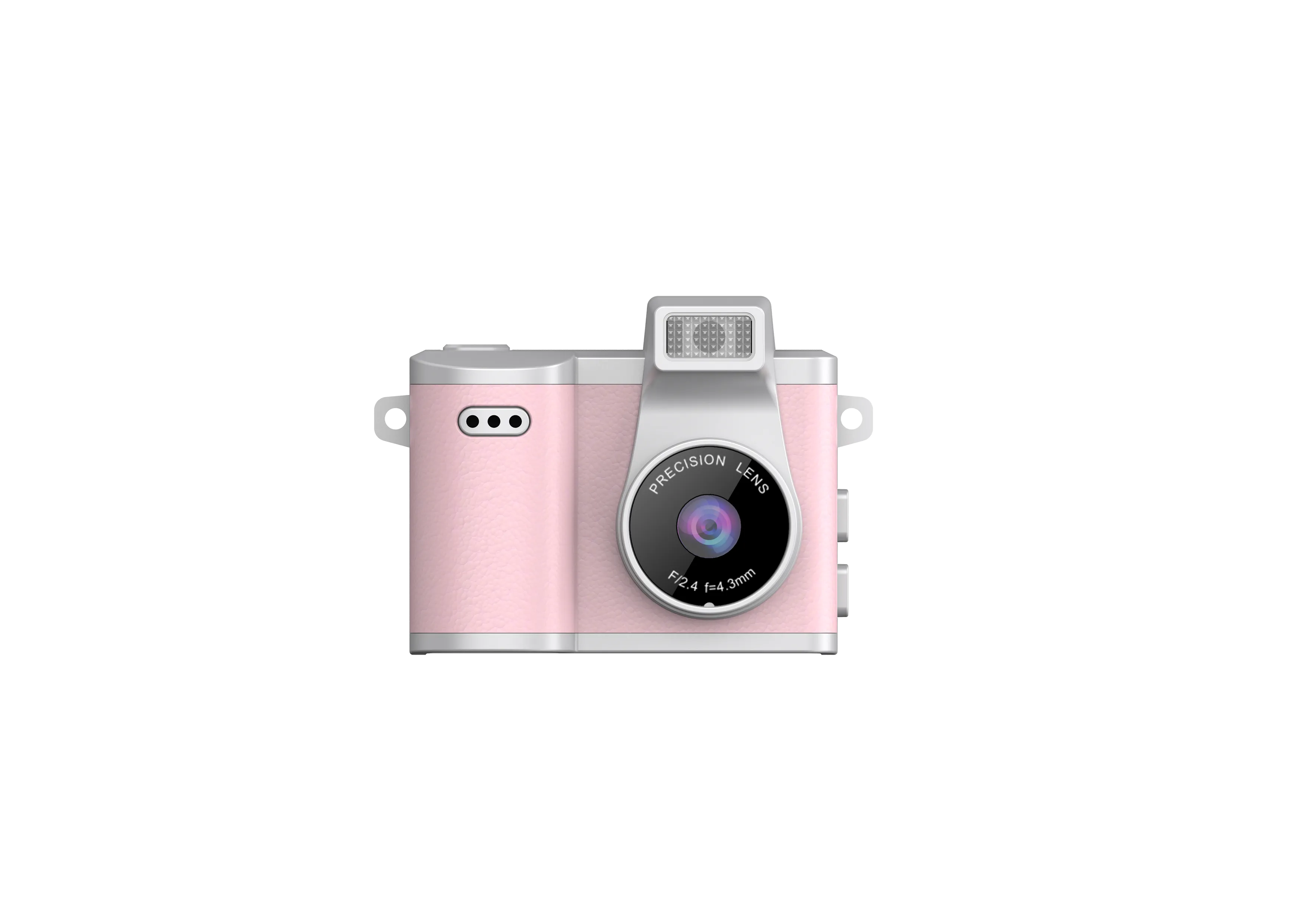
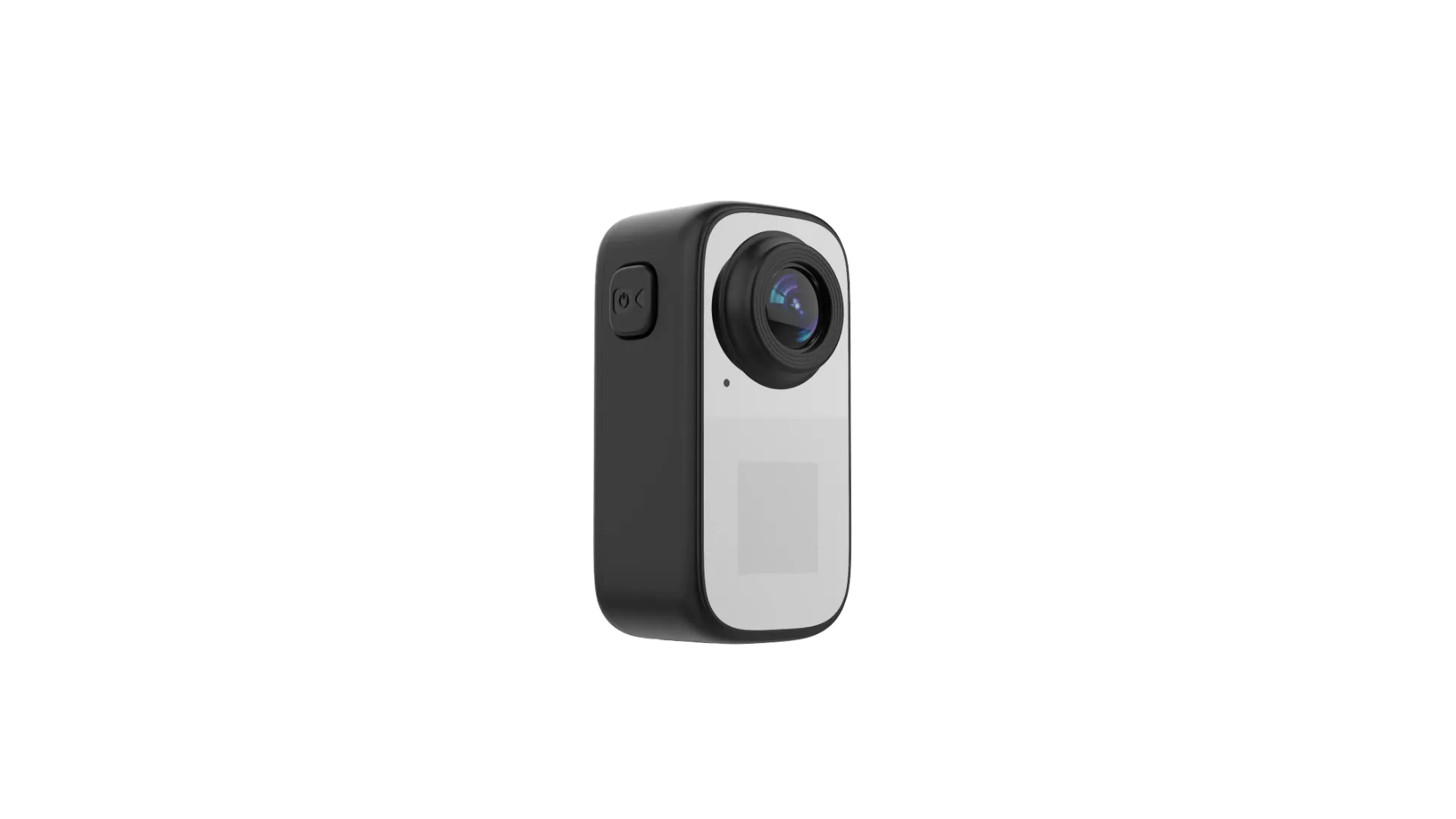
Sports photography looks like a professional’s word, and the shelf hears it as a customer’s question: which camera survives the game, the spray, and the sprint? This guide answers it the factory way, by naming the demands first and matching the hardware second. Along the way it covers the video camera used in extreme sports, and the travel pairing, because the customer who films the match on Saturday often boards a flight with the same bag on Sunday. By the end, the phrase best camera for sports photography will have a working answer built from real spec lines instead of a trophy list.
The advice comes from the factory side: JSRD runs two camera lines in Shenzhen and builds more than 2,000 cameras a day, including the action build that carries most of the sports work in this guide. The models, the numbers, and the limits below all come from our own spec sheets, and the limits are stated in plain words alongside the strengths, because a buyer who knows the boundaries orders with confidence.
What Sports Photography Demands From a Camera
Strip the highlight reels away and sports puts four demands on a camera. Each one maps to a spec line a buyer can check in writing, which is why the demands come before the models:
Keep up with the play. Motion punishes slow gear twice: once at capture, when a low frame rate smears the swing or the sprint, and once at framing, when a narrow lens loses the play that moved sideways. The capture side needs a frame rate that holds the action, and ours runs at 30 fps (frames per second, the number of still images captured each second) on video, enough to keep the play readable frame to frame. The lens side needs width: the 123° wide-angle lens on our action build holds the whole lane, so the operator follows the game instead of fighting the frame.
Survive the weather. Sports happen in rain, spray, and dust, and a season does not reschedule for the forecast. That makes weather a housing decision rather than a hopeful thought, and ours is honest in both directions: the standard action build stays on dry land, and the high-spec build carries the waterproof case, the configuration rated to 30 meters. A buyer quotes the housing with the sport in mind, field sports on one line, water sports on the other, and the spec sheet says which is which in writing.
Stay in one hand. A camera that needs a bag misses the moment. Weight and shape decide whether the camera is in the hand when the play starts, and this is where the small builds earn their place: 19.5 to 22 grams in the pocket tier, a thumb-size action body in the sports tier, and a keyring point or a mount to keep either one attached to its owner. The glove test belongs here too, because a season does not wait for warm weather; a body with a shutter a gloved thumb can find is a body that shoots in November.
Keep shooting after the highlight. The highlight is thirty seconds; the day is six hours. Battery capacity and storage decide whether the camera lasts past the highlight and through the afternoon: 700mAh on the action build and the flip-screen compact, TF cards up to 256GB on the action tier, and every cell fresh out of the box, so the battery story starts at zero wear on every order. The spec lines look small on paper; the missed moments they prevent are the reason customers come back.
The four demands share one property: every one of them is a hardware decision made before the game starts. The frame rate is chosen at the design stage, the housing is chosen at the order stage, the carry system is chosen with the accessory set, and the battery and card are chosen at the quote. Nothing on the list gets fixed at the field, which is why the list belongs in the brief instead of in the pre-game panic. The frame-rate line deserves its honesty note as well: 30 fps holds the play for feeds and playback, and the ultra-slow-motion tier, the one that freezes a ball mid-flight for a full-screen replay, is a class of hardware this range does not build. Naming that boundary in the quote protects your listing from a promise the product never made, and protected promises are what the reorder runs on.
The Best Camera for Sports Photography, Without a Ranking
Buyers type the question four ways: best cameras for sports photography, best camera for sport photography, best camera for photography sports, and best sports camera for photography. The word order changes; the shopping job holds still, and the honest answer has two halves.
The first half is the match. In our range, the sports job lands on the AC-18: a 2MP CMOS sensor (the chip type that reads light row by row) behind the 123° wide-angle lens, 720P/1080P video at 30 fps, photos up to 12M by interpolation (software-enhanced past the sensor’s native count), a dual screen so the subject can frame themselves mid-play, WiFi live viewing in a phone app within 10 meters, TF cards up to 256GB, and the waterproof path described above on the high-spec build. One body, and every demand from the first section has a line that answers it in writing.
The dual screen deserves a word of its own, because sports footage is social footage. The person playing the sport is the person filming it on most shelves, and a screen on both faces means the framing happens without guessing, take after take. The WiFi link adds the courtside check: within 10 meters, the clip lands live in a phone app, so a coach or a teammate reviews the take before the team leaves the field.
The second half is the honesty. Professional sideline photography runs on telephoto lenses and burst autofocus, gear built for credentialed shooters, and that is not the shelf this range serves. The sports content shelf serves the customers who film their own games, their own trails, and their own kids’ seasons, and for that job a wide, weather-ready, one-hand camera at a fair price is the right answer. The best camera for sports photography is the one the customer will carry to the game, and carrying is a spec this range answers by design.
The photo side of sports belongs in the same answer. Video holds the play; stills hold the season. Photos on the action build reach 12M by interpolation, which is enough for a team page, a player profile, or the frame a parent prints for the fridge, all from the same body that filmed the game. One camera covering both outputs is one fewer device on the sideline and one fewer line on the invoice.
Video Camera Used in Extreme Sports
Extreme sports push every demand harder, and the phrase video camera used in extreme sports describes a checklist rather than a brand: a wide lens for speed, a body that tolerates water and impact, a mount or a grip that frees the hands, and storage that holds a full session.
Our action build answers that checklist item by item. The 123° wide-angle lens keeps the rider in frame when the trail turns and the jump lands. The waterproof case on the high-spec build takes the body to 30 meters, which covers the river run, the beach day, and the wash at the end of both. The accessory set travels with the product line: a mount for the helmet or the handlebar, a clip for the strap, and a lanyard for the falls, so the camera rides where the sport happens instead of waiting in a bag. And the TF card slot runs up to 256GB, which is a full season of sessions between card changes.
Session planning makes the difference between a clip and a memory. A fresh cell before the run, a card checked the night before, and the housing decision made at the hotel instead of at the water: these are the three habits the spec sheet supports. The battery charges over Type-C, the same plug as the phone in the group, and the files move to any computer through any card reader, so the evening edit starts without an app, an account, or a search for cables.
The buyers behind this tier are the outdoor brands, the adventure tour operators, and the campus recreation programs whose customers shoot first and ask questions after. For them the checklist reads as a promise the product keeps: the camera goes where the sport goes, and it comes back working.
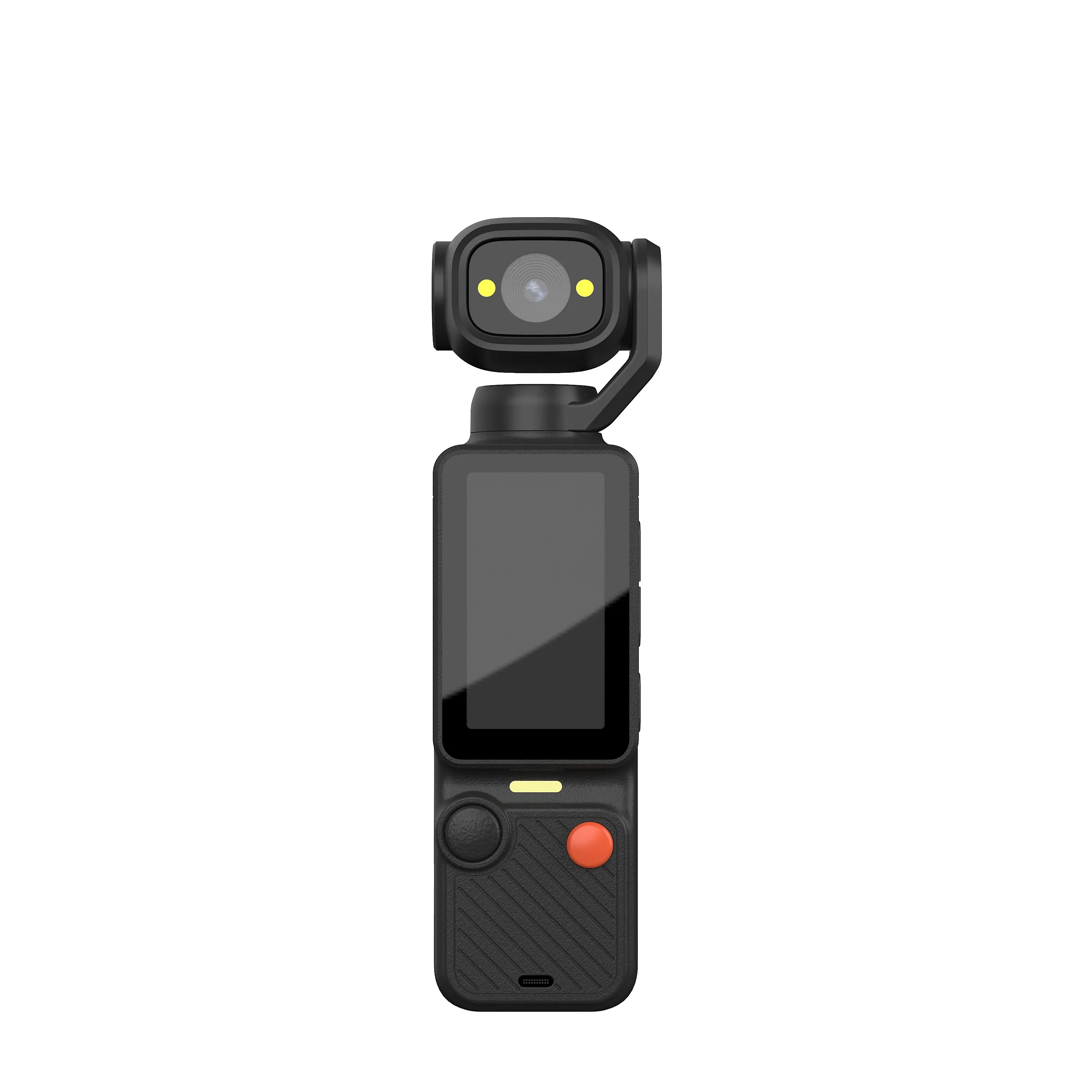
One honesty line belongs here as well: stabilization on a mounted action camera is a different problem from a gimbal’s job, and our range does not claim gimbal hardware on the action build. The wide lens, the mounting system, and the housing carry the extreme-sports job, and the spec sheet says so in the same words to every buyer, which is what a reorder relationship is built on.
The Travel Pairing: Best Digital Camera for Travel
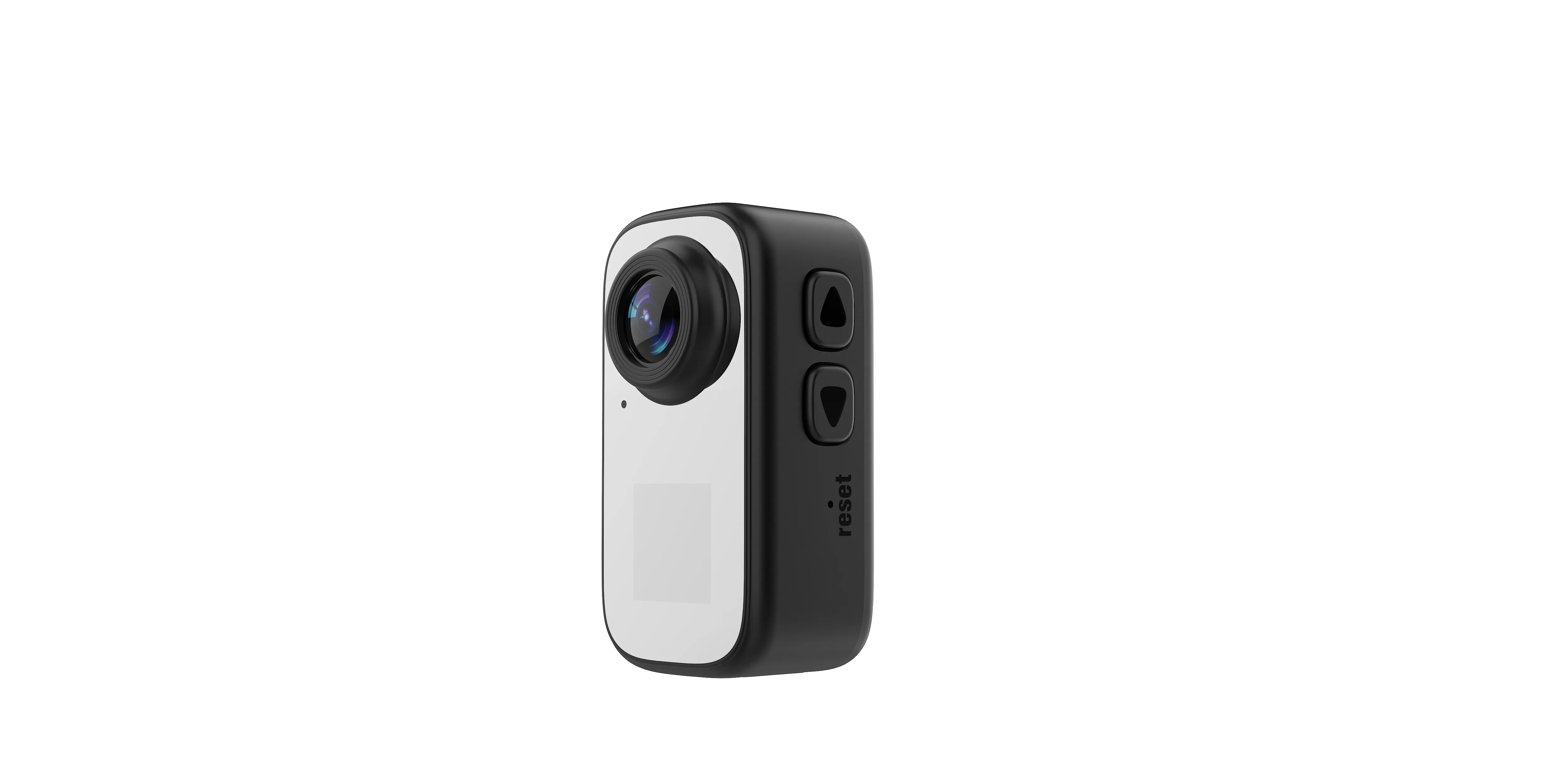
One fact makes this pillar worth a buyer’s time: the sports customer and the travel customer overlap. The body that survives the spray is the body that goes in the carry-on, and the searches arrive side by side, best digital camera for travel next to the sports questions.
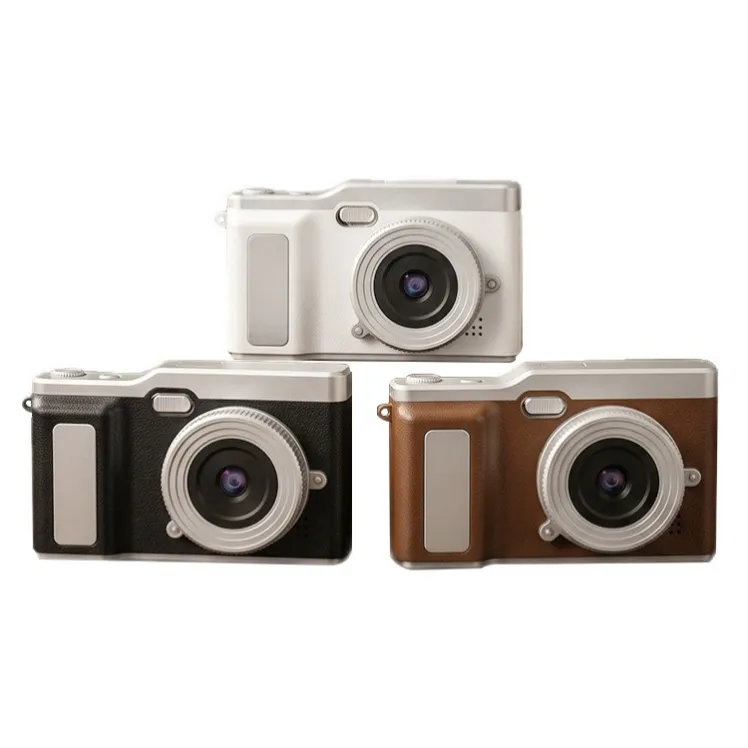
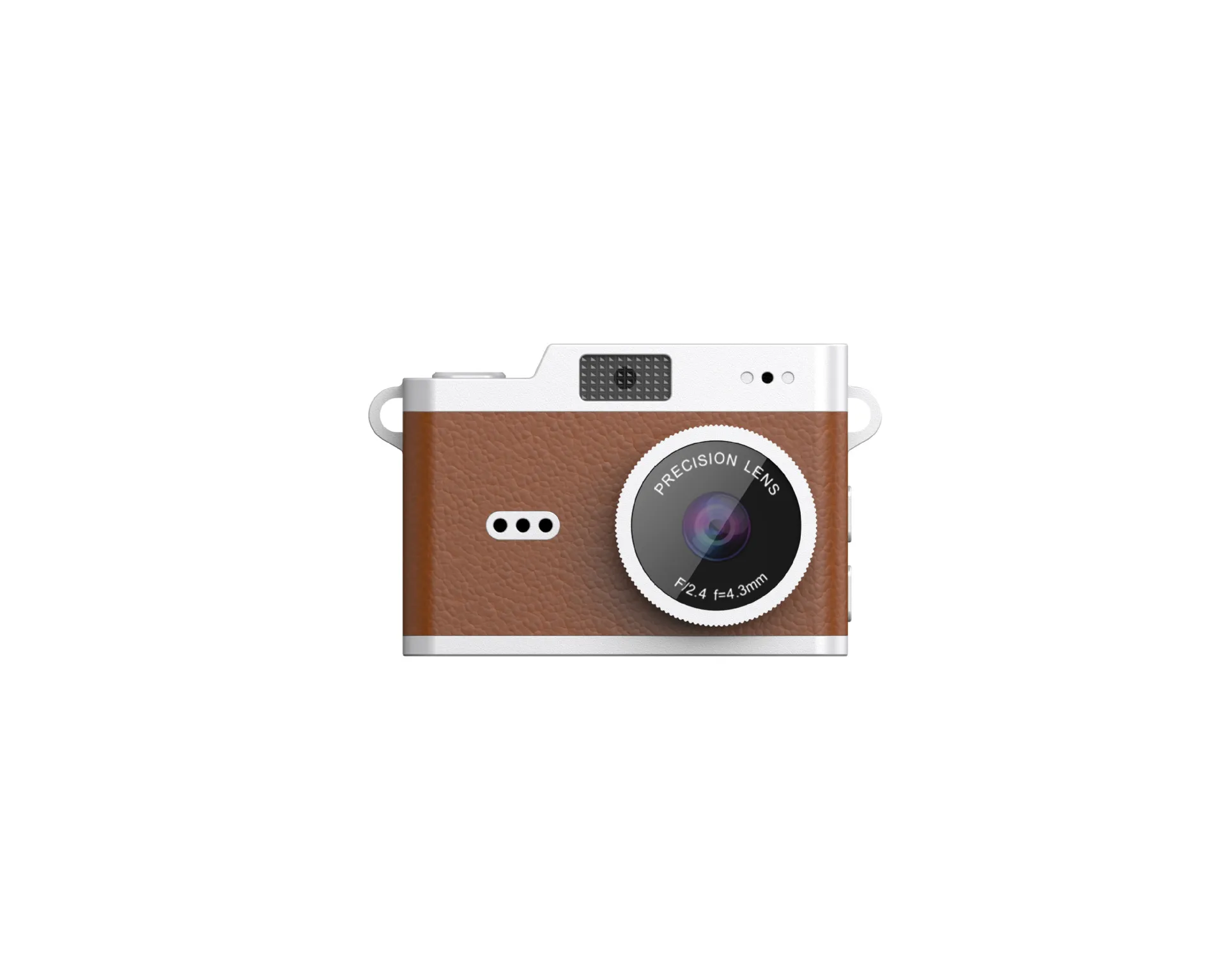
The travel answer draws on the other end of the range, and it reads as a list a traveler would write. Weight first: the compact tier carries 19.5 to 22 grams, the kind of heft a pocket forgets by the second block. Framing second: the AC-3 flip-screen compact swings out a 2.4-inch screen, so the traveler frames themselves in front of the landmark without asking a stranger. Files third: TF card storage hands the pictures to any hotel computer through any reader, with no app and no account in the path. Charging last: Type-C, the same plug as the phone, so one cable covers the whole bag.
That list is why the best digital cameras for travel search keeps landing next to the sports searches in our orders. The reseller sees the pairing as shelf logic: a sports corner with the action build and its accessories, a travel corner with the compact tier in its colors, and a customer walking between them finds one brand speaking both languages. Season one sells the games; season two sells the trips; the reorder covers both. Timing does the rest: the action build peaks when the league registers, the compact tier peaks when the flights are booked, and a shelf that restocks against those two calendars never has a dead corner.
The gift season stacks on top without adding a model. A camera that survives the trail and fits the pocket photographs as a gift with a story, and the corporate buyers who stock it for events get an object the recipient keeps using, which is longer brand life than a printed tee ever managed. The honesty point carries here as well: the VGA files on the compact tier are the classic digital look, a feature to the gift buyer and a boundary to the detail chaser, and the two shoppers never confuse themselves for each other.
From Demands to a Shortlist
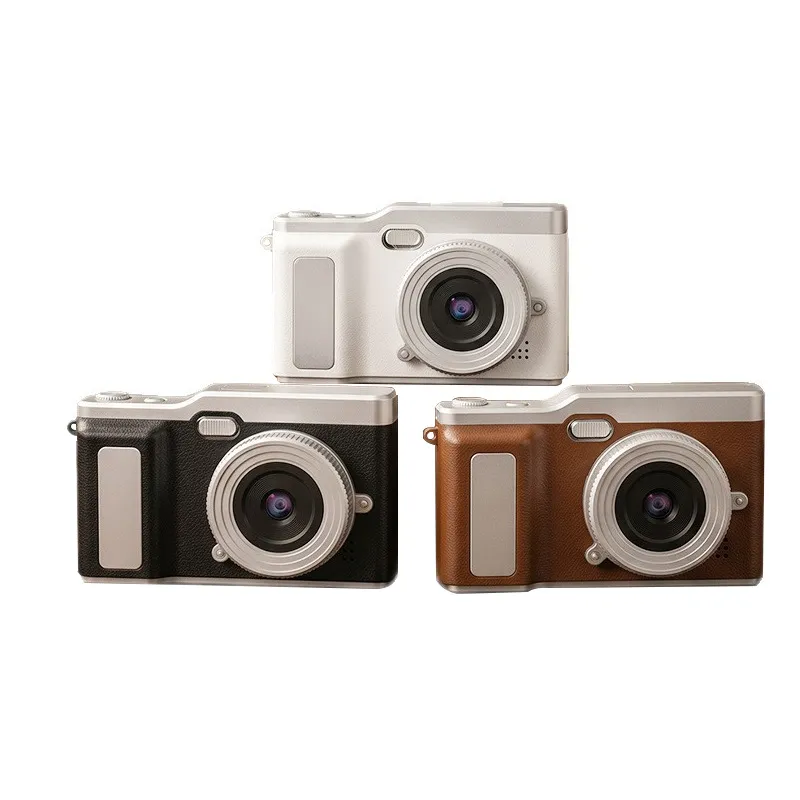
The method runs in three lines a buyer can write on a form. Line one, name the sport and its weather, and let that pick the housing: dry-land build or waterproof case. Line two, name the carry: pocket, lanyard, or mount, because the camera that rides where the sport happens is the camera that shoots it. Line three, fix the two spec lines that move the price, which are the 4K option and the housing on the action build, and the screen and color plan on the compact tier.
Customization rides on the same form. Shell colors follow the shelf plan, laser engraving carries the logo on the body, packaging art gets built from a logo file, and small-batch runs keep the first order at a size a season can test. The color mix per carton is fixed before the line starts, so the shelf arrives the way the form described it, down to the split between the two tiers.
Then the sample settles what paper cannot: the grip in a gloved hand, the screen in daylight, the file look straight off the card. Every quote in our process starts after feasibility is confirmed and a sample has been reviewed, because the demands above deserve evidence, not adjectives. A sample session covers the list in one afternoon: the mount in gloved hands, the housing under the tap, the screen against the sun, and the card in and out a dozen times.
Selling the Pair on One Shelf
The sports-and-travel pairing pays off in display and timing as much as in hardware. Season openers move the action build; holiday travel moves the compact tier; the two corners share a color story, and the color story is what turns two customers into a reorder. Importers who plan the split per carton before the season starts report the same pattern: the pair sells wider than either model alone, and the returns stay low because each customer bought for a job the camera performs.
For the e-commerce seller, the same pairing runs the listings: the sports copy leads with the wide lens, the housing, and the mount; the travel copy leads with the weight, the flip screen, and the cable story. One spec sheet feeds both listings, which halves the content work on every new store the range enters.
The Commercial Frame
The frame holds across the range: production runs 15 to 20 days, payment travels by TT (telegraphic transfer, a bank wire), and CE, FCC, CPC, and RoHS certifications stand behind every shipment. Our action camera guide covers the sports tier’s mounts and choice logic in depth, and the complete camera lineup shows where the action build sits beside the compact and pocket tiers.
Reorders run on the same rails: the spec that cleared the sample is the spec the second carton matches, and the color mix that sold in season one sets the split for season two. Importers read the sports-and-travel pairing as a container plan: the action build and the compact tier pack light, ship in cartons that hold parcel rates, and split one container across two demand calendars without doubling the SKU count. Certification papers, packaging files, and export paperwork move on their own track during production, and the paperwork is ready when the cartons are.
Send the Sport, Not the Adjectives
Tell us the sport, the weather it plays in, and the quantity your shelf needs. Send your sports camera brief to our team, and the answer comes back with the housing decision, the storage tier, and the pricing, all against the confirmed spec.
JSRD (Shenzhen Jinsheng Ruida Technology Co., Ltd.) builds compact, pocket, action, gimbal, mini, keychain, and vintage-styled cameras for overseas brands.
Email: olivialee0822@gmail.com
Phone: +86-13609069228

The JSRD Editorial Team creates practical B2B guides for importers, brand owners, and Amazon FBA sellers sourcing digital cameras from China. Our content covers OEM/ODM customization, product selection, and sourcing decisions for camera products.