A digital camera captures photos and videos on an electronic sensor instead of film. That one shift changed who gets to build products in this industry, and it is the reason a factory in Shenzhen can build cameras for overseas brands. This guide covers the camera types we manufacture, the specs that decide most purchases, the scenarios each type fits, and what ordering in bulk looks like from our floor to your warehouse.
Some basics about us. JSRD (Shenzhen Jinsheng Ruida Technology Co., Ltd.) runs a 1,100-square-meter facility with two dedicated camera production lines. More than 2,000 digital cameras leave the floor each day, and fifty to sixty staff run the lines. Our standardized system covers product design, mold making, production management, quality control, and marketing support, so one team follows your order from drawing to carton.
The buyers differ, and so do the cameras they need. A brand launching a retro compact wants custom colors and gift-ready packaging. An e-commerce seller testing a mini camera wants light volume and fast turnaround. An importer filling a seasonal catalog cares about stable specs across batches. One factory covering all of these keeps your sourcing in one place.
What Counts as a Digital Camera Today
A digital camera is any camera that captures photos or video on an electronic sensor and stores the files as data. The category has split into clear types over the years, and each type now serves a different buyer and a different shelf:
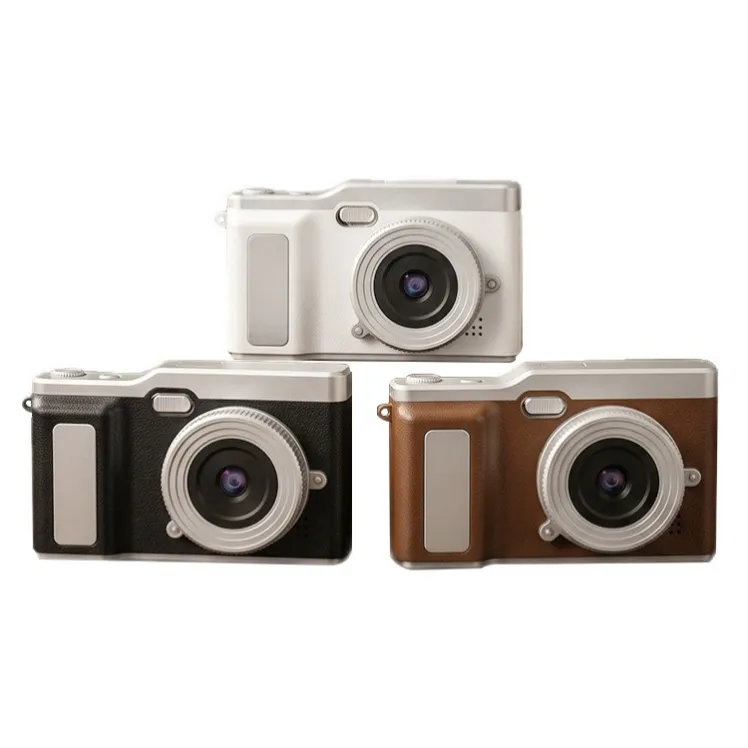
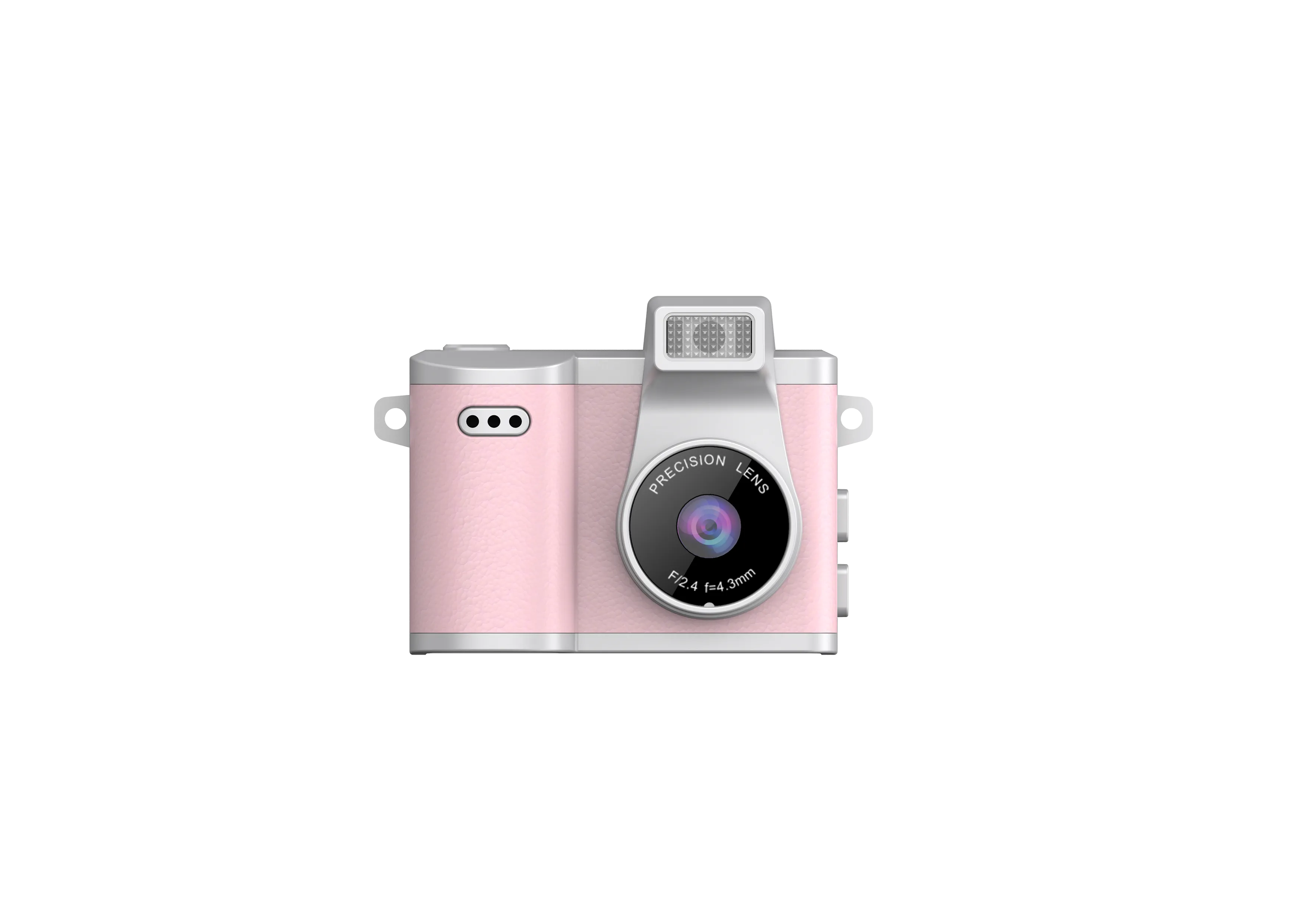
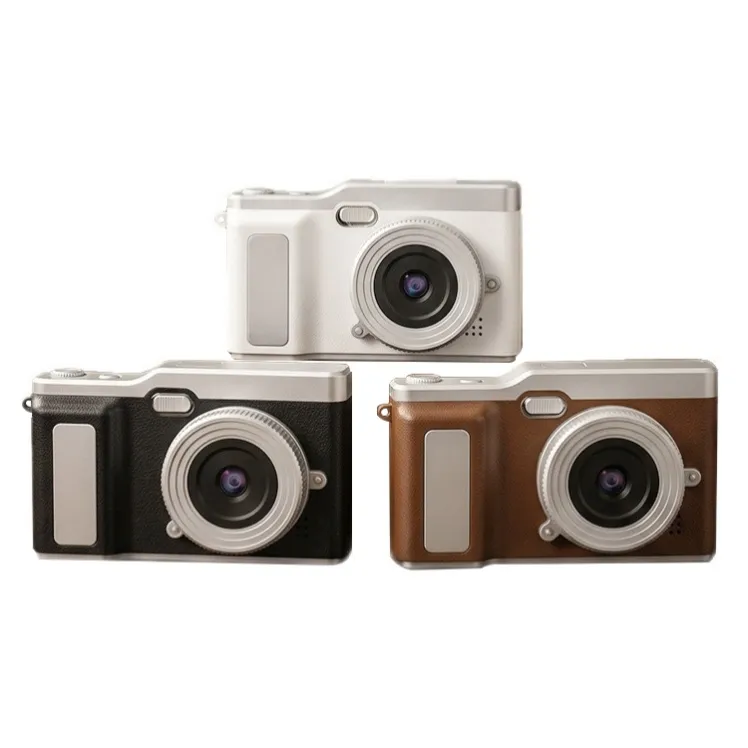
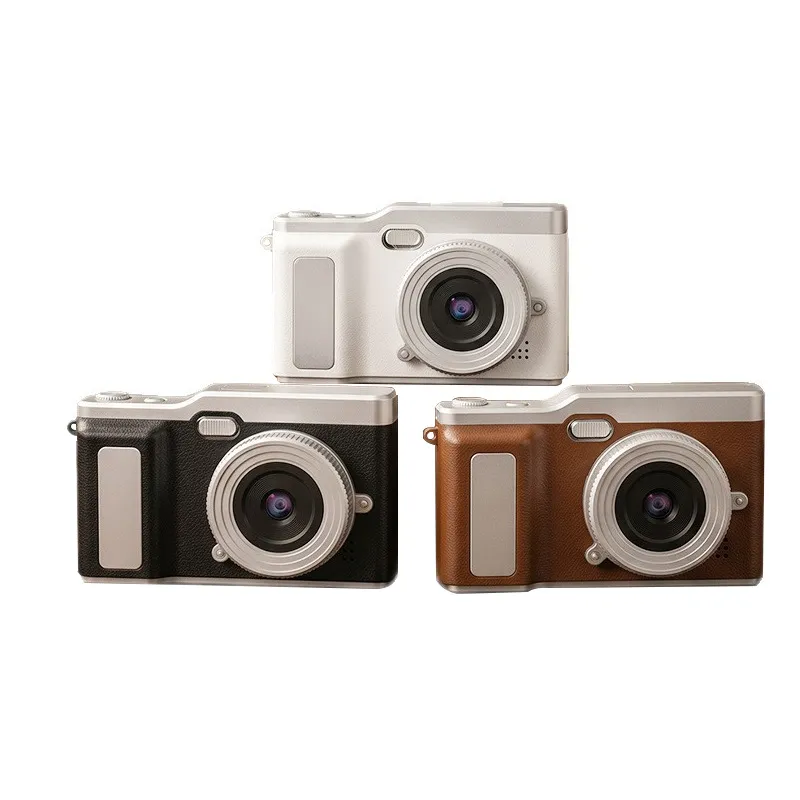
- Compact point-and-shoot cameras for casual and retro-styled shooting. Small bodies and flip screens make these the entry point for most brands.
- Action cameras for sports and hands-free recording. Thumb-size bodies mount on helmets and handlebars.
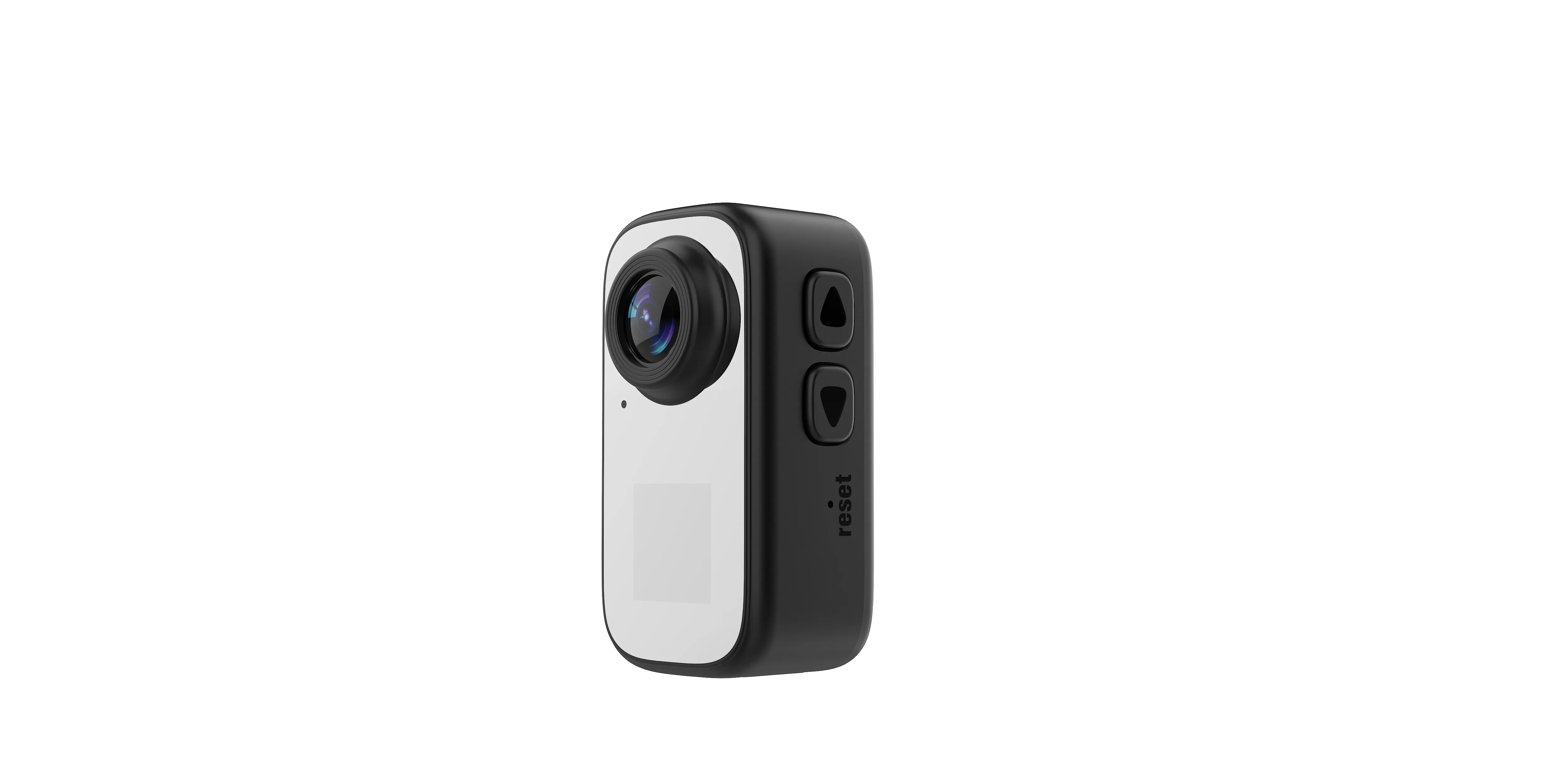
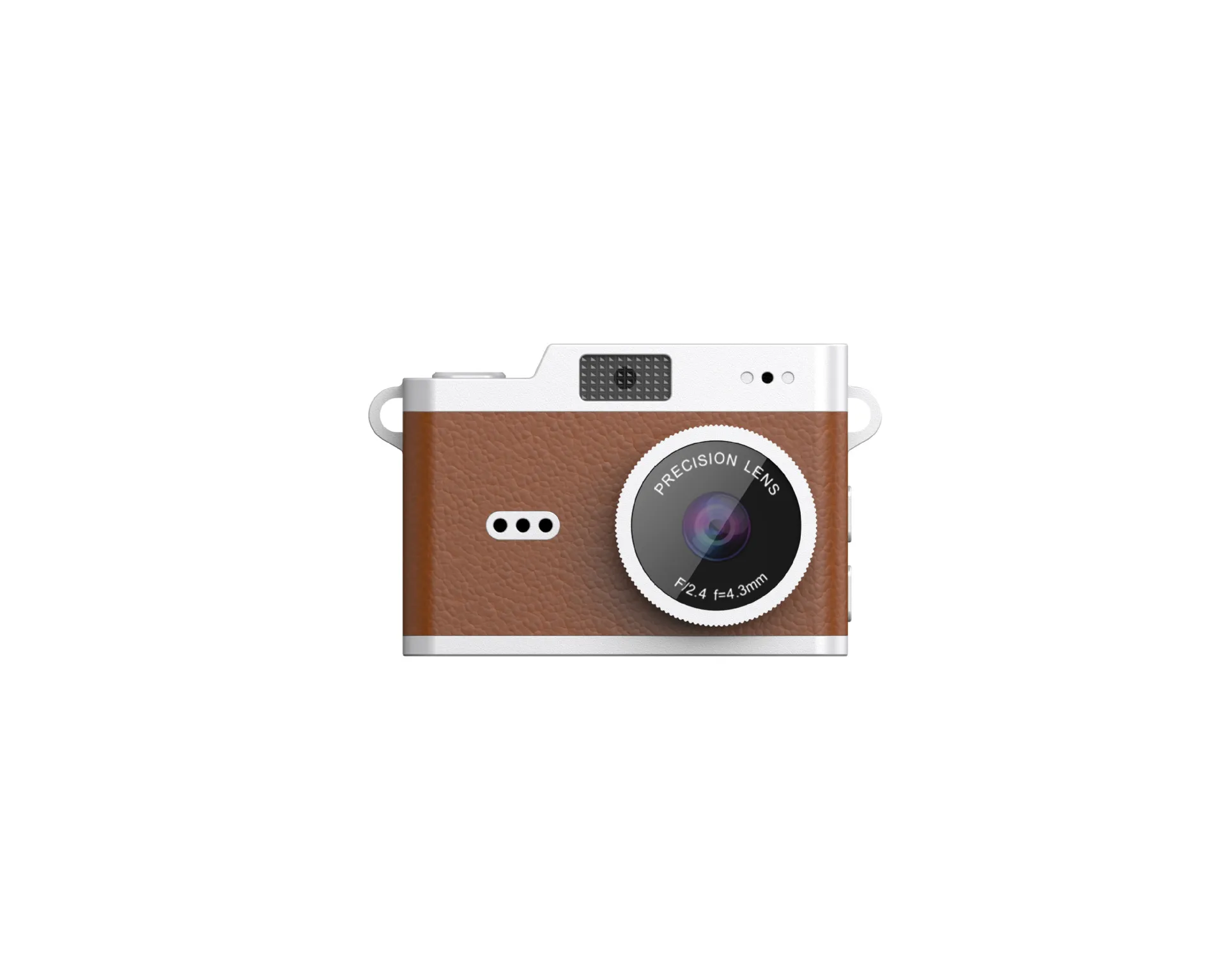
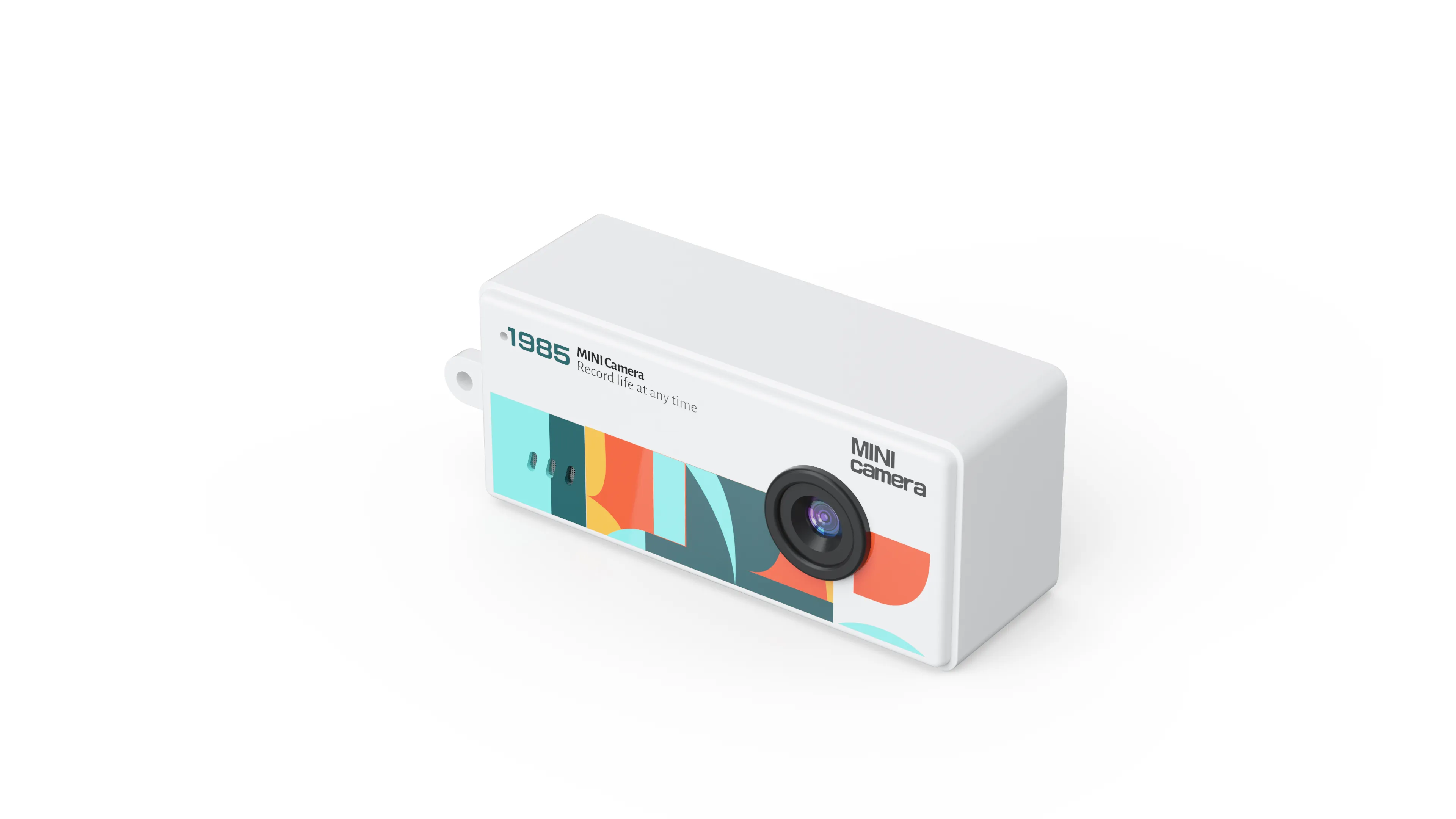
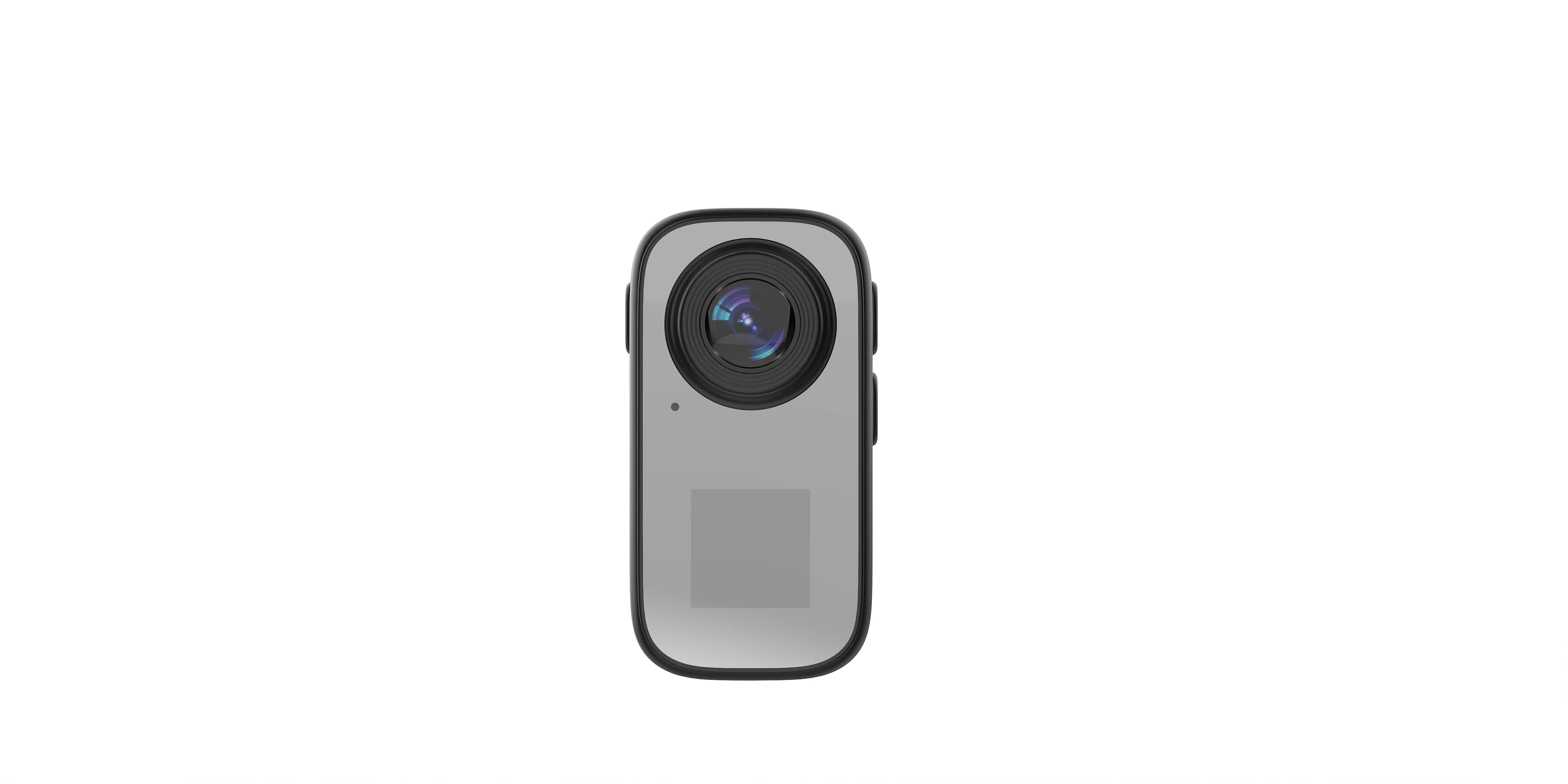
- Mini and keychain cameras for ultra-portable carry and everyday moments. These weigh 19 to 22 grams and hang on a keyring without a second thought.
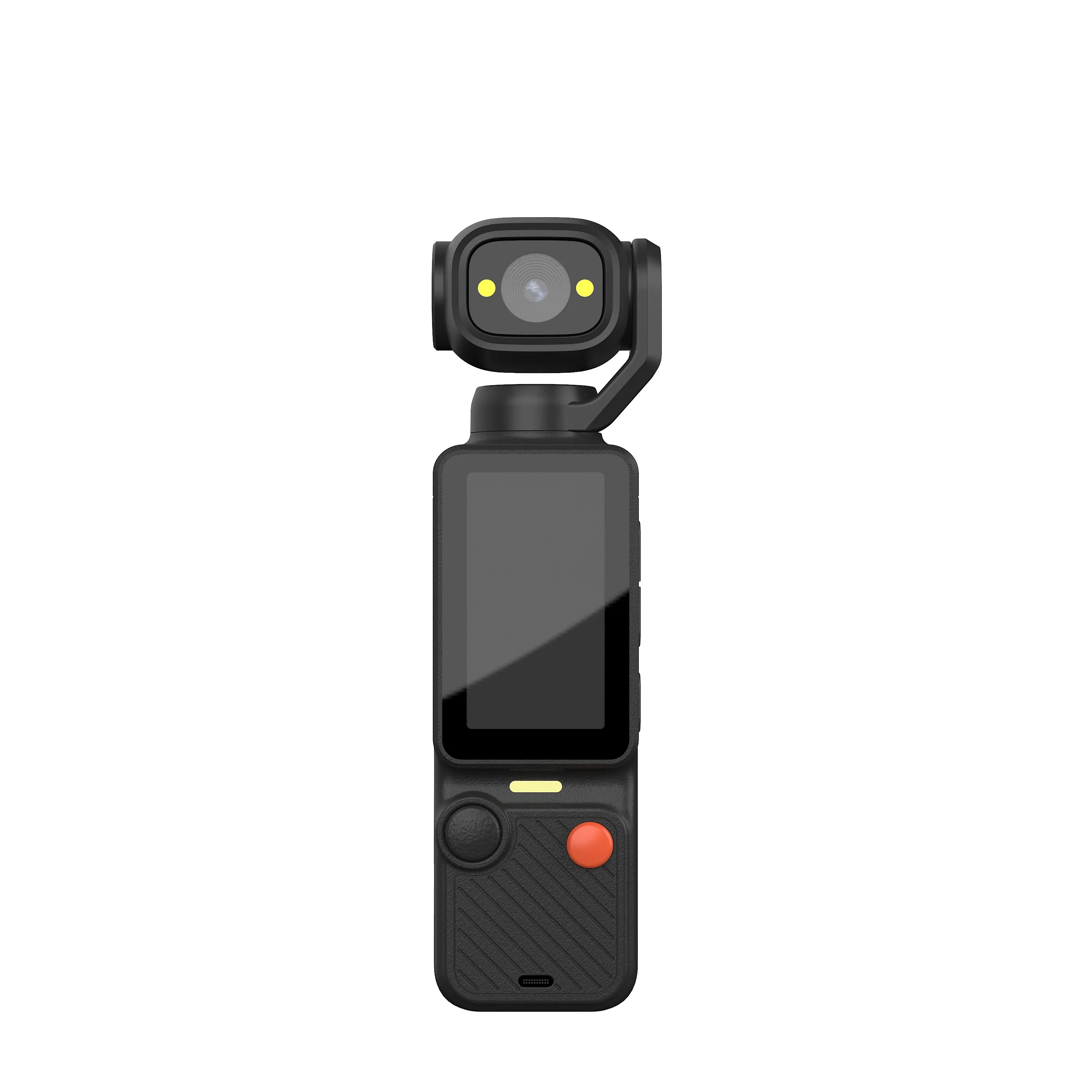
- Gimbal cameras with built-in stabilization for smooth handheld footage. A newer segment, and one we are developing now.
JSRD builds across all four types. Our lines cover the compact AC-3, the thumb-size AC-18, the ultra-light AC-5, AC-7, and AC-8, and the Pocket Gimbal in development. One team handles all of them, which keeps your reorder process simple when you carry several models at once.
The split matters for your catalog too. A retro compact draws a different shopper than an ultra-light keychain model, and a wifi action camera draws a third. Covering all of them under one brand is how a store turns a one-time buyer into a repeat one.
The type also decides the price band you can hold. Mini and keychain models sit at the entry end and sell on volume. Action and higher-spec builds take the mid and top bands and sell on features. A catalog that names its price bands before sourcing ends up with fewer dead slots.
Digital Camera Types We Build
The table below maps each model to its form factor and core hardware. Use it to shortlist the type that matches your market before we talk specs.
| Model | Type | Screen | Video | Battery | Standout Feature |
|---|---|---|---|---|---|
| AC-18 | Thumb-size action camera | Dual screen | 1080P/720P 30fps | 700mAh | WiFi app viewing; waterproof case to 30m (high-config) |
| AC-3 | Compact point-and-shoot | 2.4″ flip screen | VGA | 700mAh | 115g body; custom colors from 1,000 units |
| AC-5 | Mini camera | 0.96″ IPS | VGA | 200mAh | 19.5g ultra-light |
| AC-7 | Keychain camera | 0.96″ IPS | VGA | 200mAh | Six stock colors |
| AC-8 | Mini camera | 0.96″ IPS | VGA | 200mAh | 21g ultra-light |
Every model takes laser-engraved logos and custom packaging. The Pocket Gimbal, a handheld gimbal camera (a camera with a motorized stabilizing grip), rounds out the line and is in development now. The AC-3, with its 2.4-inch flip screen and 115g body, fits buyers who want a retro look at the entry level. The AC-5, AC-7, and AC-8 cover the ultra-light mini and keychain segment at 19.5 to 22 grams, and all three run on the same 200mAh battery and TF card (microSD memory card) storage, so accessories and after-sales stock stay interchangeable.
Specs That Decide Most Purchases
Six specs decide most camera purchases. Settle these first and the rest of the comparison gets easy:
- Image sensor. We work with CMOS (the image chip that captures light) sensors from 1/10 inch up to 1/4 inch, with pixel counts from 0.3MP to 5MP (a megapixel is one million pixels). Bigger sensors and higher pixel counts capture more detail and raise the unit cost along with them. Match the sensor to your price segment first: a gift model can sit at the light end, while an action model for outdoor brands needs the larger end of the range.
- Video resolution and frame rate. We build from VGA (the 480P baseline) up to 4K, at 15fps or 30fps (frames per second, the count of still frames recorded each second). Action and vlog buyers expect 1080P at minimum; entry and gift models can stay at VGA to hold the price down. Frame rate matters for motion: 30fps keeps handheld and sports footage smooth.
- Zoom. Digital zoom (enlargement done in software, with no lens movement) runs from 1X to 16X across our models. Higher zoom numbers on a spec sheet come from the same software trick and add pixels without adding detail.
- Screen. Screens decide the feel of the camera. Our compact model uses a 2.4-inch flip screen, the mini line uses 0.96-inch IPS panels (a panel type with accurate color and wide viewing angles), and the AC-18 adds a second screen on the front so customers can frame themselves without flipping the camera around.
- Battery and charging. Our batteries run from 200mAh on the mini models to 700mAh on the AC-18 and AC-3, and all of them charge through Type-C (the standard plug used on most phones). One cable type for your customers, wherever they travel.
- Storage. Every model records to TF cards (microSD memory cards). Support runs up to 256GB on the AC-18 and 32GB on the mini and compact models. Larger cards let your customers shoot longer without swapping files.
Sensor size interacts with lens diameter and body depth, so lock these choices as a set. Our design team reviews your spec list and confirms what fits the body size you have in mind before production starts. Weight and battery life trade against each other in a small body, and a screen upgrade changes the shell around it, which is why the list works best as one set rather than six separate picks.
How to Choose the Right Model for Your Market
Type first, specs second. Start from the shelf you want to win: retro compact, action, mini, or gimbal. Then pick the spec level that matches your price point, because a 4K video spec in a gift camera raises the cost without raising the appeal for that shopper. A high pixel count on the box helps sales, while the sensor and the lens decide the photo quality.
Check the certifications for your destination market next. CE and RoHS cover the EU, and FCC and CPC cover the US. Confirm the customization scope before you commit to artwork: body colors run from 1,000 units on models like the AC-3, while laser-engraved logos and custom packaging apply across the line. Order the accessories with the cameras as well; TF cards and Type-C cables in the same shipment keep your listings complete from day one.
Write the comparison down instead of holding it in your head. A two-column sheet with the spec on the left and your target price on the right shows within minutes which model carries its cost. Sellers who skip this step discover the mismatch after the container lands, when the margin is already set.
A phone handles snapshots for most people, though print work and low light ask for a dedicated digital camera. That gap explains why the category holds its shelf space in 2026 and why your customers keep coming back.
Where These Cameras Get Used
The same camera serves different jobs in different markets. Buyers ask for these four most often:
- Retro and Y2K fashion. The AC-7 card camera carries a 0.96-inch IPS screen, weighs 22 grams, and comes in six stock colors. Young shoppers treat it as a fashion piece first and a camera second; custom colors turn the trend into your own look.
- Vlogging and selfie shooting. The AC-3 pairs a 2.4-inch flip screen with a 115g body, so customers frame themselves without a mirror or a second person.
- Action and outdoor clips. The AC-18 records 1080P at 30fps through a 123-degree wide-angle lens, mounts on helmets and handlebars, and takes a waterproof case rated to 30 meters on the high-configuration version.
- Everyday carry. The AC-5 and AC-8 weigh 19.5 and 21 grams. A camera that light lives in a coat pocket or on a keyring, the natural spot for an add-on item in your catalog.
Corporate gifting runs through all four scenarios. A camera in a gift box ships light and carries a logo, which is why gift buyers sit in our inquiry list next to brands and importers.
Timing matters as much as the scenario. Gift-oriented models sell hardest in the fourth quarter, and retro models ride trend cycles that build over months. An order placed ahead of the peak leaves room for the 15-to-20-day production cycle.
Wireless Models and Connectivity
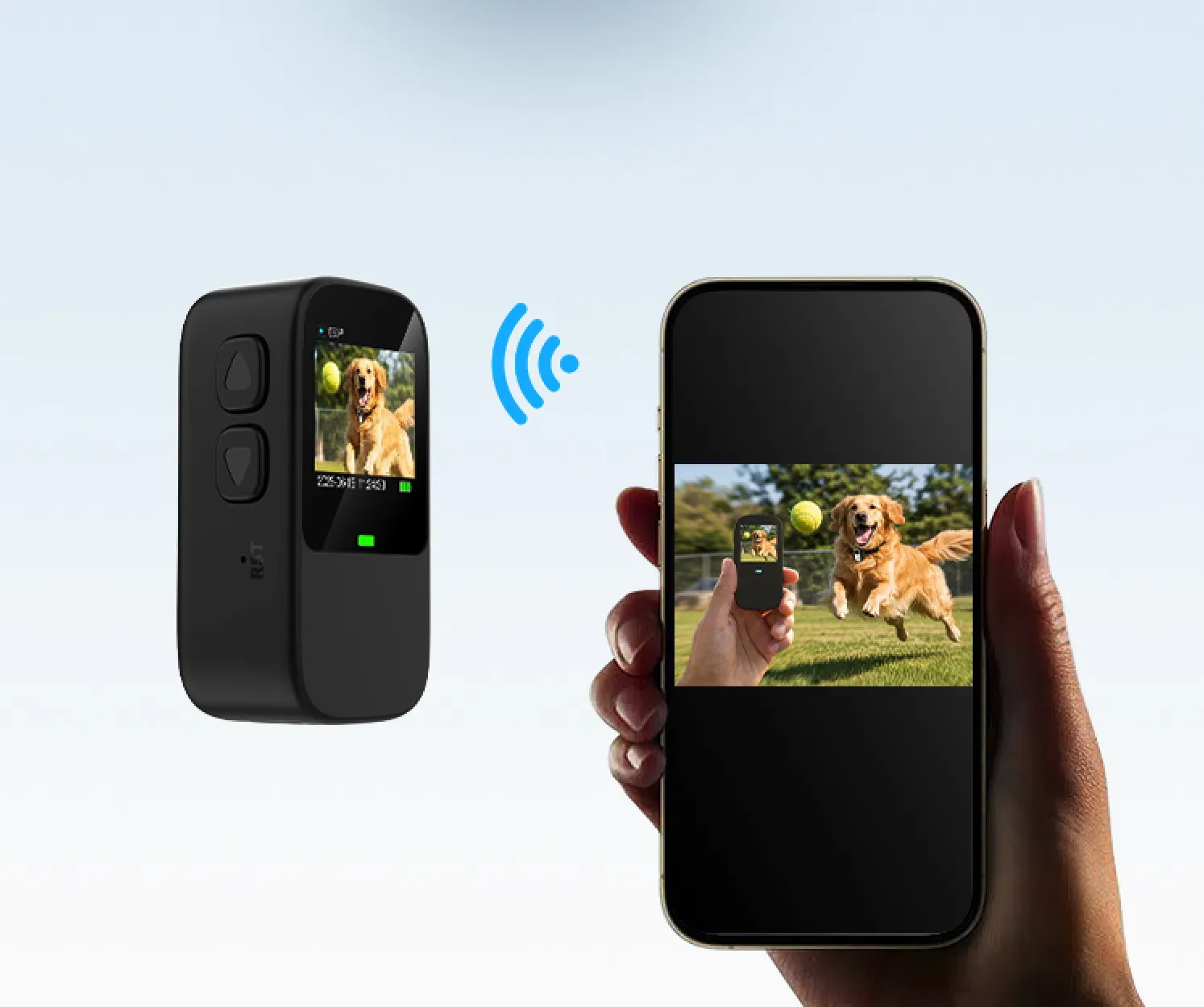
Wireless separates a modern digital camera from a plain one. The AC-18 connects over 2.4GHz WiFi (the standard band for short-range connections) and streams live video to a phone app within 10 meters. Your customers frame shots from a distance and move files to a phone for same-day posting, all without pulling a cable.
The 10-meter range covers the cases your customers shoot: a kitchen counter while the cook stays out of frame, or a campsite view from the tent. The hardware holds up as well: the AC-18 runs a 2MP CMOS sensor with a dual screen for framing from either side, and the 700mAh battery charges over Type-C.
One boundary worth naming: these models stream over WiFi, and we do not build 4G or 5G cellular versions. Buyers who need a live feed from a remote site plan a WiFi hotspot into the setup, and the camera handles the rest.
Two questions separate real wireless models from weak ones: which band the camera uses, and how far the live view reaches. The AC-18 answers both on its spec sheet: 2.4GHz for the connection and 10 meters for the app view. Get those two numbers from any supplier before you compare prices on the rest of the spec.
The AC-18 thumb action camera product page lists the full spec, including TF card support up to 256GB.
Ordering Digital Cameras in Bulk
Three cooperation routes fit different stages of your business:
- White-label. You take our existing camera models and put your brand on them. This is the fastest route to market when you want to test a design.
- OEM. Your brand goes deeper: laser-engraved logos, custom packaging, and custom body colors. Body colors run from 1,000 units on models like the AC-3.
- ODM. We develop a product to your brief, from housing design onward, when the product itself has to be yours.
The commercial terms stay short. Production runs 15 to 20 days, and payment goes by TT (telegraphic transfer, a bank-to-bank wire). Support continues after the cameras ship: small-batch customization, logo swaps, laser engraving, artwork support for packaging, shipping support, online operation support for your listings, and after-sales service once units reach your customers.
If you are unsure which route fits, start with the smallest run that tests your market. Scale into OEM and ODM as your sales grow. First orders mix models as well: one action camera for the sports shelf and two minis for add-on sales, so the catalog opens with a full wall. The full product range shows each model with photos and specs, so you can shortlist two or three before you write to us.
Quality Control and Certifications
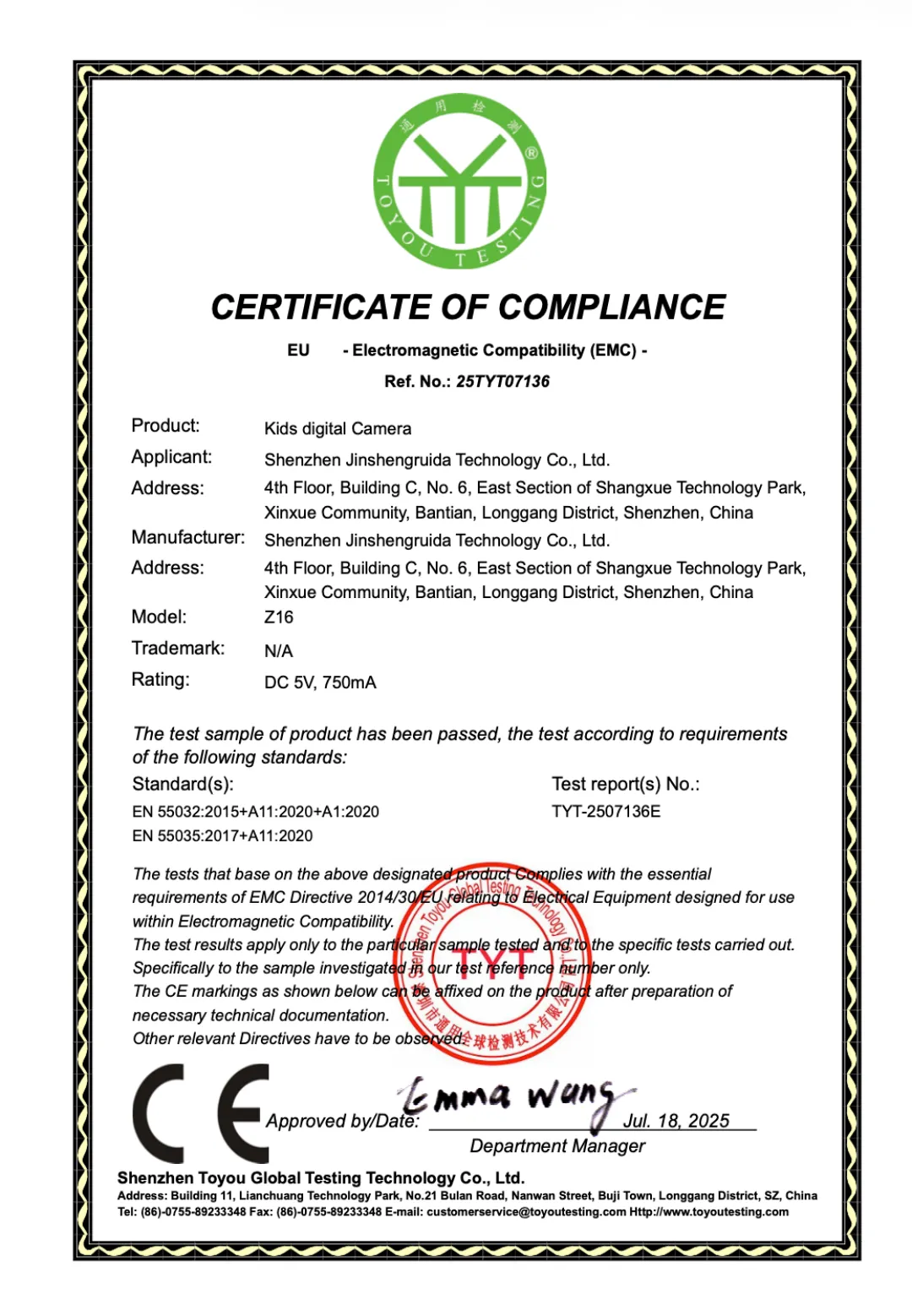
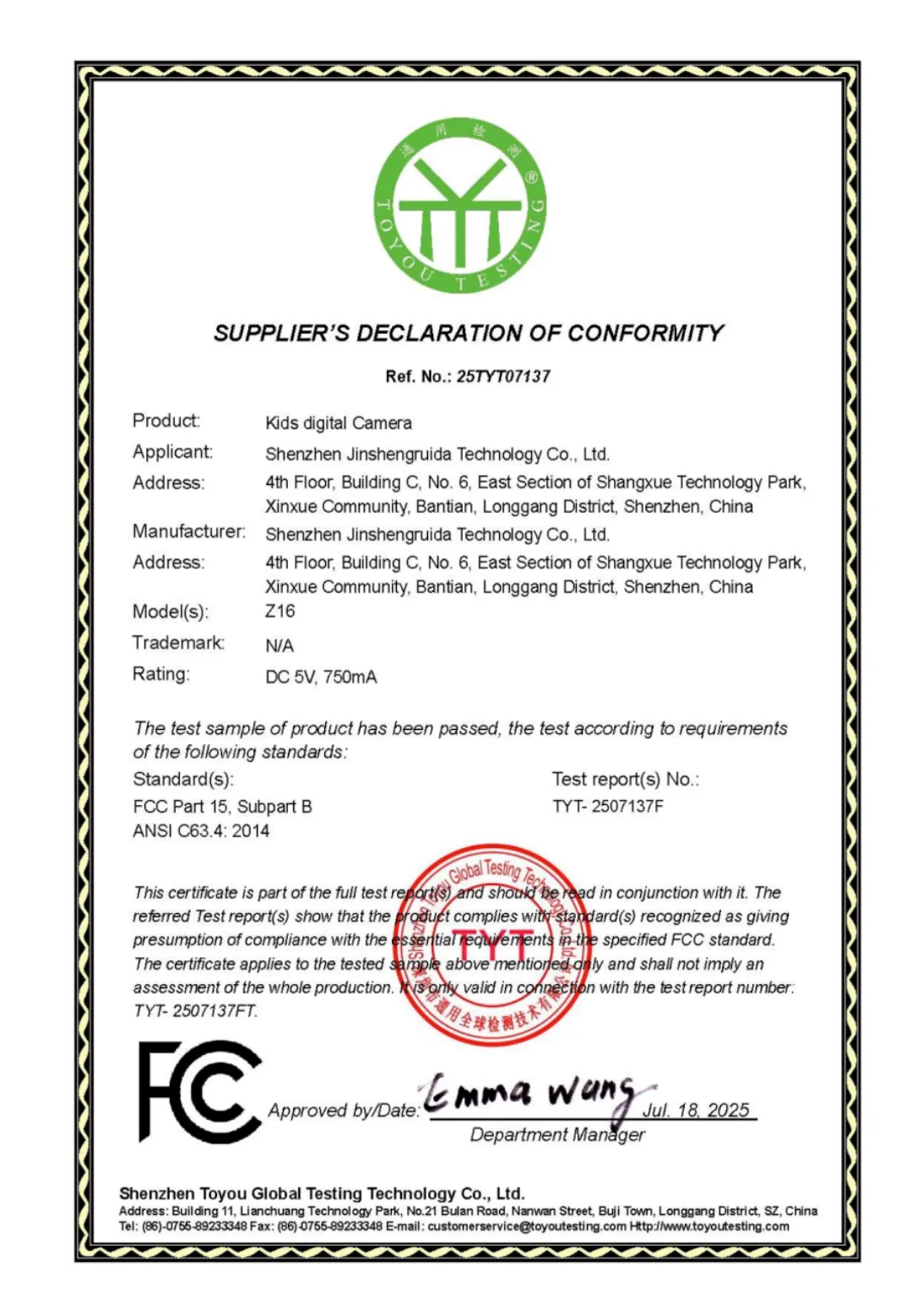
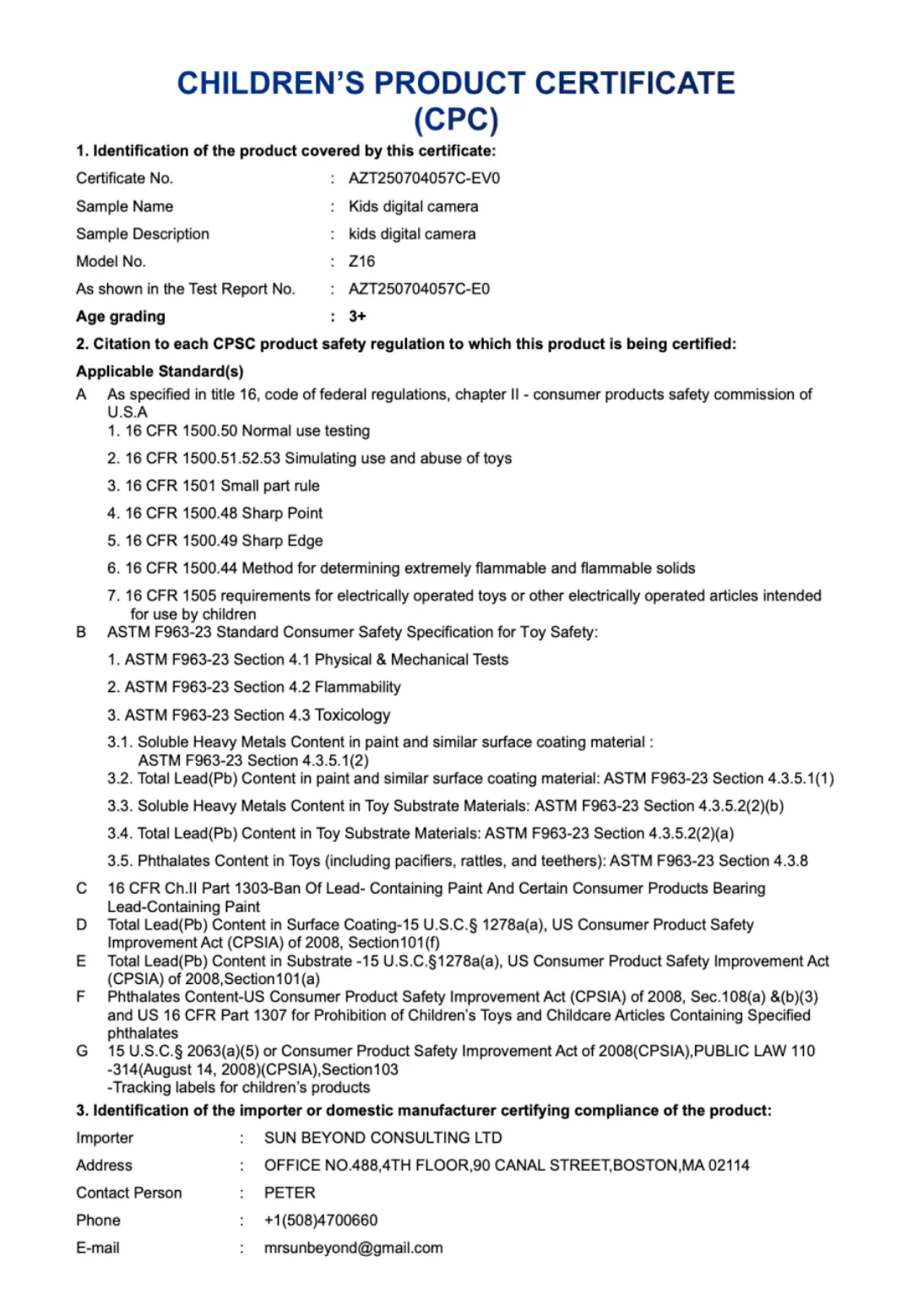
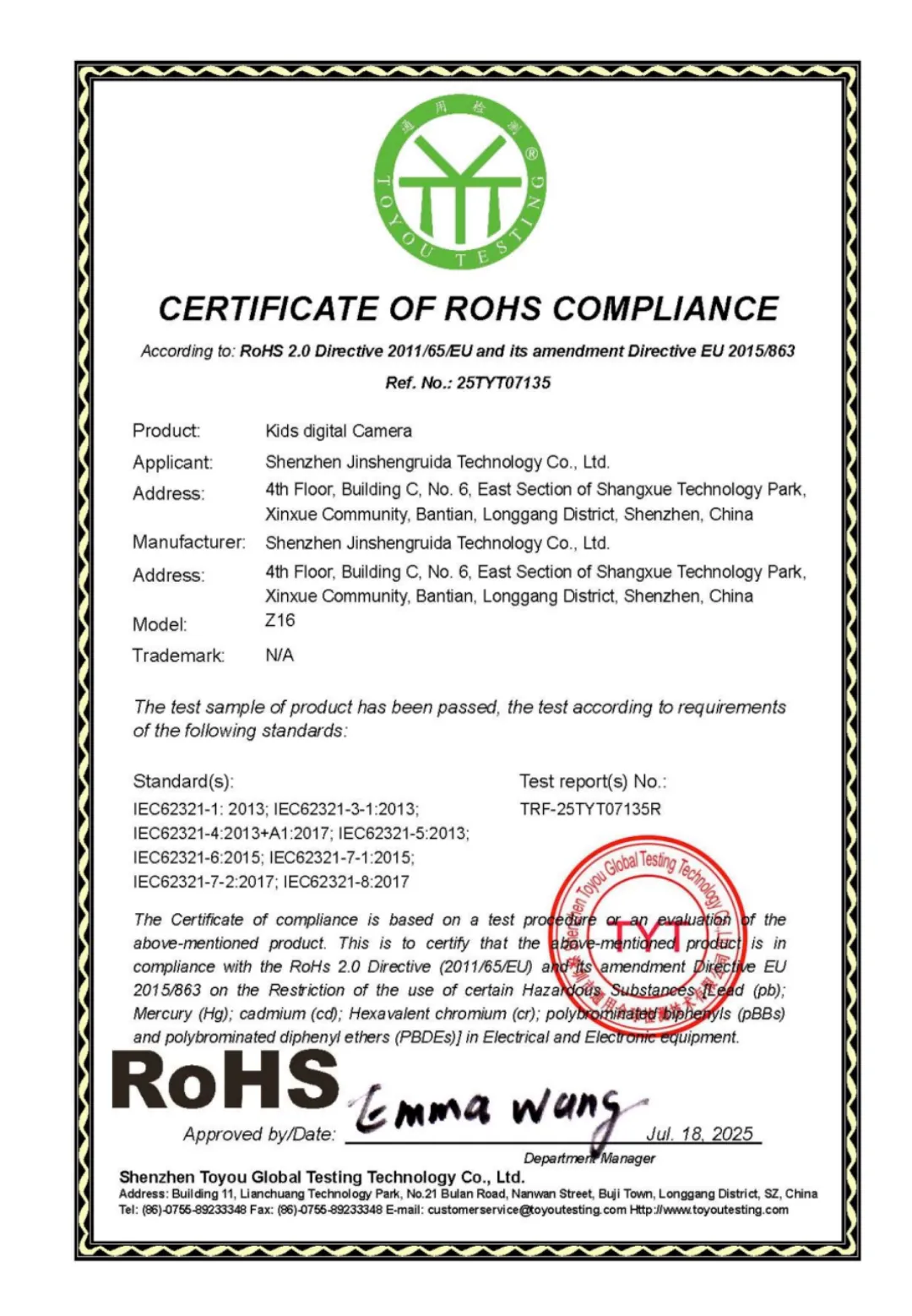
Quality control runs under the same standardized system as production. Two camera lines work with dedicated production and testing equipment, and the same system follows your order from design through packing. We hold CE, FCC, CPC, and RoHS certifications: CE and RoHS cover the EU market, FCC covers the US, and CPC (the Children’s Product Certificate, required in the US for products aimed at children 12 and under) covers gift and toy-channel listings. Ask for document copies before you pay and match each one to your destination market. Our About page covers the facility in more detail.
 |
 |
 |
 |
How Buyers Search for These Cameras
Buyers type the same need in many ways. Keyword tools log the fragments: camera digital, cameras digital, digitals camera, camera camera & digital, digital. camera. The spelling changes and the need does not: a working camera from a factory that stands behind the product. That is who this guide is for.
Common Questions
Which certifications do the cameras carry?
CE, FCC, CPC, and RoHS. Ask for document copies with your quote and match each one to your destination market.
Can I put my own brand on the cameras?
Yes. Laser-engraved logos and custom packaging apply across the line, and custom body colors run from 1,000 units on models like the AC-3.
Do you support small-batch orders?
Yes. Small-batch customization is a core service. Tell us the quantity you have in mind and we will confirm what the model supports.
How long does production take?
The standard production cycle runs 15 to 20 days.
Do your cameras connect to a phone app?
The AC-18 does. It connects over 2.4GHz WiFi and streams live video to a phone app within 10 meters. The compact and mini models store files to TF cards without app pairing.
Are you a factory or a trading company?
We are the factory. The two production lines, the testing equipment, and the design work all sit in one 1,100-square-meter building in Shenzhen.
What should I include in my inquiry?
The model or spec you have in mind, target quantity, destination market, and target price. Packaging ideas or certification needs help as well.
Do the cameras work without a phone?
Yes. Every model records to a TF card on its own. The app on the AC-18 adds live viewing and file transfer, and the camera records with or without it.
What resolution should I start with?
Match the resolution to the shelf. VGA keeps gift and entry pricing low, 1080P at 30fps suits action and vlog models, and 4K sits at the top of our range.
What is the difference between white-label, OEM, and ODM?
White-label puts your brand on our existing models. OEM adds your packaging and colors. ODM changes the product itself, developed to your brief.
Start Your Digital Camera Program
Tell us the market, the quantity, and the model, and we will come back with feasibility and pricing. Packaging references or a brand book speed the artwork up if you have them. Send your project details to our team.
JSRD (Shenzhen Jinsheng Ruida Technology Co., Ltd.) builds compact, mini, keychain, action, and gimbal cameras for overseas brands.

The JSRD Editorial Team creates practical B2B guides for importers, brand owners, and Amazon FBA sellers sourcing digital cameras from China. Our content covers OEM/ODM customization, product selection, and sourcing decisions for camera products.