A wholesale buyer who types the best vintage digital camera into a search bar wants a body that reads as a 2000s card camera on the shelf and arrives with the same spec next season. Vintage styling comes from a new production run, and our Shenzhen plant builds more than 2,000 units a day across two camera lines, so the style decision and the reorder decision stay on one spec sheet. This guide covers the bodies that carry the look, the tiers a buyer can order, and the claims a listing can support.
Two Routes Into a Vintage Camera
Buyers arrive from two directions. One group wants a used original that came out of an earlier period, and the condition of that unit decides the price. The other group wants a new production run that copies the styling cues of that period and still clears today’s certification checks. The vintage camera sourcing guide separates the two routes, including how to inspect a used unit and why a new build needs a different label. Everything below covers the second route: bodies we build now, in a configuration that repeats.
The Bodies That Carry the Look
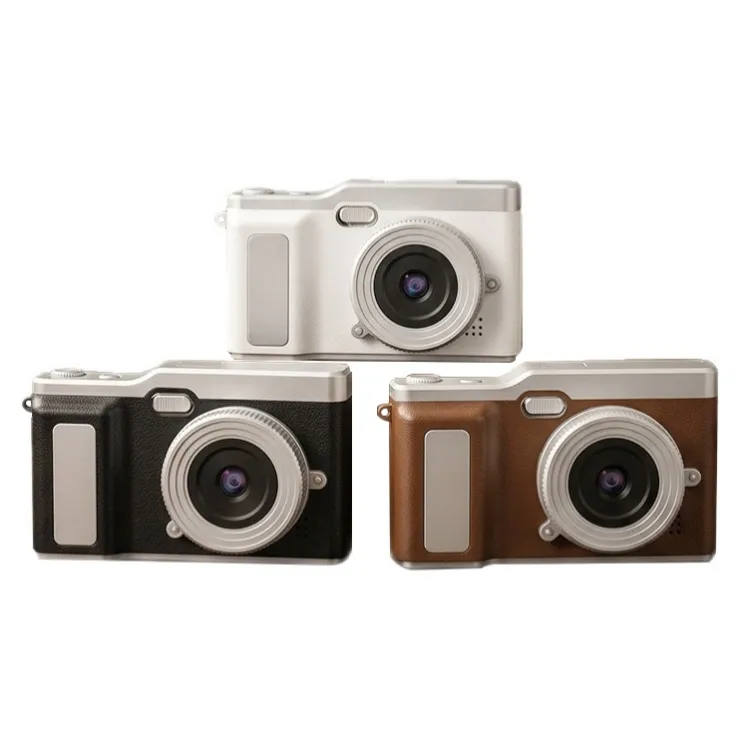
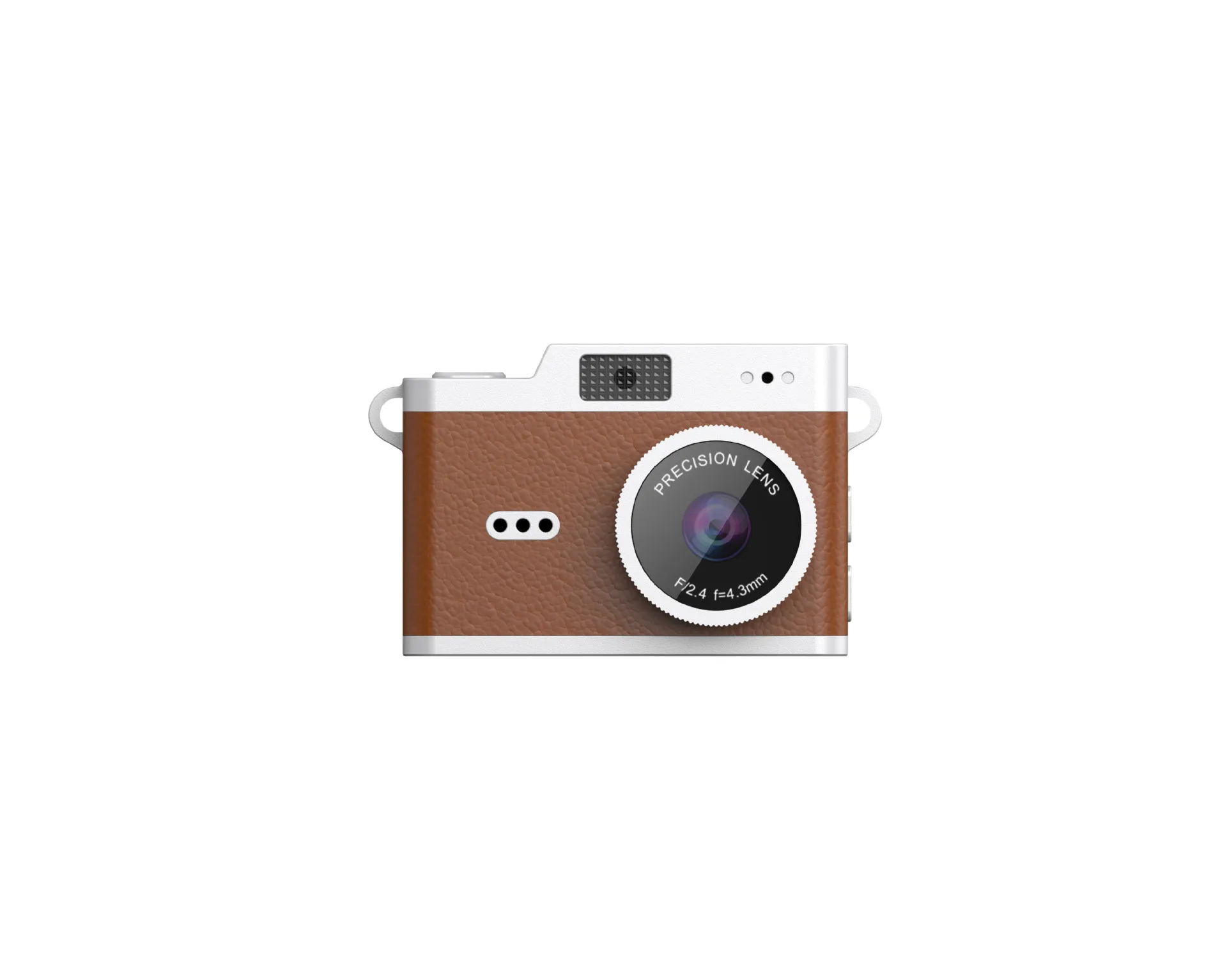
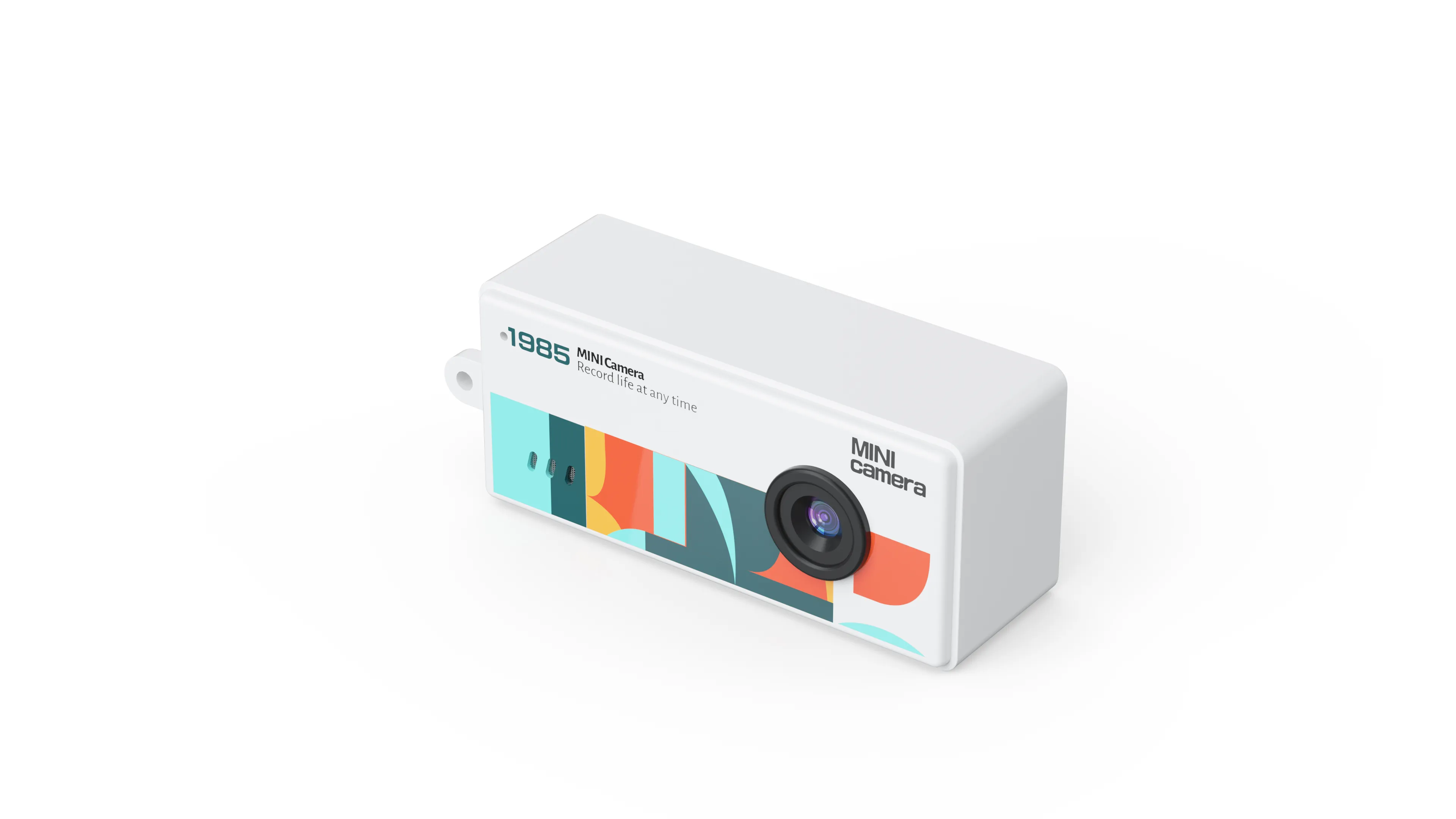
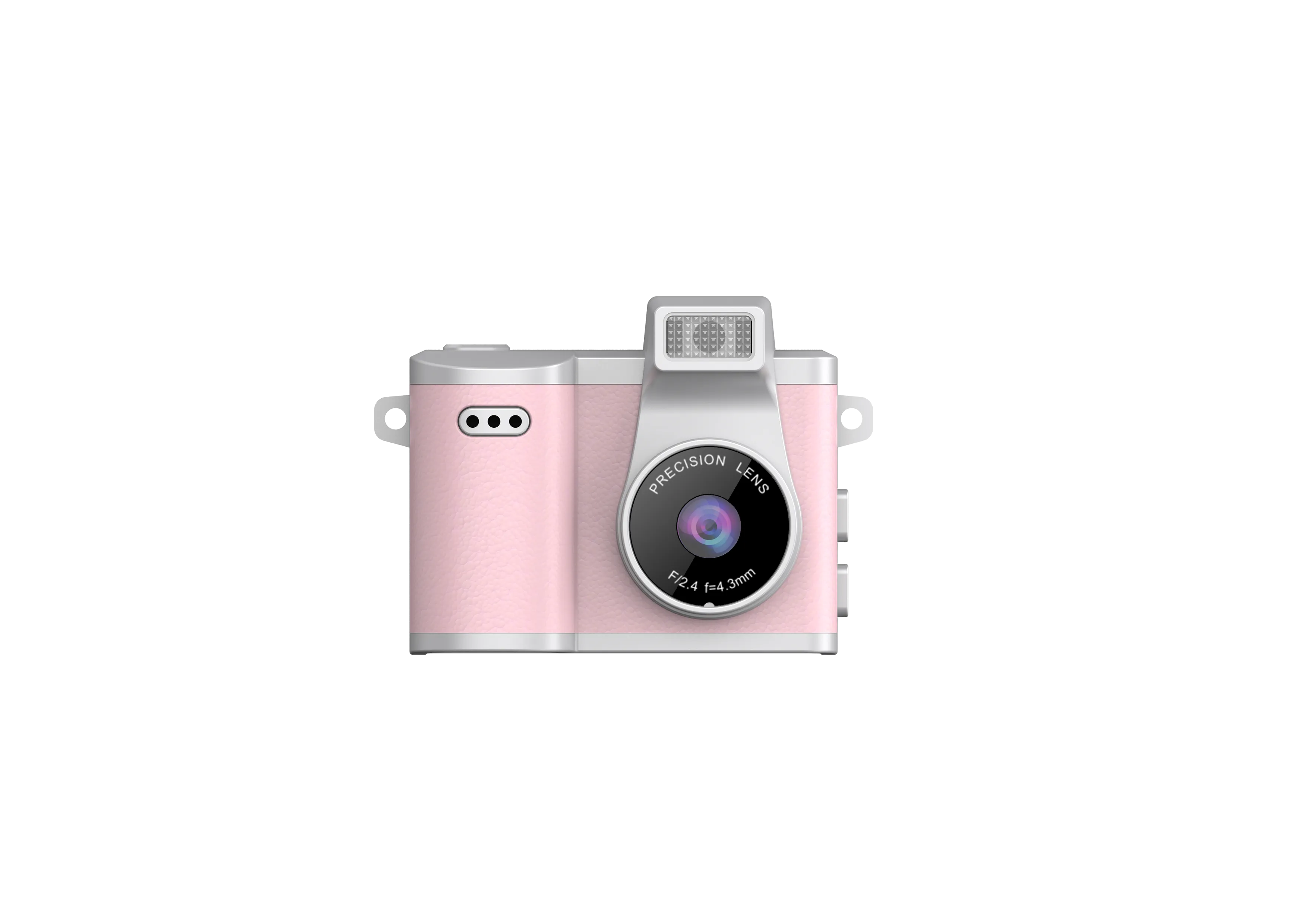
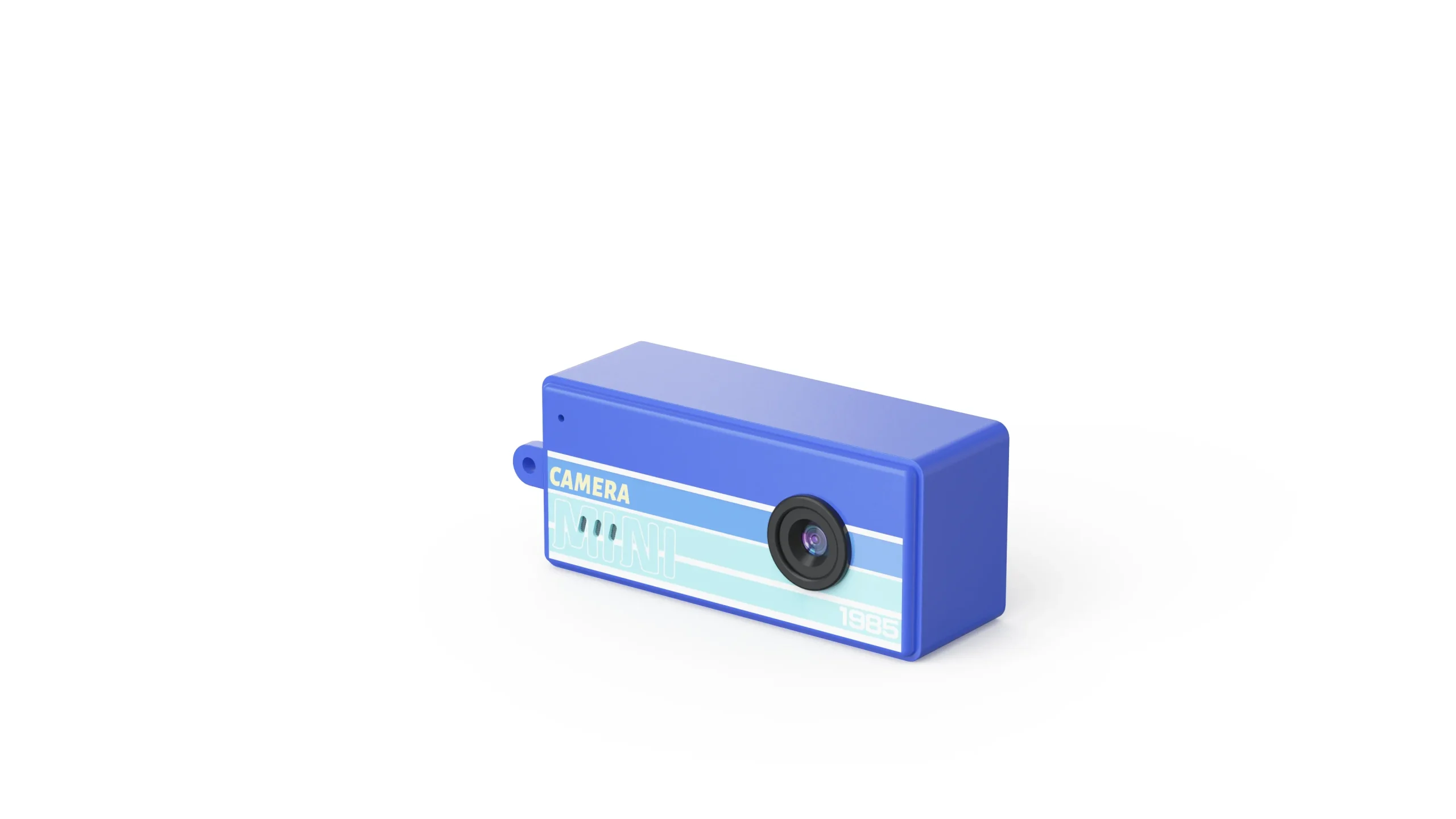
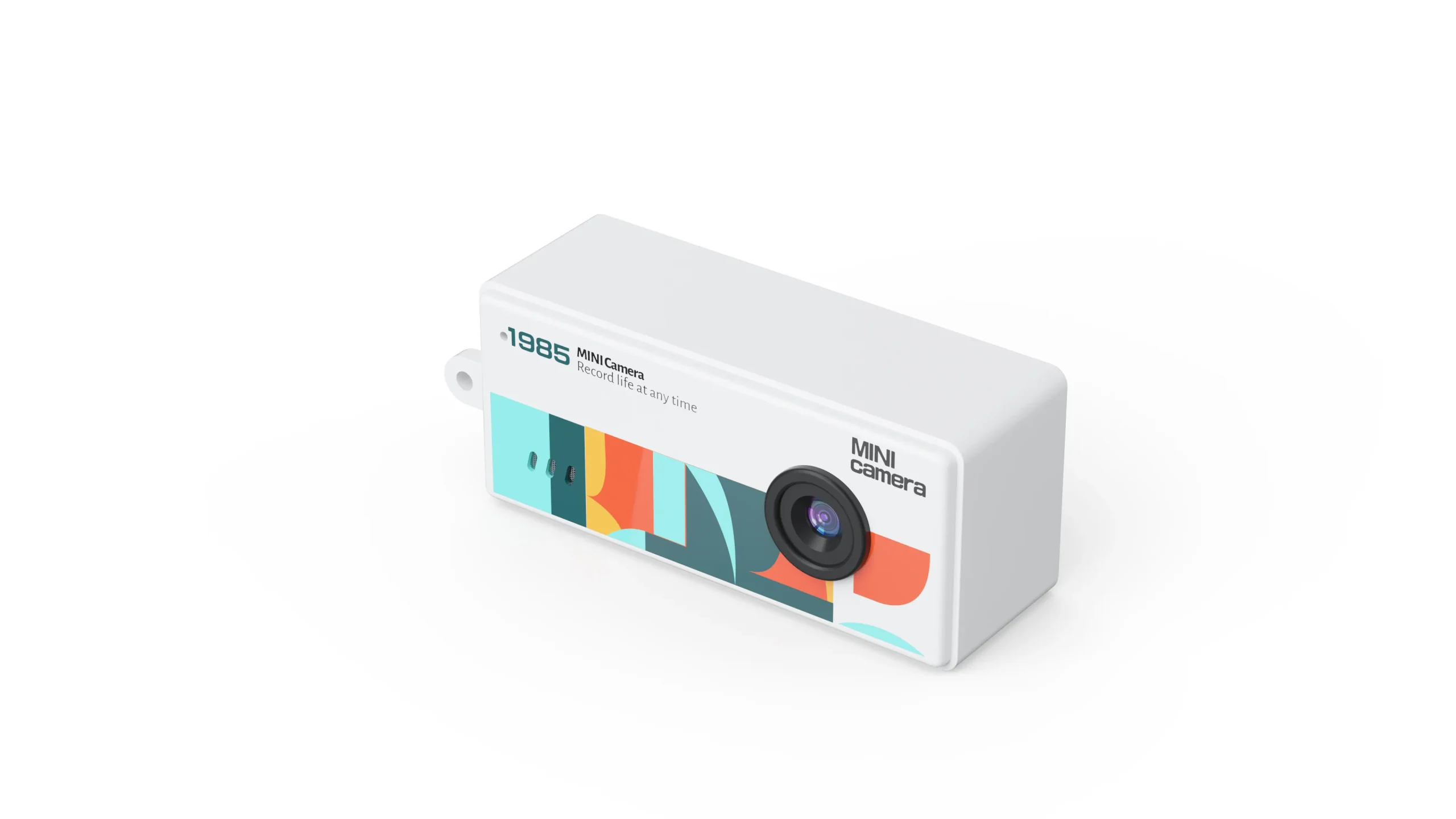
The card body does the work. A best retro digital camera search lands on a flat shell with a front flash, a small lens window, and a printed panel, and our AC-7 card camera fits that description at 22 grams with six stock colors. The shape does the shelf work on its own, so a listing photo carries the style before a shopper reads a spec line. Buyers who search the best vintage digital camera phrase want that shell rather than a modern body with a retro filter applied afterward.
Finish and color decide the rest of the shelf. Ranges of good vintage digital cameras need more than one shell, and a search for cool vintage digital cameras leads toward the saturated finishes. The AC-7 covers six stock colors, and the AC-5 and the AC-8 round out the same card family at 19.5 and 21 grams. Order a mixed carton and the wall reads as a set instead of a clearance bin.
Style wording shifts with the buyer. A best old school digital camera query asks for the found-object feel, and a good vintage digital camera search asks for a body that reads old on a shelf and still carries a current spec sheet. Both land on the same shell, because the period cues sit in the housing and the printed panel.
Placing the words in a different order sends the same shopper to the same shelf. A buyer who types best digital vintage camera wants the model that sits on a gift table, and a buyer who types best digital vintage cameras plans a carton. Our AC-7 answers both, in single units and in mixed orders.
Matching a Body to the Program
The card bodies differ in weight more than in features, so the tier decision starts with the number on the spec sheet. Each one runs a 0.96-inch IPS screen, a 200 mAh cell, and TF card storage up to 32 GB, with charging over Type-C. The AC-3 sits apart from them: a 2.4-inch flip screen and a 700 mAh cell for a buyer who wants a preview panel on the device. Two details carry the period read on the card bodies: a raised flash bump above the lens, and a printed front panel.
| Model | Body | Screen | Weight |
|---|---|---|---|
| AC-7 | Retro card body, six stock colors | 0.96-inch IPS | 22 g |
| AC-8 | Card body | 0.96-inch IPS | 21 g |
| AC-5 | Card body, lightest build | 0.96-inch IPS | 19.5 g |
| AC-3 | Flip-screen body | 2.4-inch HD IPS | 115 g |
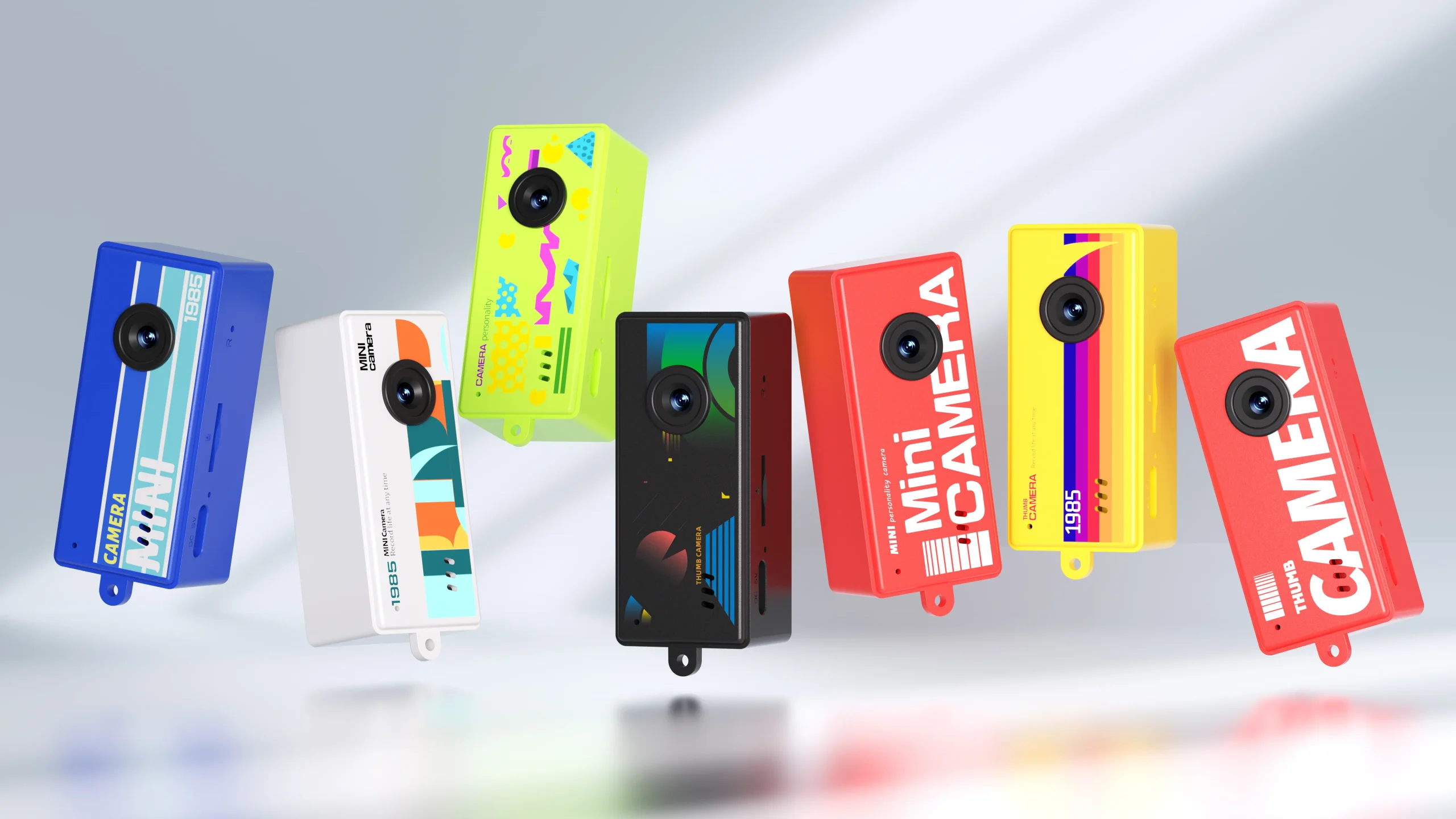
Weight decides which program a body fits. A buyer who asks for the best digital retro camera for a pocket or a lanyard starts at the lightest shell and works up. A buyer stocking best vintage digital cameras across a wall starts with the color count, then picks the weight band that the shelf price supports. Both decisions run through the same production line.
Carton-level buyers phrase the same request in the plural. A search for best retro digital cameras asks for a mixed order, and a search for cool retro digital cameras asks for the shelf that photographs well next to a phone. We pack a mixed-color carton per order, so a display program can draw on one body family.
Gift programs work from a price band, and the wording changes with the budget. A good retro digital camera sits at a lower tier than a premium ask, and a best budget vintage digital camera lands on the same card bodies with fewer colors. Confirm the target shelf price before the sample, because the tier decides the color count.
Student and first-time buyers arrive through a different door. A best affordable vintage digital camera search points at the entry tier, and a best vintage digital camera for beginners search points at the same bodies with a simpler brief: press the shutter, check the card, charge over Type-C. The AC-3 covers the buyer who wants a preview panel on the body.
What the Files Look Like
The files set the limit on what a listing can promise. A VGA sensor at 640 by 480 pixels produces an early-digital file with a period character, and no shell changes that. Buyers who ask for the best digital camera for retro pics want that look confirmed on original files, so the sample photo evaluation guide covers how to shoot a matched set and what to say about the result. Leave any promise of film equivalence out of the listing, because the sensor does not deliver one.
Wholesale vintage digital camera recommendations hold only when the specification behind the shelf holds too. Write down the body and the screen size for each tier, plus the cell capacity and the card limit, and keep that record with the order. A reorder that arrives with a different screen or a different cell capacity breaks the shelf plan and the sample the buyer approved.
Order Terms and Next Steps
Order terms decide whether a tier holds. Custom colors on the AC-3 start at 1,000 pieces per color, and production runs 15 to 20 days at our plant. Certifications come first, with CE and FCC for most programs and RoHS alongside them; CPC joins the list when the product reaches young buyers. Ask for the certificate numbers in writing before a deposit. Payment runs by TT, and logo printing with laser engraving support small batch custom orders.
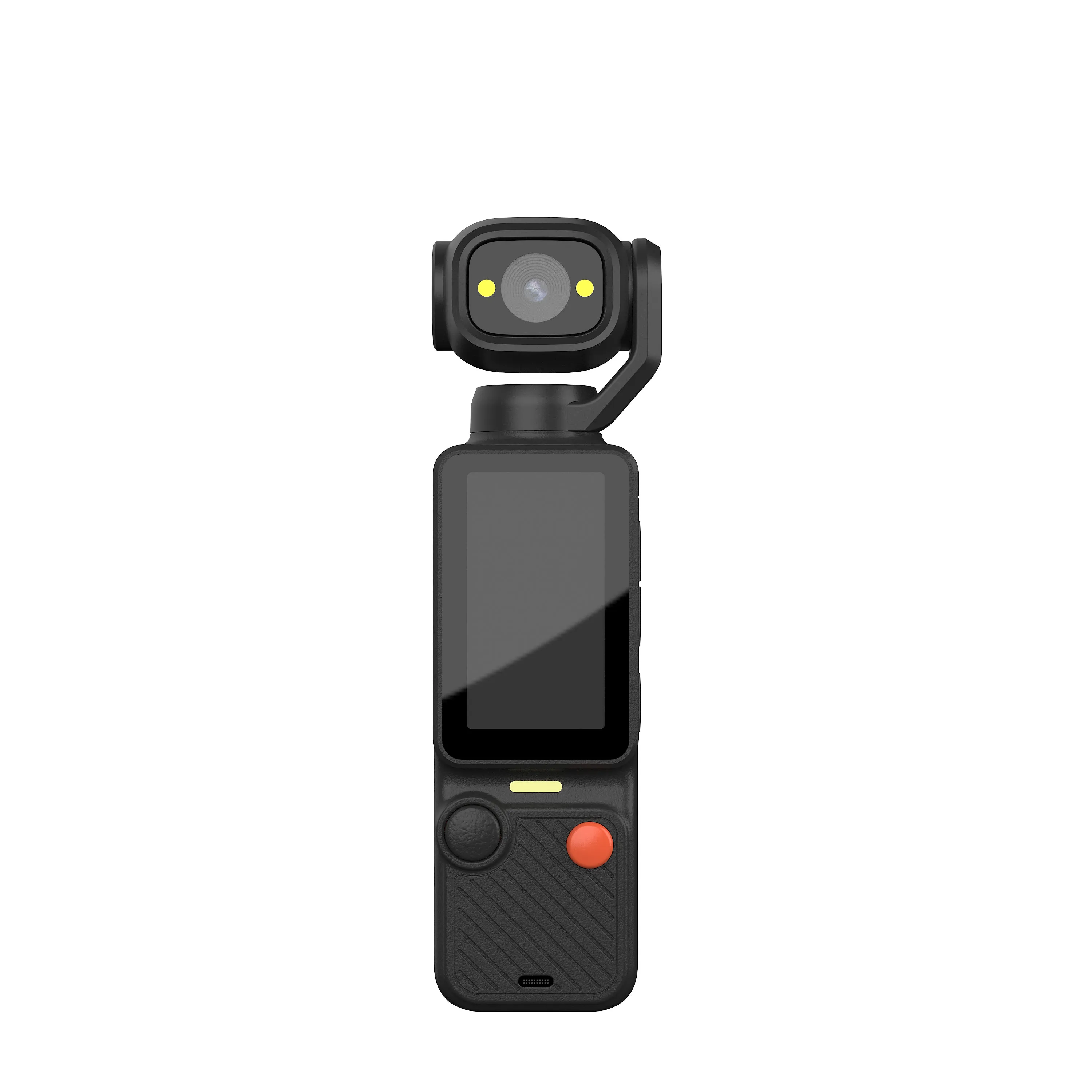
Send the target body, the target colors, and the target shelf price through the contact page, and we will quote a configuration with a spec sheet the buyer approves. A stabilized body is in development at our plant, and its configuration travels with the quote conversation. The sample settles a shelf faster than a description, and a written spec keeps the next carton on the same footing.

The JSRD Editorial Team creates practical B2B guides for importers, brand owners, and Amazon FBA sellers sourcing digital cameras from China. Our content covers OEM/ODM customization, product selection, and sourcing decisions for camera products.