A buyer who searches for the best low cost digital camera runs a gift program or an entry shelf, and that buyer needs the answer in grams and card capacity before an order goes out. Our Shenzhen plant builds more than 2,000 units a day across two camera lines, and the bodies that answer this question sit at the light end of the range. This guide covers the entry bodies we ship today, what each one gives up against the tier above it, and what to confirm on a sample before the order lands.
What the Low Cost Entry Bodies Are
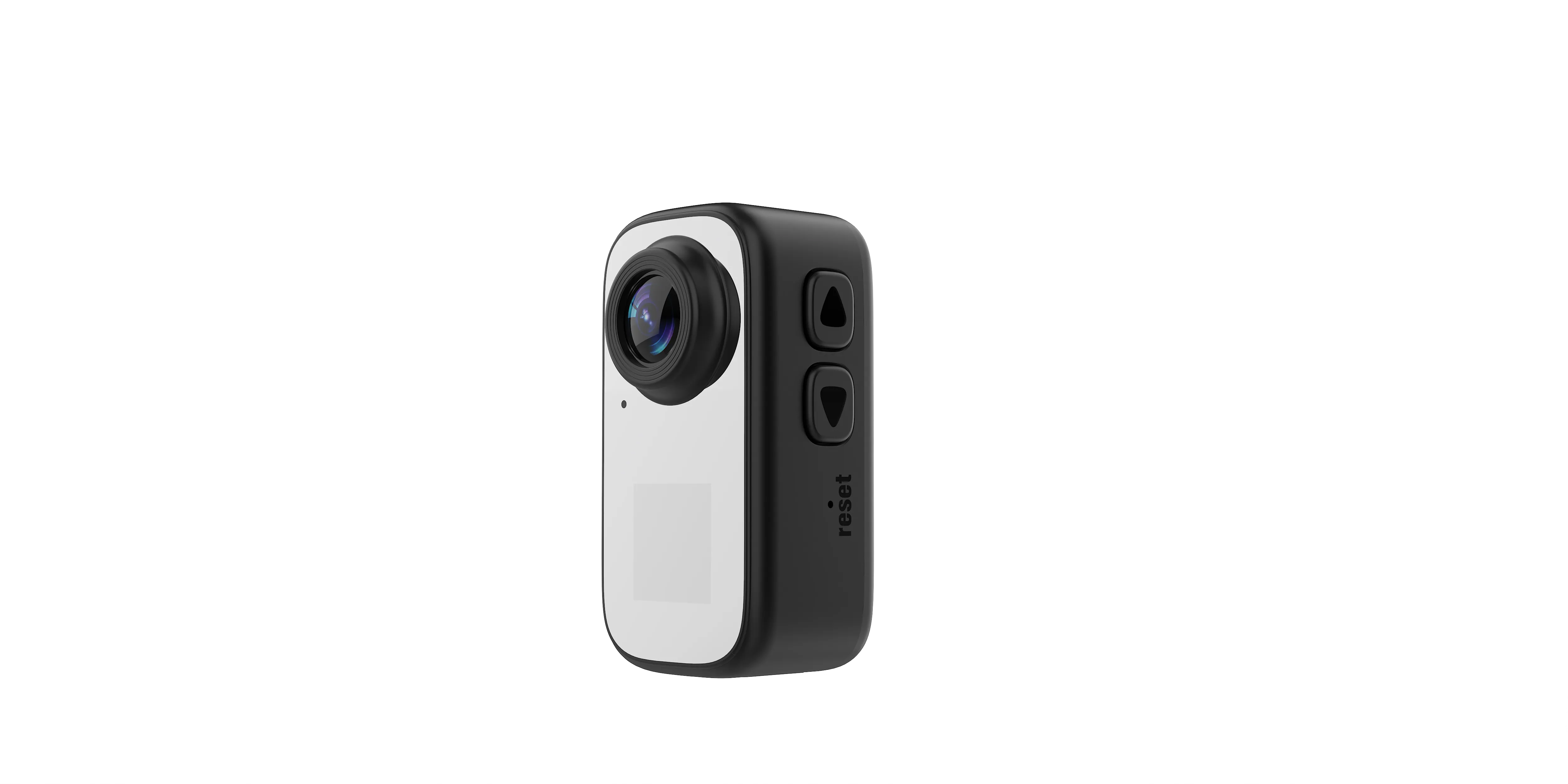
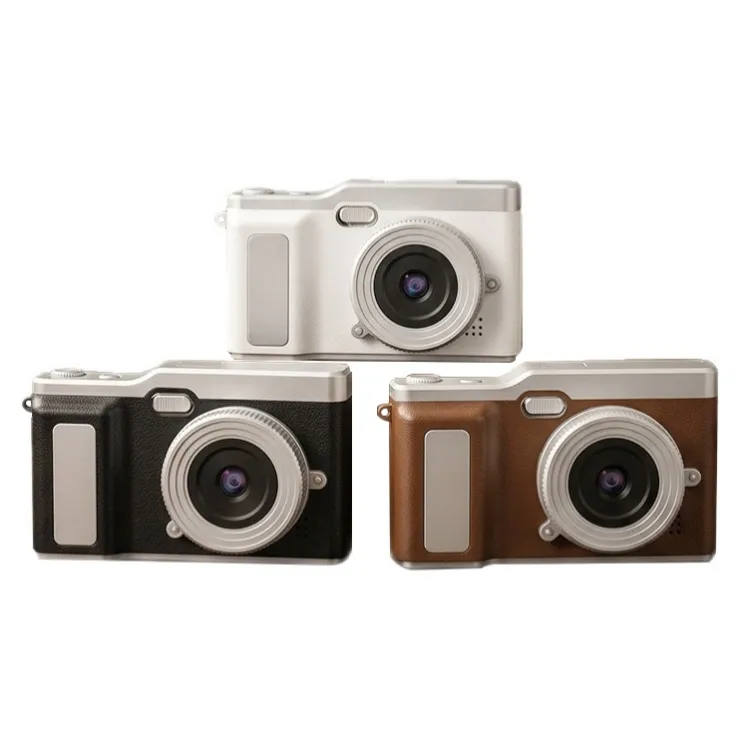
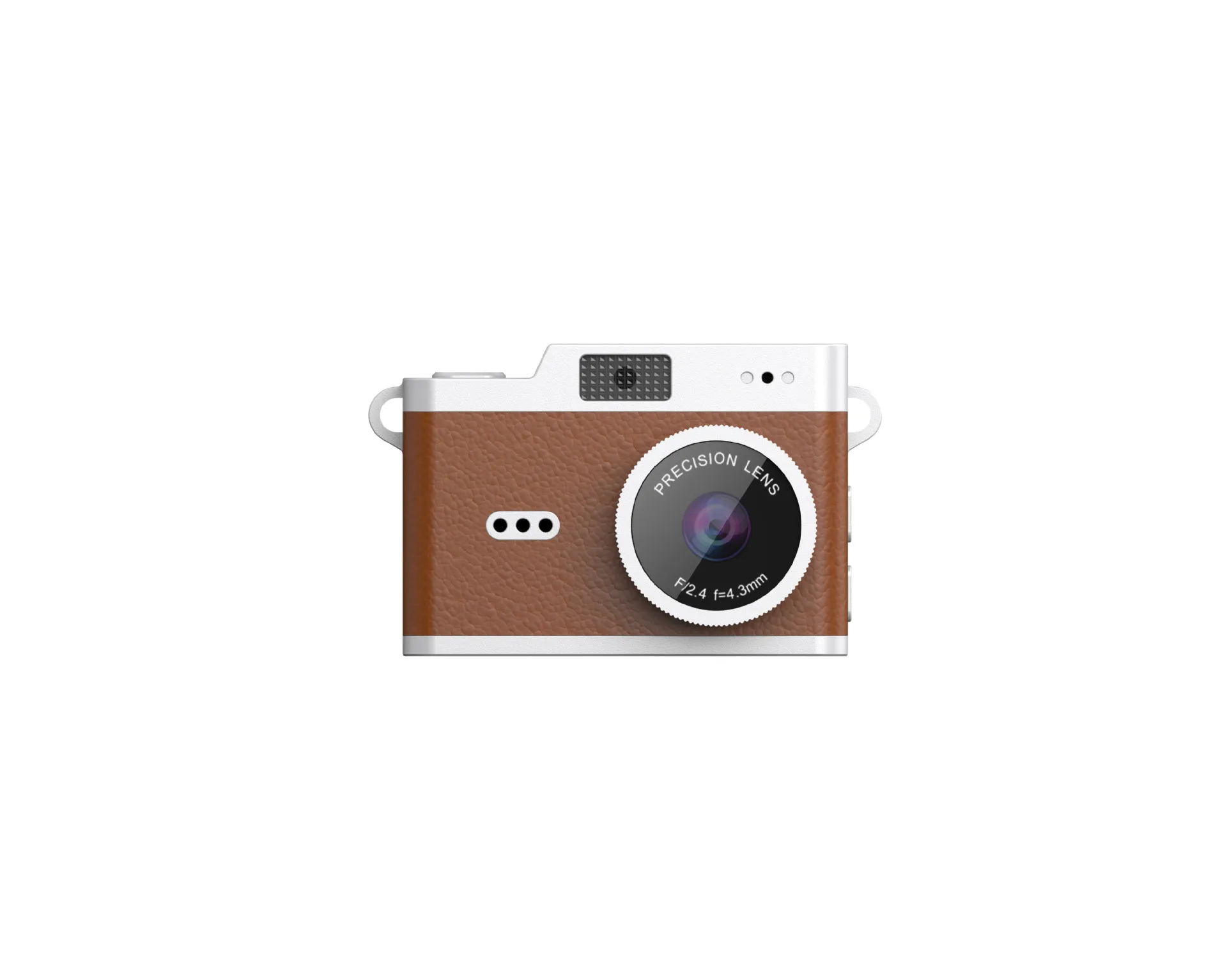
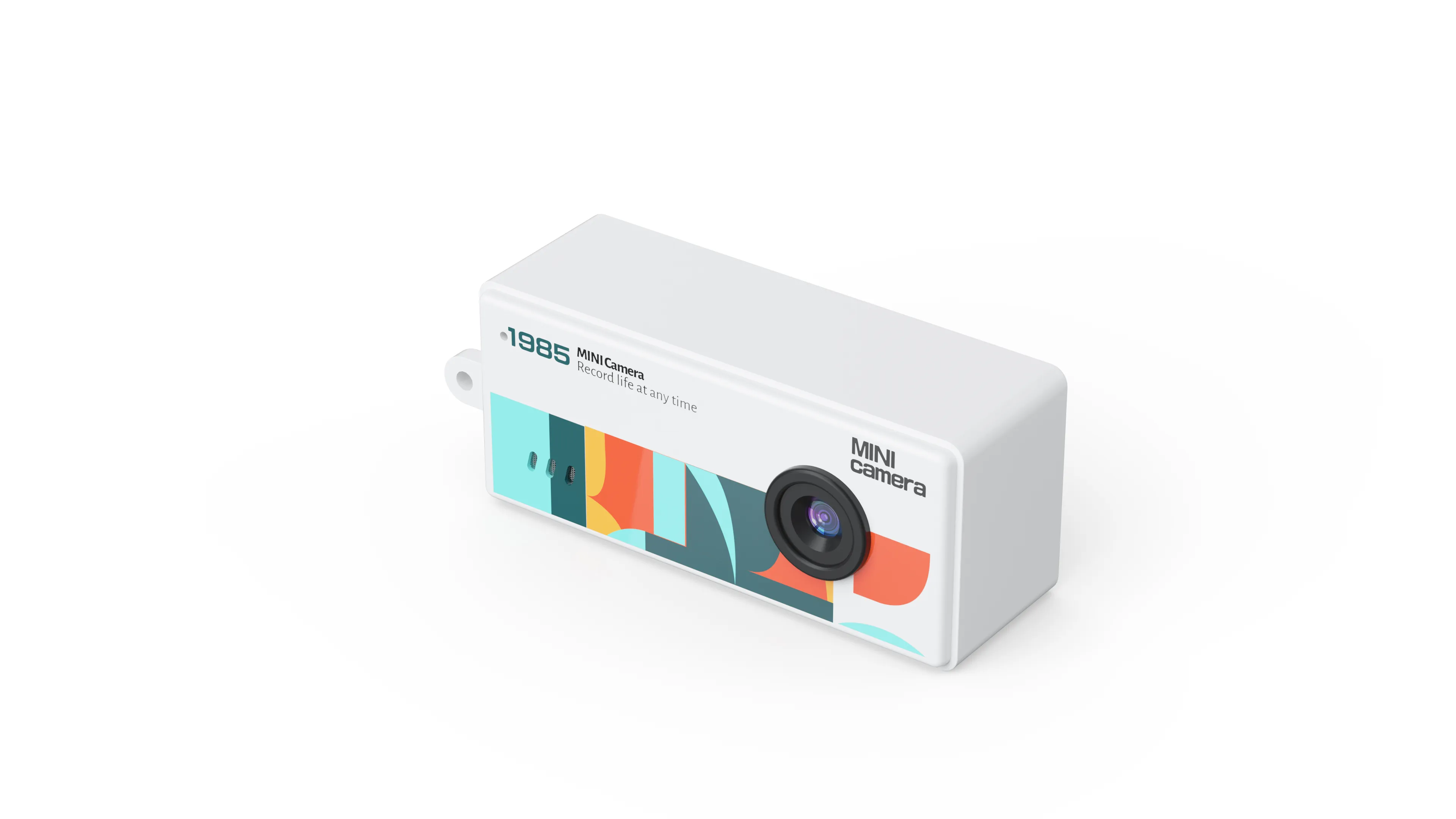
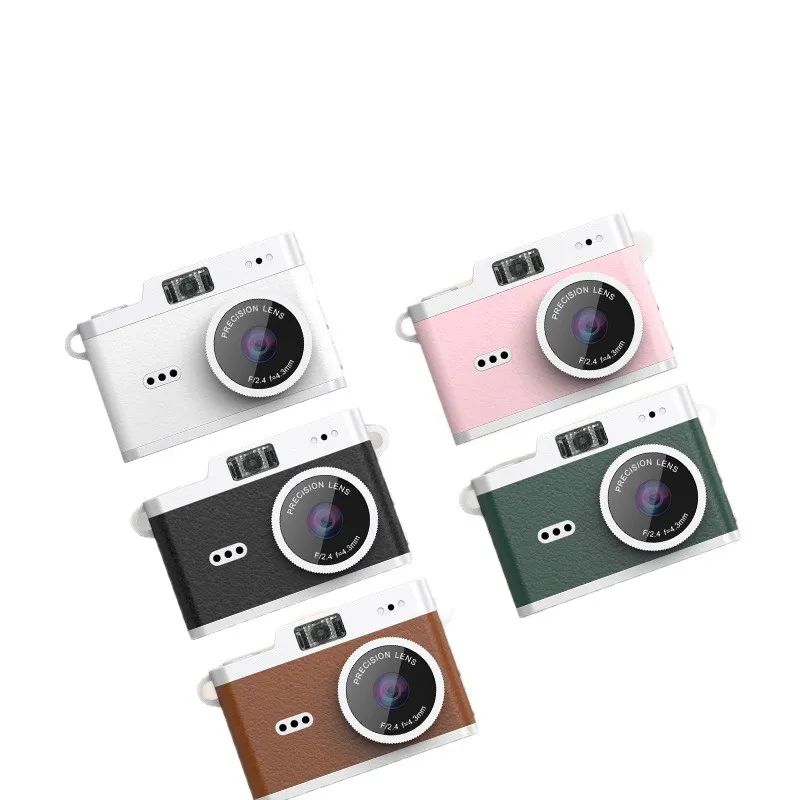
Three card bodies carry the entry tier. The AC-5 card body weighs 19.5 g and the AC-8 card body weighs 21 g, and both run a 0.96-inch HD IPS display and a 200mAh cell, with a single VGA lens and TF card expansion up to 32GB over Type-C. The AC-7 weighs 22 g and adds six shell colors to the same platform, which lets a reseller fill one display wall from a single order line.
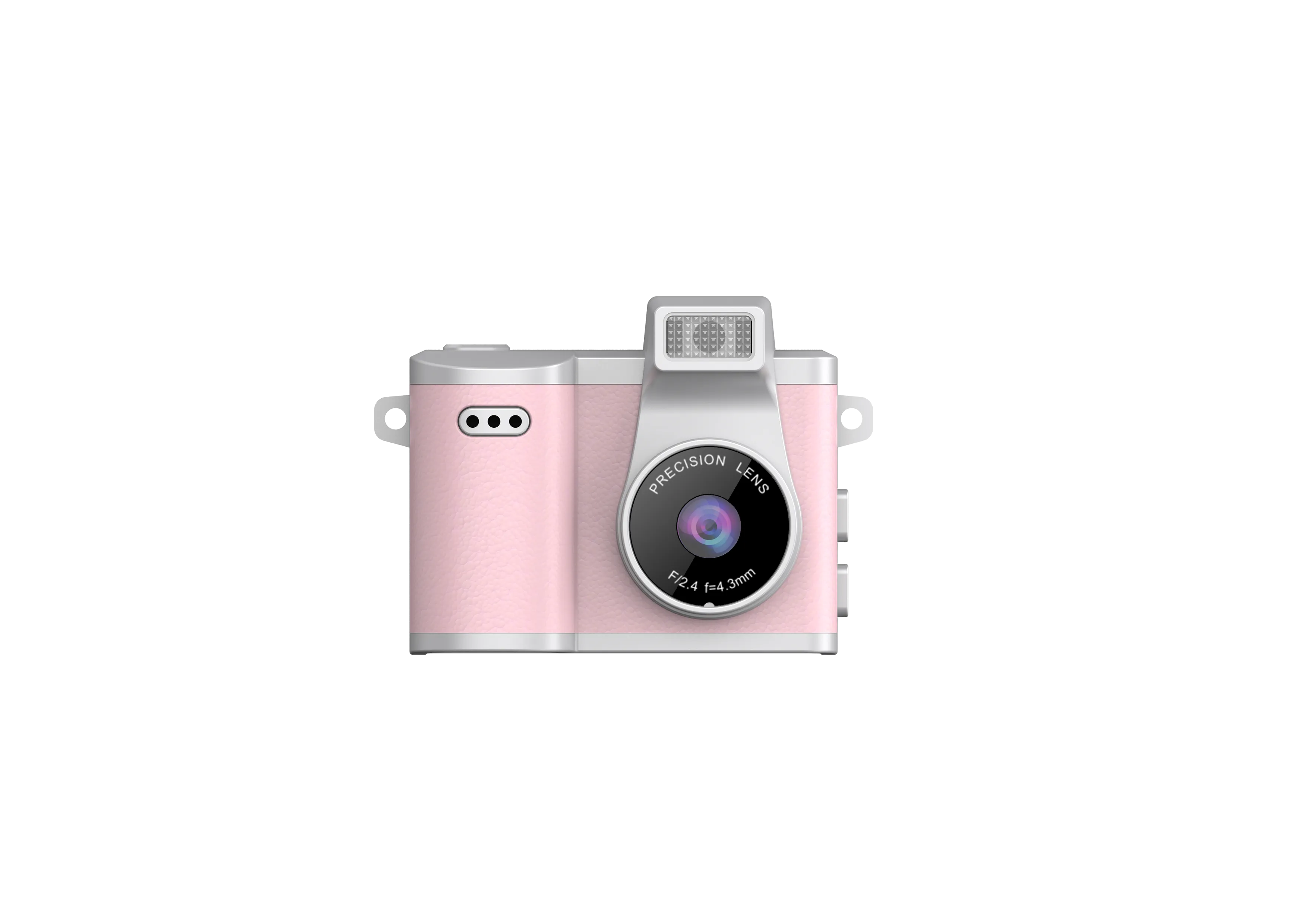
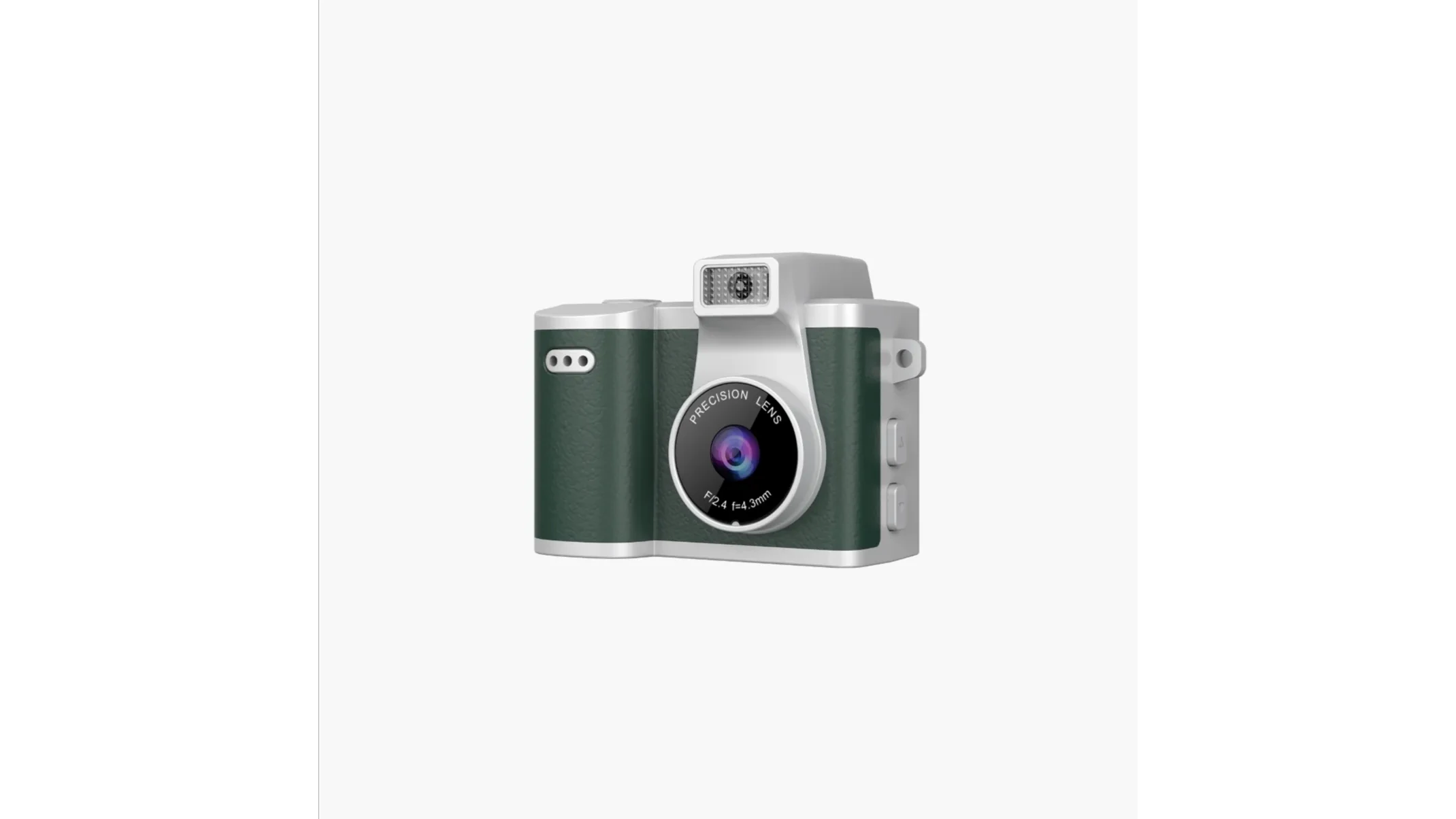
One more body belongs in the entry conversation. The AC-3 flip body weighs 115 g, carries a 2.4-inch HD IPS screen that flips to the front and the rear, and runs a 700mAh cell with a fill-in flash above the lens. Its shooting modes cover photo stickers and time-lapse video, so buyers pick it when the customer needs a self-facing preview.
A low cost digital camera order lands on one of those four bodies, and the choice turns on what the retail program promises: the screen size and how the files reach the shopper.
How Buyers Word the Same Question
The search phrase changes shape while the program stays the same. A buyer in the United Kingdom types best digital camera for travelling, and a buyer in the United States types best digital cameras for traveling. Both phrasings ask for the body that survives a trip and a price ceiling, which is why the card tier answers them.
Sellers who run travel retail programs work two listing routes. The upgrade route leads with a larger sensor and the budget route leads with weight and price. Both routes need the same native files from the sample, so the factory answers the question once and the listing copy changes further down the line.
What the Entry Tier Gives Up
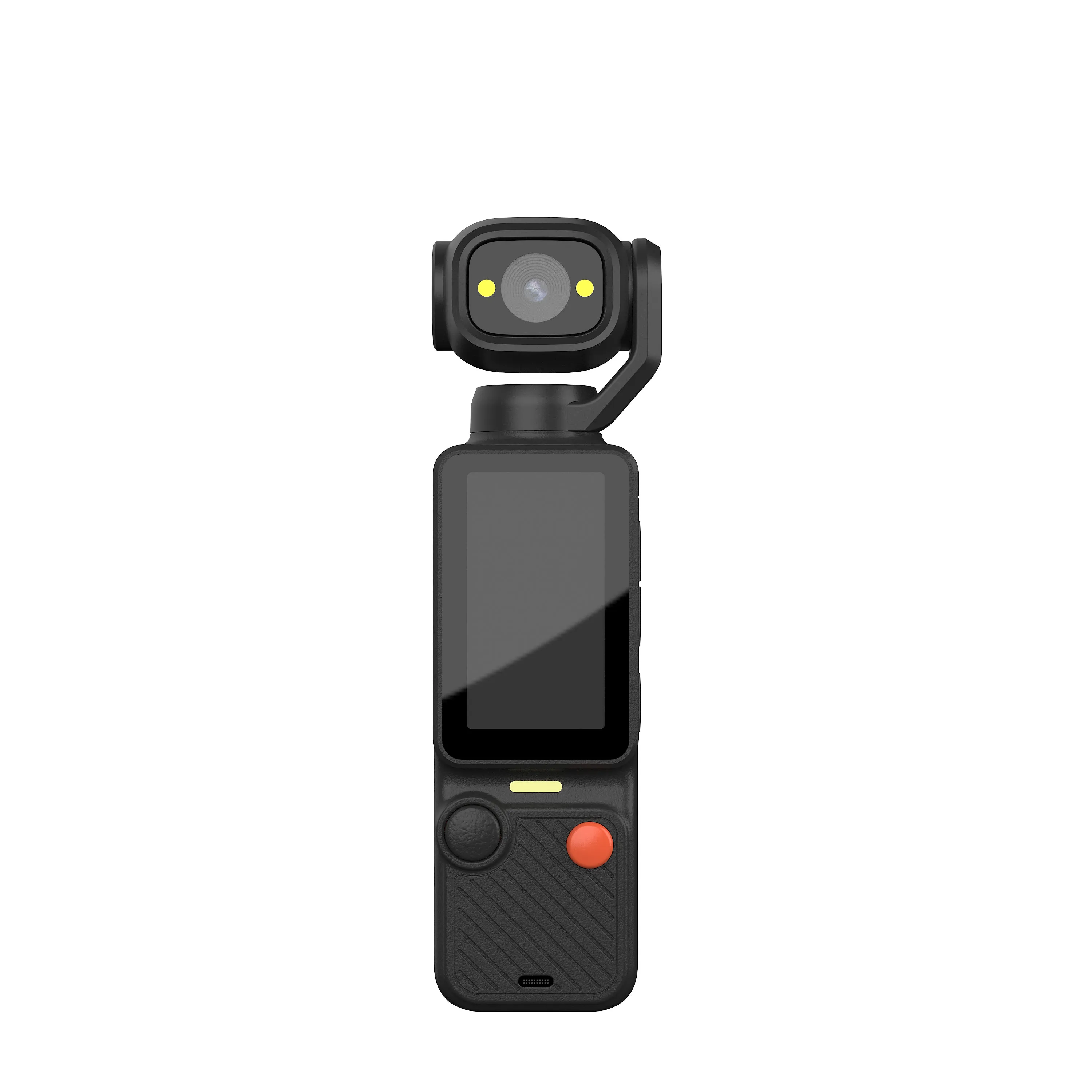
The card bodies record VGA files at 640 by 480, and the spec sheet states that resolution without rounding it up. A retail program that promises more needs the tier above, where the AC-18 carries a 2MP CMOS sensor behind a 123-degree lens and records 720P or 1080P at 30 fps.
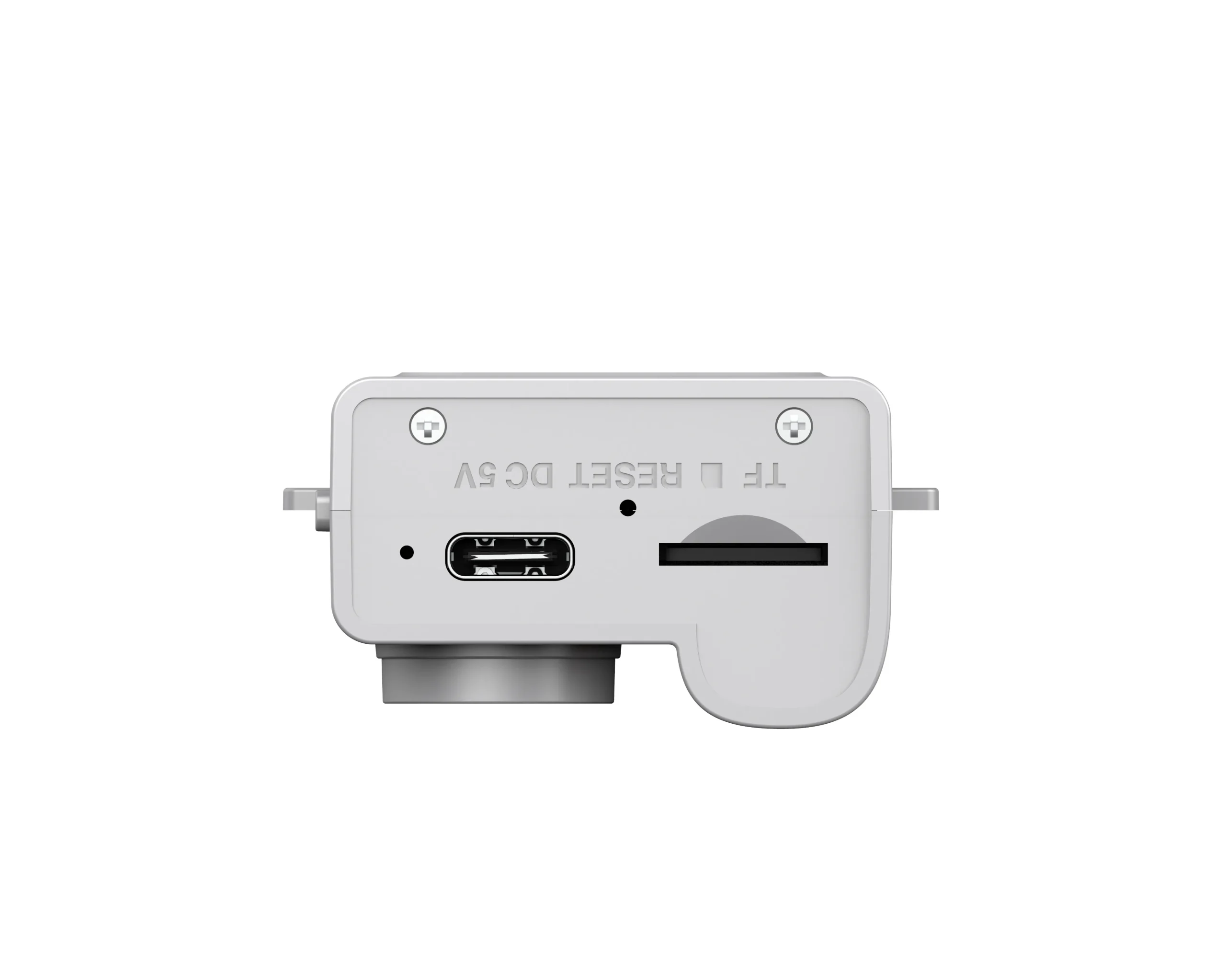
Two limits shape the order. Card capacity stops at 32GB on the card bodies, while the AC-18 accepts cards up to 256GB. Battery hours follow the same split, with a 200mAh cell in the card bodies against a 700mAh cell in the AC-3 and the AC-18.
The AC-18 also carries WiFi with a live preview inside a phone app at a range of 10 meters, and no card body offers that feature. Its premium version comes with a matched waterproof case rated to 30 meters, while the standard version stays dry, so a travel program that needs underwater footage chooses the premium build.
Filter and sticker effects differ across the card bodies. The AC-5 and the AC-8 carry filter effects in the shooting menu, and the AC-7 offers photo and video modes with filters. A program that wants filters on a card body can specify the AC-5 or the AC-7, and the AC-7 adds the six-color range.
Sampling an Entry Line
The sample carries the claim. Buyers ask for native still files and a clip at the mode the listing names, then compare them against the words on the box. An interpolated file size proves nothing about captured detail, so the factory sends original files from the approved hardware revision.
A card body earns its place at the low end when a tester can power it on, insert a card, shoot and find the file in playback without a manual. Screen visibility and button layout decide how the body performs on a counter, and those checks carry more weight on a 19.5 g body than a spec table does.
Languages matter as much as colors on a gift program. The AC-5 and the AC-3 carry eleven built-in languages, the AC-7 and the AC-8 carry ten, and Eastern European language packs run as a custom option on all four bodies.
Colors and quantities come next. The AC-3, the AC-5 and the AC-8 take one exclusive custom color from 1,000 pieces, and the factory quotes minimums per model and per color rather than one number for the whole range. A reseller who wants six colors on a single shelf order can take the AC-7 without a custom color run.
OEM work runs on the same short cycle. Our plant handles small-batch customization, label changes, laser logo work and artwork, so a buyer can put the customer brand on the shell before production starts. The packaging list goes out for review with the quotation, and the order minimums stay separate from the artwork approval.
Production runs 15 to 20 days after sample approval, and CE, FCC, CPC and RoHS paperwork goes to the destination market. Payment travels by TT.
Buyers who want the vocabulary behind the range can start from the digital camera definition and then work through the entry bodies on the product pages.
Where the Budget Line Ends
A program that outgrows the entry tier moves up to a different body. The AC-18 handles mounted video and a waterproof housing, and the AC-3 handles self-framing for a customer filming alone. Buyers who take the AC-5 or the AC-8 for a travel line keep the 19.5 g weight and the 32GB card ceiling in the spec sheet.
One line covers what the question asks. Buyers send the market they sell into and the quantity they need, and the answer comes back with the sensor tier and the card tier written on it. Send the brief and request a quote, and the reply carries the sample plan.

The JSRD Editorial Team creates practical B2B guides for importers, brand owners, and Amazon FBA sellers sourcing digital cameras from China. Our content covers OEM/ODM customization, product selection, and sourcing decisions for camera products.