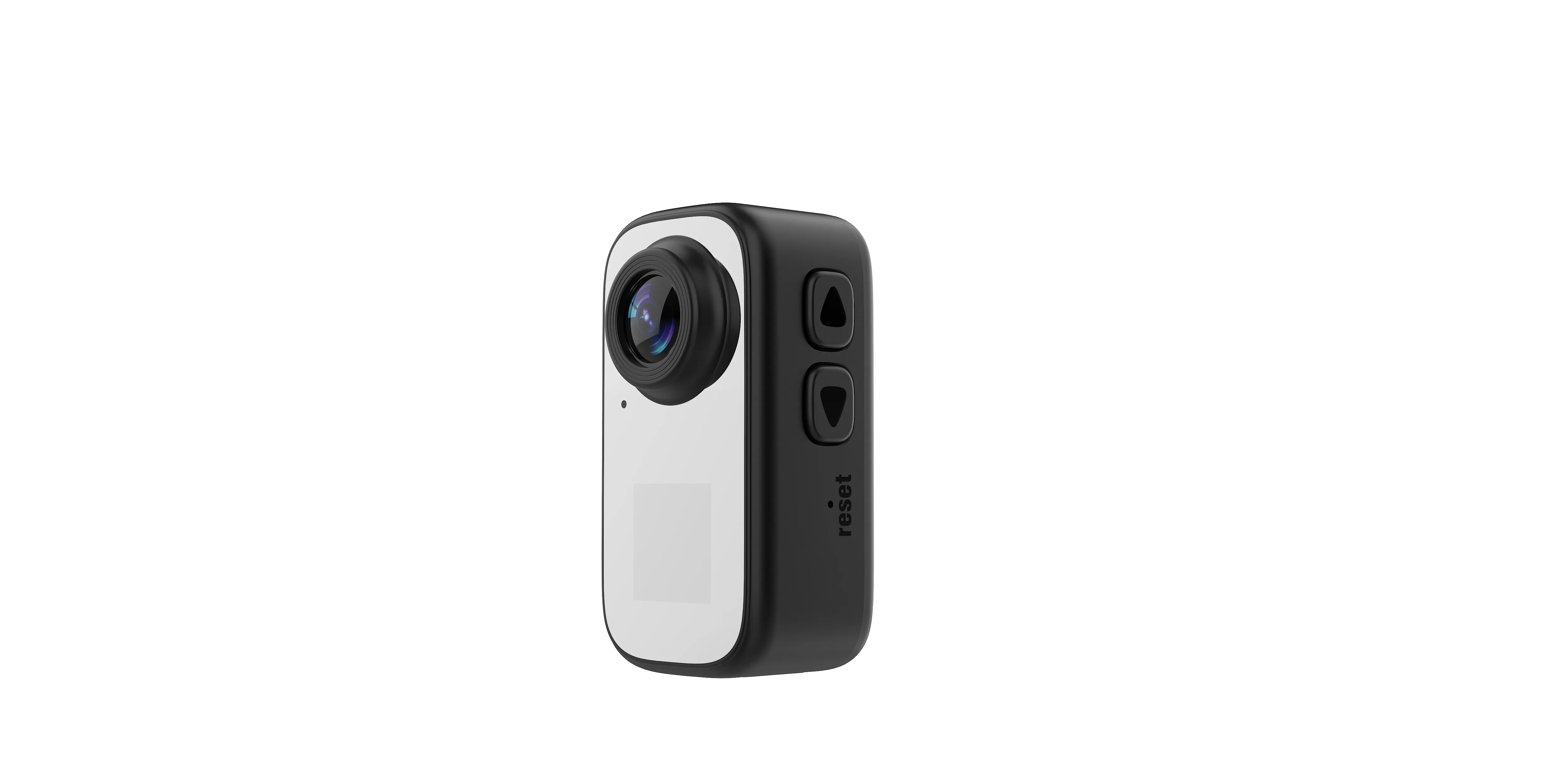
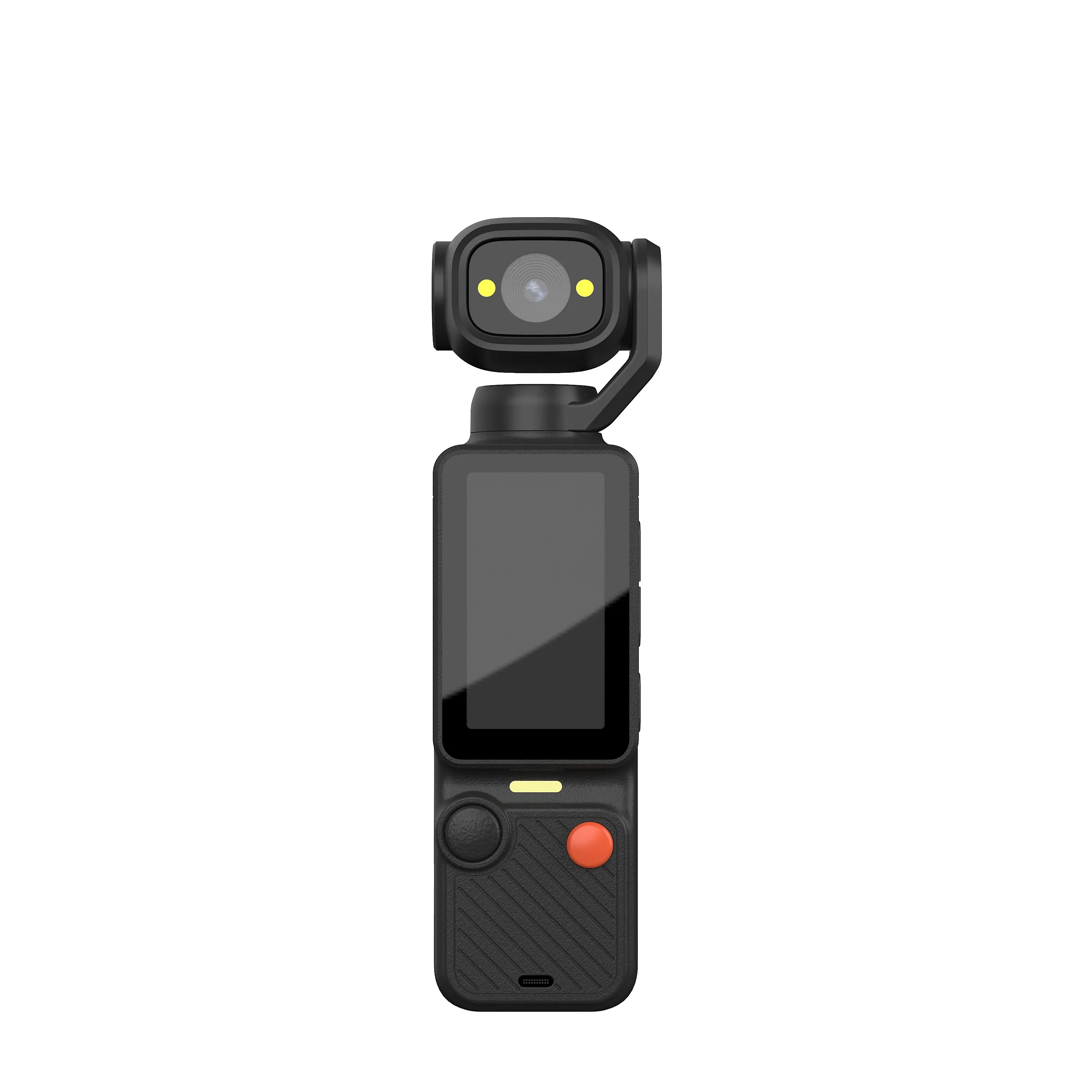
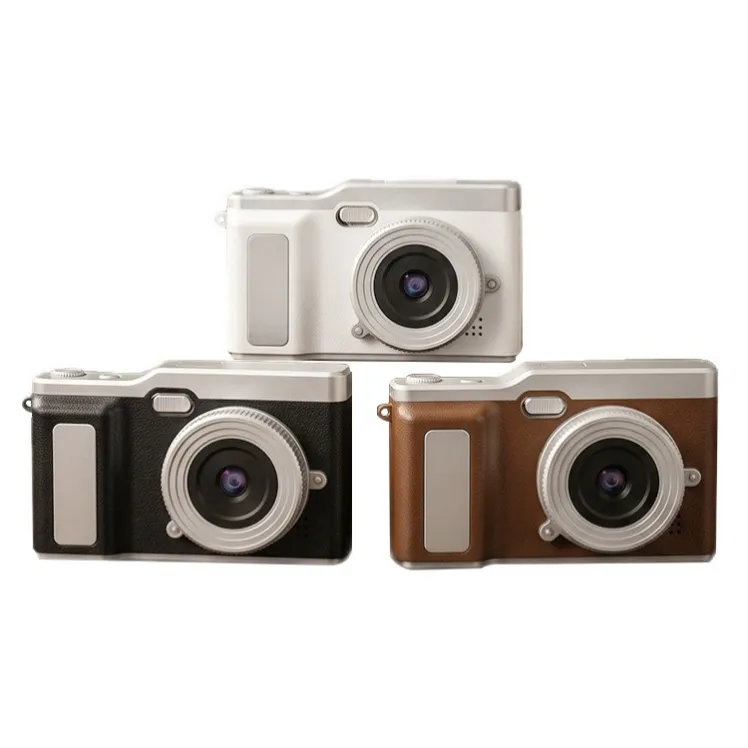
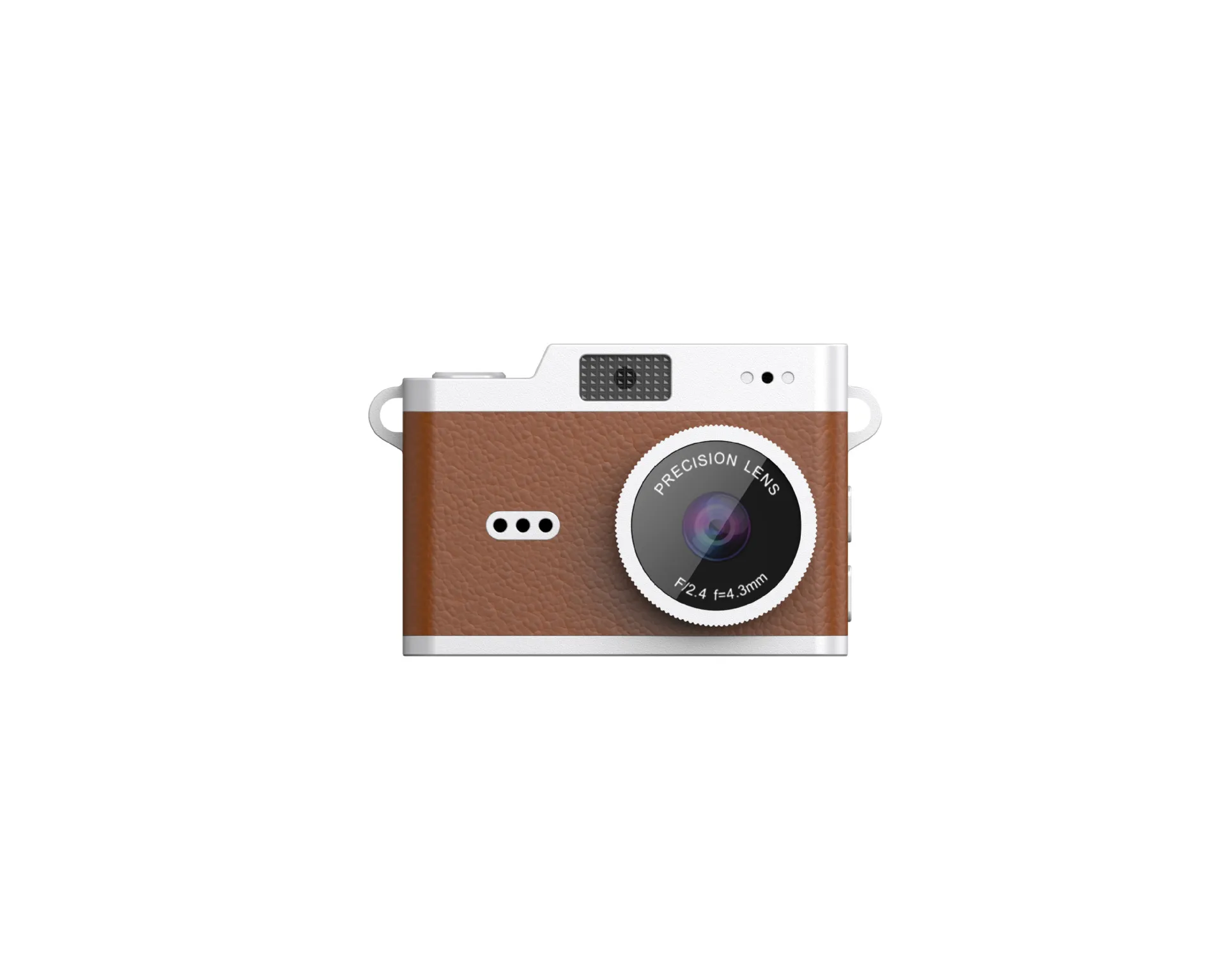
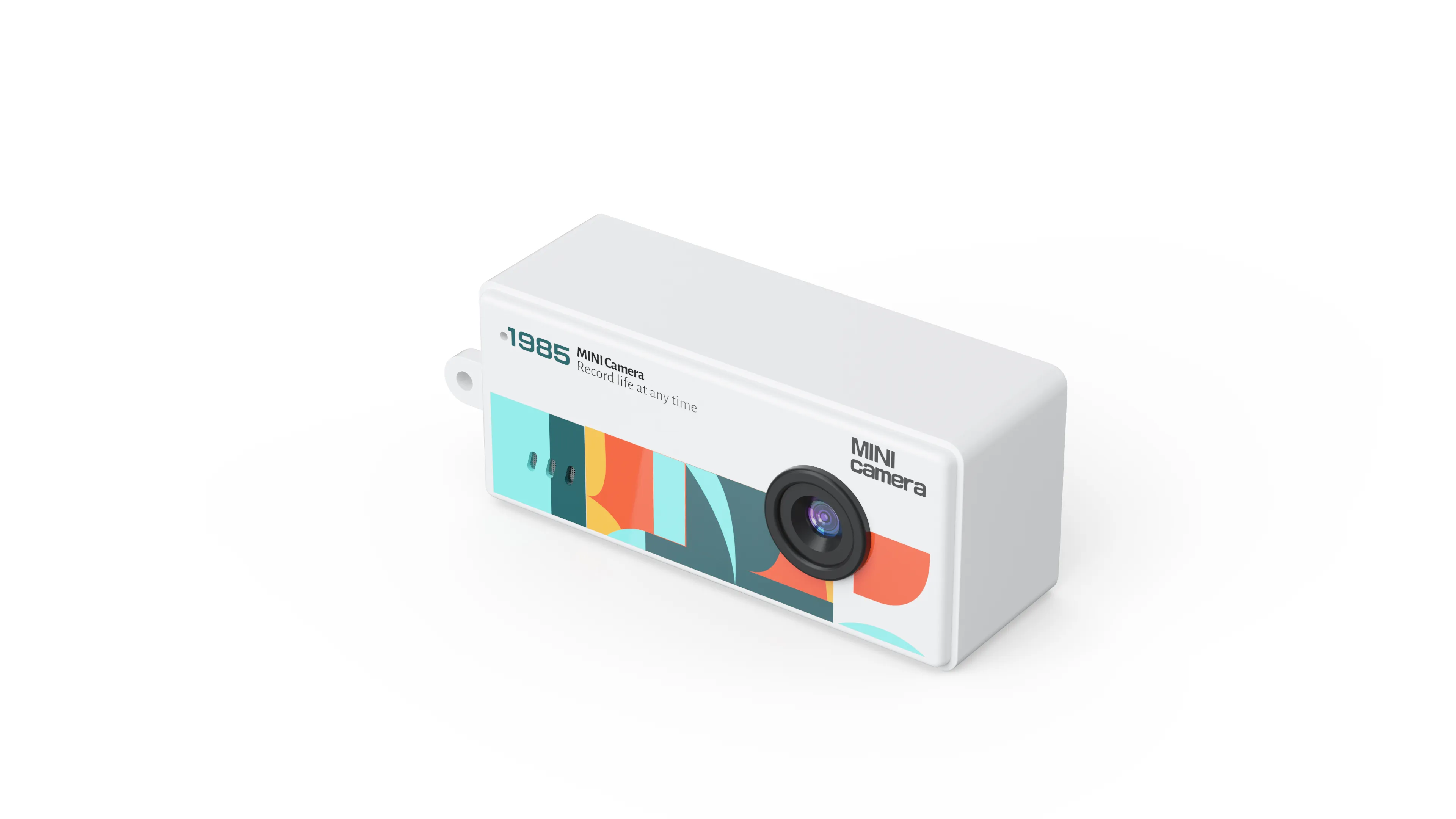
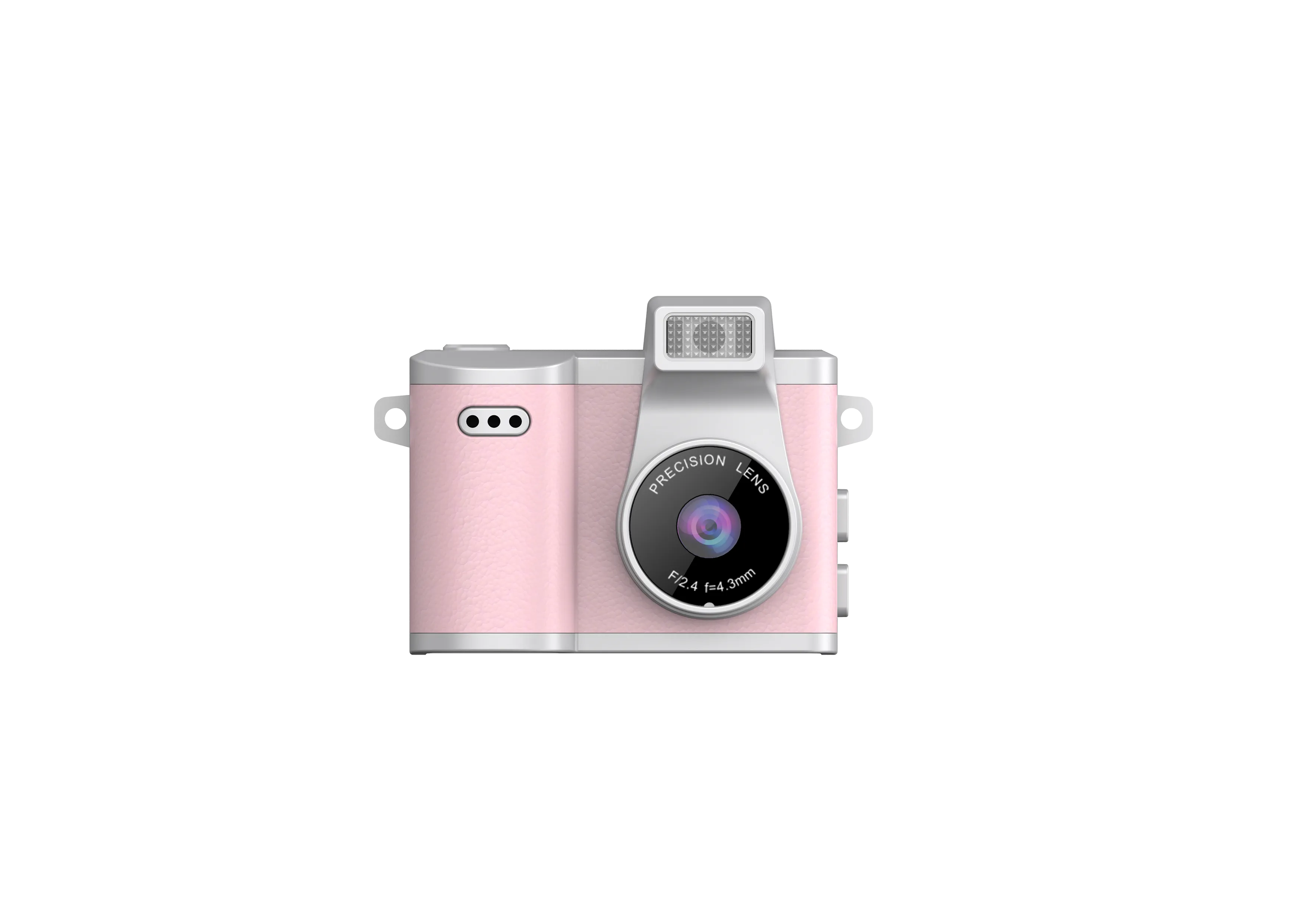
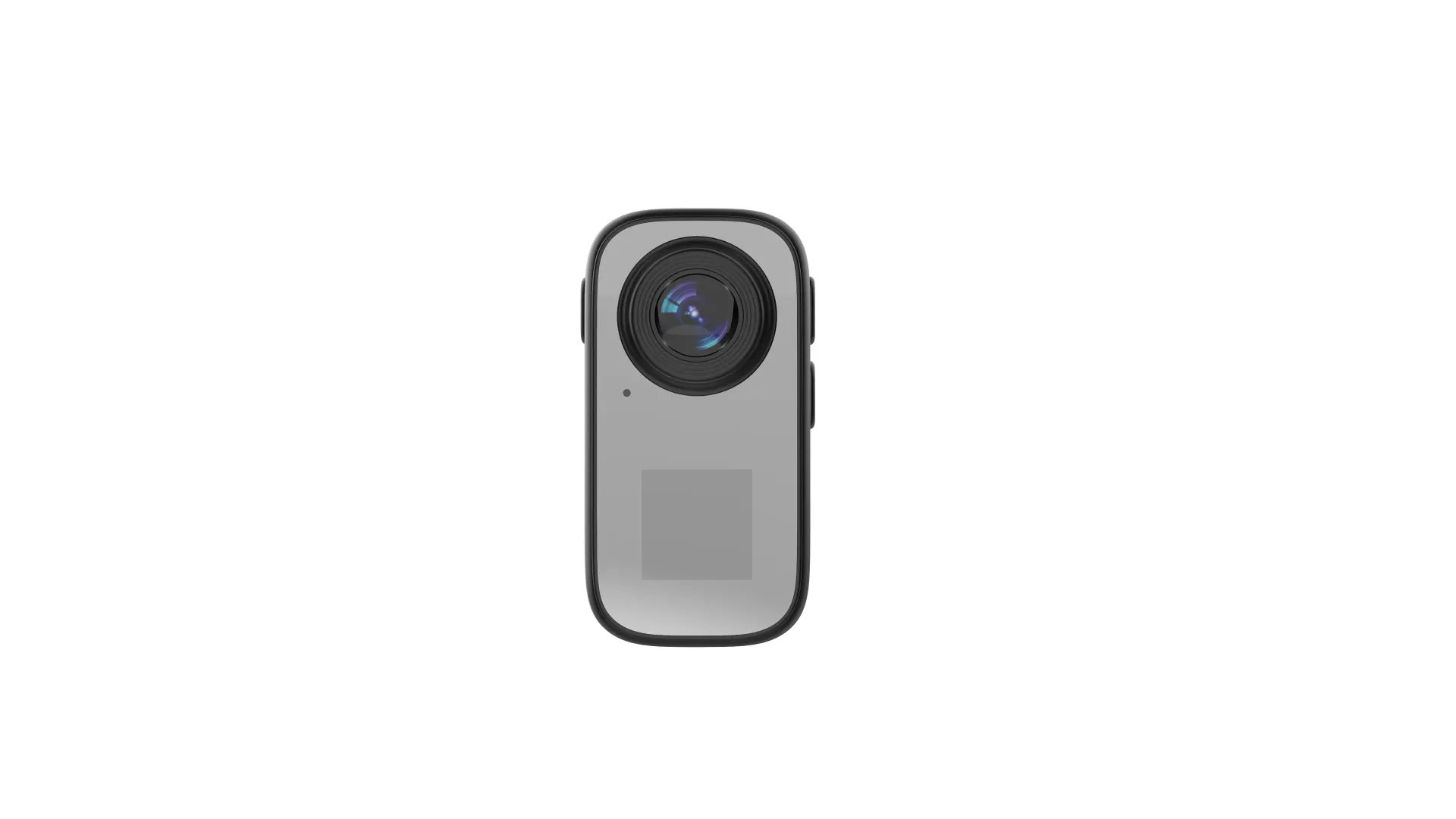
An action camera exists for footage a phone cannot survive. Helmet runs, handlebar descents, workshop repairs filmed hands-free: the camera mounts where the action happens, records wide, and stays out of the way. This guide covers what an action camera is, the specs that decide the purchase, the mounts that decide where it goes, and how we build them in bulk for brands, sellers, and importers.
In search bars, shoppers shorthand the category as camera action or cameras action, and keyword tools log both spellings. The product behind the shorthand is the same: one small camera that handles many mounting jobs. Buy it with that job in mind and the rest of the spec sheet falls into place.
The advice below comes from the factory side of this category. JSRD runs two camera production lines in Shenzhen, builds more than 2,000 cameras a day, and ships to brands, e-commerce sellers, importers, and gift programs. Every spec number below comes from our own build sheet, so you can quote from this page as it stands. Where a spec decision changes your landed cost, the guide says so.
What an Action Camera Is
An action camera is a small, wide-angle, rugged camera built to record from spots where an operator cannot stand. Action cameras trade zoom reach and low-light finesse for three things phones do not carry: mounting points, a body that shrugs off drops and spray, and a field of view wide enough to keep hands, gear, and road in the frame.
- A wide-angle lens that holds the whole scene in frame, so speed reads as speed. Objects at the edge stretch a little at full speed, and buyers who post fast footage accept that trade for the coverage.
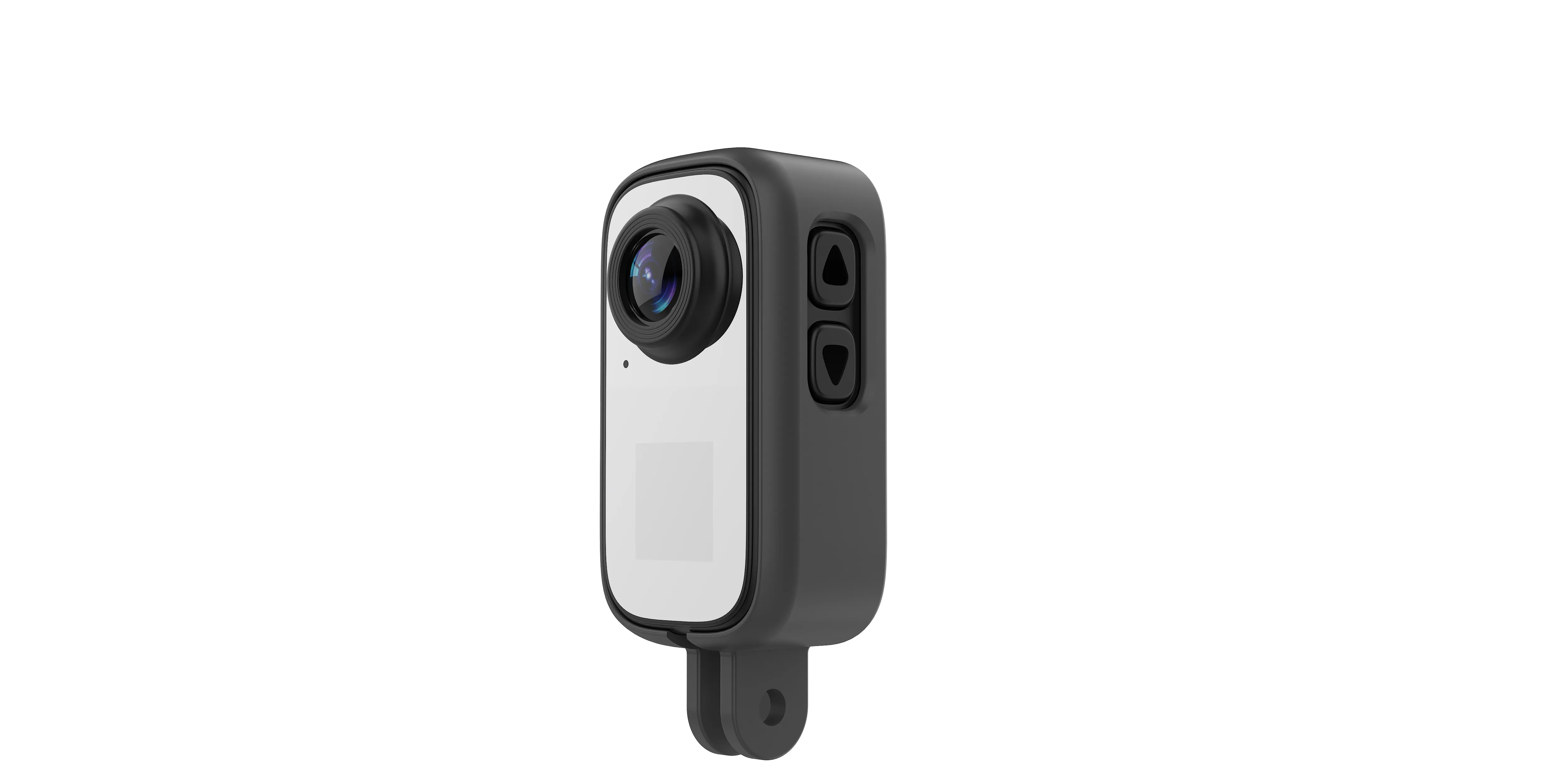
- A thumb-size body that bolts onto helmets, handlebars, straps, and flat surfaces. A body this size rides on a helmet without the neck ache that bigger rigs cause.
- A rugged housing that takes drops, dust, and spray on the trail. Spray and light rain stay outside the standard housing; the waterproof case takes over from there.
- One-hand controls, because the camera records while you do something else. One record button answers even with gloves on.
The name covers more shapes than one: thumb-size cube cameras that bolt flat onto a helmet, compact units with a full screen on the back, and strap-mounted bodies that disappear under a jacket. The electronics inside overlap; the shell and the mounts make the difference. Listings carry gear names for the same product too: helmet camera, bike camera, mini sports cam. The mount in the photo picks the name, and the camera inside stays the same.
Where does an action camera end and a compact camera begin? Size and mounting answer it. If the camera bolts onto gear and films hands-free, it sits on the action side; if it lives in a pocket and shoots from the hand, it sits on the compact side. Our line runs the full range, and both types come off the same quality system.
The category has one more trait worth naming: the camera films the person using it. A phone films the scene in front of someone; an action camera films the someone. That difference is the reason the category exists, and it is why the same small unit sells to ski brands, cycling tours, and gift programs at once. It is also why the same body shows up in ski, dive, and desk videos with nothing but a mount swap.
Action Camera vs Phone
Phones shoot great casual video, and your customers already own one. The action camera earns its shelf space in the situations below:
| Situation | Action camera | Phone |
|---|---|---|
| Mounted on a helmet or handlebar | Bolts straight on | Needs improvised rigs |
| Spray, dust, and drops | Rugged body; waterproof case to 30 meters on the high-configuration version | Needs a protective case on top |
| Long recording sessions | Runs on its own 700mAh battery | Drains the phone your customer also needs |
| Field of view | 123-degree wide angle keeps hands, bars, and trail in frame | Much narrower view |
| Sharing files the same day | WiFi app transfer within 10 meters, no cables | Depends on storage space and apps |
One more difference sits in the software. An action camera does a single job, so there is nothing to sign into, update, or charge on its own before the ride: power on, record, move files. Buyers who demo cameras at trade events notice that gap first.
Price closes the argument for many catalogs. A phone sits in a four-figure class of its own, while an action camera ordered in bulk sits well below it, which lets a brand bundle one into a helmet package, a tour kit, or a gift box without moving the price band. The buyer is not choosing between the two devices; the buyer is deciding which one records the footage that sells.
For listings, lead with the footage rather than the comparison. A phone comparison answers a question buyers ask; the footage answers the one that makes them buy.
Meet the AC-18: Our Thumb-Size Action Camera
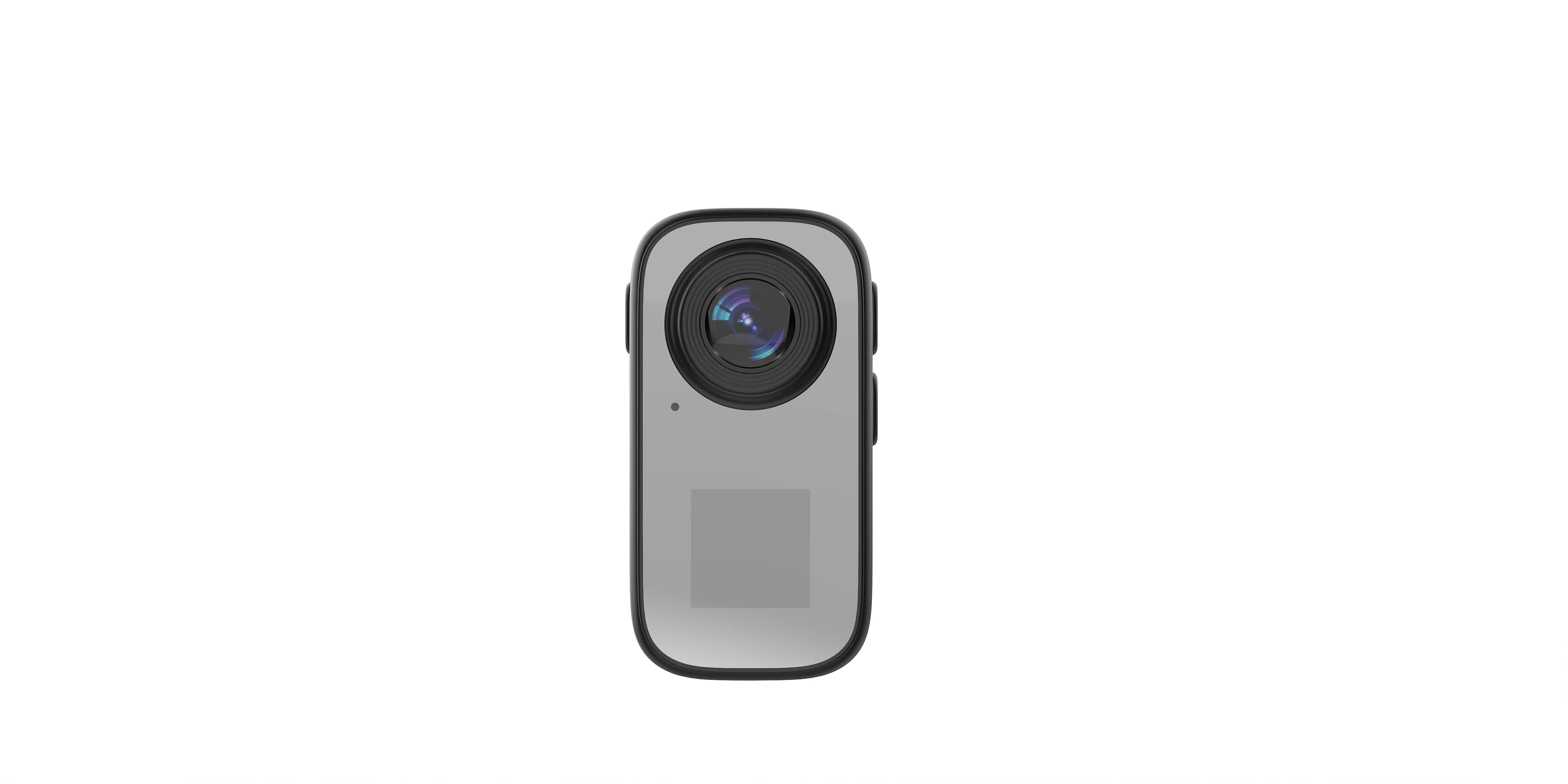
The AC-18 is our action camera line: a 2MP CMOS sensor behind a 123-degree wide-angle lens, dual screens, and WiFi that streams live video to a phone app within 10 meters. The full hardware list fits in one table:
| Sensor | 2MP CMOS |
| Lens | 123-degree wide angle |
| Video | 1080P/720P at 30fps |
| Photo | Up to 12M via interpolation |
| Zoom | Digital zoom, 1X to 16X |
| Screens | Dual, front and back |
| Battery | 700mAh, charged over Type-C |
| Storage | TF card up to 256GB |
| Wireless | 2.4GHz WiFi, live app view within 10 meters |
| Waterproof | Waterproof case to 30 meters (high-configuration version) |
Photos still matter on an action camera. The AC-18 saves stills up to 12M through interpolation (software enlarges the photo file beyond what the sensor captures), which covers product-page thumbnails and social posts. Customers who buy an action camera for video still expect the still-photo button to work, and it does.
The dual screen earns its place on a device this small. The back panel runs settings and playback, and the front panel lets the person in the shot frame themselves before the run, which saves the trial-and-error recordings a single-screen camera produces. The spec sheet reads 1080P at 30fps, and that number holds: smooth, watchable motion beats a bigger number that stutters. The AC-18 thumb action camera product page carries the same specs with photos.
The Specs That Decide an Action Camera Purchase
Five spec groups decide most action camera orders. Two of them cost money up front (sensor and resolution), and the rest cost little at the right scale (zoom, storage class, and accessories). Knowing which is which keeps the quote inside your target price band. Each group below names the choice, the range we build to, and the shelf it fits.
Sensor and Pixel Count
We build with CMOS (the image chip that captures light) sensors from 1/10 inch up to 1/4 inch, at pixel counts from 0.3MP to 5MP (a megapixel is one million pixels). The AC-18 runs a 2MP sensor, and its photo files reach 12M through interpolation (software enlarges the file beyond what the sensor captures). Larger sensors and higher counts capture more detail and raise the unit cost, so match the level to your shelf instead of buying the top of the range on reflex.
Video Resolution and Frame Rate
Our builds run from VGA (the 480P baseline) up to 4K, at 15fps or 30fps (frames per second, how many still frames the camera records each second). Action footage lives at 30fps: motion stays smooth while the camera shakes and bounces. Treat 1080P at 30fps as the working standard for an action camera, which is where the AC-18 sits. Gift and entry builds can hold VGA to keep the price down, while outdoor-facing models take the higher output.
Screens
Screens decide how the camera feels in the hand. The AC-18 carries a dual screen: the back panel runs settings and playback, and the front panel shows the person recording. Front screens used to be a premium feature; on this unit they are standard, and they remove the guesswork from self-framed footage.
Digital Zoom
Digital zoom (enlargement done in software, with no lens movement) runs from 1X to 16X across our models. Zoom matters less on an action camera than on a compact, because a wide-angle mounted shot wants width, and width is what the lens already has. Treat zoom numbers past that range as box copy.
Battery, Charging, and Storage
The AC-18 carries a 700mAh battery charged over Type-C (the standard plug used on most phones) and records to TF cards (microSD memory cards) up to 256GB. One cable and one card format keep your accessory bundles simple: cable in the box, card on the listing.
WiFi and the Phone App
The AC-18 connects over 2.4GHz WiFi (the standard band for short-range connections) and streams live video to a phone app within 10 meters. Three app moments cover most customer needs: framing the shot from the handlebars before a descent, keeping hands off the camera mid-run, and moving files without a cable. Files move at pocket size: a day of clips travels to the phone without a card reader. Ten meters covers all three at real shooting distance. One boundary to know before you quote: the connection is WiFi, and we do not build 4G or 5G cellular versions. A remote shoot plans a hotspot into the setup.
Mounts Decide Where the Camera Goes
Ask a buyer what they will mount the camera on and you know their market. Four mounts cover most orders:
- Helmet mount: point-of-view sports footage, the shot skiing and cycling leads use.
- Handlebar mount: motorcycle and bike tours, steady and repeatable framing.
- Chest and strap mounts: hands-free recording for work demos and coaching.
- Flat-surface mounts: workshop benches, boat decks, car interiors, and any shot that needs the camera to disappear into the scene.
Two questions sort mounts fast. First: what surface does the customer ride or wear? Curved helmet shells, round handlebars, and backpack straps each take a different bracket. Second: does the mount need to survive the same abuse as the camera? A mount that rattles loose on a descent ruins footage the camera is meant to capture, which is why mount fit belongs in the order conversation.
Mount choice also decides how the product photographs on your listing: a camera shown on a helmet sells the use, not the object. Spare mounts earn their place as add-on items as well. A customer who buys a second mount records in a second place, and the camera that records in two places stops sitting in a drawer.
Mounts, clips, and lanyards ship in the same order as the cameras, so your listing opens complete instead of waiting on a second shipment.
Waterproofing, Stated Straight
The standard AC-18 is not waterproof, and we say so up front. The high-configuration version includes a waterproof case rated to 30 meters, and the same case adds protection against dust and drops on land. Dust and sand on a beach day sit inside the same case logic. The case is the honest way to sell waterproofing on a camera this size: the seals live in the case, not in tiny body seams.
If a customer asks whether the camera survives a pool drop without the case, the honest answer is no, and that answer protects your reviews. Case seals deserve a glance before each water session, the same habit divers keep.
Waterproofing also has a selling rhythm. Spring and summer listings lead with the case version, because water-adjacent searches climb with the weather; gift-season listings can lead with the standard version and a lower price. Stocking both versions of the same camera covers both calendars without a second product page. For mixed catalogs, the case version also photographs as the tougher product: two photos on the listing, one with the case on a handlebar and one bare on a desk, answer both buyers without a word of copy.
Matching an Action Camera to Your Market
The same camera sells four ways. The differences live in the bundle and the paperwork, not in the hardware.
Outdoor and adventure brands buy the full setup: the AC-18 with the waterproof case, helmet and handlebar mounts, and 256GB cards. Both mounts belong in the box, because the same rider switches sports. A wide angle earns its keep in marketing clips: arms, poles, and trail edges all stay in frame, so the viewer feels the speed. The footage their athletes post is the advertising, and the kit arrives ready to shoot.
E-commerce sellers start with one bundle: camera, one mount, one card. Bundle names that say where the camera goes (helmet kit, bench kit) outsell spec-sheet titles. Reviews arrive first, then the bundle widens to a second mount and a larger card. Small starts keep the listing honest and the inventory light.
Importers and regional wholesalers care about consistency: the spec set you approve is the spec set in every carton, batch after batch. Production runs on a 15-to-20-day cycle, and the same two lines build the same model the same way. Ask for a retained sample from your approved batch, and future cartons have a benchmark to answer to.
Corporate gift and promotion buyers reach for the action camera when the recipient hikes, rides, or coaches on weekends. The logo goes on the body through laser engraving, and the packaging carries your brand from shelf to unboxing. A 123-degree lens fits the whole group into one frame, which gift recipients discover the first weekend.
Ordering Action Cameras in Bulk
Three routes, one sentence each: white-label puts your logo on our existing models; OEM adds laser engraving, custom packaging, and custom colors from 1,000 units; ODM develops a product to your brief. Most first orders start at white-label and move up as sales prove out.
The commercial frame stays short: production runs 15 to 20 days, payment goes by TT (telegraphic transfer, a bank-to-bank wire), and the factory holds CE, FCC, CPC, and RoHS certifications. Support after shipping covers small-batch customization, logo swaps, engraving, packaging artwork, shipping help, listing support, and after-sales. Packaging artwork runs from your logo file to a print-ready box design.
An inquiry that moves fast carries five facts: the market, the model, the quantity, the destination country, and the mounts your customers need. Certification requests and packaging ideas slot in next. With those on the table, the spec conversation starts at the right place instead of circling.
If the action camera is the first stop in a wider camera program, our digital camera guide sorts the other camera types, and the full product range shows every model we build.
Start Your Action Camera Program
Tell us the market, the quantity, and the mounts your customers need. Include the mounts in the first message; they decide half the spec. Send your market and quantity to our team, and feasibility and pricing follow the confirmed spec.
JSRD (Shenzhen Jinsheng Ruida Technology Co., Ltd.) builds action, compact, mini, keychain, and gimbal cameras for overseas brands.
Email: olivialee0822@gmail.com
Phone: +86-13609069228

The JSRD Editorial Team creates practical B2B guides for importers, brand owners, and Amazon FBA sellers sourcing digital cameras from China. Our content covers OEM/ODM customization, product selection, and sourcing decisions for camera products.