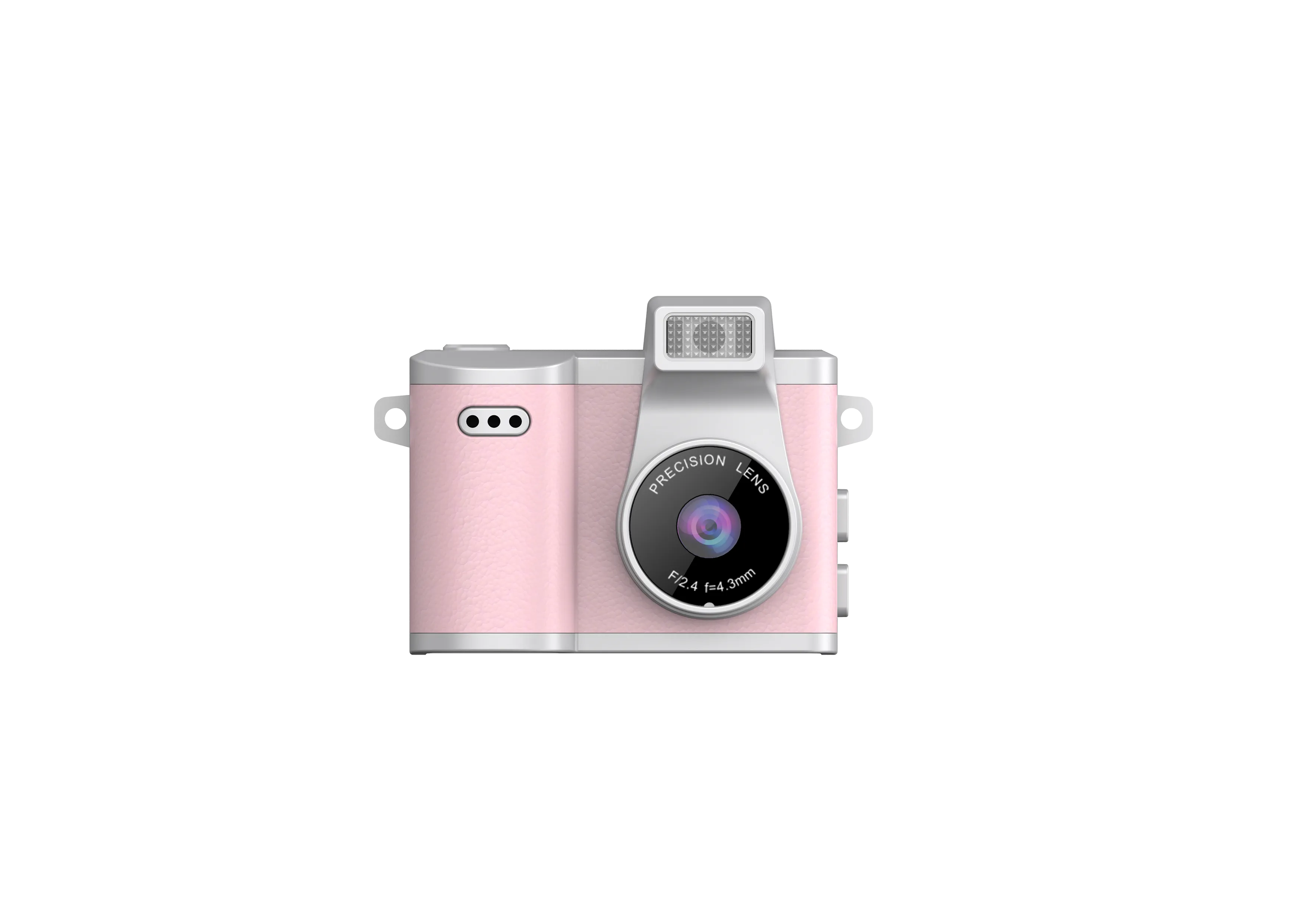
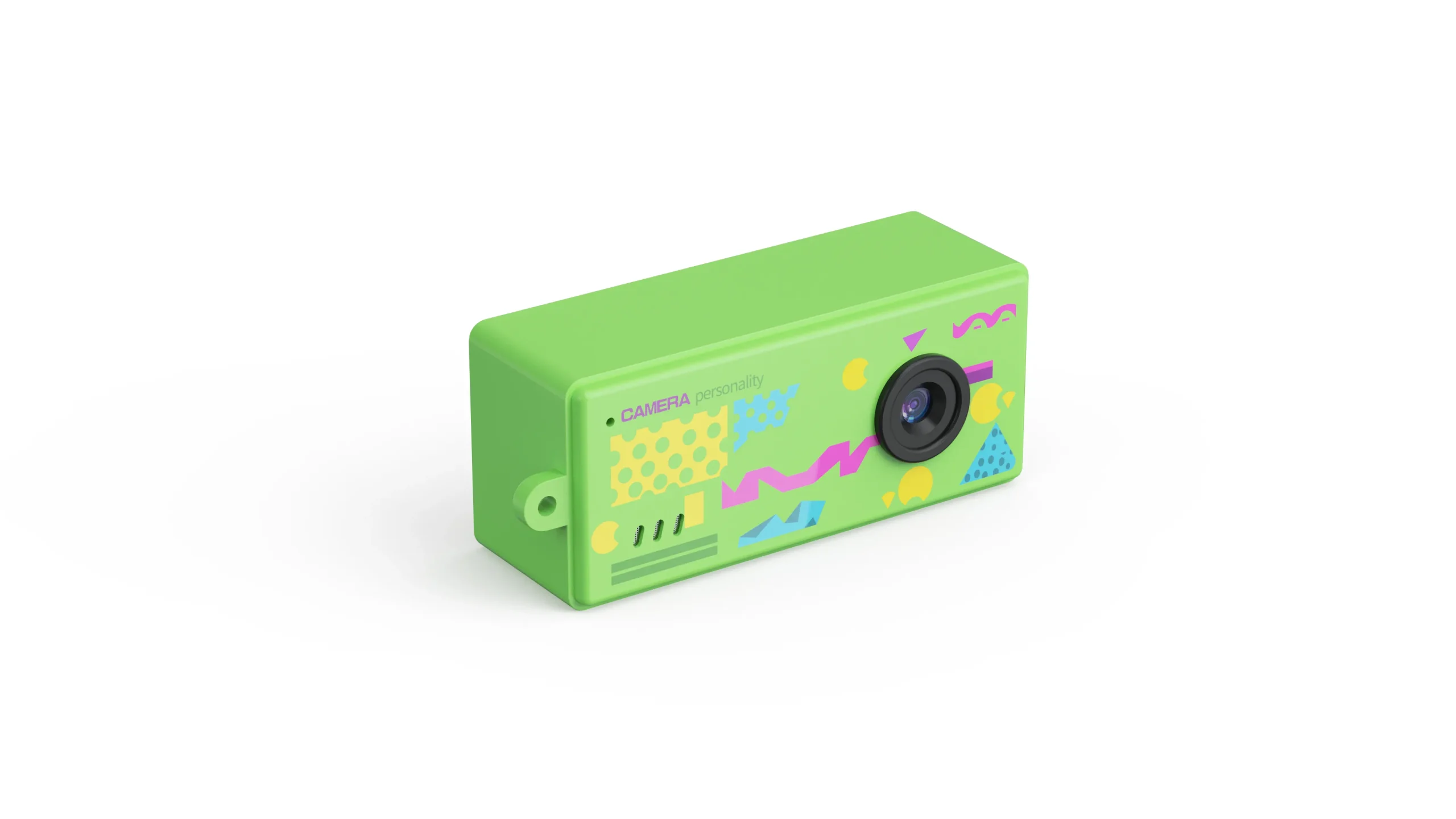
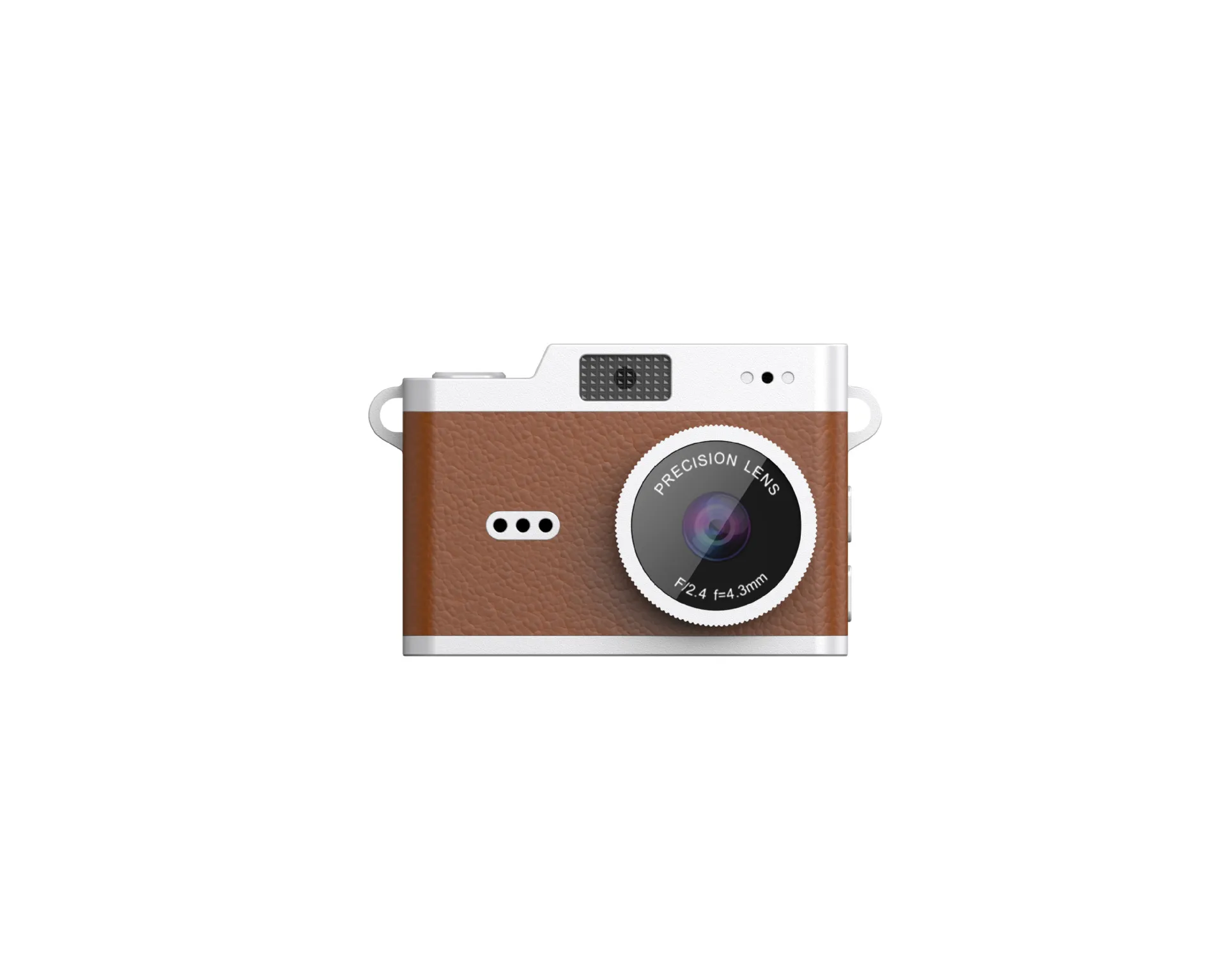
A vintage digital camera means two different products in 2026: the original 2000s-era digicams that collectors chase, and new cameras built to look and feel like them. This guide is written for the second market, for brands, e-commerce sellers, importers, and gift programs who want the vintage look on a production line, with modern parts and consistent quality behind every unit. It covers what the phrase means, why the look sells, how a new build compares with a used original, and what ordering from the factory looks like.
The advice comes from the factory side: JSRD runs two camera lines in Shenzhen and builds more than 2,000 cameras a day, and vintage-styled designs are one of the ranges we ship at volume. The models, the specs, and the customization options below all come from that range.
One distinction runs through the whole guide. In our usage, vintage describes the design language; everything we build ships new.
What “Vintage Digital Camera” Means Today
The phrase covers two products. The first is the original: the 2000s-era digital cameras with their small sensors, strong flash, saturated files, and colors that defined the decade, now traded as collectibles. The second is the new build: a camera manufactured today with the same design language, a card-shaped body, colors that read 2003, a keyring point, and current parts inside.
Collectors want the first; brands, sellers, and gift programs buy the second. The reasons are practical. A used original arrives with battery wear nobody can grade, storage history nobody can verify, and no way to repeat the order. A new build arrives with a fresh cell, a spec sheet you approved, and a production line that can produce the next carton to the same spec. The original trades on scarcity; the new build trades on repeatability, and repeatability is what a catalog runs on.
The originals that defined the look were the point-and-shoots of the first digital decade: pocketable bodies, built-in flash, saturated files straight out of the camera, and the pause between shots that made each frame deliberate. The small sensor and the fixed lens were limits at the time; two decades later they are the style. Collectors chase that rendering, the resale market prices it, and the design language it left behind is what the new builds inherit.
Search tools log every word order buyers try: camera digital vintage, digital camera vintage, vintage camera digital, camera vintage digital, digital cameras vintage, vintage cameras digital. Six orderings of three words, and they all land on the same shelf, which is why this guide answers them in one place.
The same shelf carries the plural forms: digital vintage cameras built on modern lines, and vintage digital cameras styled for the feed-first buyer.
Why the Vintage Look Sells
The look reads at first glance in a feed. A card-shaped body in saturated colors photographs as an object with a story, and stories are what stop the scroll. Full-size cameras photograph as equipment; a vintage digital camera photographs as a character. The body style, the color, and the files all point to the same decade, which is why the object reads as one thing instead of a camera with a filter on it.
Two generations buy it for different reasons. The generation that grew up after the era buys it as style; the generation that lived it buys it as memory. Both buy the same body, which is why one product serves social-first sellers and gift programs at the same time. Vintage digital cameras hold that dual shelf better than any other form in the range.
Gift season stacks on top of the trend. A camera that looks like a found object photographs as a better gift than its price suggests, and the unboxing carries the story further. Retailers who stock the vintage tier in the fourth quarter sell it again in the fifth: the photos recipients post in December become the listings that convert in January.
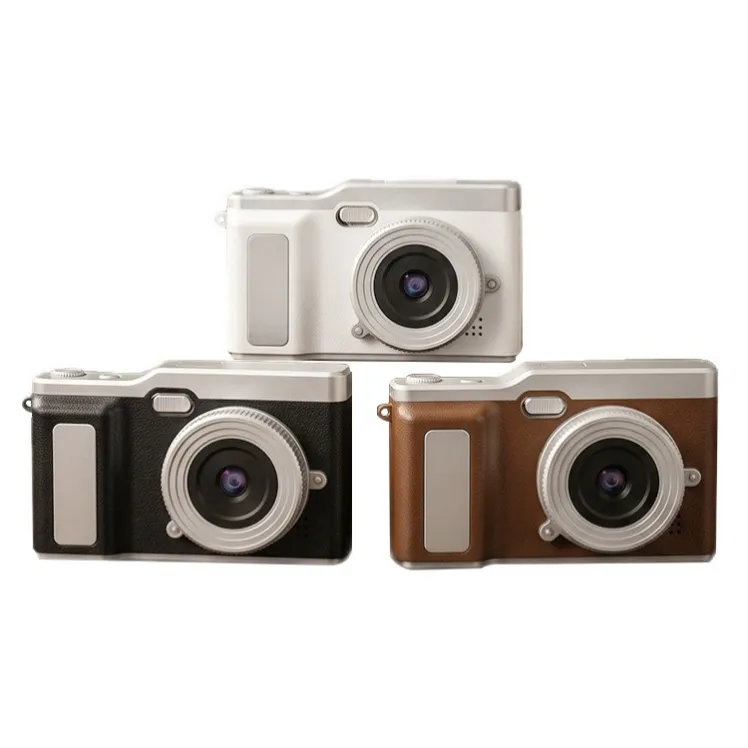
Color runs the gifting side as well. Six stock colors let one gift order serve different recipients, and the color the recipient opens is the first review the gift collects.
The tier also photographs as content. The stills and clips a vintage camera produces are the material a product page, a feed, and a gift tag all need, which means the demo and the listing come from the same pocket. Sellers who shoot with the camera they sell answer the look question and the quality question in the same set of photos.
The appetite is not limited to one shelf. Fashion retail, resale platforms, and gift catalogs all moved toward objects with a past, and a camera is the one object in that wave that also records. That combination is the category’s edge.
Vintage Design, Modern Production
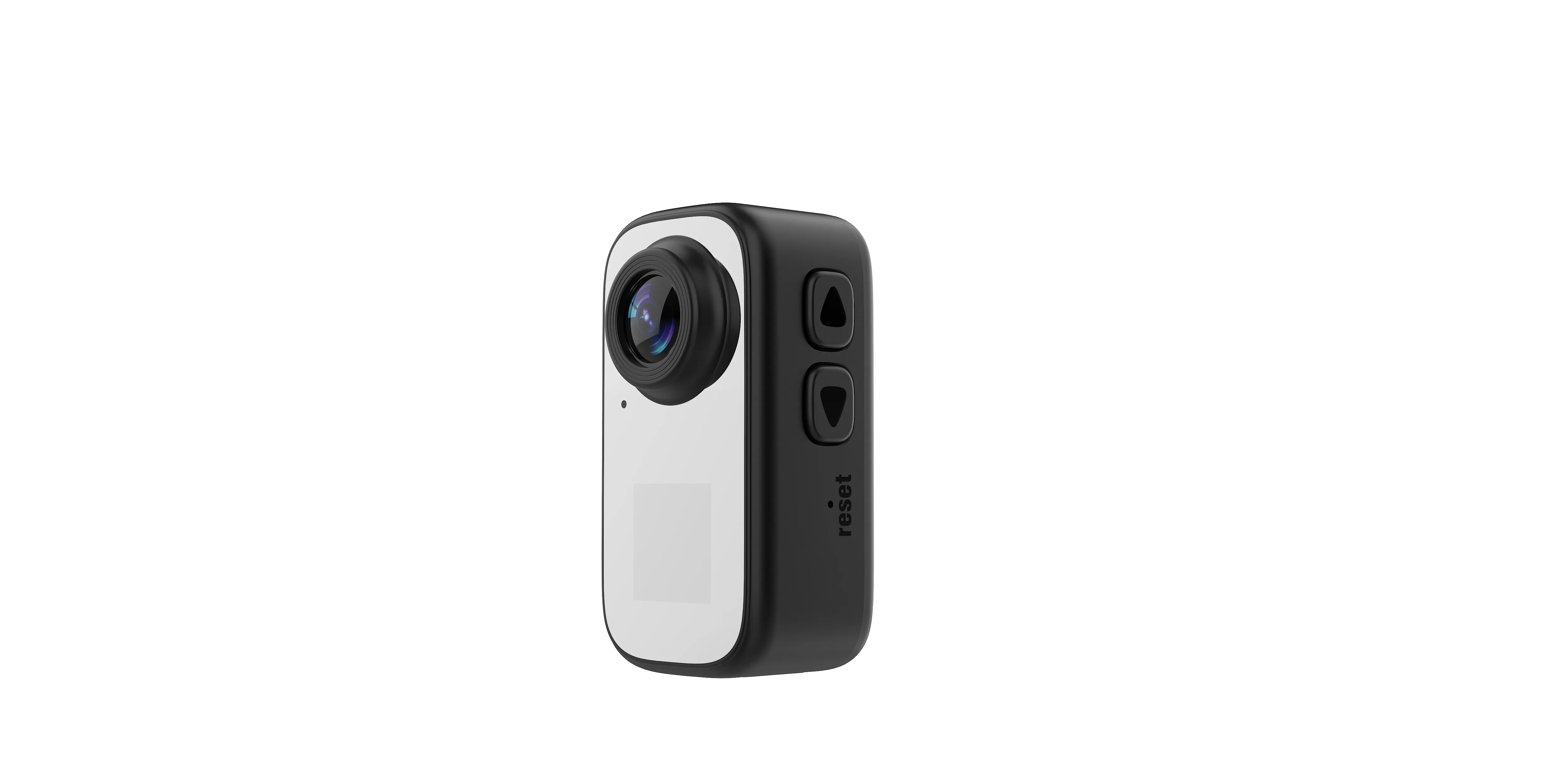
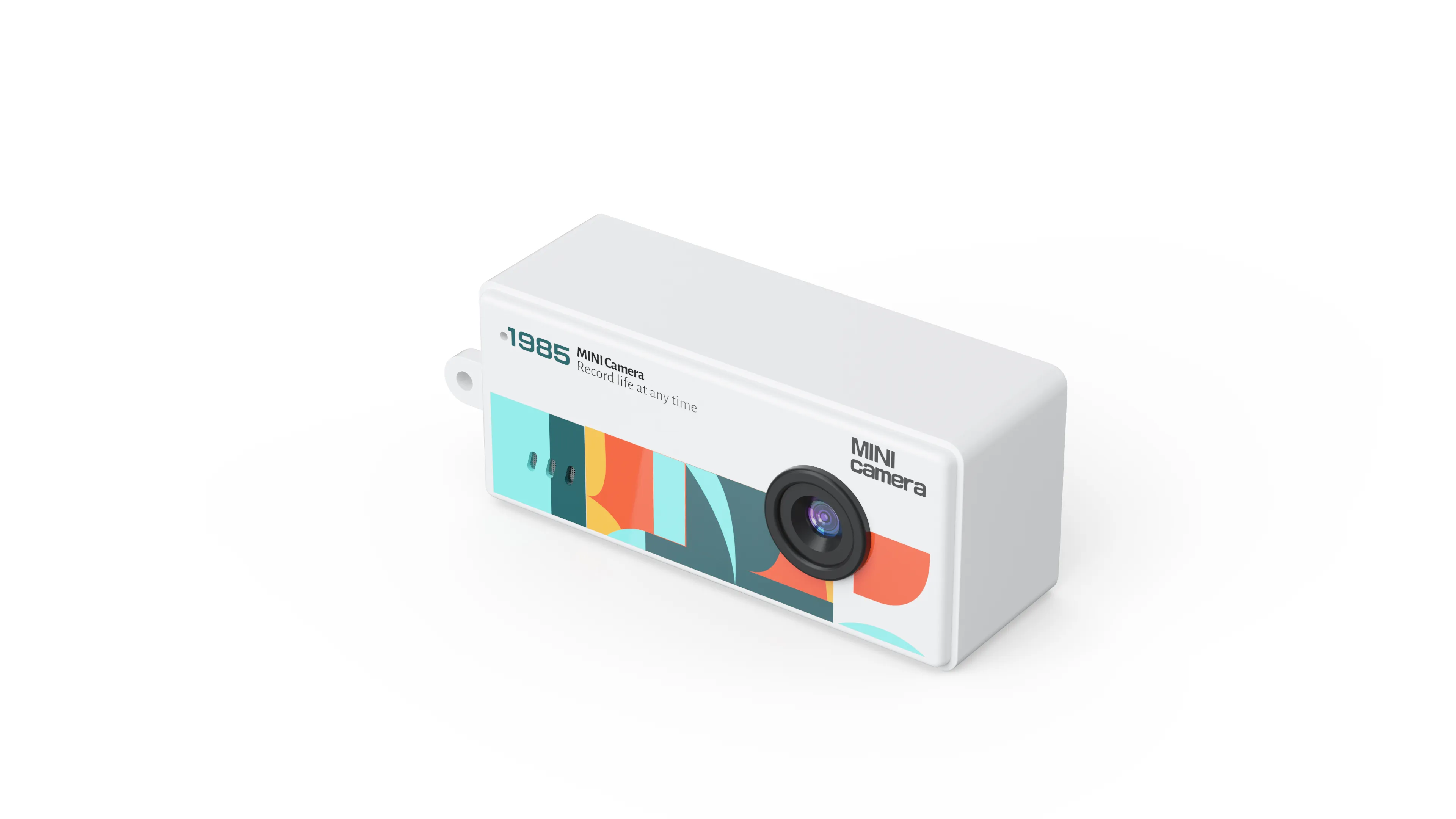
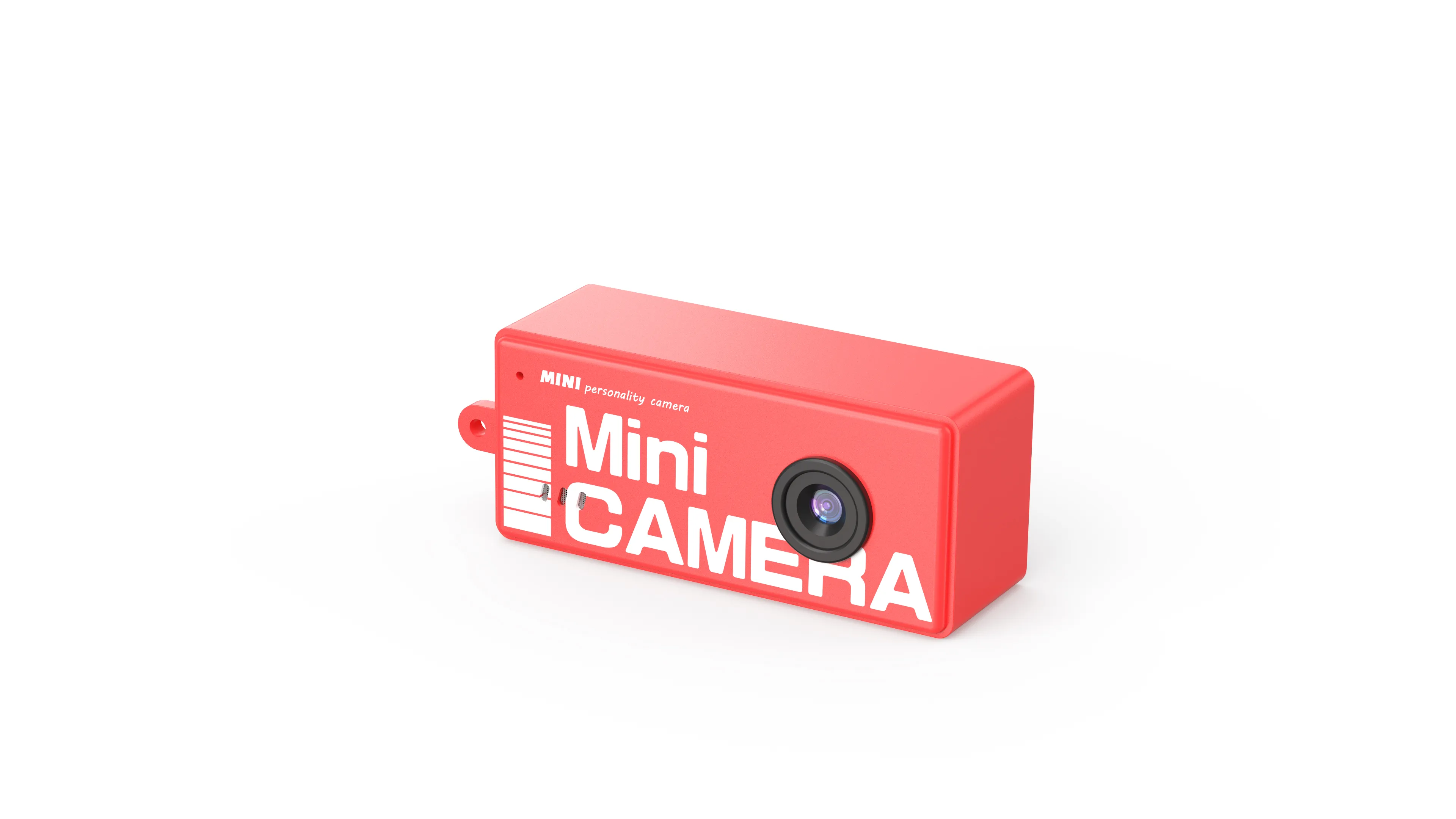
The design checklist is short: a card-shaped body, saturated colors, a keyring point, and a screen on the back for framing and playback. The AC-7 carries all four at 22 grams in six stock colors, which makes it the reference unit for the vintage tier. A digital vintage camera built new follows the same checklist at any size in the range.
The parts inside are current: CMOS sensors (the image chip that captures light) from 1/10 to 1/4 inch, pixel counts from 0.3MP to 5MP (a megapixel is one million pixels), video and stills recorded to TF cards (microSD memory cards), and batteries that charge over Type-C (the standard plug used on most phones). Nothing inside is 20 years old, and that is the difference a volume buyer pays for.
The used original has its place: collectors value the story of an object that survived two decades. But a used original cannot hold a spec, repeat an order, or back a gift program. The new build can do all three, and it keeps the look while it does.
Design and production sit in the same sentence for a reason. The vintage look is a body-and-color decision, and the body is where production lives: the card shape comes from the mold, the colors come from the finish line, and the keyring point comes from the assembly step. A factory that runs all three can hold the look across a thousand units, and that is the difference between a vintage camera and a vintage-looking one.
Used Original vs New Build
The question comes up in every vintage conversation, so here it is as a table:
| Question | Used original | New build |
|---|---|---|
| Battery condition | Two decades of wear, ungraded | Fresh cell, new out of the box |
| Storage history | Unknown files and card wear | Clean slot, your TF card |
| Spec sheet | As found, unverified | Approved before production |
| Repeat orders | One unit, no volume behind it | Same spec, carton after carton |
| Color range | Original colors, as found | Six stock colors, custom at volume |
| Documents | Varies by seller | CE, FCC, CPC, RoHS on file |
The originals have collector value, and nobody argues with that. The table answers a different buyer: the one who needs the look at volume, on a schedule, with the same spec every time. That buyer orders new builds, and the question ends where it should: the original stays in the collector’s cabinet, and the new build goes to work.
The VGA Tier Delivers the Era Look
The first digital decade recorded at VGA: 640 by 480. Our vintage-tier cameras record at the same resolution, which means the files carry the period look by default. No filter, no post-processing, no grading: the resolution is the era, and the era is the look the buyer chose.
The softness and the color of the first digital decade are in the files as they come out of the camera. That honesty also sets the expectation with your customers: files at VGA post to social feeds at feed size, where the vintage look reads as intended, and they open on any device without conversion. Buyers who need larger files belong on the higher tiers of our range; buyers who want the era look get it as built, not as an effect. The era look is the reason this tier exists.
What Vintage Digital Camera Reviews Examine
Buyers who research before they order read vintage digital camera reviews for four things, and a factory spec sheet should answer the same four in writing:
- Color rendering: whether the files carry the saturated, warm-cast look the era is known for, straight out of the camera. Our VGA pipeline is tuned for files that post and play without correction, and the warm cast reads in stills and video alike.
- Battery honesty: whether the camera records a full session on one charge. Our cells are 200mAh, new out of the box, charged over Type-C, and a fresh cell is the one battery claim a new build can make without testing the buyer’s luck.
- Build condition: whether the body survives the pocket and the keyring. New housings, new shutters, no wear to grade, and a card body that has never left the factory.
- Storage behavior: whether files transfer and open anywhere. TF cards up to 32GB, read in any card reader, no subscription and no account, and the files open on any computer with a reader.
The same four lines belong on your own product page. Buyers who search reviews are trying to de-risk an order; a page that answers the four questions in writing does that job before the review sites do. Written in that order, the four answers are also the four lines your own listing needs.
Where the Vintage Tier Shoots
Street style is the first setting. The card body in saturated colors against a street backdrop is the pairing the whole trend runs on, and the files match the frame: the look in the photo and the look in the footage come from the same camera.
Gatherings are the second. A pocket camera at a table shoots the group without a lens between people, and the flash handles the room, which is how the originals earned their keep and how the vintage tier earns it now.
Outfits and flat lays are third. The camera photographs as part of the outfit, and product pages built on that pairing sell the style and the camera together.
Gift moments are fourth. The unboxing, the keyring, the color reveal: the vintage body carries a gift story in objects instead of words, and the photos land in the recipient’s own feed.
Colors Run the Vintage Shelf
Color is the inventory of this tier. Six stock colors turn one model into a collection, and each color photographs as its own listing with its own mood. Retailers who display by color sell the range instead of a unit, and the display builds itself: line the bodies up by tone and the shelf explains the category on its own.
Custom finishes open at volume. Beyond the six stock colors, factory runs can match a brand palette, and laser engraving puts a logo on the body without touching the design. The color program is the part of the vintage tier a brand can own outright.
Which Models Carry the Vintage Tier
Three models carry the look. The AC-7 keychain camera is the reference: 22 grams, a card body with a built-in keyring point, six colors, and the full vintage checklist. The AC-5 runs the same design at 19.5 grams for the lightest pocket carry. The AC-8 sits between them at 21 grams. All three record VGA, store to TF cards up to 32GB, charge over Type-C, and take laser engraving, so the vintage tier stays consistent from the lightest unit to the heaviest.
The pocket and keychain forms these bodies come in are covered in our mini camera guide, and the complete camera lineup shows where the vintage tier ends and the other tiers begin.
Who Buys Vintage-Style Cameras
Gift programs buy the story and the price together: a vintage digital camera that looks like a found object, priced inside a gift budget, in a box built for the holiday. Laser engraving carries the brand on the body, and the packaging carries it from shelf to unboxing. Gift-ready packaging is part of the quote rather than an afterthought, the color split per order follows the recipient list, and mixed-color gift orders ship from the same production run.
E-commerce sellers buy the feed story: product photos that stop the scroll, a color range that turns one listing into a shelf, and returns that stay low because the product is simple. The vintage look does the differentiating; the spec sheet does the reassuring. Parcel-rate shipping is the quiet advantage here, because a mini-format body keeps every order at letter-carrier weight.
Importers and regional wholesalers buy the repeatability story: light bodies, full color ranges per carton, and batch consistency that holds because the same two lines build the same model the same way, cycle after cycle. The six-color range also spreads one order across a full shelf plan.
Corporate gift and promotion buyers reach for the vintage tier when the giveaway needs to survive the event. A camera the recipient keeps using carries the brand longer than print, and the retro body is the reason it stays in use. The vintage body photographs as the gift, which is half the promotion done before the event.
Volume, Consistency, and Reorders
Two camera lines build more than 2,000 cameras a day, and the vintage tier moves through the same design review, the same molds, and the same quality control as any other camera we ship. Batch consistency holds because the same lines build the same model the same way, cycle after cycle.
Reorders run simple for the same reason: the spec you approved is the spec the line can produce again, and the color split per carton gets confirmed on the purchase order so the shelf arrives ready for the display you planned.
Ordering Vintage Builds From Us
The vintage tier runs on the same production system as the rest of the range, with feasibility confirmed before any quote. Laser-engraved logos, custom packaging, and small-batch customization run across the tier, and packaging artwork starts from your logo file.
The commercial frame: payment by TT (telegraphic transfer, a bank wire), CE, FCC, CPC, and RoHS certifications in place, and support that continues after shipping. Certification papers, packaging artwork, and export paperwork move in parallel with production, so the container and the documents land together.
An inquiry that moves fast carries five facts: the market, the model, the quantity, the destination country, and the colors your shelf needs. Packaging ideas and certification needs slot in next, and the spec conversation starts at the right place. Five facts keep the first quote close to the final one.
Start Your Vintage Build Brief
Tell us the market, the quantity, and the colors your shelf needs. Send your vintage build requirements to our team, and feasibility and pricing follow the confirmed spec.
JSRD (Shenzhen Jinsheng Ruida Technology Co., Ltd.) builds vintage-styled, mini, keychain, action, compact, and gimbal cameras for overseas brands.
Email: olivialee0822@gmail.com
Phone: +86-13609069228

The JSRD Editorial Team creates practical B2B guides for importers, brand owners, and Amazon FBA sellers sourcing digital cameras from China. Our content covers OEM/ODM customization, product selection, and sourcing decisions for camera products.