A buyer who searches for a digital camera with flash builds a night program or an indoor shelf: restaurant tables, party favors, evening events, or a gift camera that has to hold a face in a dim room. Our Shenzhen plant builds four bodies that carry their own light source, and the differences between them decide what a night program can promise on the packaging. This guide covers where the flash sits on each body, how buyers phrase the same request in different words, and what to confirm on a sample before the order lands.
Where the Light Comes From on Each Body
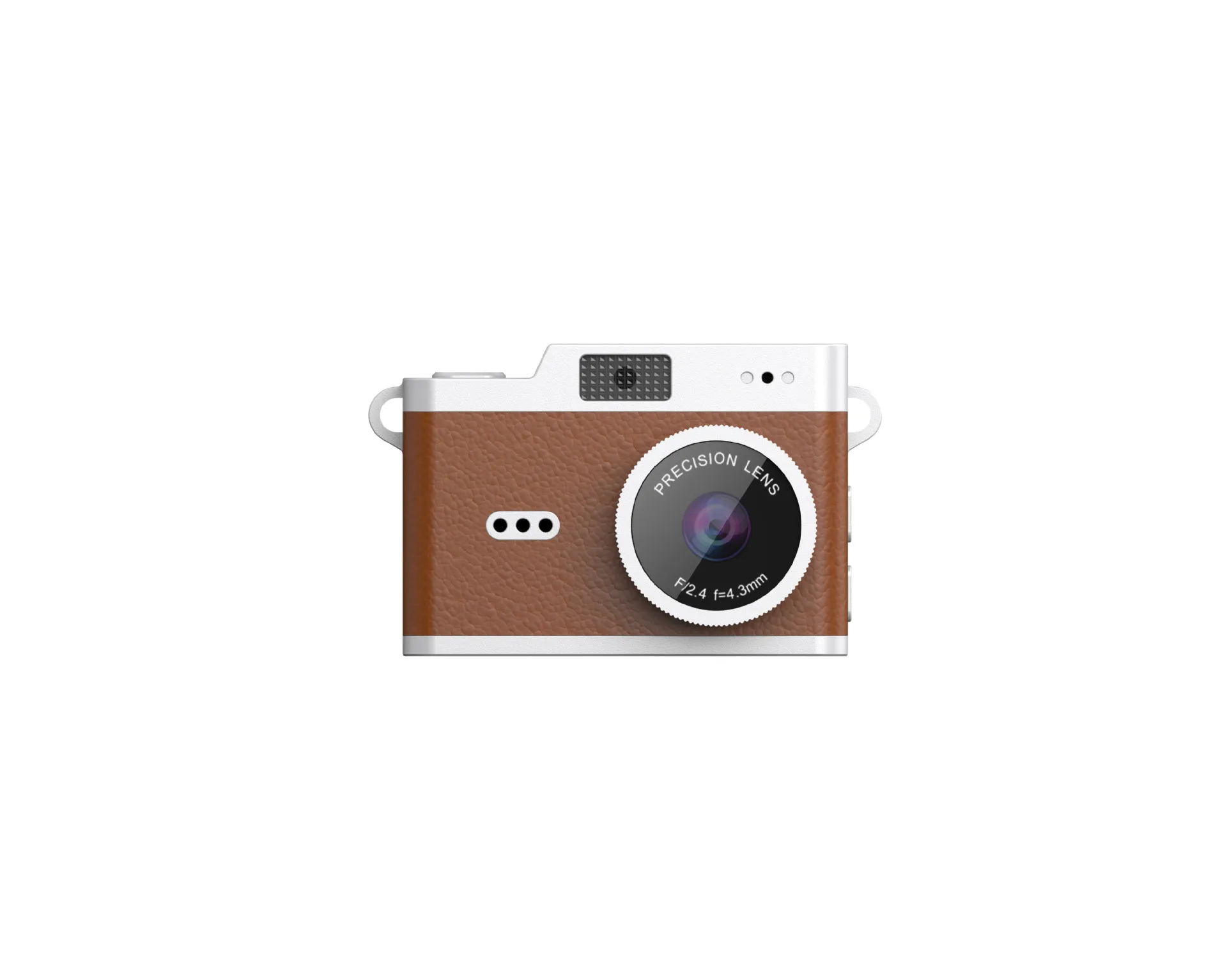
The compact AC-3 flip body carries a fill-in flash beside its single VGA lens, with the lamp set into the body rather than raised above it. The screen is a 2.4-inch HD IPS panel that flips to the front and the rear, so the same body covers a self-facing customer and a group shot. The cell is 700mAh and the TF card slot takes up to 32GB. At 115g, this body suits a counter display or a gift box where the camera sits still rather than travels in a pocket.
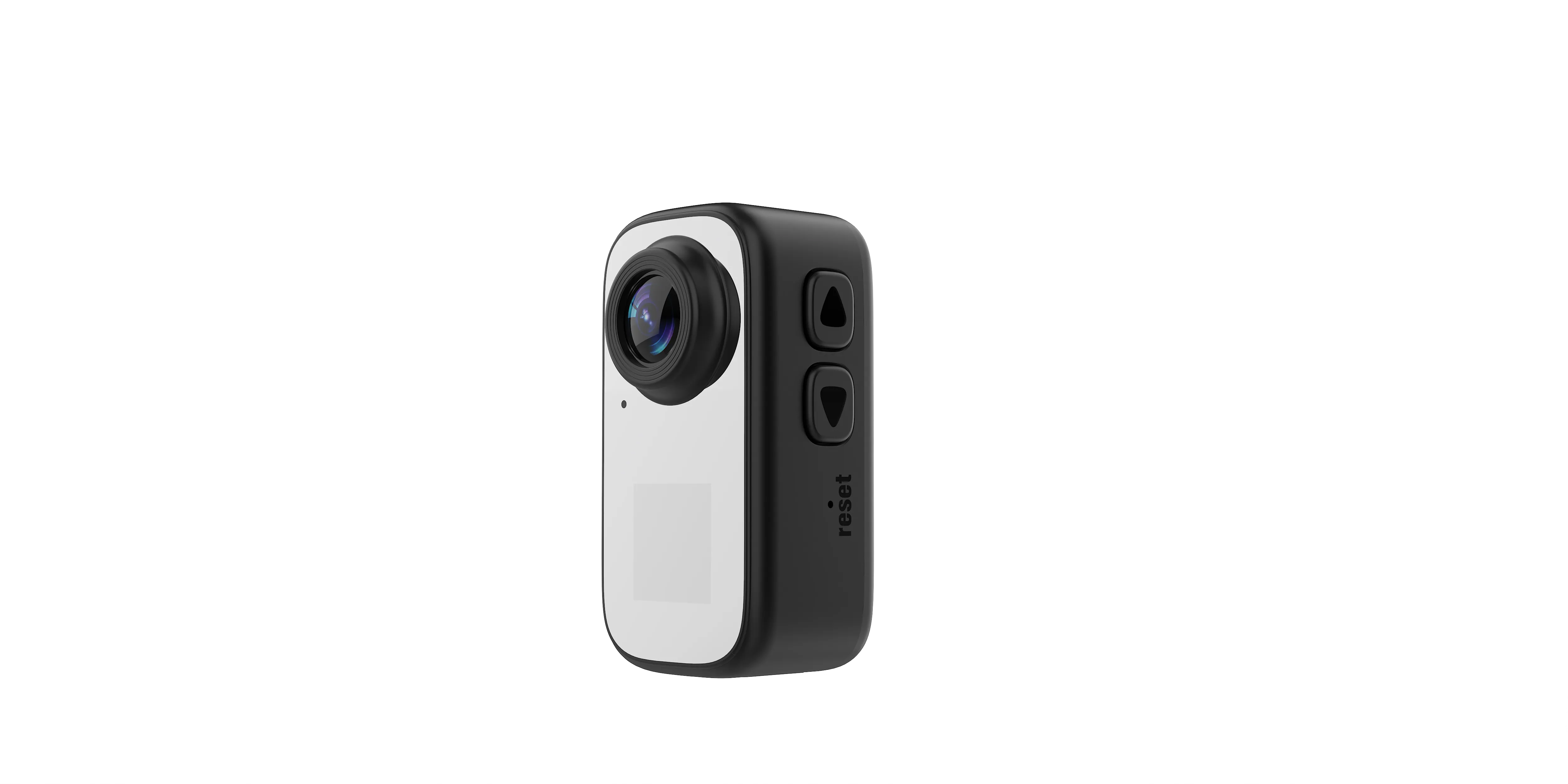
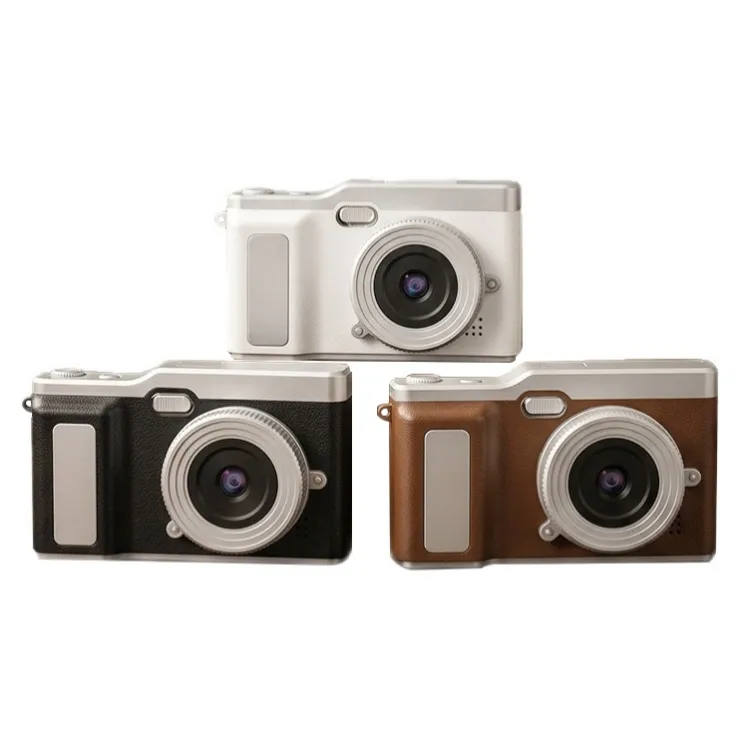
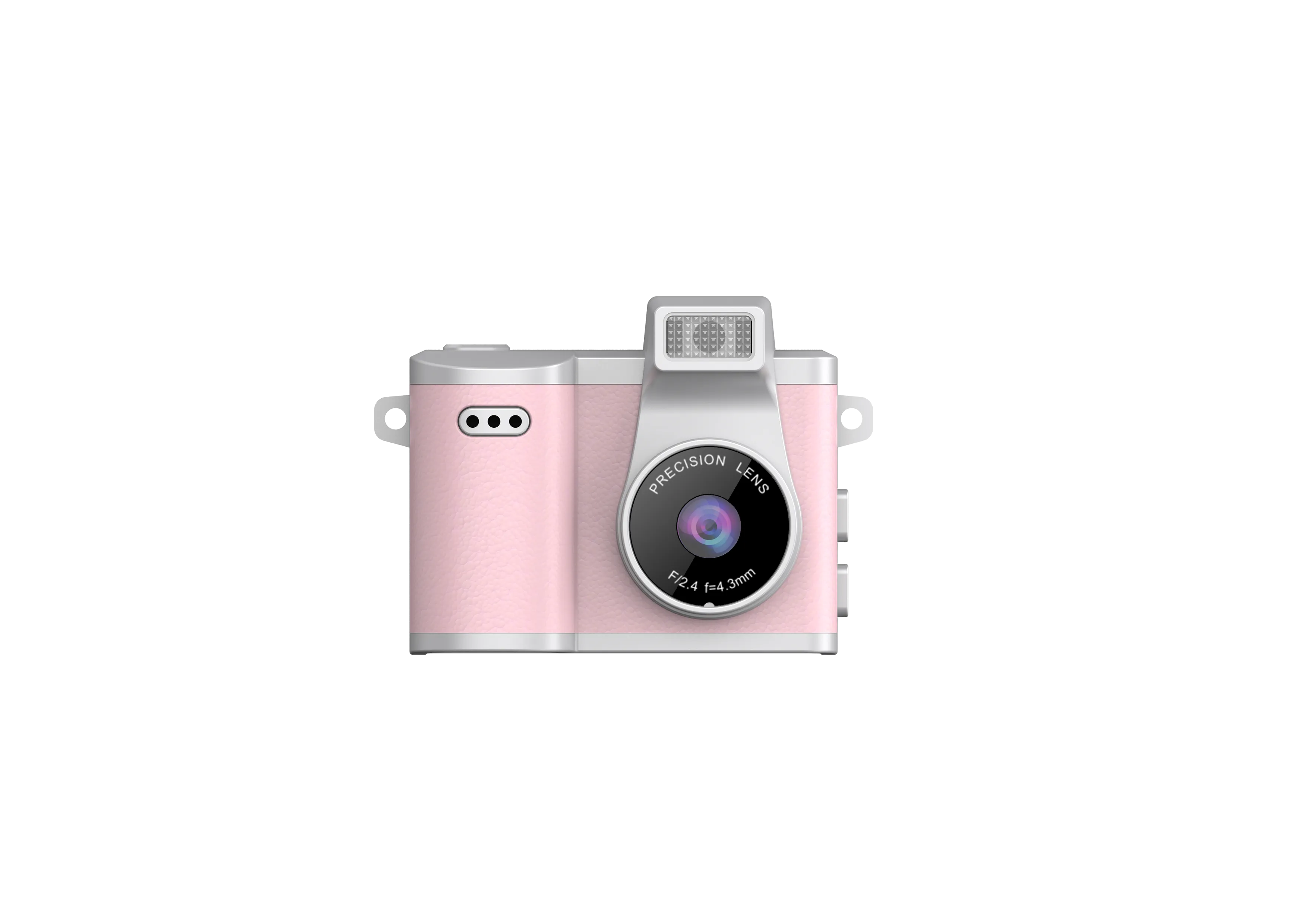
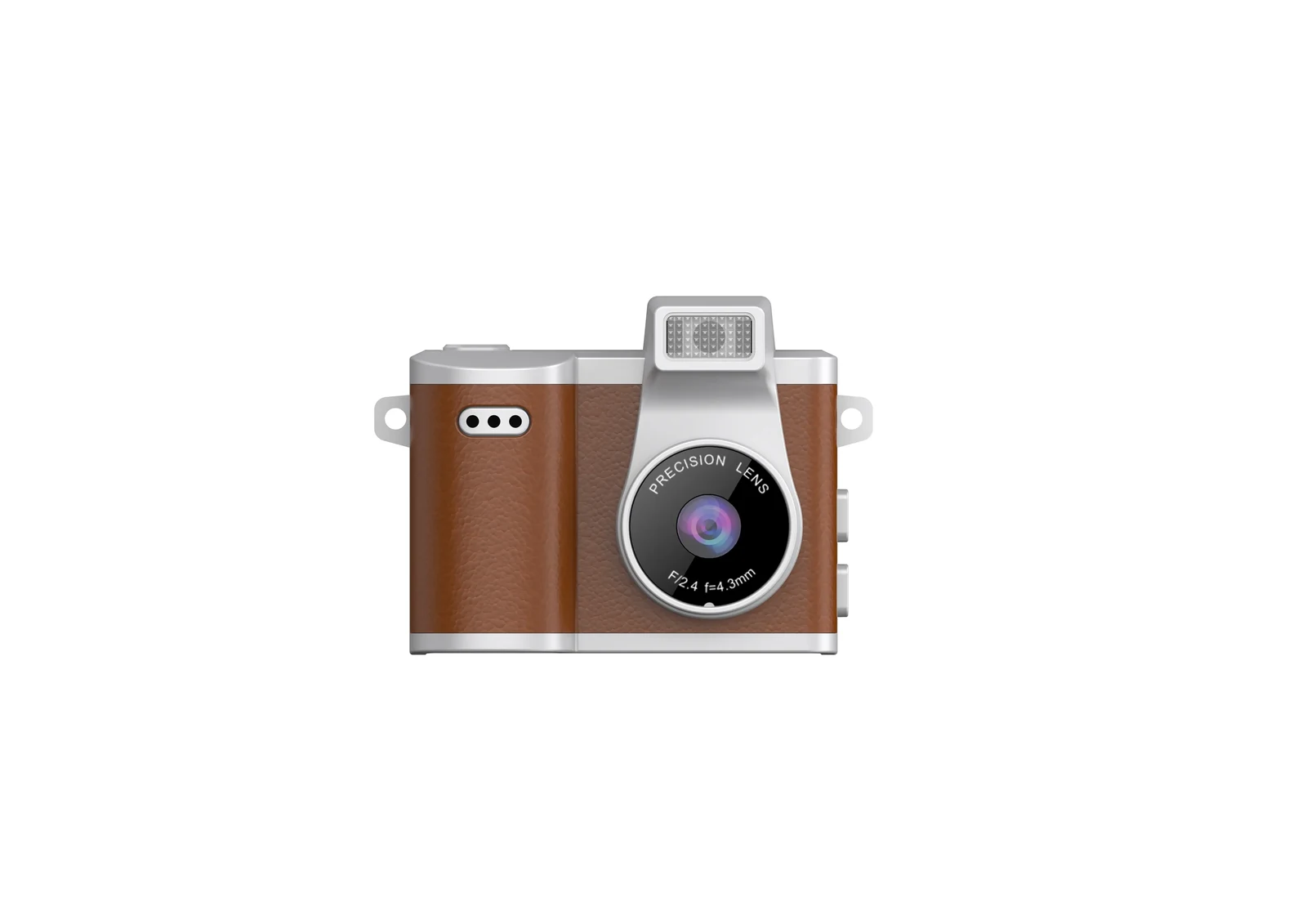
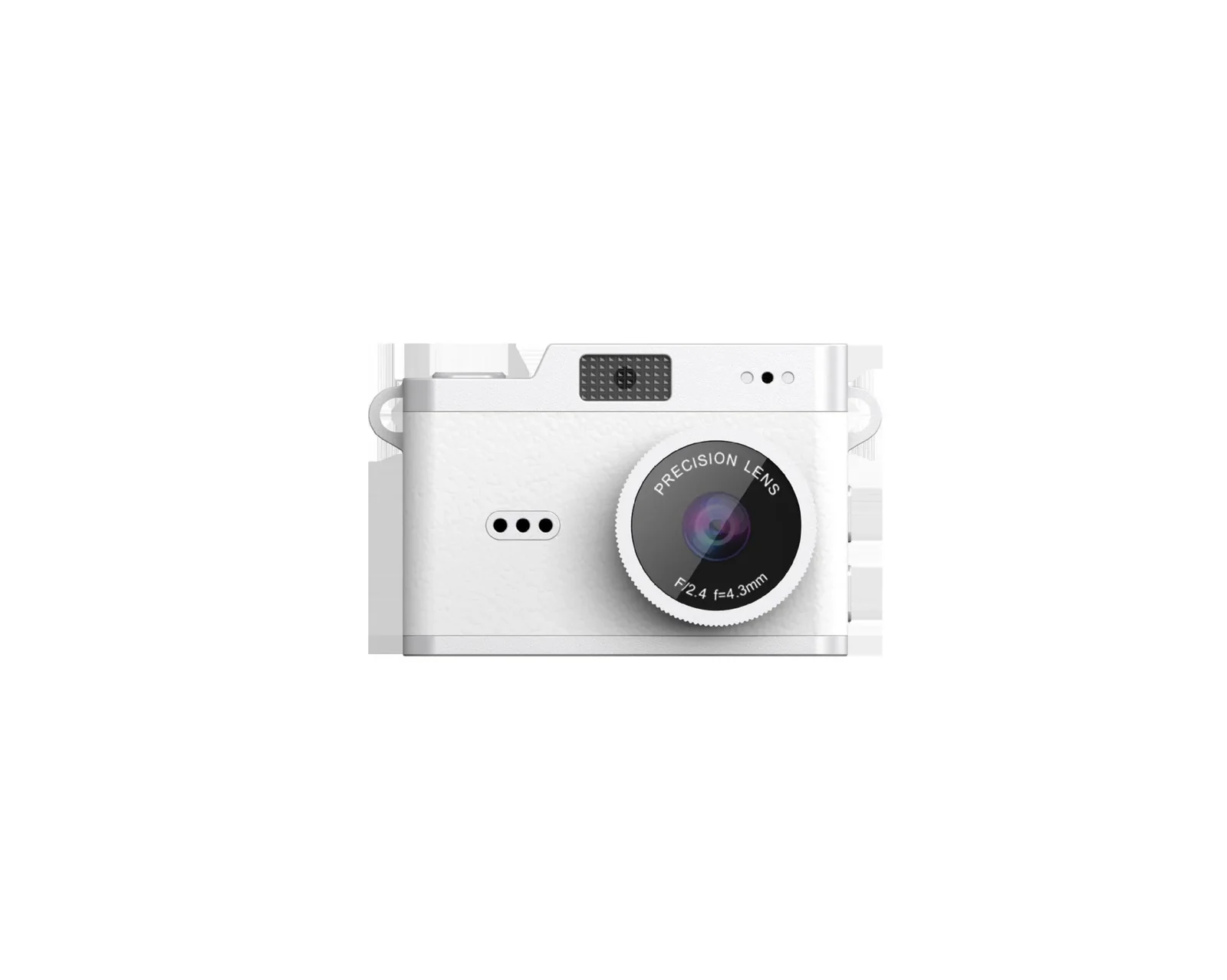
The three card bodies, the AC-5, the AC-7 and the AC-8, place their flash in a raised bump above the lens. That bump gives the shell its 2000s silhouette, and the same housing carries the light when the shutter fires. Each card body runs a 0.96-inch IPS screen, a single VGA lens, a 200mAh cell and TF card storage up to 32GB over Type-C. Weights run from 19.5g on the AC-5 to 22g on the AC-7, with the AC-8 at 21g. A reseller can pick the weight band that matches the shelf price and the shipping carton.
| Model | Flash arrangement | Screen | Battery | Weight | TF card |
|---|---|---|---|---|---|
| AC-3 | Fill-in flash beside the lens | 2.4-inch HD IPS, flips front and rear | 700mAh | 115g | Up to 32GB |
| AC-5 | Raised bump above the lens | 0.96-inch HD IPS | 200mAh | 19.5g | Up to 32GB |
| AC-7 | Raised bump above the lens | 0.96-inch IPS | 200mAh | 22g | Up to 32GB |
| AC-8 | Raised bump above the lens | 0.96-inch HD IPS | 200mAh | 21g | Up to 32GB |
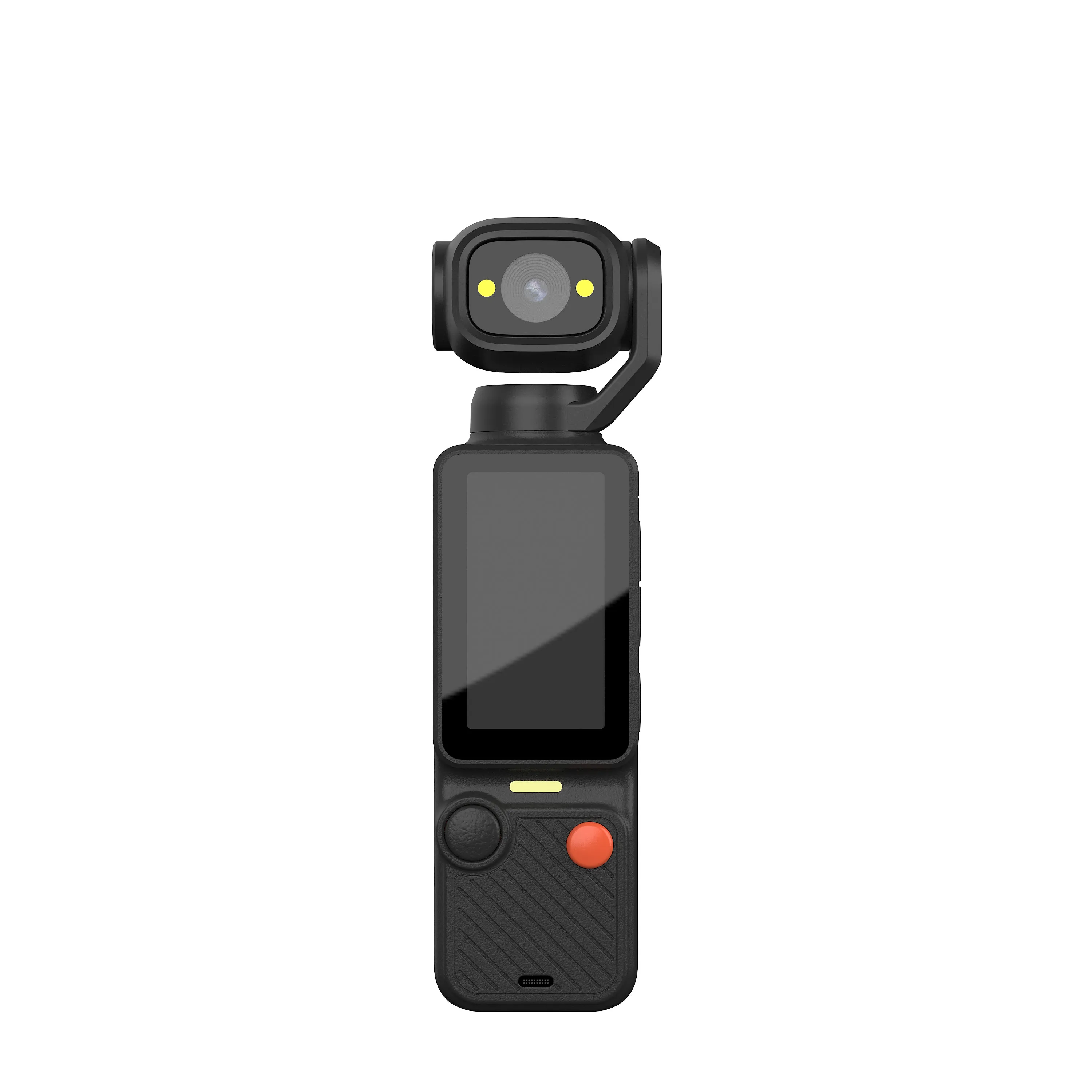
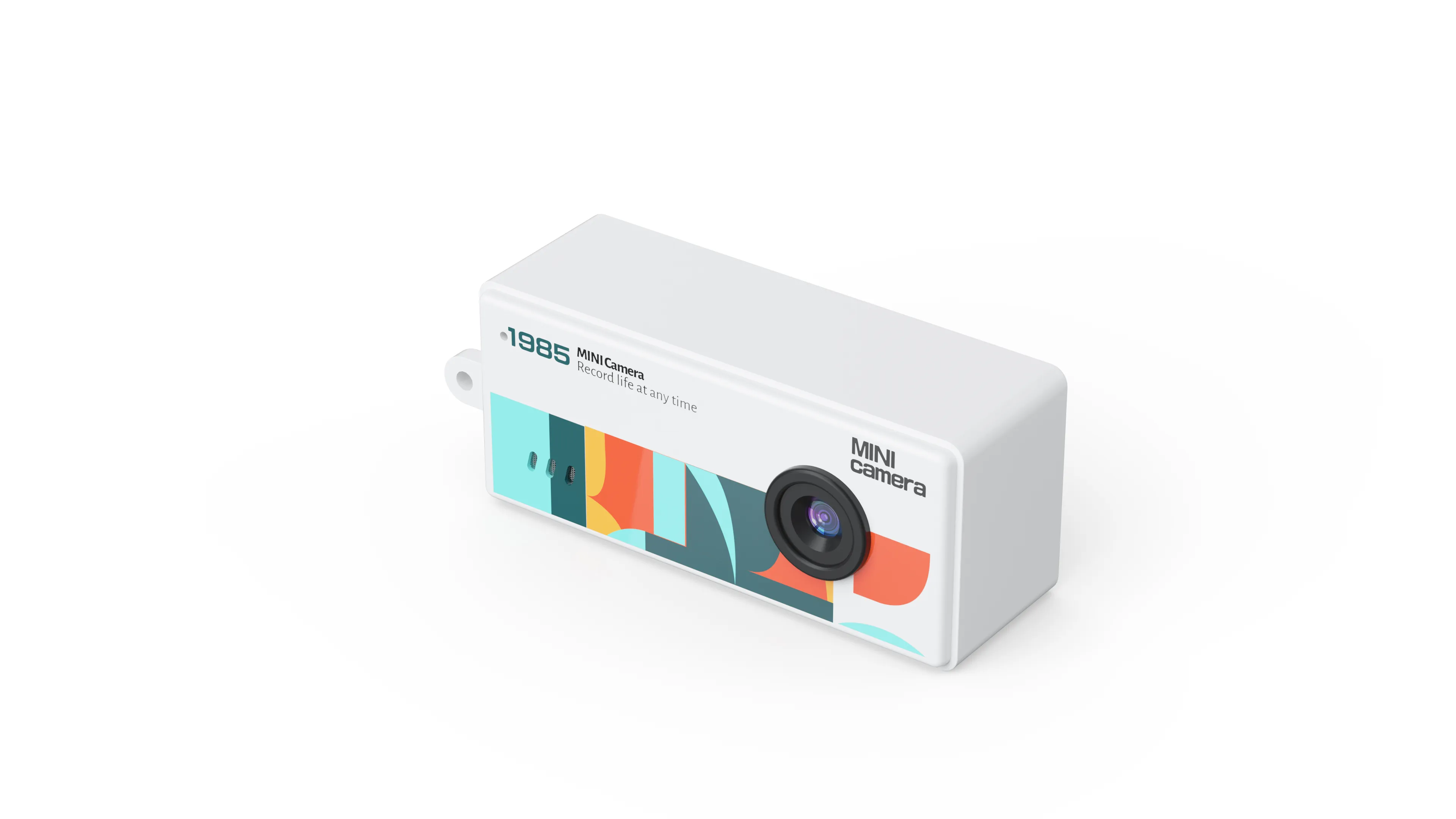
The AC-18 thumb body belongs to a different shelf. It runs a 2MP CMOS sensor with a 123-degree wide lens, a front 0.85-inch screen and a 1.3-inch rear touch screen, and it carries no flash at all. Buyers who pair it with a night program mount it on a helmet or a handlebar and record hands-free video, where a lamp on the shell would only waste battery.
How Buyers Word the Same Request
Some buyers type digital flash camera and stop there, treating the lamp as one line on a spec sheet. That phrasing lands on our card bodies first, since the raised bump shows in a product photo and the housing needs no moving part to work.
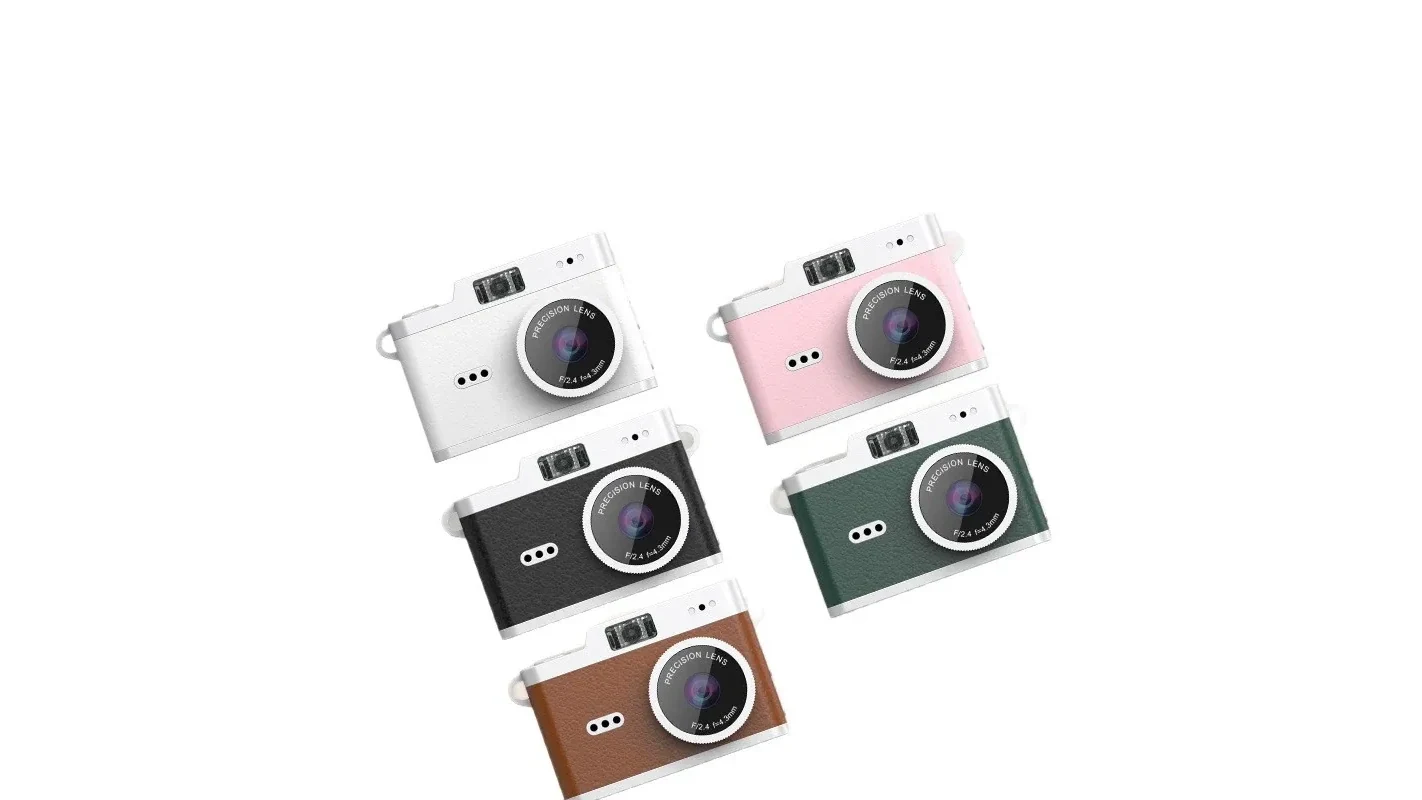
Programs that buy more than one model tend to search in the plural, and digital cameras with flash is the form we see from buyers filling a wall rather than a shelf. A retailer wants six colors of the same body and one shared spec sheet, so the question behind the plural search is a carton question.
A third group searches on the mechanism itself with digital camera pop up flash. A pop-up unit rises out of the shell when the shutter fires, and it leaves the body closed when the camera sits in a pocket. Our bodies keep the lamp fixed: the AC-3 holds a fill-in unit beside the lens and the card bodies hold the bump above it. A buyer who needs the closed profile should confirm that arrangement on the quotation instead of assuming it from a search phrase.
Night retail programs often arrive from the use case first, and digital camera for nights out is the phrase that shows up for bar, party and event promos. The requirement behind it stays the same: a face that stays visible under a dim ceiling, a body that survives a jacket pocket, and files that a customer can upload before the evening ends.
Sampling a Night Program
A night program needs two checks that a daytime sample hides. Ask for a photo taken in a dim room and look at what the lamp does to the subject rather than to the background. Then check the files that come out of the camera, because the card bodies record VGA stills and VGA video, and a program that promises a printable image needs to see the resolution the shell delivers.
Before the order, put the sample through the checklist your program will run through. Confirm the flash fires in each shooting mode, since the AC-3 covers photo sticker, continuous shooting and time-lapse video. Check that the TF card holds the footage you expect: the card bodies take up to 32GB, while the AC-18 accepts cards up to 256GB and ships with a 32GB card in the box, and the storage card field guide covers the card choices. Confirm the languages on the menu match the market, because the AC-3 carries eleven built-in languages and the card bodies carry ten, with custom language packs available on request.
Weight and color decisions belong in the same sample review. The card bodies run from 19.5g to 22g, and the AC-7 comes in six stock colors: red, white, black, yellow, blue and green. Custom colors on the AC-3, AC-5 and AC-8 start at 1,000 pieces for one exclusive color, which is the practical floor for a program that wants a shell no other seller carries.
Ordering and Delivery
Our floor runs two camera lines across a 1,100-square-meter facility in Shenzhen, with more than 2,000 units leaving per day and between 50 and 60 staff on the lines. Standard production runs 15 to 20 days, and payment goes by TT. Small-batch customization sits at the start of the route, and logo swaps, laser engraving, artwork support, shipping support, online operation support and after-sales service follow the order through to the customer.
| Document | Market coverage |
|---|---|
| CE and RoHS | European Union |
| FCC | United States |
| CPC | United States gift and toy channels |
Ask for the document copies before the balance goes out, and match each one to the destination market on your quotation. A night program that sells through mall kiosks and department store counters needs the full set on file, and the paperwork travels with the order.
Common Questions
Does the flash on the card bodies raise out of the shell?
No. The card bodies hold a fixed lamp in the bump above the lens, so the shell keeps the same profile whether the camera is shooting or stored. The AC-3 uses a fill-in flash set into the body beside the lens.
Which body suits a shelf that lives in a dim room?
The AC-3 gives you the largest screen and the largest cell, at 115g. The card bodies trade screen size for weight, and each one weighs under 22g, which suits a pocket program or a gift camera that travels with the customer.
Can a custom color run on a body with a flash?
Custom colors start at 1,000 pieces for one exclusive color on the AC-3, AC-5 and AC-8. The AC-7 comes in six stock colors, which covers most programs without a custom tooling run.
Send the model, the quantity, the destination market and the flash arrangement you need, and request a quote from our team for the night program.

The JSRD Editorial Team creates practical B2B guides for importers, brand owners, and Amazon FBA sellers sourcing digital cameras from China. Our content covers OEM/ODM customization, product selection, and sourcing decisions for camera products.