A traveler reaches for a camera that fits a jacket pocket and expects it to record when the light turns flat. A buyer who stocks that camera needs a spec line a customer can verify before the trip, and a slogan settles nothing. The search behind best small digital camera for travel covers both sides of that deal, and this guide names the bodies we build for it along with the limits each one carries. The same bodies answer the everyday carry question, since a camera that survives a trip also sits in a pocket on a Tuesday.
What the Small Digital Camera for Travel Has to Prove
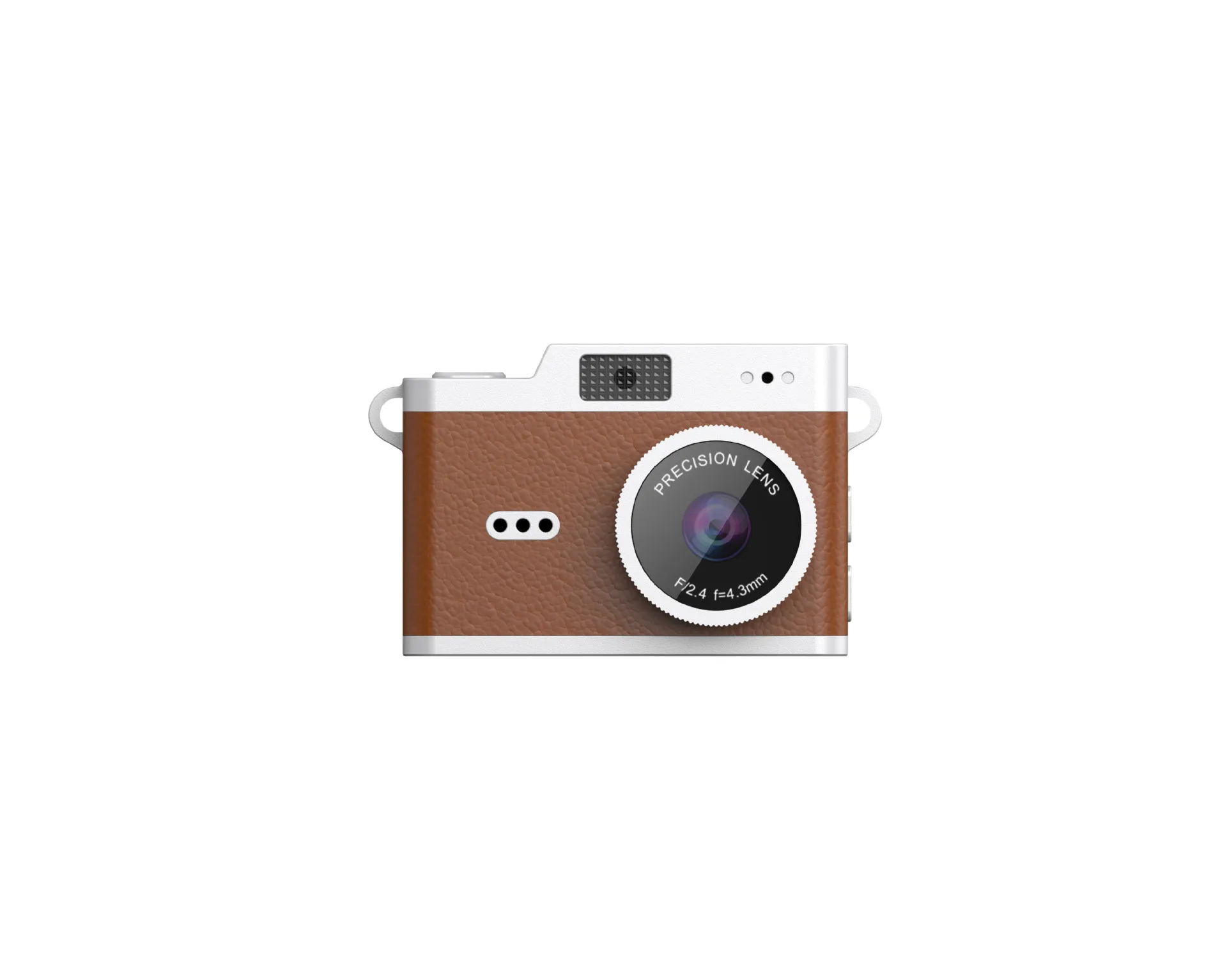
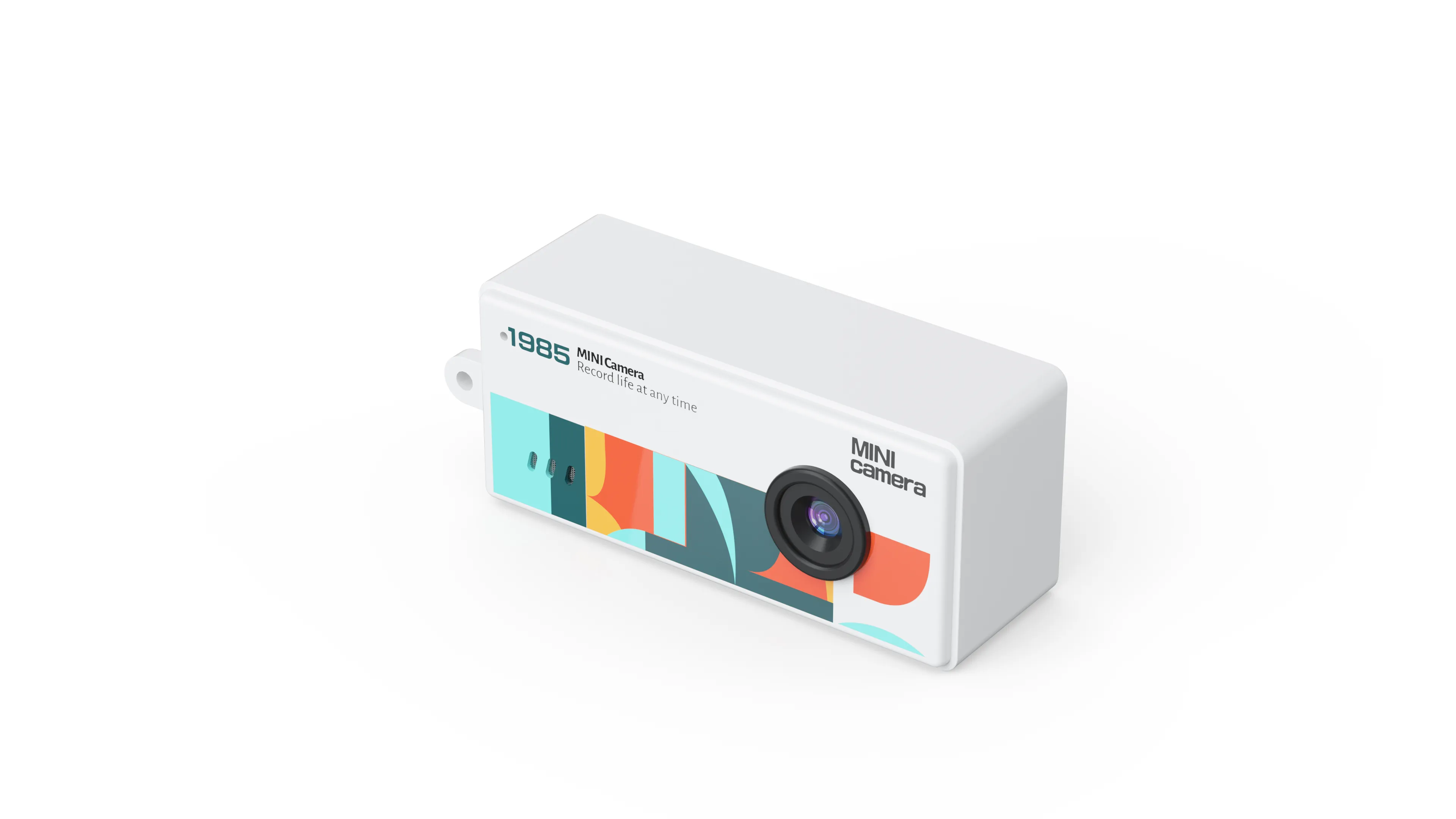
Pocket fit decides the shelf placement, and gram weight decides the price a traveler accepts. Our card bodies sit between 19.5 and 22 grams, which puts them in the pocket tier rather than the hand tier. Each carries a 0.96 inch IPS display, a 200mAh rechargeable cell, Type-C charging, and a TF slot that accepts cards up to 32GB. A buyer who writes those lines on the listing page answers the question a customer asks first, which is whether the camera survives the day.
Two limits belong on the same line as the weight. The card bodies record at VGA, which reads as a classic digital look to a gift buyer and as a ceiling to a detail chaser. The 32GB card ceiling caps a day of clips on the small tier. Write both numbers down and the resale program runs on facts rather than on adjectives.
The Pocket Tier and the Bodies Buyers Search Under
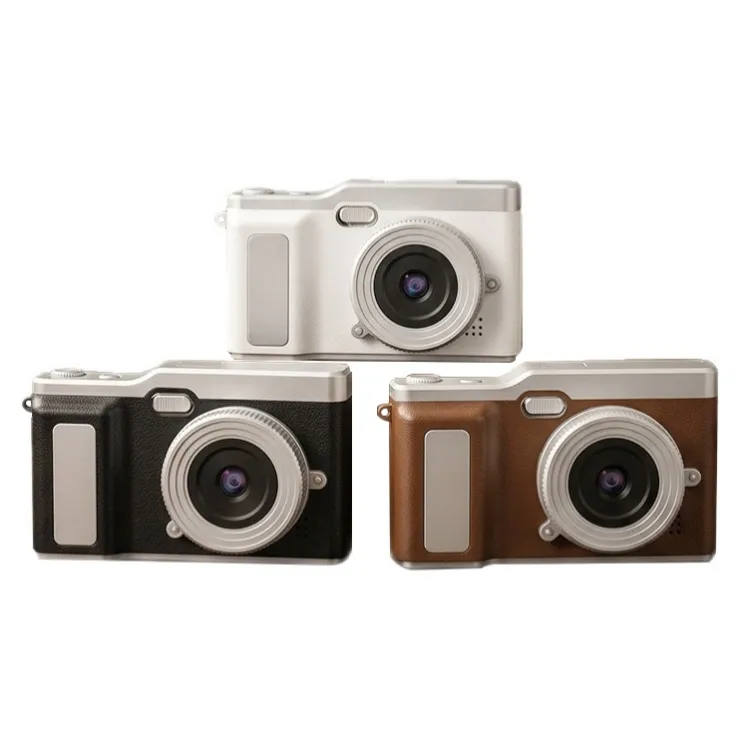
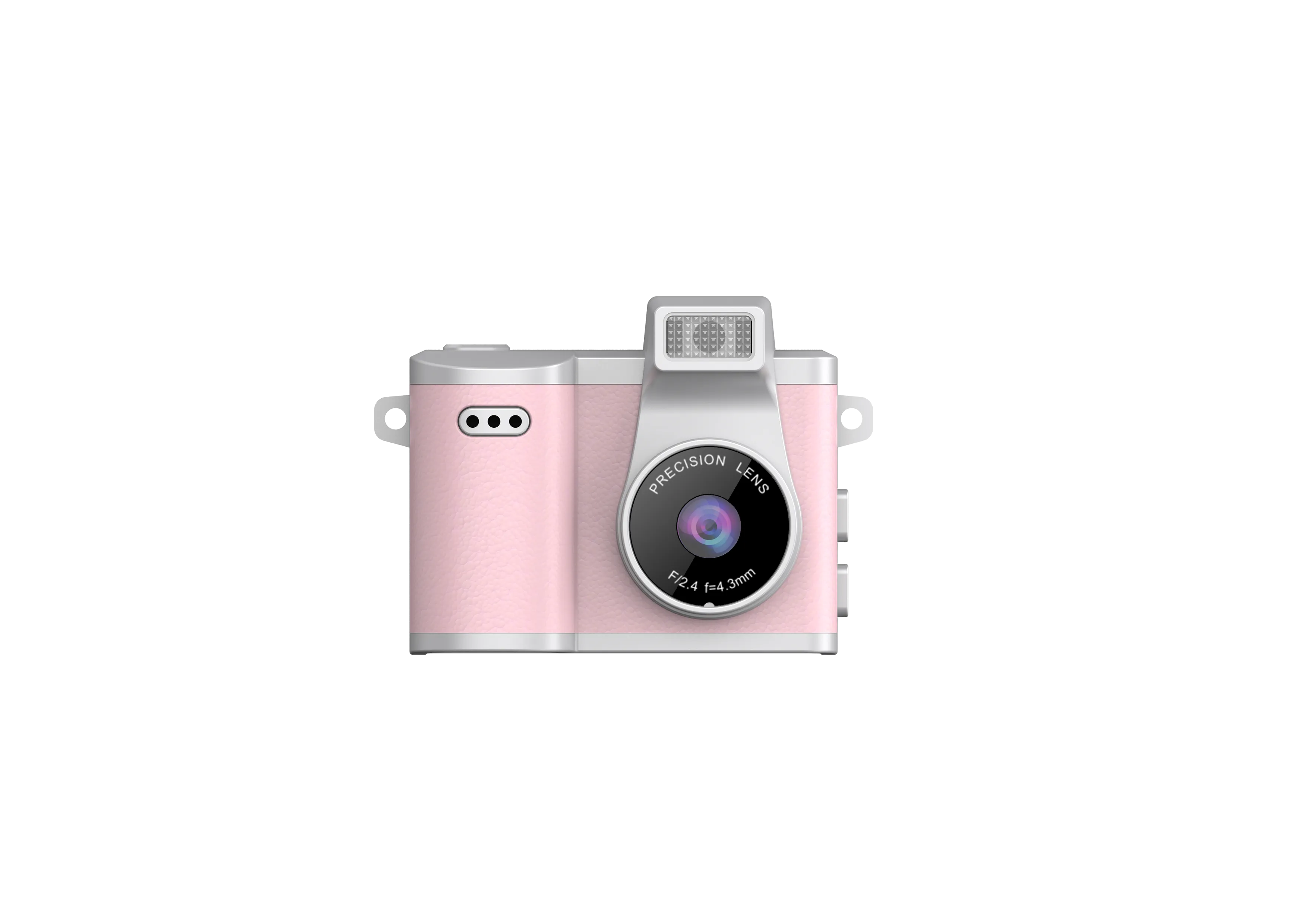
Search volume groups the small bodies under a handful of phrases, and small digital cameras for travel sits at the center of that group. The AC-5 answers at 19.5 grams with a 0.96 inch HD IPS display, a 200mAh cell, a VGA lens, and a Type-C port. The AC-8 keeps that layout and lands at 21 grams. The AC-7 runs at 22 grams and adds six stock finishes, which lets a reseller build a color line on one model number instead of splitting stock across panels.
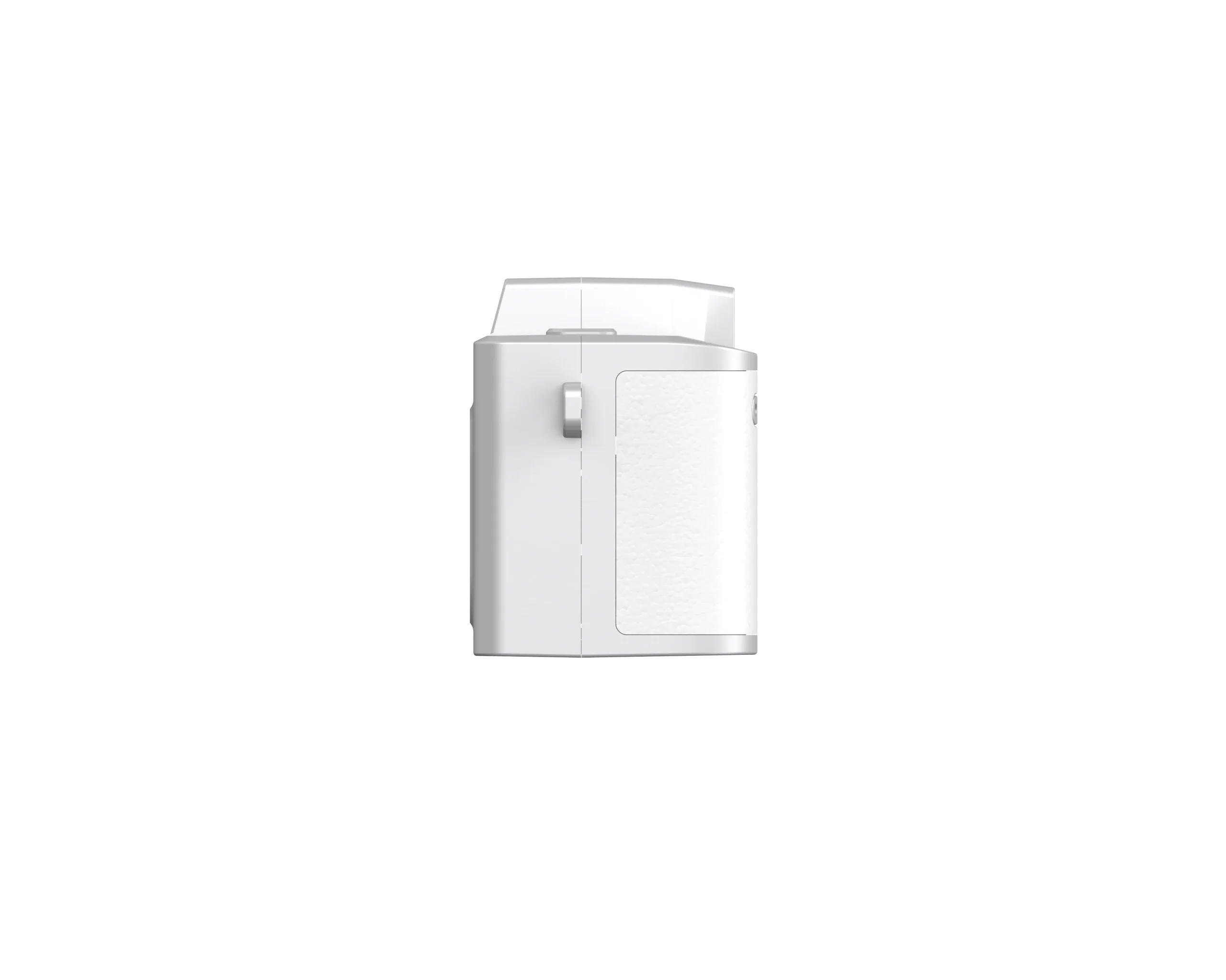
The same three bodies cover the good small digital camera for travel search from the buyer side, since a good travel body and a good small body are one object described two ways. For daily use the filter modes on the AC-5 and the AC-8 give a customer something to play with between trips, and the photo, video, and filter modes cover what a shop counter asks about.
The Flip-Screen Body That Joins the Travel Program
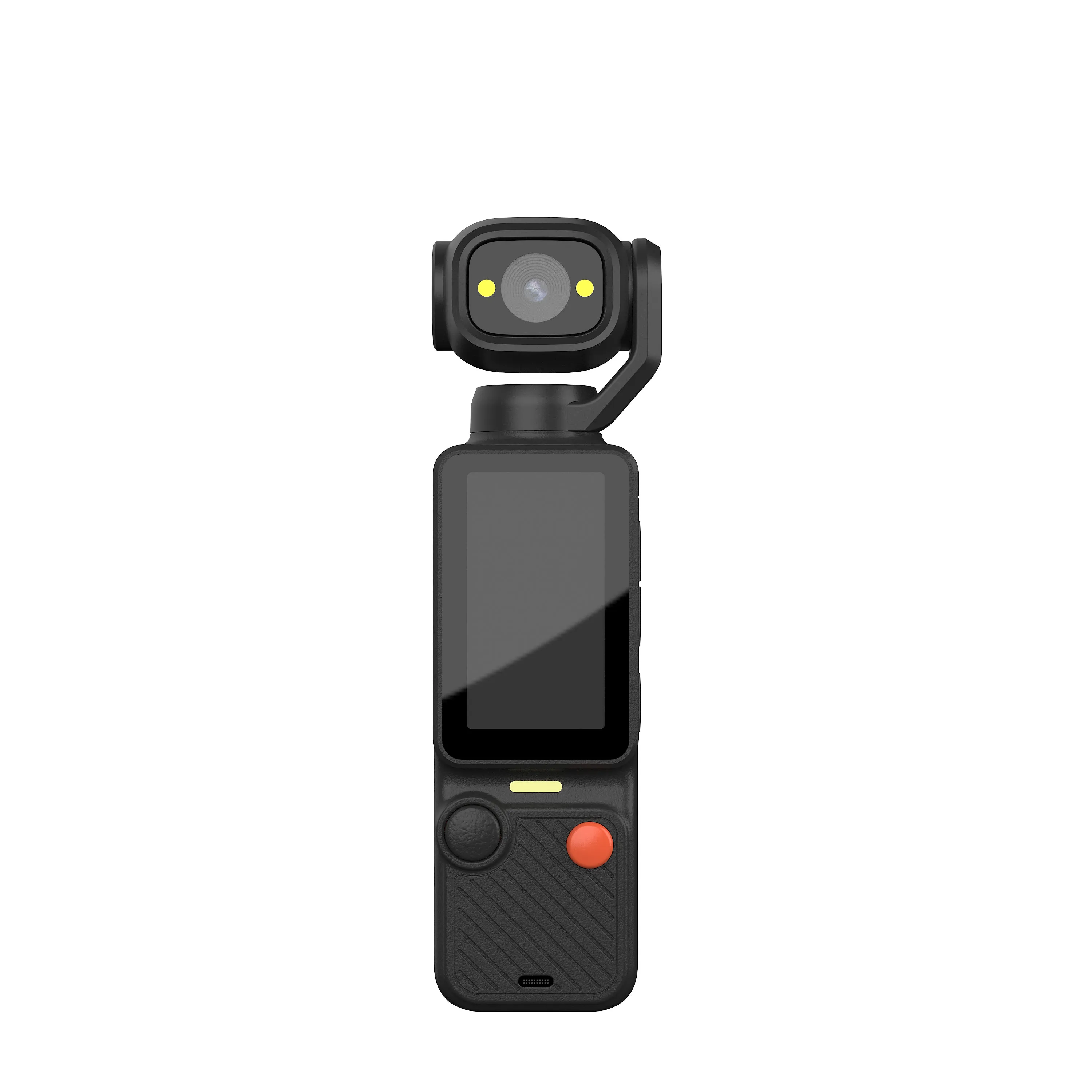
A traveler who photographs a group at a landmark faces a choice between handing the camera to a stranger or finding a second screen. The AC-3 answers with a 2.4 inch HD IPS panel on a front and rear flipable design, so the subject frames the shot. At 115 grams it carries a 700mAh cell, Type-C charging, a TF slot up to 32GB, and a VGA camera with a fill-in flash for dim rooms. Its shooting modes cover photo sticker, continuous shooting, and time-lapse work.
The flip body earns its place in the same order as the pocket tier for a different reason: it is the one body a customer can hand to another person. That makes it the gift and family-photo tier of a travel line, and it makes the weight difference from the card bodies worth quoting in the listing copy.
When a Mini Camera for Travel Also Sells on an Ordinary Weekday
A body that works only on holiday sells in one season. The mini bodies earn their shelf space across the whole year, and the best mini video camera for travel search reflects that, since the buyer wants one camera for both the trip and the ordinary week. The AC-7 and the AC-8 record photo and video on the same TF card and share the Type-C cable a phone already uses.
Language packs matter on that shelf. The AC-7 carries Chinese, English, Russian, Japanese, Korean, French, German, Spanish, Polish, Italian, and Eastern European languages, with the set open to customization. A reseller selling into several markets can ship one body number and match the menu to each destination, which takes the relabelling work off the order sheet.
A sports shelf and a travel shelf can share one brand voice. The sports and travel pairing works because the pocket tier answers the travel question while the thumb build answers the action question, and both come from the same plant.
Moving Days Need a Different Camera for Travel
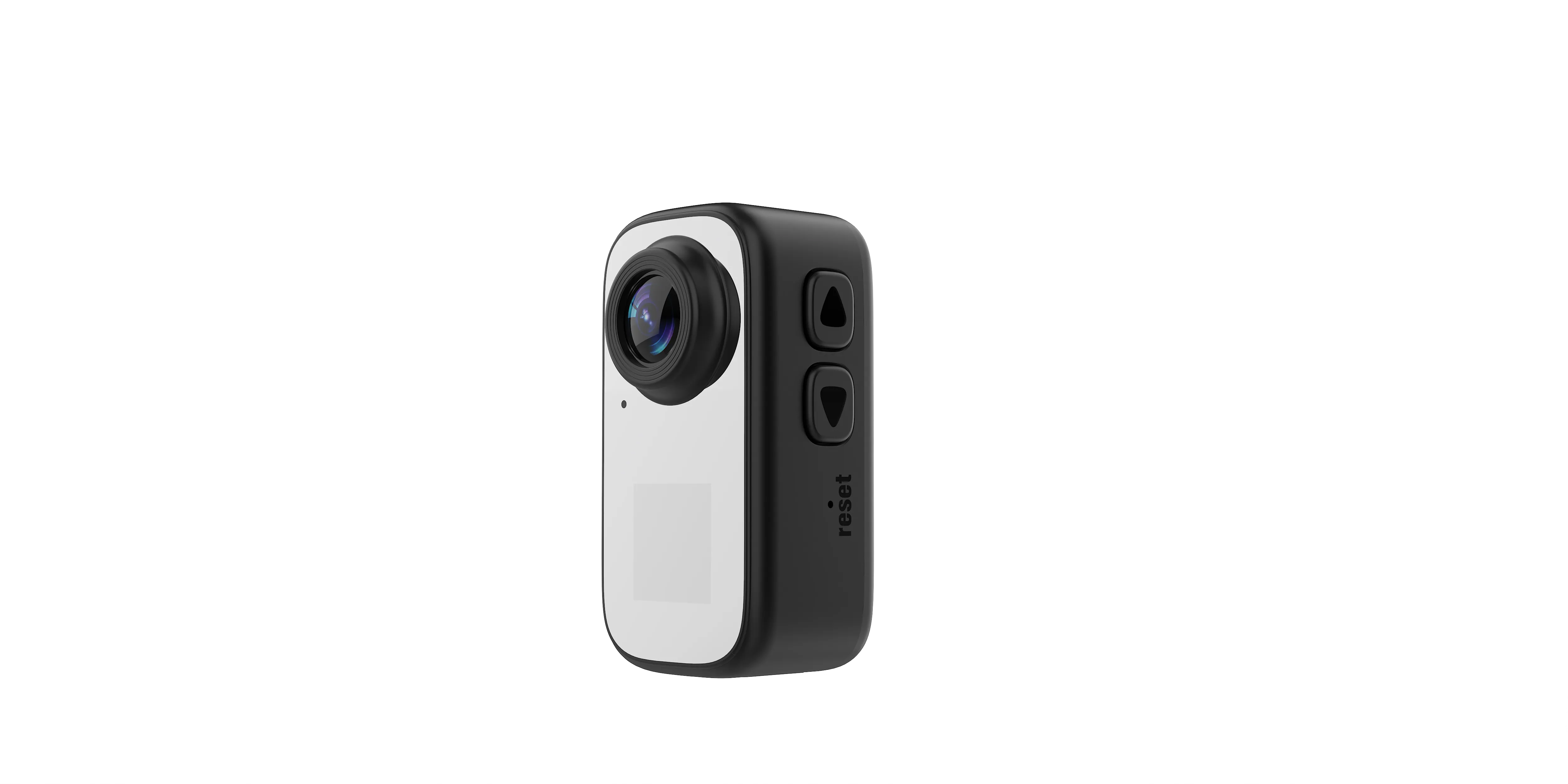
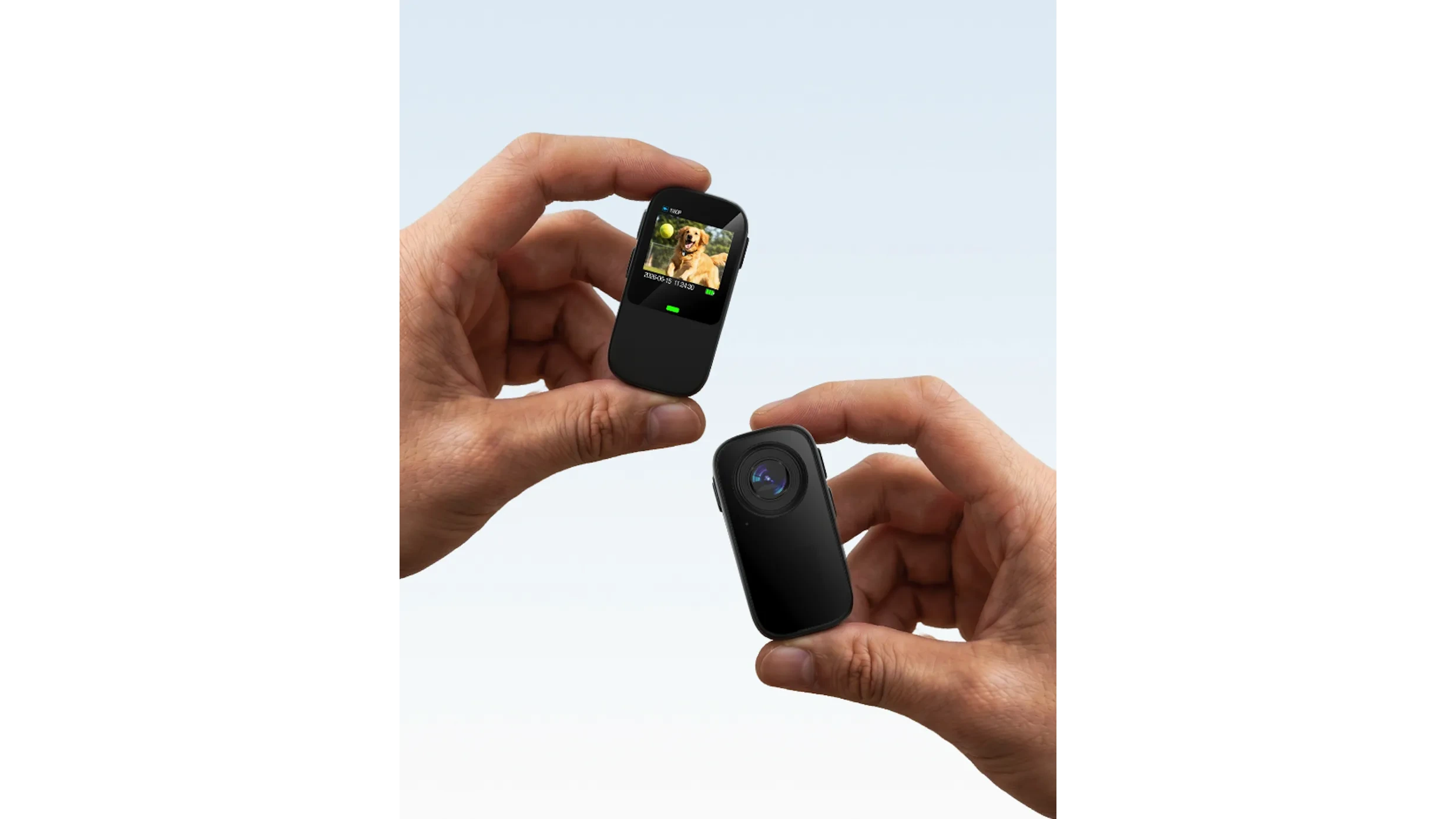
Some trips are about what moves: a bike lane, a market crowd. An action camera for travel of that kind earns its place on a mount rather than in a pocket, and our thumb build takes mounts without a bracket of its own. The AC-18 carries a 2MP CMOS sensor, a 123 degree wide viewing angle, and 720P or 1080P recording at 30 frames per second, with stills up to 12 megapixels through interpolation. At 50.3 grams and 63 by 34 by 27 millimeters, it disappears on a strap or a handlebar mount.
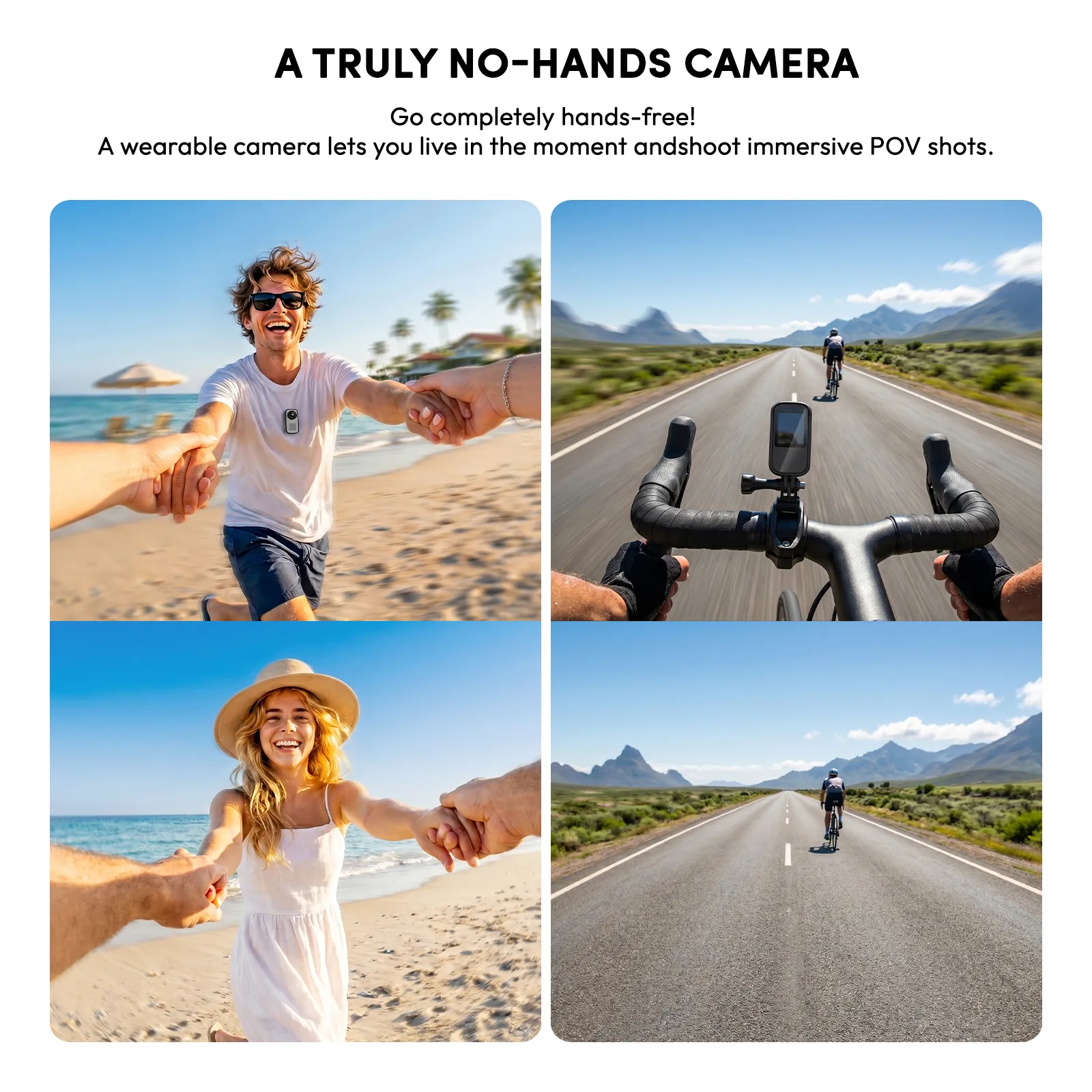
The accessory list decides how far that travels. The box carries a quick release mount, a magnetic clip, a waterproof case, a charging cable, a 90 degree adapter, a mount, a bicycle mount, double sided adhesive pads, and an adjustable magnetic pendant, with a 32GB TF card inside. The premium version adds the waterproof case rated to 30 meters. A 700mAh cell runs about two hours, the TF slot takes cards up to 256GB, and the built-in WiFi shows a live preview and moves files inside a 10 meter range over 2.4GHz.
One Order Form for the Trip Tier and the Weekday Tier
The best mini camera for travel search and the best small digital cameras for travel search both land on the same order form, and the small tier carries order variables that the larger bodies do not. Color count is the first one. The AC-7 runs six stock finishes on one model number, so a buyer can build a color line without splitting stock, while a custom color on the AC-3 flip-screen body starts at 1,000 pieces per color. The AC-8 card body takes the same small batch route with its six-color range, so the two card bodies cover both a stocked palette and a private one.
Language fit is the second variable, and it decides whether a mini body sells in one market or several. The AC-7 ships with a language set covering Chinese, English, Russian, Japanese, Korean, French, German, Spanish, Polish, Italian, and Eastern European languages, and that set opens to customization. A buyer working several markets can hold one body number and match the menu to each destination, which takes the relabelling work off the order sheet and keeps the SKU count down.
Sample handling is the third. A travel buyer weighs the body in the hand before the order lands, and the card slot and the port decide whether the body fits the listing copy. Our plant covers 1100 square meters with two camera lines, 50 to 60 staff, and more than 2,000 cameras a day, and the production cycle runs 15 to 20 days after the order sheet lands. Orders settle by TT. The bodies carry CE, FCC, CPC, and RoHS certificates, and the service list covers small batch customization, relabelling, laser engraving, artwork, shipping, online operation, and after-sales support.
Send the target body, the resolution, the weight figure, and the market, and we return a quotation with those four lines answered in writing. Add your brief to the contact page and the sample unit follows the order sheet.

The JSRD Editorial Team creates practical B2B guides for importers, brand owners, and Amazon FBA sellers sourcing digital cameras from China. Our content covers OEM/ODM customization, product selection, and sourcing decisions for camera products.