A DSLR system and a fixed-lens compact solve different purchasing jobs. This comparison helps importers specify the correct camera category, compare complete kits and avoid accepting a compact body against a reflex-camera requirement.
What Makes a Camera a DSLR
A digital single-lens reflex camera uses a reflex mirror and an optical viewing path through its taking lens. During a typical exposure, that mirror moves out of the light path. A mirrorless interchangeable-lens camera uses a different viewing arrangement. A small fixed-lens compact represents another category again.
A CMOS sensor does not identify a DSLR. Sensor technology and camera architecture describe separate parts of a specification. Confirm the mirror mechanism, viewing method and lens mount when a purchase request names a DSLR.
Compare the Lens System Before the Body Price
An interchangeable-lens system lets a buyer choose lenses for different working distances and subjects. The sourcing budget must include compatible optics. A fixed-lens compact arrives with its built-in lens, simplifying the kit while limiting changes in optical coverage.
A fixed lens can include optical zoom; the phrase does not automatically mean a fixed focal length. Digital zoom describes cropping or processing, so it cannot replace an optical focal-length specification. Compare equivalent field of view, focusing range and aperture where those figures are available.
Match Image Requirements to the Actual Configuration
Ask for native sensor resolution, original still files and recording modes from each sample. Interpolated image dimensions describe an output file, not extra captured detail. Low-light performance also depends on optics, exposure and processing, so a megapixel figure alone cannot settle the comparison.
For product photography or distant action, evaluate focus control, lens reach and required output quality. For casual snapshots or a branded gift, simple handling and compact packaging may carry more weight. Give suppliers the intended use and acceptance examples before requesting comparable quotations.
Where the JSRD Compact Range Fits
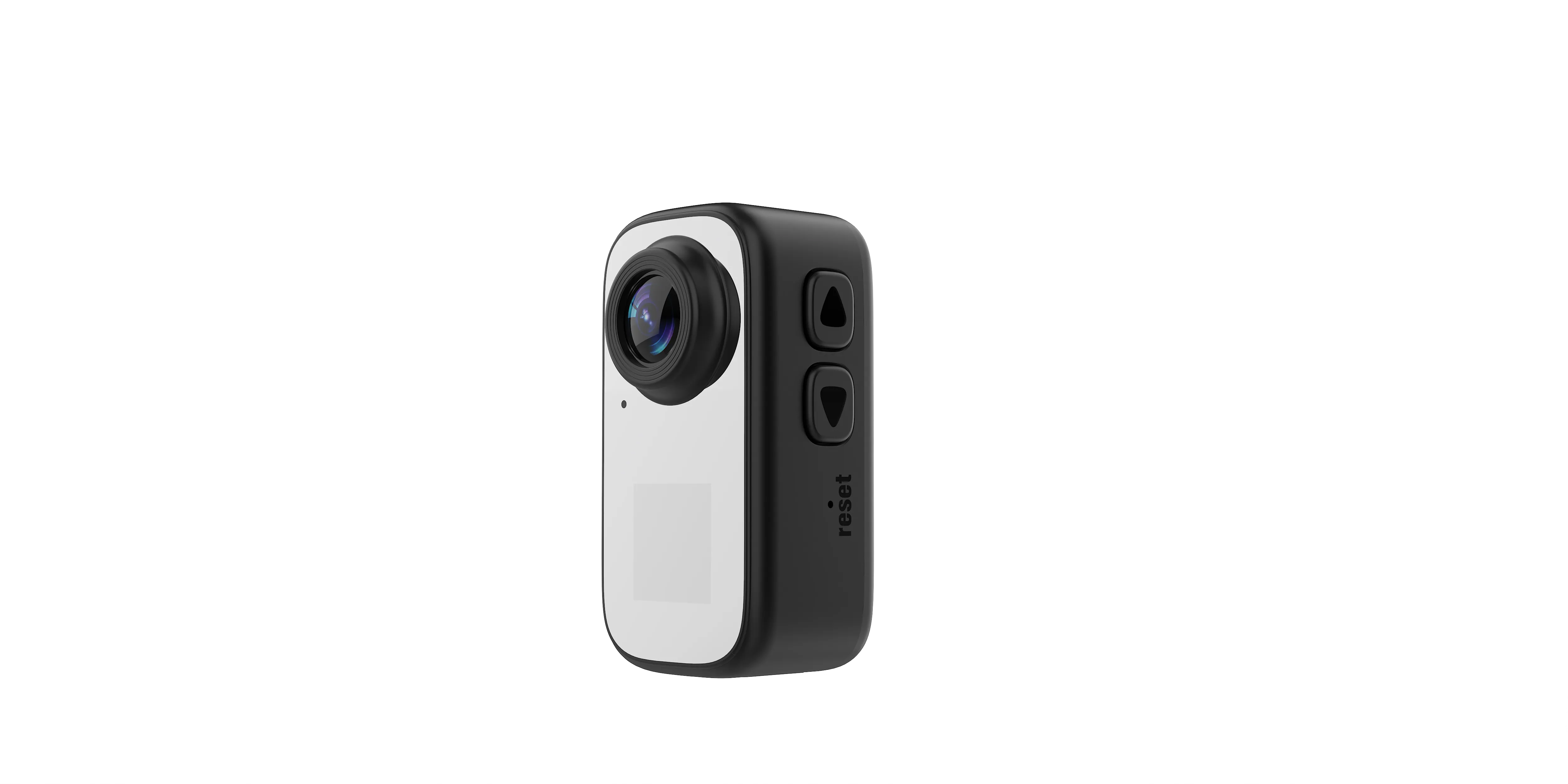
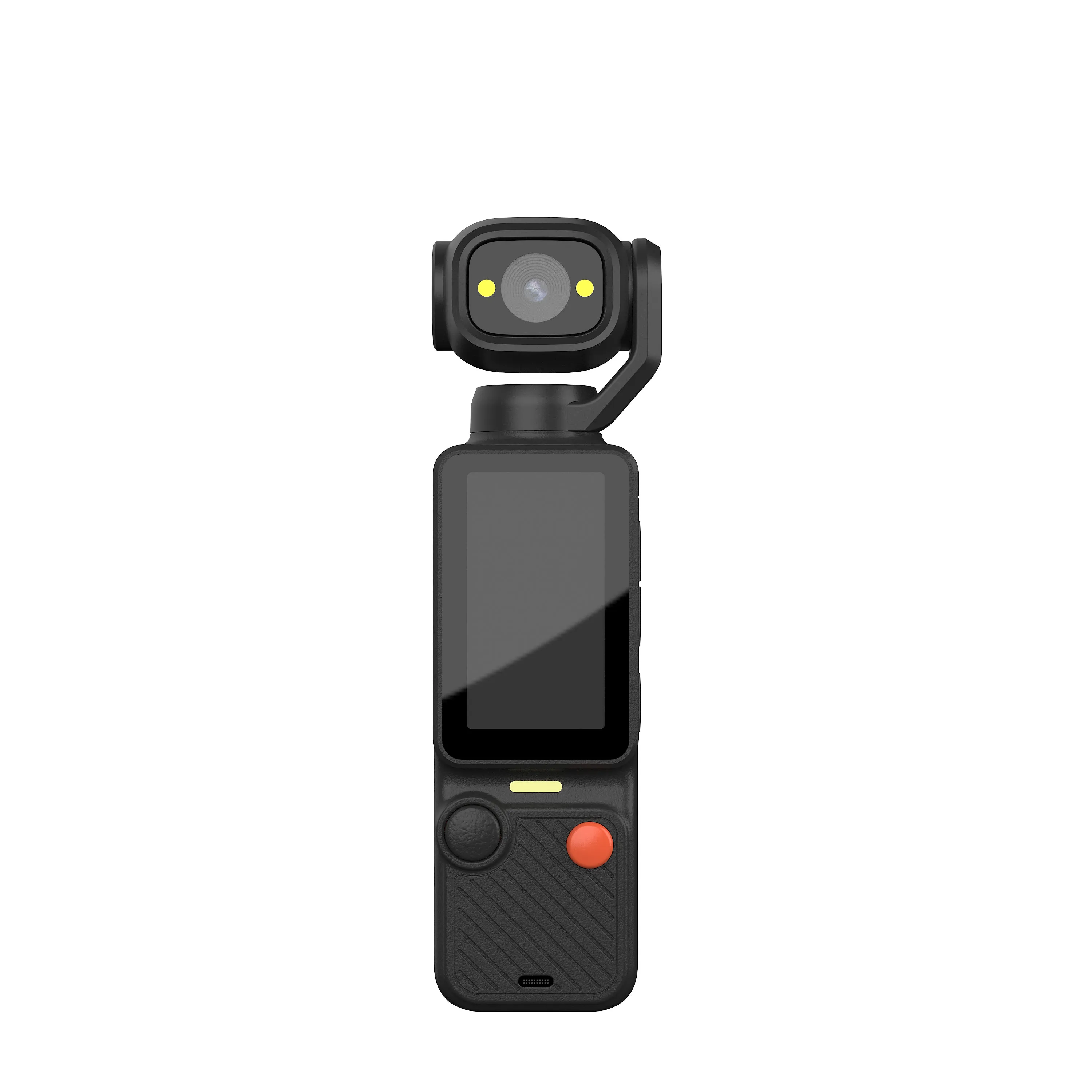
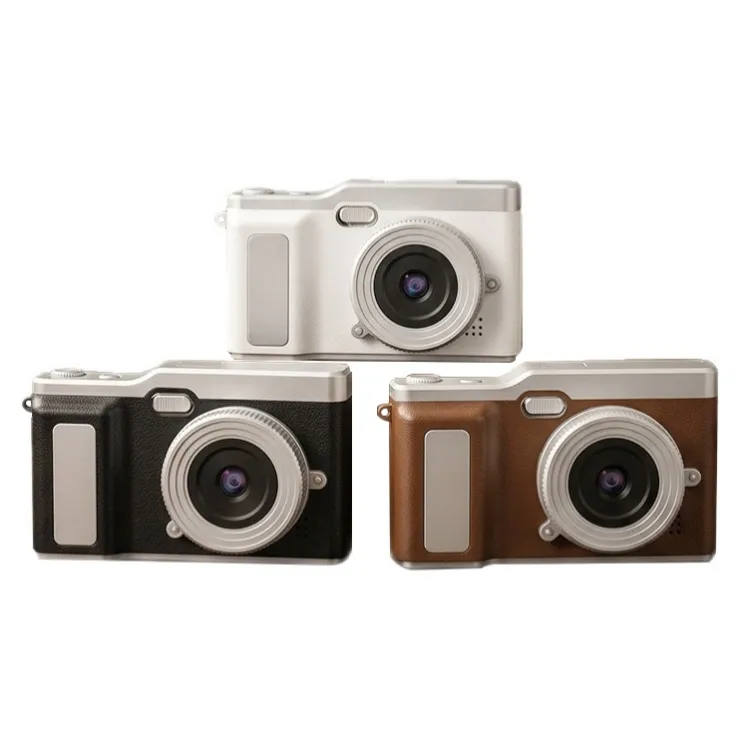
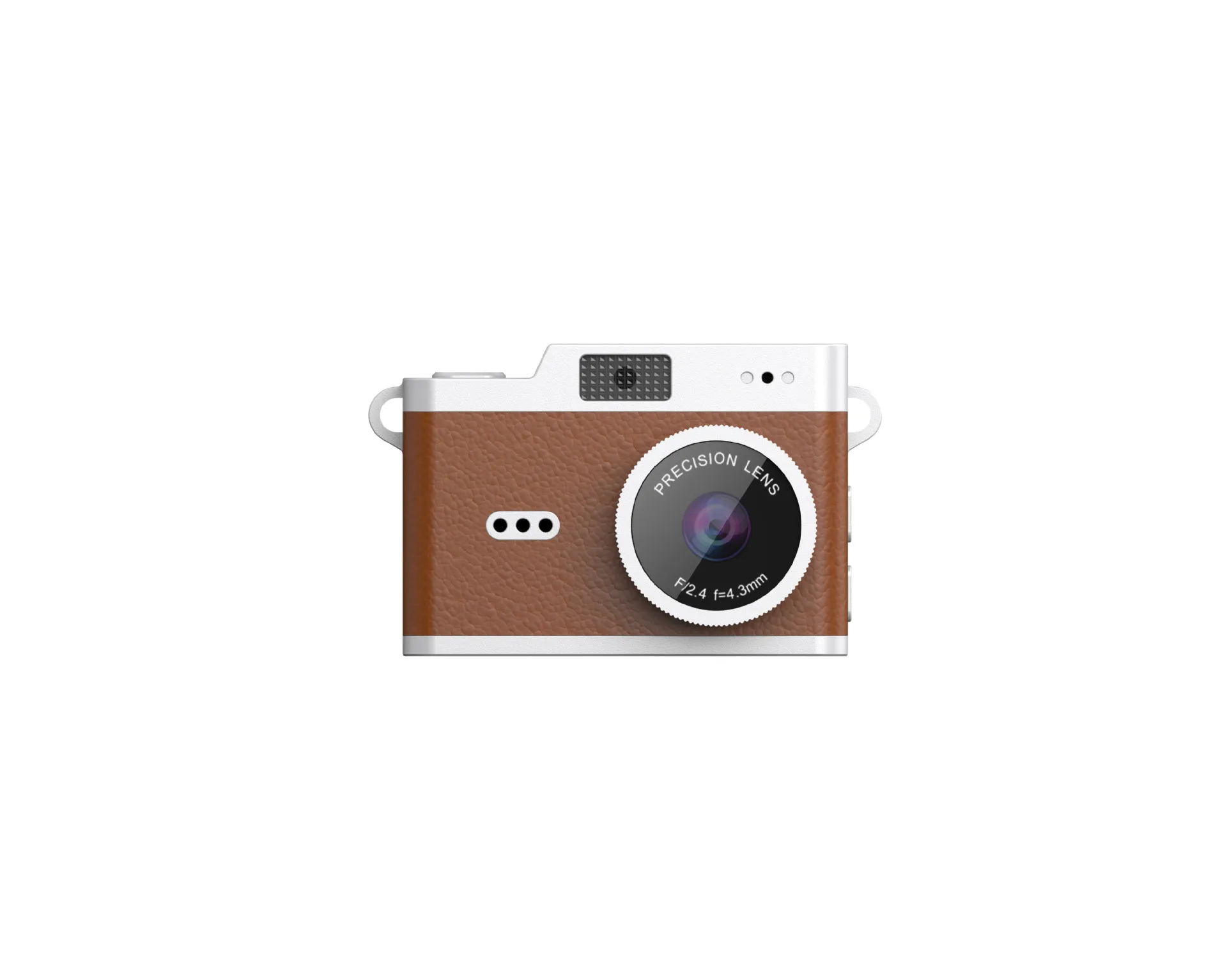
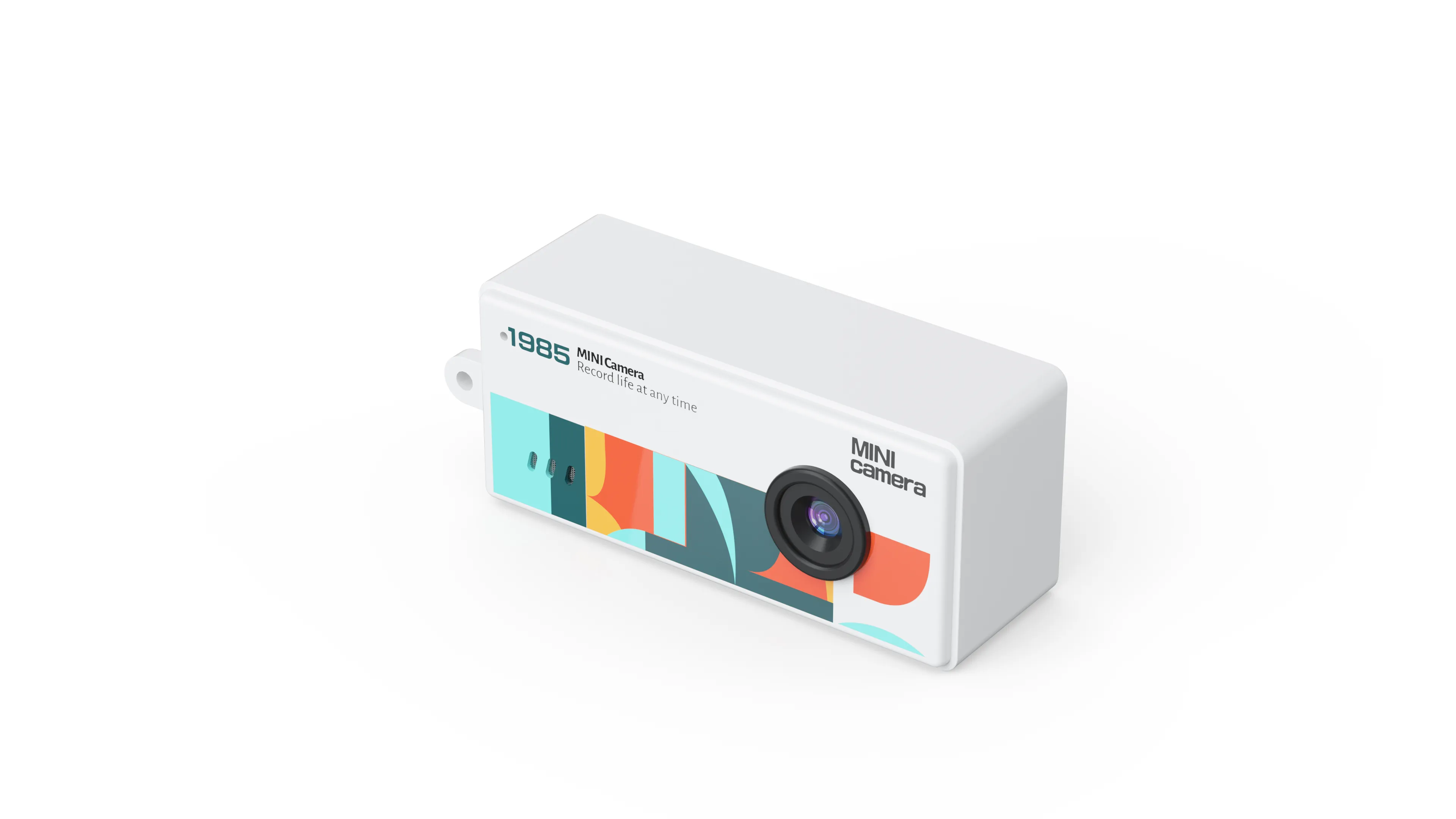
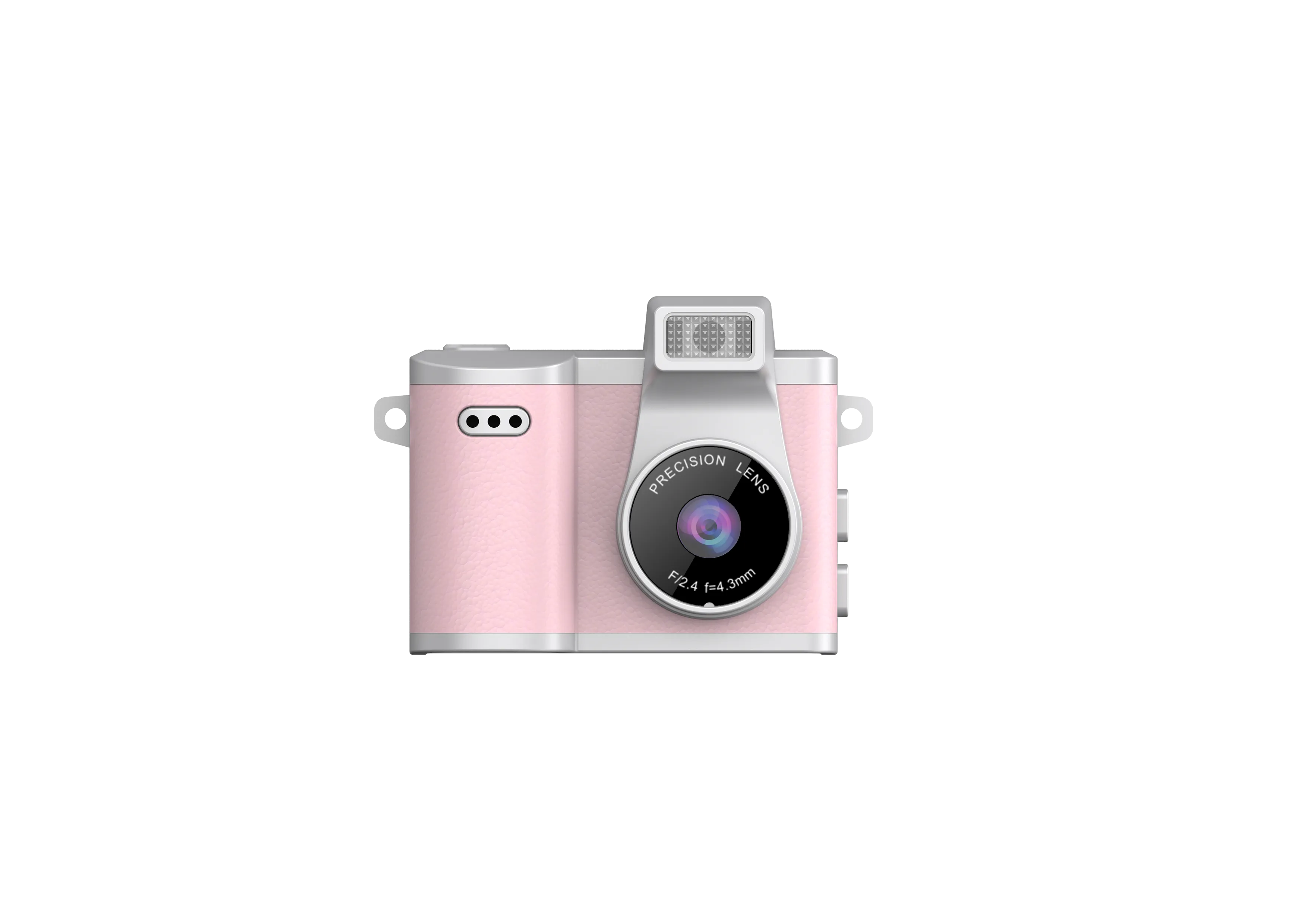
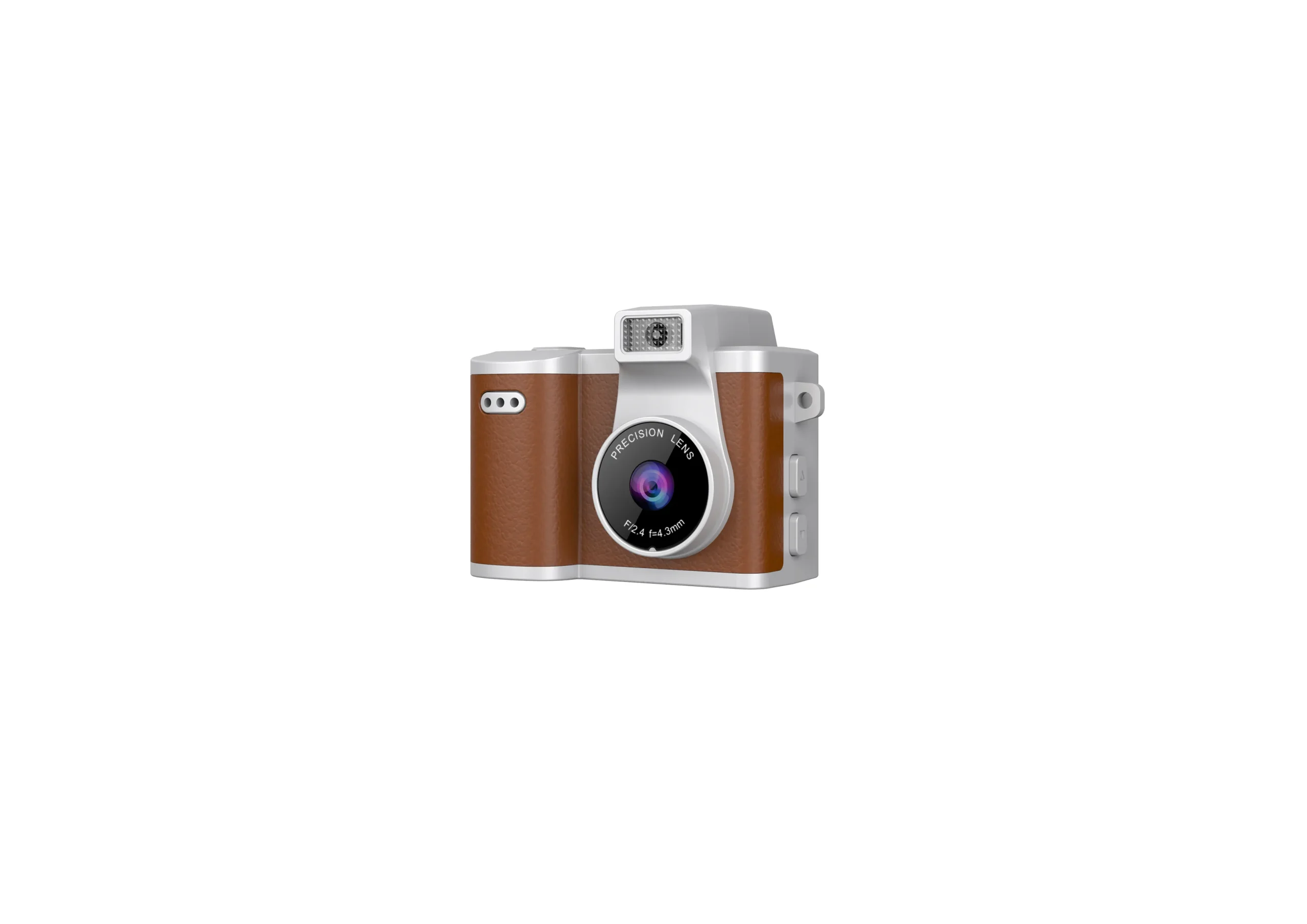
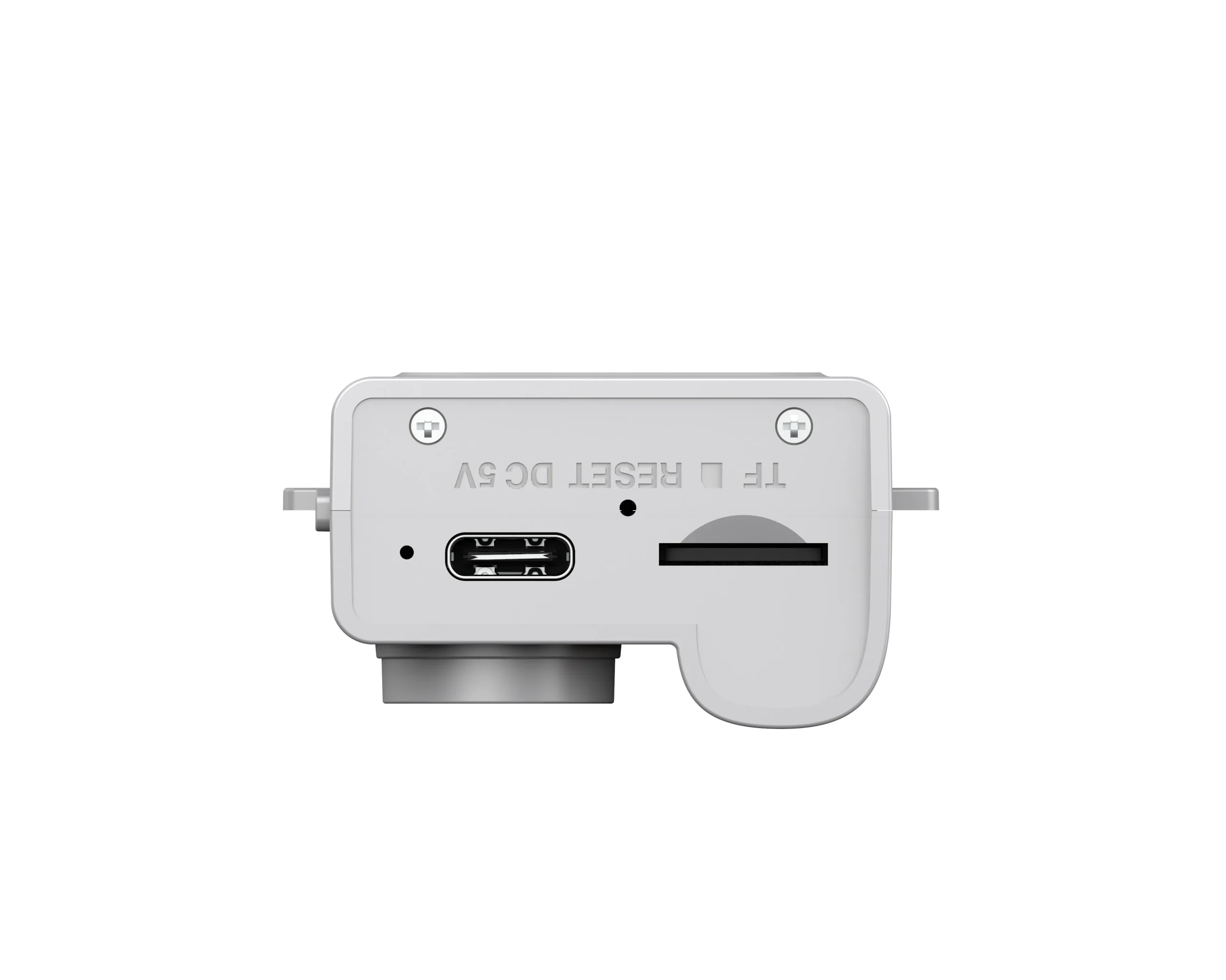
The current JSRD catalog presents compact, pocket and action-style models. These should be evaluated against a compact-camera brief. The AC-8 provides an example of a small fixed-lens card body; its product photograph does not establish a DSLR mechanism.
If an inquiry requires a DSLR mirror box, interchangeable mount or professional sports lens system, request an explicit capability response before discussing price. Do not substitute a compact model only because a marketplace listing uses the DSLR label.
Compare Complete Kits and Support Obligations
Quote the body, required lens or lenses, charger, battery, storage and packaging on separate lines. Identify which accessories are included and which remain optional. Avoid comparing a body-only system price with a ready-to-use compact bundle.
Also agree on firmware support, replacement parts, inspection criteria and warranty handling. For a branded compact order, approve the actual hardware revision alongside shell color and packaging artwork. An unchanged enclosure does not guarantee an unchanged imaging module.
Use a Category-Correct RFQ
Record camera architecture, lens arrangement, minimum usable image output, focus requirements, physical constraints and total kit contents. Require original sample files and a named approved configuration. For terminology around higher-end video equipment, the cinema-camera terminology guide covers a separate category.
Send the intended application, configuration and quantity through the contact page. Ask the supplier to identify any requirement outside its current range before issuing a purchase order.

The JSRD Editorial Team creates practical B2B guides for importers, brand owners, and Amazon FBA sellers sourcing digital cameras from China. Our content covers OEM/ODM customization, product selection, and sourcing decisions for camera products.