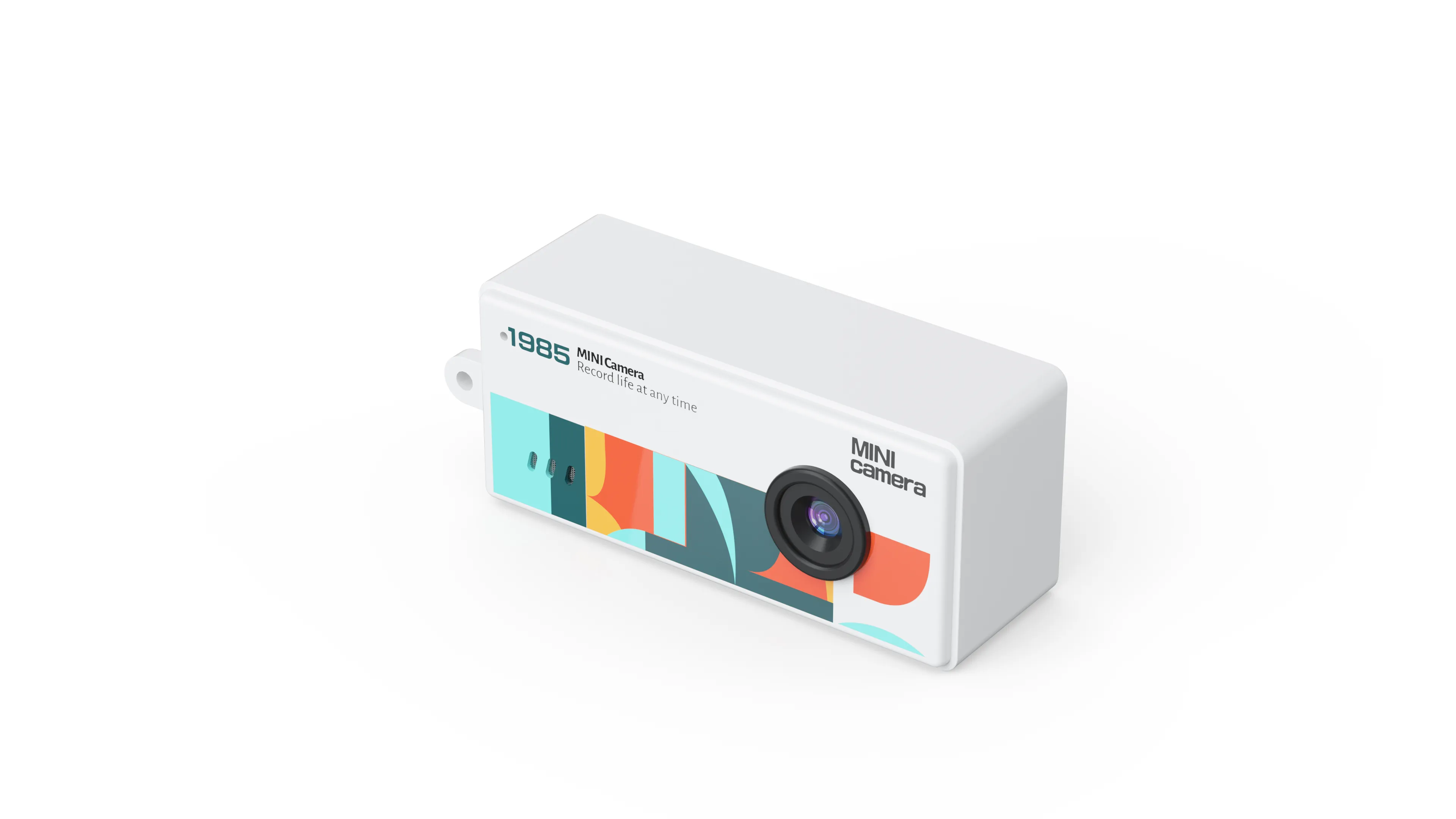
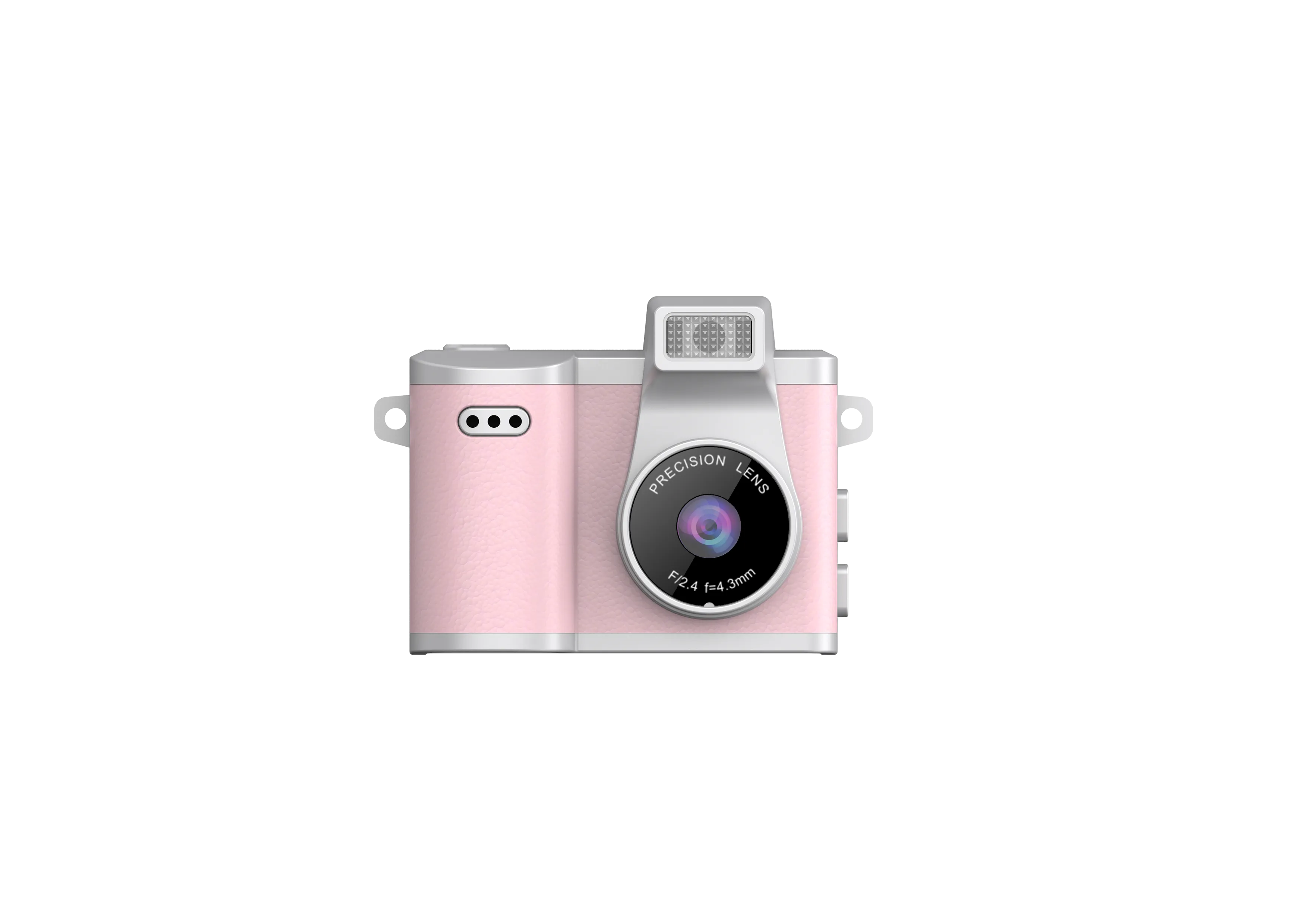
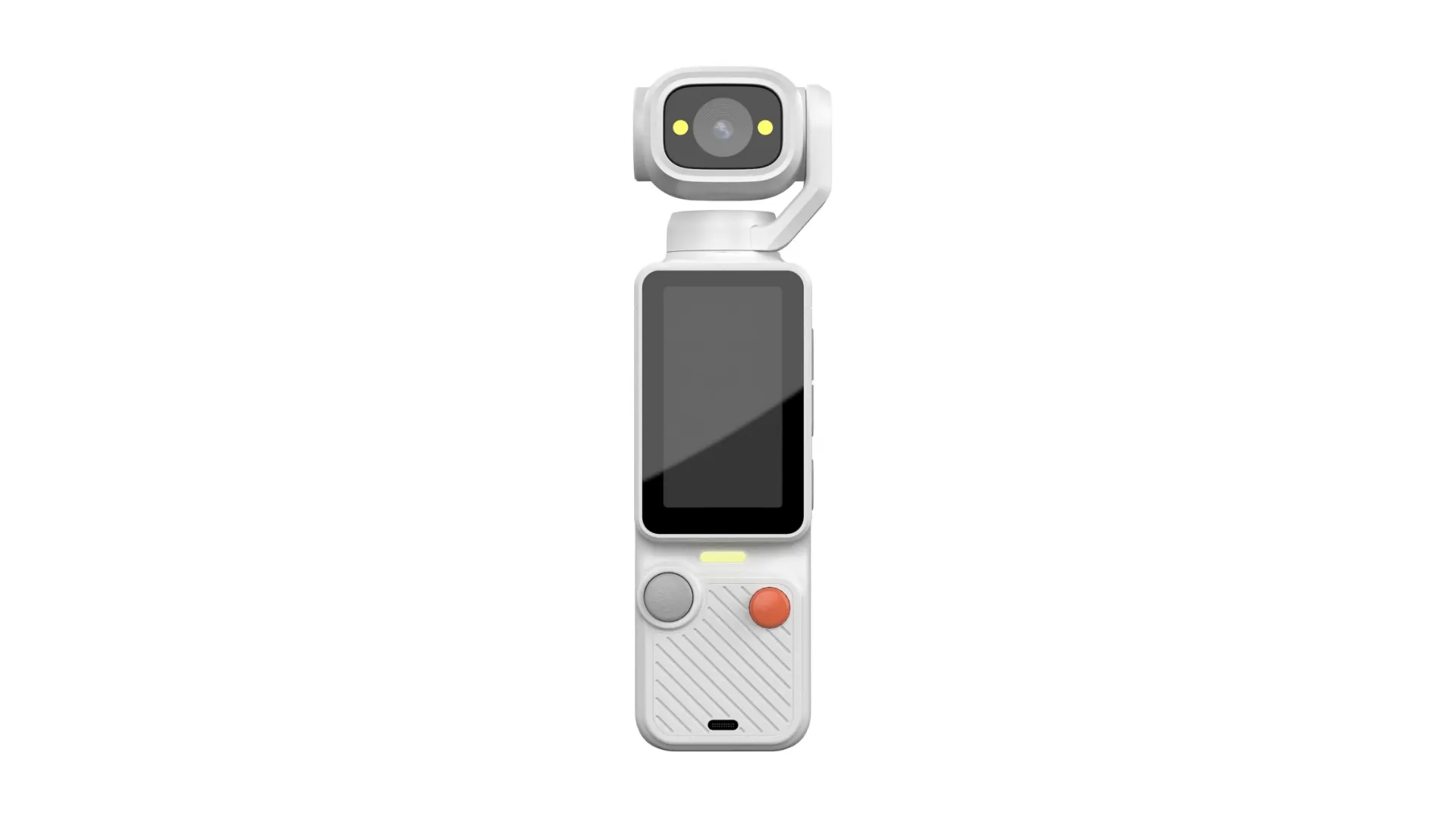
The size of a camera decides the box it ships in, the shelf space it takes, and the price a shopper expects to pay. That rule holds twice over when a stabilizer joins the body. A compact gimbal camera pairs a small camera body with a gimbal (the motorized mount that keeps footage level while the hand moves), and it fills a slot that action cams and phone gimbals leave open. Importers who understand the slot write cleaner purchase orders and waste fewer sampling rounds.
Ask five suppliers for a small stabilized camera and five different machines arrive. The words on the order sheet map to rough size classes, and each class attracts its own buyer. This guide sorts the terms, lists the specs to confirm, and shows where a factory can bend the design to your market.
The Size Classes Behind the Words
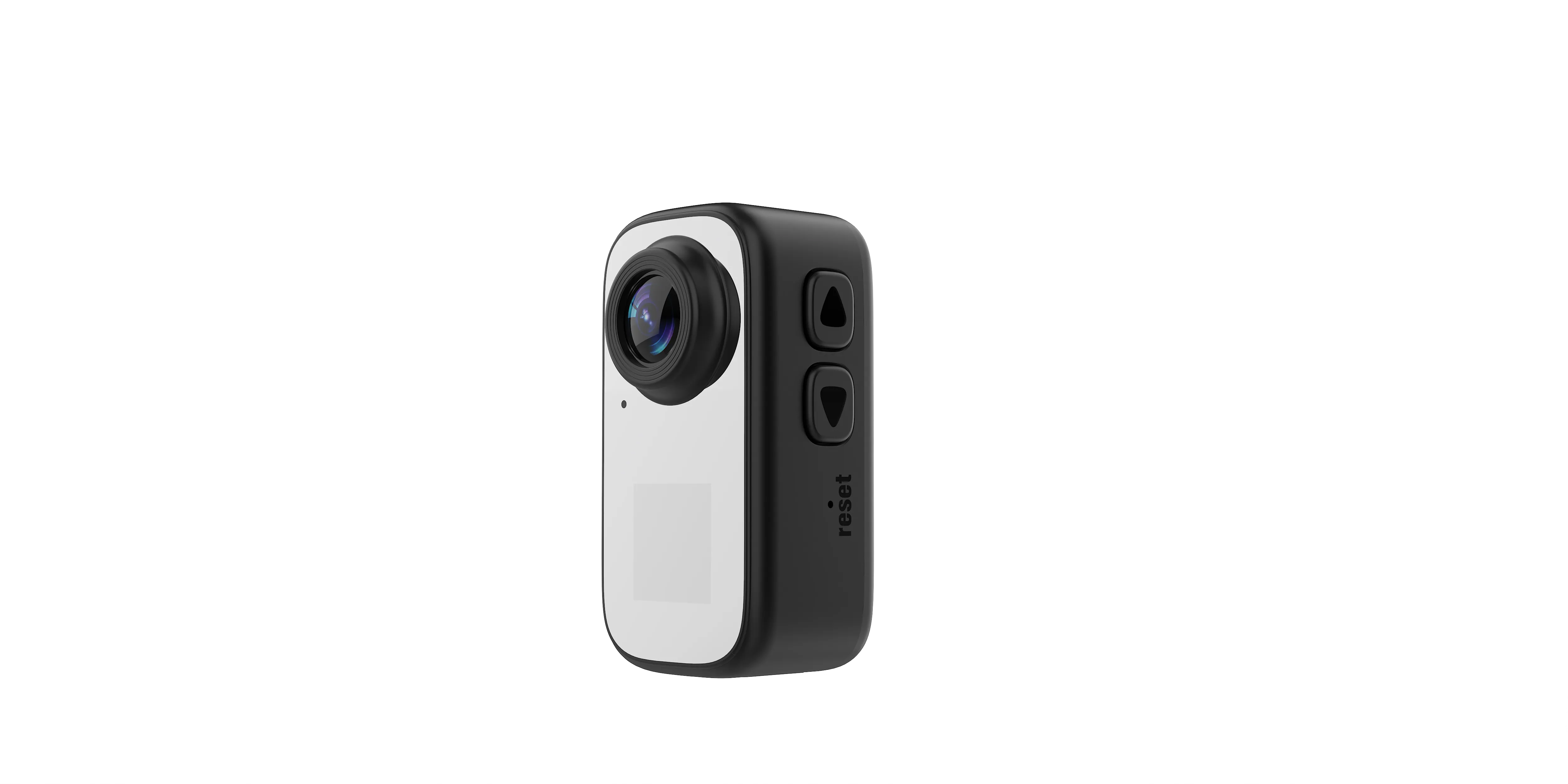
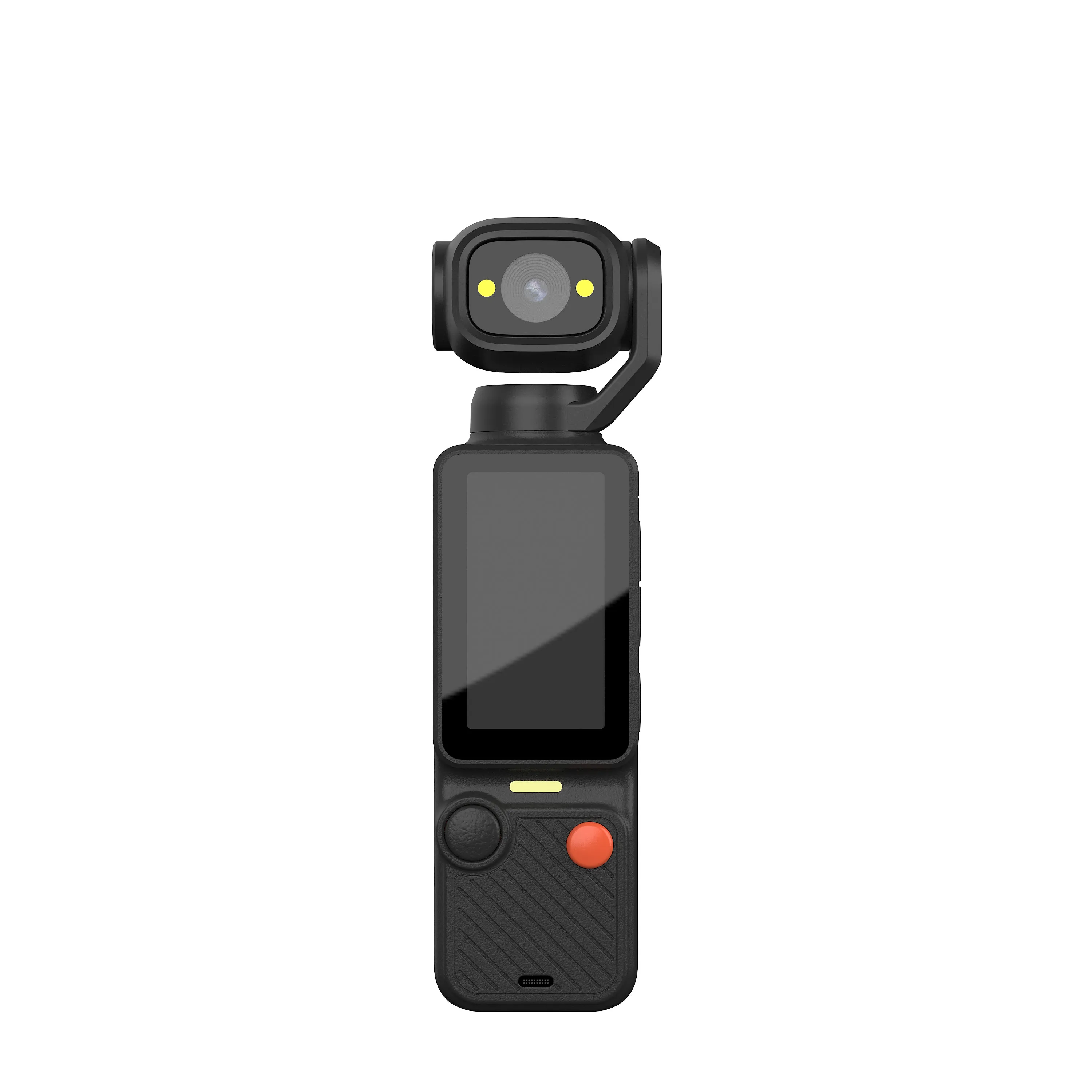
A pocket gimbal camera folds into a jacket pocket and suits vloggers who film on the move. A portable gimbal camera runs a size up, with a grip that fills the palm, and it targets event crews who hold a camera for hours. Travel retailers file the mini gimbal camera tag under the lightest bodies in the line, the ones that disappear into a daypack.
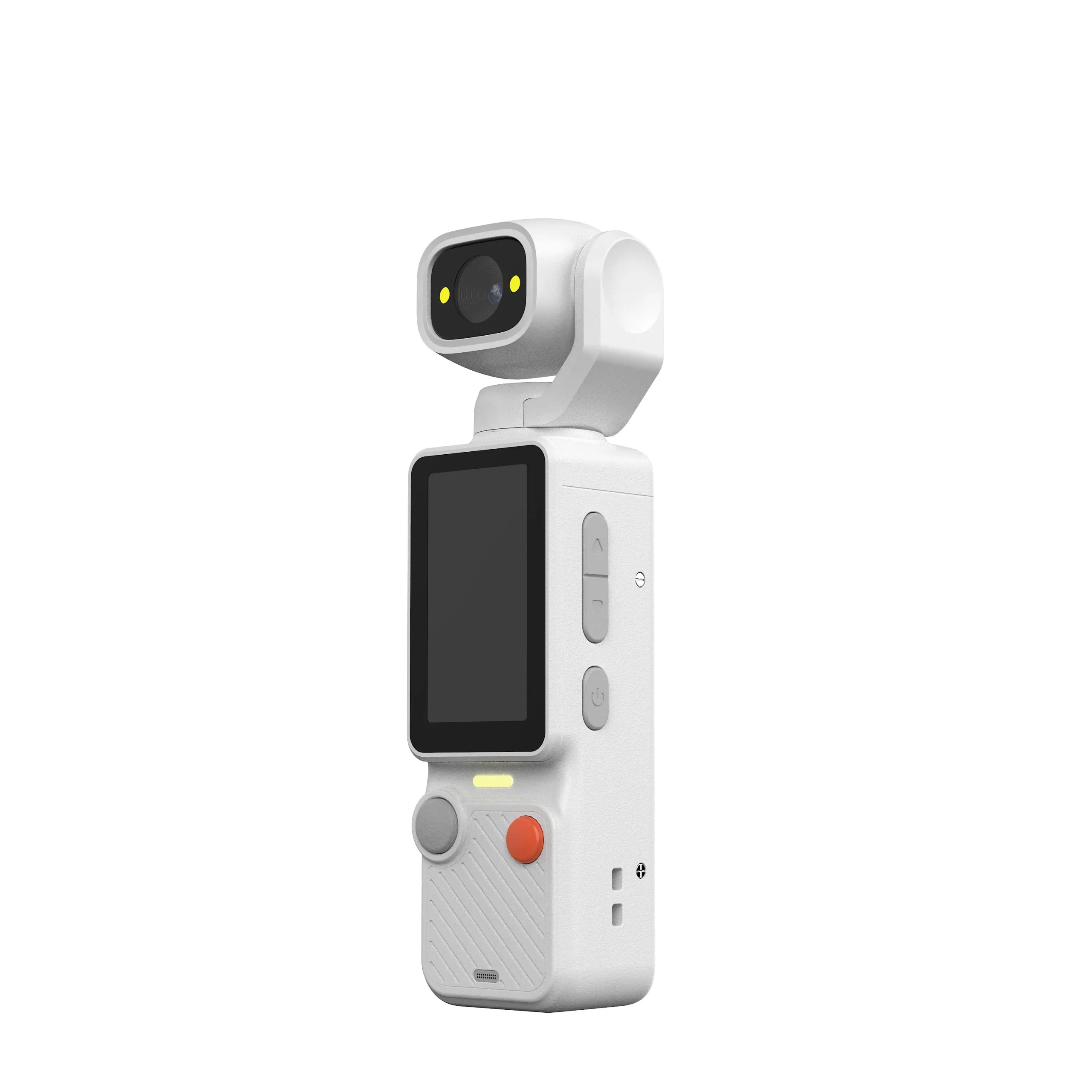
One word order note saves you search time. Some listings read gimbal mini camera, others read mini gimbal camera, and the machines behind them stay the same. Compare spec sheets rather than listing names, because the same body often appears under both tags at different prices.
The wider phrase stabilized handheld body covers any stabilized body you grip in one hand, from pocket units to vlogging machines with flip-out screens. A few suppliers flip the word order to gimbal handheld camera, and the hardware stays identical. Retail buyers use the phrase as an umbrella term, so a product page that answers it pulls visitors from the size classes below.
Weight and Folded Size Decide the Shelf
Weight splits the classes more than price does. A lightweight gimbal camera keeps the hand steady through a long take, and shoppers feel the difference within seconds of picking one up. Ask the factory to quote the weight with the battery fitted, because spec sheets do not name the same baseline across suppliers. Packing size belongs in the same question: a folded body that fits a small box cuts freight per unit, and the saving lands in your landed cost.
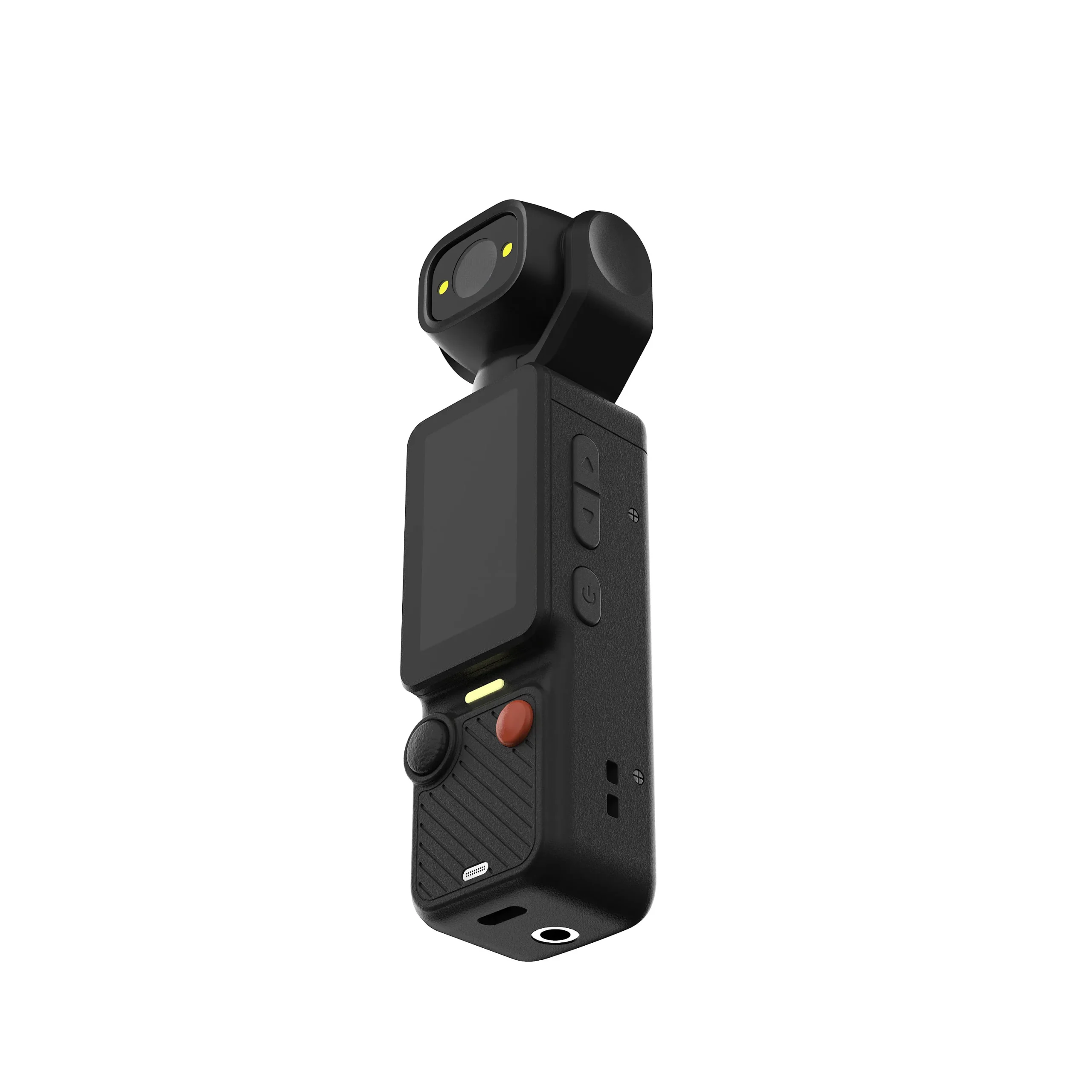
The smallest gimbal camera in a line often drops the rear screen to save grams. Confirm the display spec before you promise the feature to a retail chain. At the other end of the scale, a big gimbal camera carries a larger sensor and a firmer grip, and it serves a narrower group of buyers who want cinema-style handling.
A detachable gimbal camera adds a second selling point: the body leaves the grip and mounts on a helmet, a chest strap, or a bike mount. One SKU (a single product code in your catalog) then covers two use cases, which matters when shelf space runs tight.
Sensor and Stabilizer Questions to Settle First
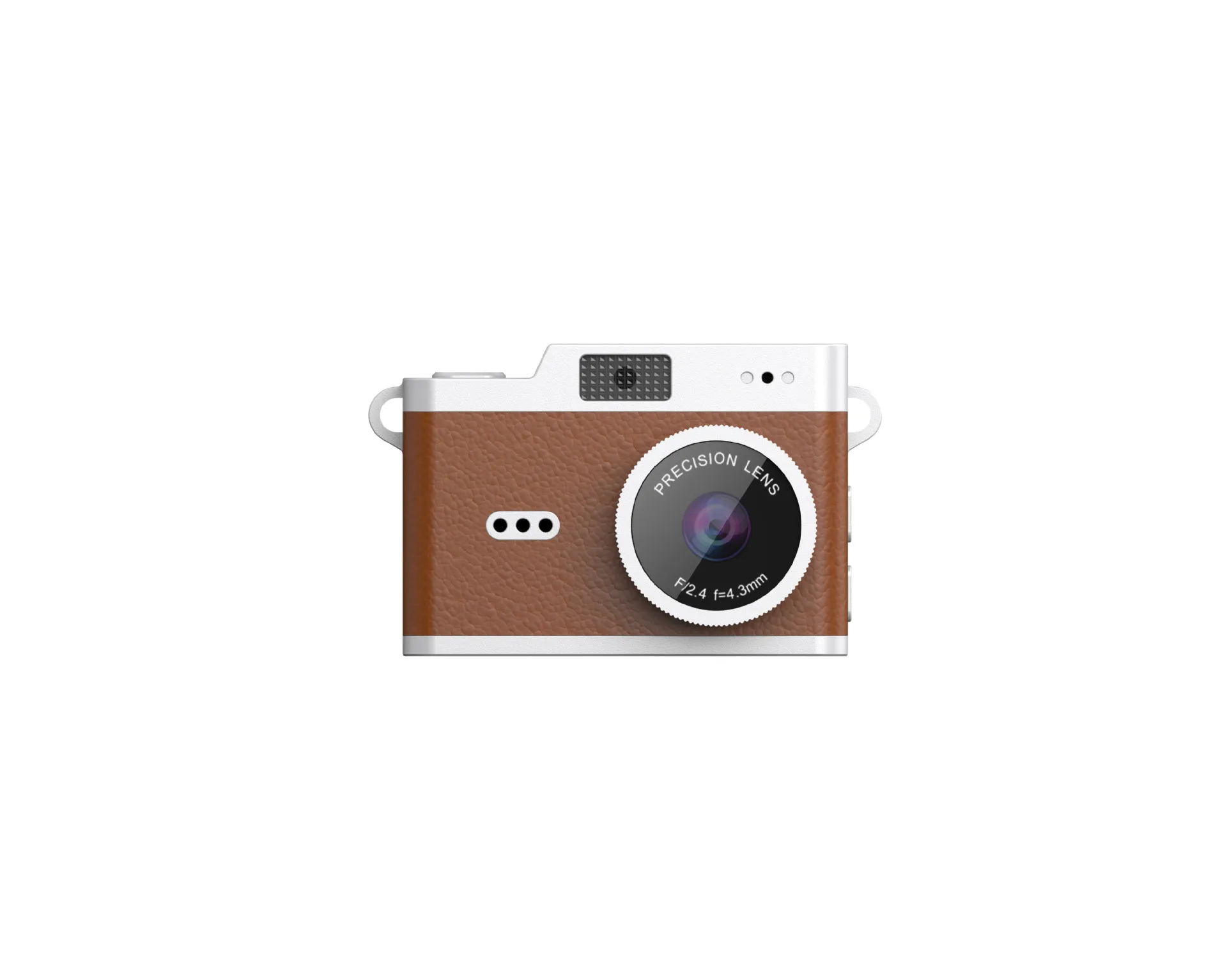
Chip talk comes before stabilizer talk. A cmos pocket gimbal camera records through a CMOS sensor (the light-catching chip behind the lens), and chip size shapes low-light footage more than the megapixel number on the box does. The factory builds bodies with sensors from 1/4 inch down to 1/10 inch and from 0.3 up to 5 megapixels, so name the exact pairing in your inquiry and hold the supplier to it.
A mini camera with gimbal stabilization raises one engineering trade: the motors add weight and draw power. A small camera with gimbal hardware inside therefore carries a battery budget, and that budget decides the shooting day your customer gets. Ask for the recording time at 1080P and at 4K, then match the numbers to the sessions your market films.
Resolution and zoom fill out the quote. The line reaches 4K at 30 frames per second and offers zoom up to 16X, with frame rates of 15 or 30 fps across the range. WiFi runs on the 2.4 GHz band and streams a live view to a phone app within about 10 meters, and the catalog leaves cellular modules out.
| Size class | Body and grip | Typical buyer | Confirm first |
|---|---|---|---|
| Folds small, short grip | Vloggers, travelers | Folded size, weight | |
| Mini | Lightest in the line | Daypack retailers | Screen spec |
| Portable | Palm-filling grip | Event crews | Battery time |
| Large | Bigger sensor, firm grip | Cinema-style shooters | Sensor size |
What the Factory Line Can Change
Small gimbal camera manufacture sits inside the same standardized system the factory applies across the catalog: product design, mold making, production management, and quality control run in house. The workshop covers 1,100 square meters, two camera lines run with 50 to 60 staff, and output across the range tops 2,000 units a day.
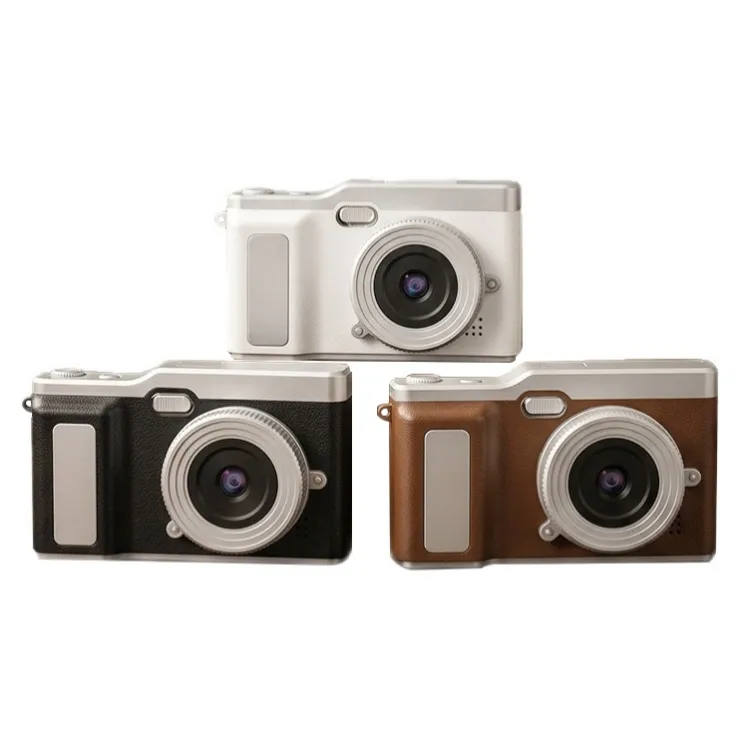
OEM and ODM orders change the details that matter on a retail shelf: logo placement by laser engraving, packaging artwork, housing color, and the spec mix inside. Standard builds carry a 15 to 20 day production cycle, small-batch customization is on the menu, and finished units ship with CE, FCC, CPC, and RoHS certificates. Payment runs on T/T terms.
Support after the order follows the same list. Shipping coordination covers the leg from the workshop to your forwarder, art support helps with listing images and packaging print, and after-sales help stays available for the models you stock. Sellers who run online stores can ask for factory-side material when a product page needs fresh photos or spec copy.
From Quote to Container
Size class, sensor, and battery answers decide most orders. Start with the size class your market asks for, then pin the sensor and the recording time before you talk price. The gimbal camera guide on this site walks the category from the top, and the digital camera product center lists every body in the current catalog.
The factory’s own machine in this class, the Pocket Gimbal, has a product page of its own, and the sales team shares the current brief on request. Send a request a quote note with your target size class and market, and the sales team replies with options, pricing, and lead times.

The JSRD Editorial Team creates practical B2B guides for importers, brand owners, and Amazon FBA sellers sourcing digital cameras from China. Our content covers OEM/ODM customization, product selection, and sourcing decisions for camera products.