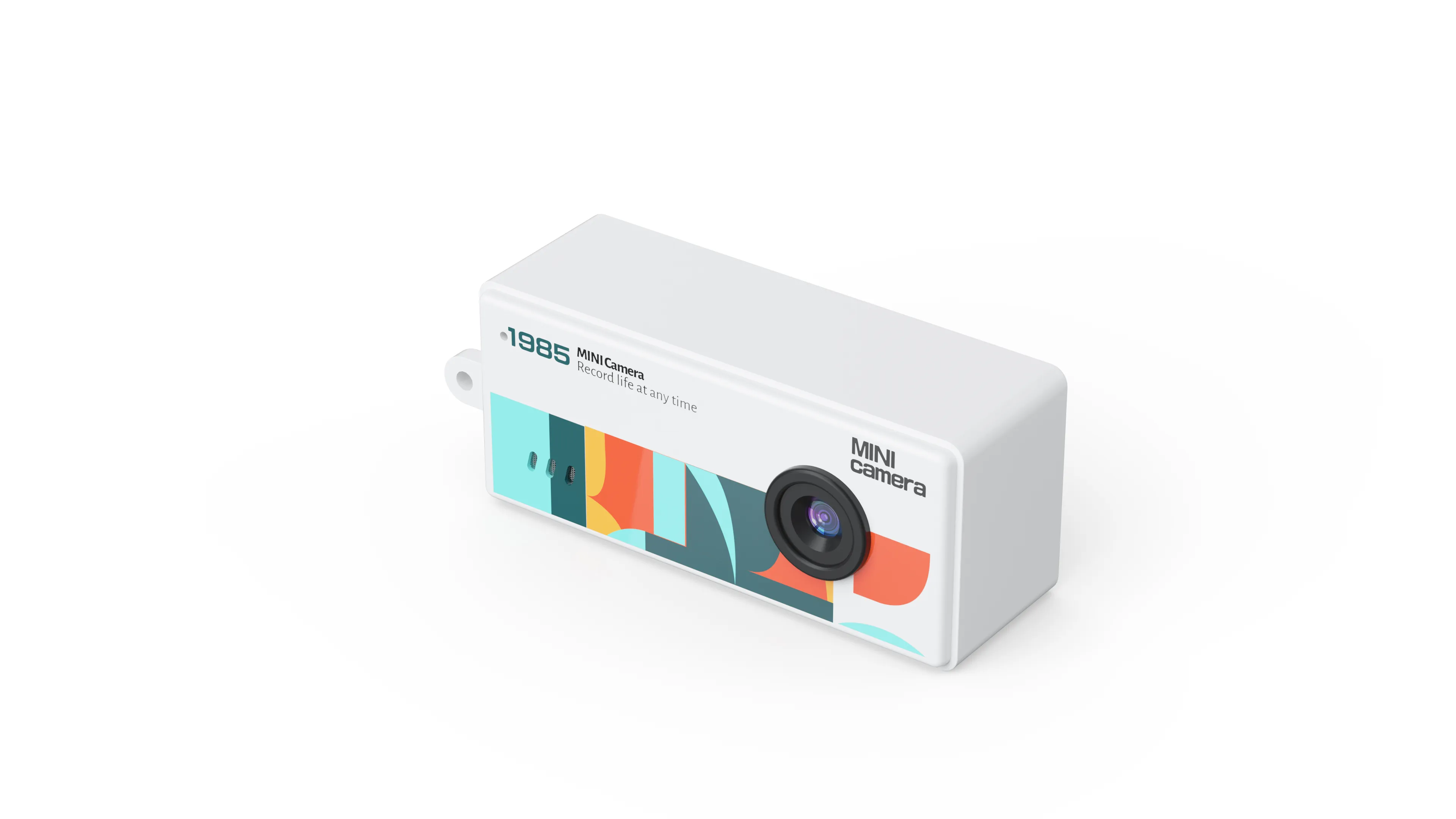
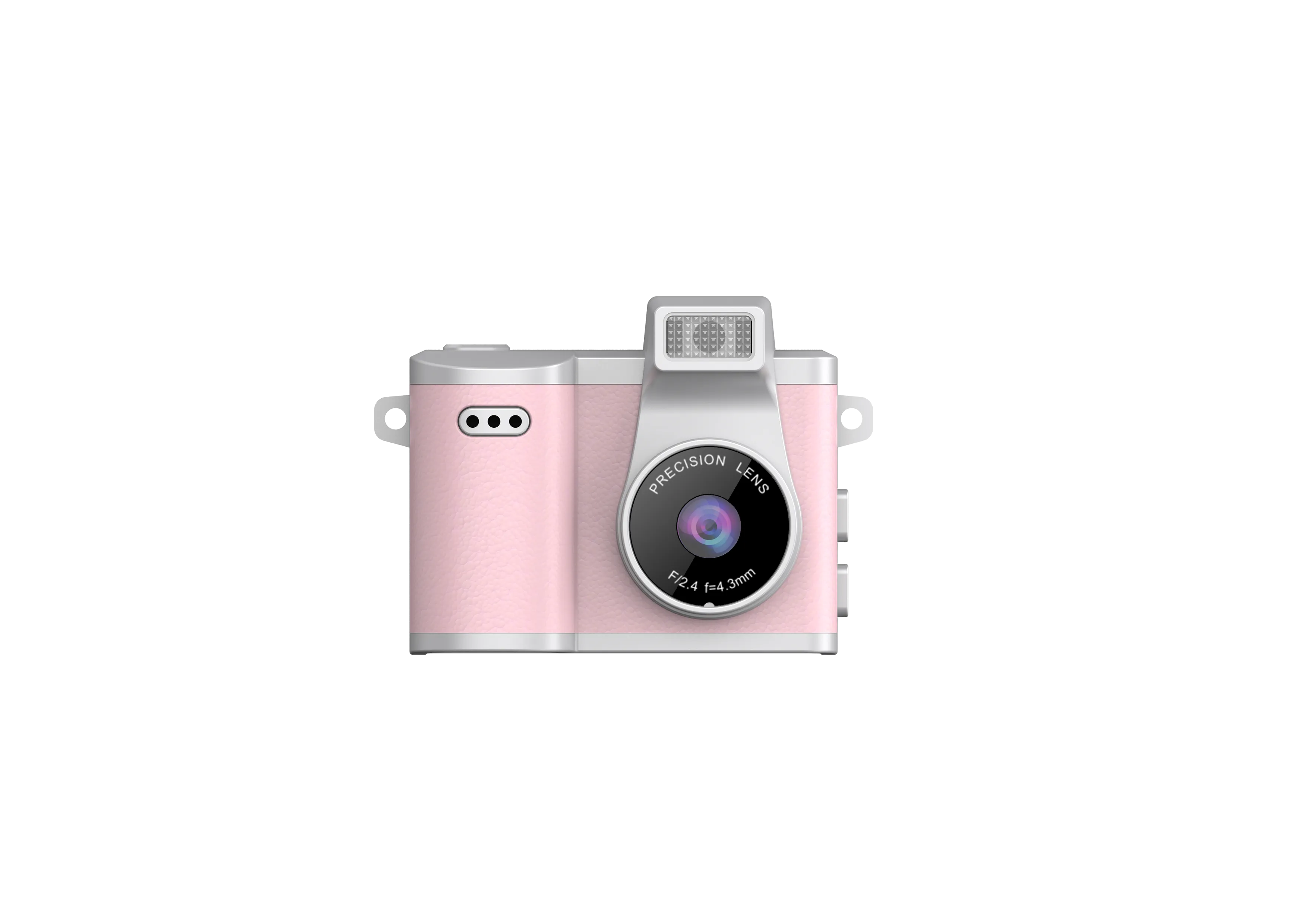
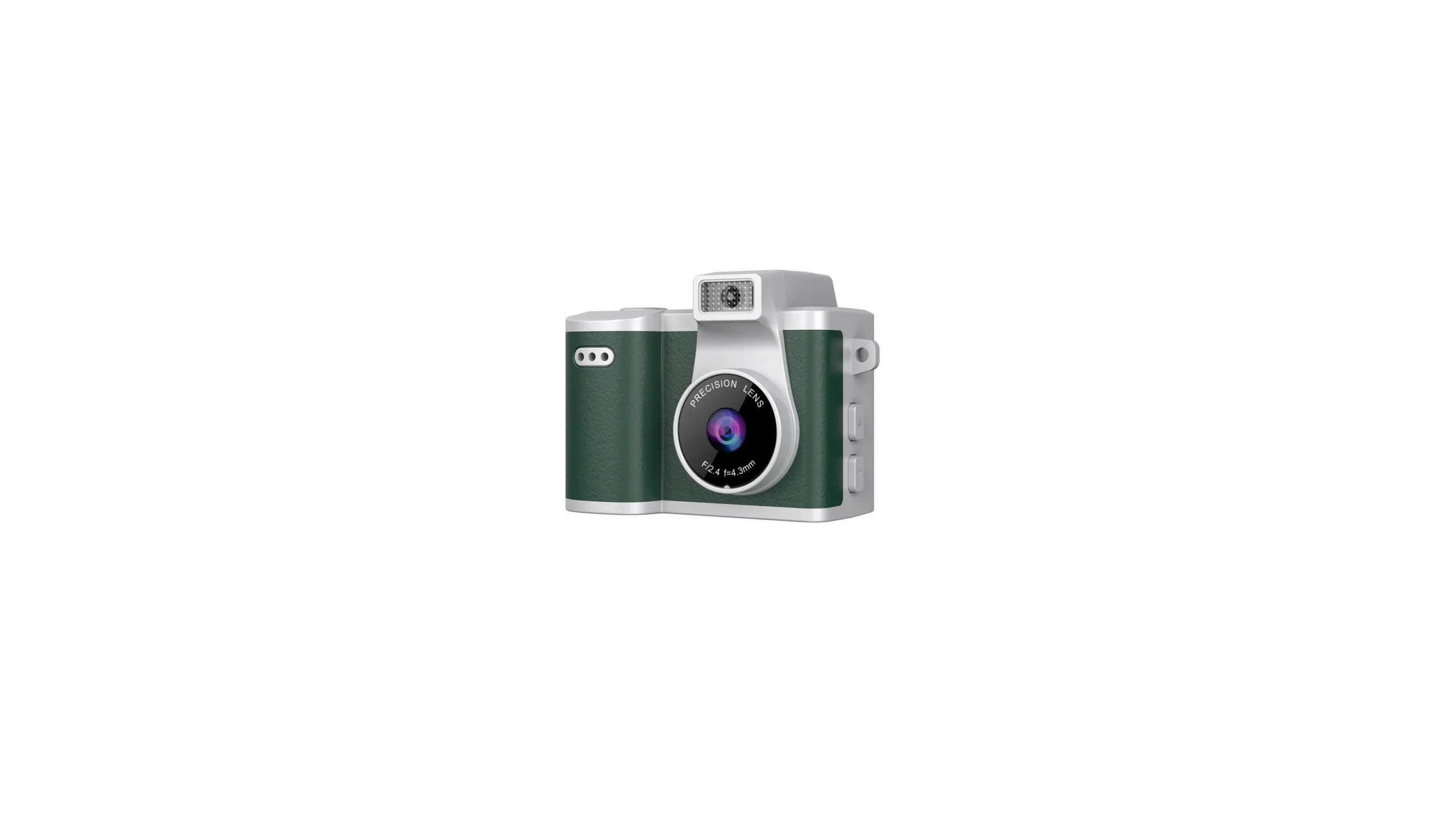
Buyers searching mini camera with audio want one answer before an order sheet leaves their desk: does the unit capture sound with the clip, and what does the delivered file contain. Small bodies trade room for weight, so the sound question pulls in storage, clip length and screen size at the same time. This guide follows the confirmation points in the order a buyer meets them, and every figure below comes from the build sheet that travels with the quotation.
What the Search Wording Tells You
The phrase mini camera with audio and video recording describes a body that captures pictures and sound in one pass, and best mini camera with audio asks a buyer to rank the options. Ranking on price alone produces a shortlist that cannot answer the audio question later, so the workable route settles the format, the card ceiling and the clip length first, then compares the bodies that meet them.
Searches for mini camera voice recording come from buyers who keep the sound for reference rather than for broadcast. That intent changes the question you put to the factory. Ask whether the microphone sits behind a grille or behind an open slot, and ask whether a clip keeps its sound when the buyer copies the file to a computer.
Two more phrases belong on the same sheet. A request for mini camera audio treats audio as a spec line of its own, and mini camera with audio treats the sound track as part of the recording job. Both land on one confirmation: the shipped unit records sound on the video track, and the specification states that in writing rather than leaving it to a sample.
Video Format, Frame Rate and Resolution
The HD wording shows up in the next group. A mini camera hd recorder and a mini camera hd video recorder both expect a resolution and a frame rate on the quotation. Our AC-18 writes 720P or 1080P at 30 frames per second in MOV format, and the pocket bodies in the card line record VGA video. Quote the number the sample delivers, because a retail page that says HD without a figure leaves the buyer with nothing to check.
Buyers who type mini camera video recorder or mini video camera recorder want the device as a recorder rather than as a stills camera. The difference shows up in the file that arrives at handover. Video from the card bodies lands as short clips on a TF card, and the AC-18 adds an app that holds live view, photo review and video playback on a phone within a 10 meter range.
A mini video camera with audio order combines the two lines, and the delivery check for mini camera video recording takes two steps: play one clip from the shipped unit, then copy it to a laptop and confirm that the sound arrives with the picture. That check takes minutes and settles more questions than a sample photograph does.
Clip Length, Cards and the Recording Package
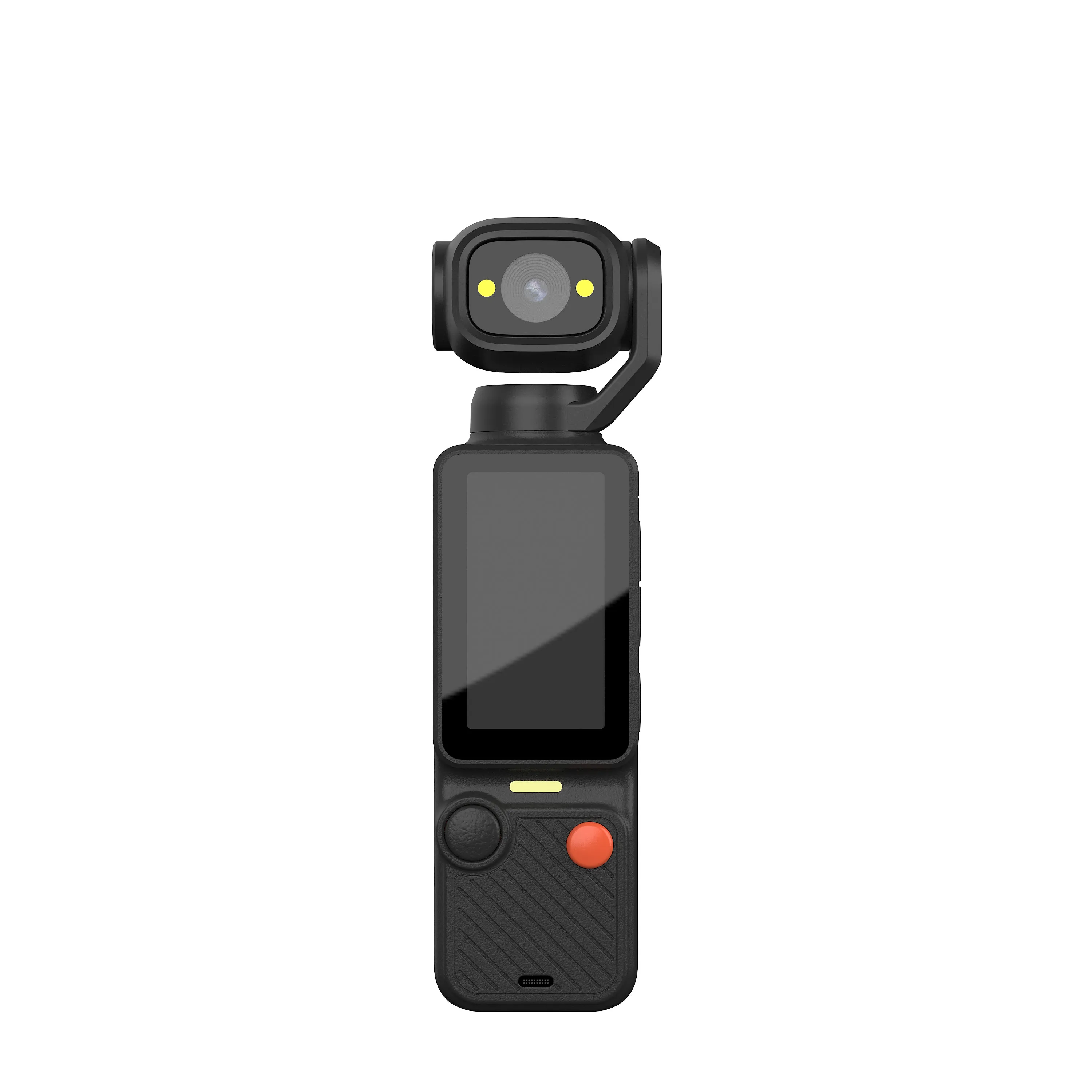
Words such as mini camera recording devices point at the storage and playback package around the body. These searches often arrive with a request for a bundle, and the standard packing for the AC-18 covers the common ground: a quick release base, a magnetic clip, a waterproof case, a charging cable, a 90 degree adapter, a bike mount, double sided tape and a magnetic lanyard, with a 32G TF card included in some units.
Confirming mini camera for recording specs takes a written line for each body in the quote. The mini camera recording side covers card capacity and clip length: the card bodies accept a TF card up to 32GB, the AC-18 takes a card up to 256G, and the AC-18 menu offers clip lengths of 3, 5 or 10 minutes with loop recording switched off when the buyer prefers single takes.
Recorder, Voice Recorder and the Same Small Bodies
Buyers who search mini camera recorder or mini camera with recorder want one device that records without a phone in the loop. A pocket body answers that need in one step: power it, press the record button, and the clip lands on the card.
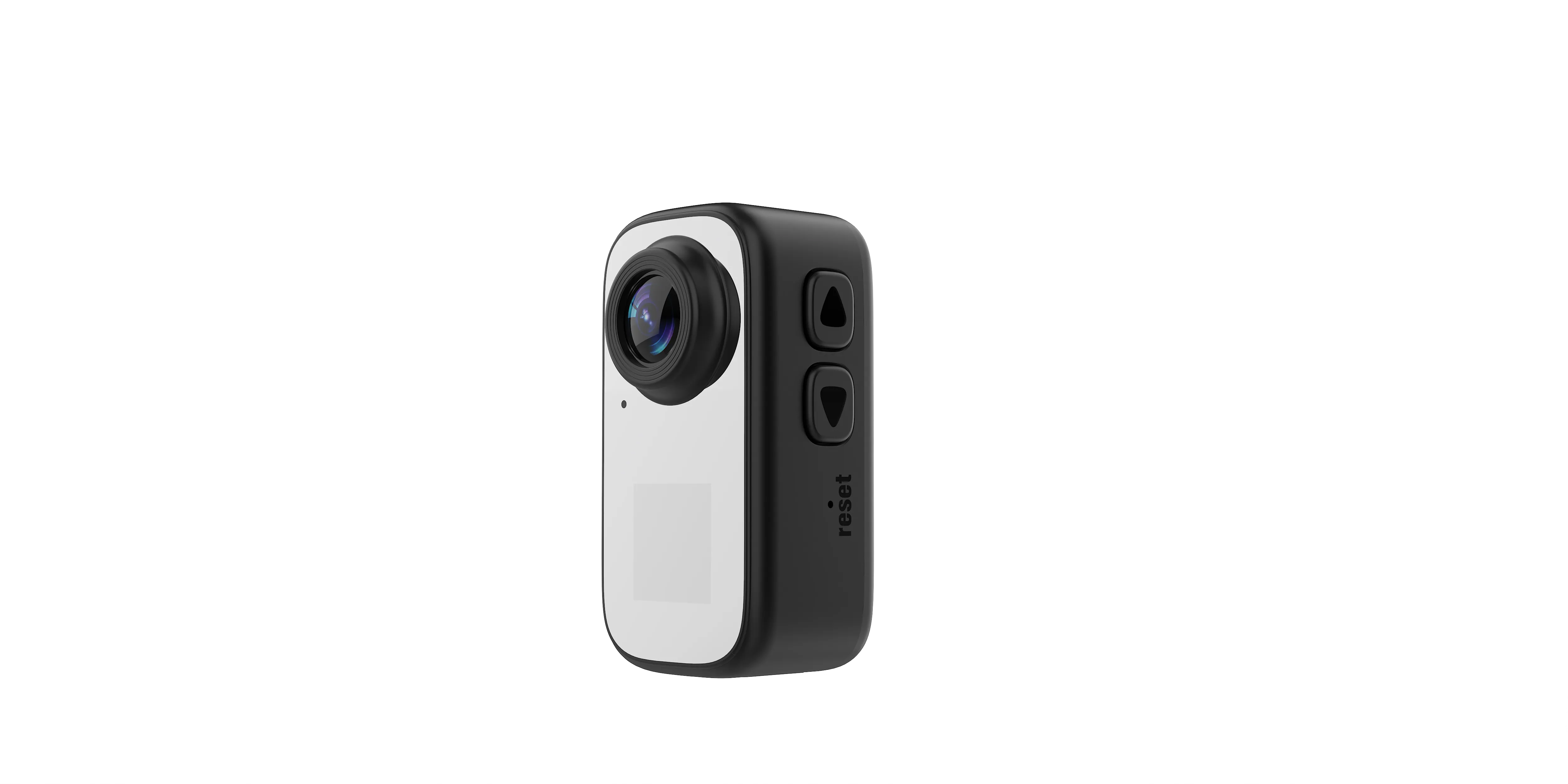
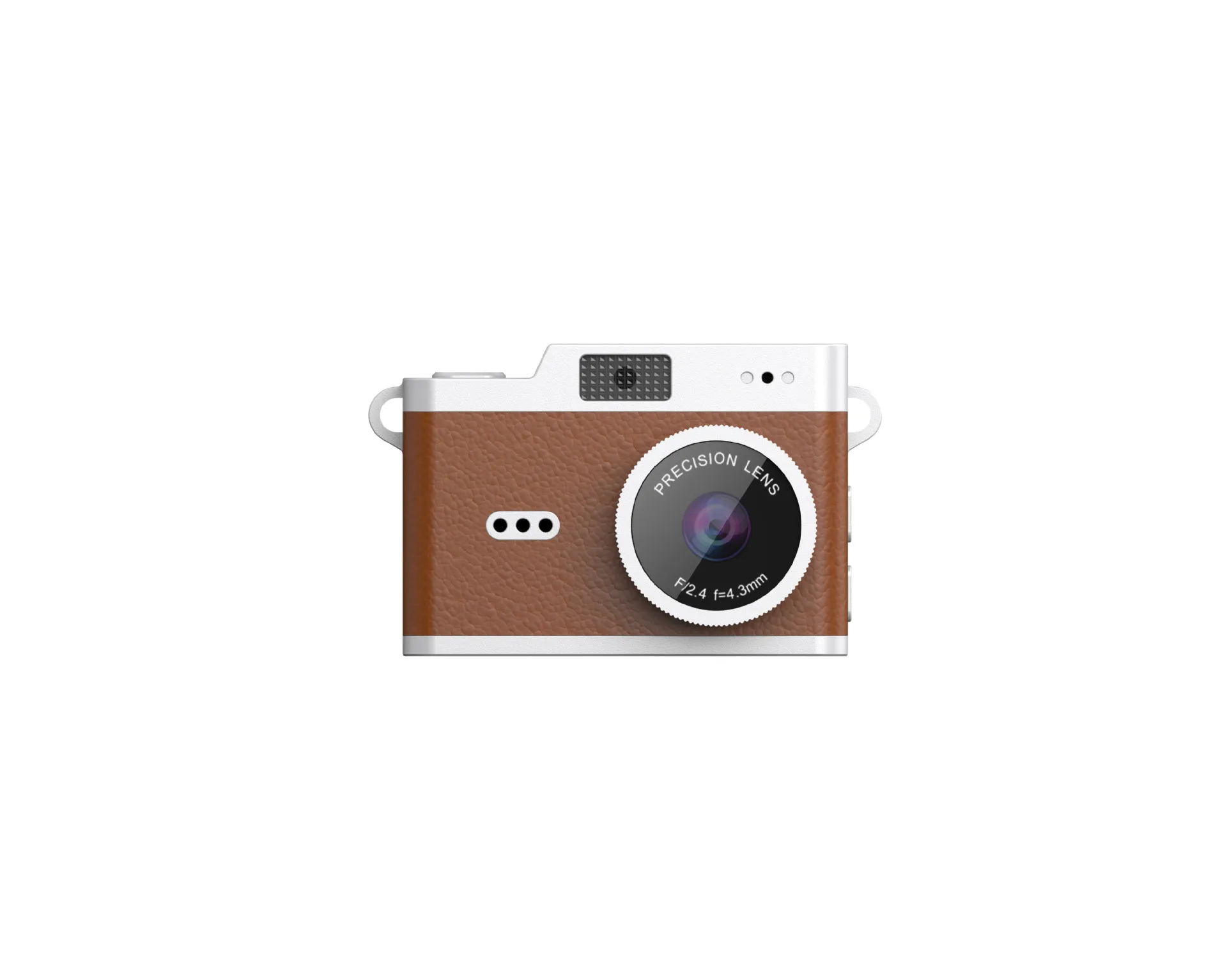
The mini recording camera phrasing points at the same hardware from the spec side, while mini camera and recorder describes the two jobs a buyer wants covered in one shipment. Our AC-7 keychain camera weighs 22 grams and runs on a 200mAh cell, and the AC-8 card camera at 21 grams shares the same 0.96 inch IPS screen.
A mini hd camera and voice recorder request adds resolution to that combination, and a buyer who wants the sound of a meeting attached to the picture needs a body with a built-in microphone and a clip function. Keep both lines in the quotation, then confirm on a sample clip whether the sound picks up at arm’s length.
A mini camera voice recorder request points at the same body from the sound side. Our bodies answer the resolution part with a real sensor: a 2MP CMOS across a 123 degree lens on the AC-18, and a single VGA lens behind the 0.96 inch IPS screen on the card bodies.
The best mini camera recorder choice depends on the runtime a buyer promises the end user. The card bodies run a 200mAh cell, the AC-3 flip body carries a 700mAh cell and a 2.4 inch HD IPS screen with a fill-in flash, and the AC-18 runs 700mAh for about two hours on a charge.
Listing Names for the Same Small Body
Retail pages name one piece of hardware in several orders, and the factory reads each order as the same product type. A listing may call the body a recording mini camera and describe it as a mini recorder camera for site visits.
Other shelf cards label the same pocket unit a video recorder mini camera, and a page selling the sound track as the selling point may write mini voice recorder camera instead.
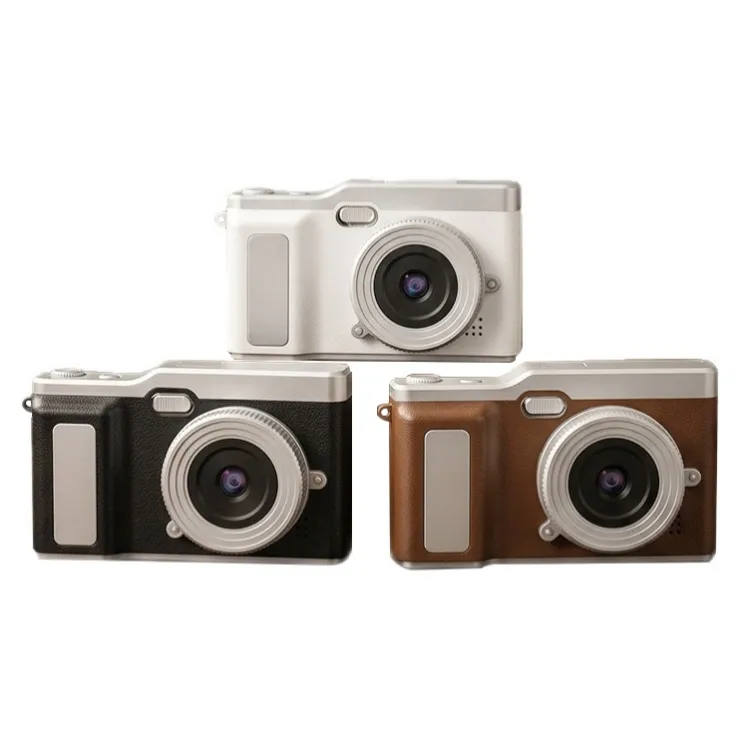
A page that sells the moving picture may write mini video recorder camera. None of those names points at a different body, and a buyer who writes any of them into a quotation gets the card line: a VGA sensor, a 0.96 inch IPS screen, a 200mAh cell and a TF card up to 32GB.
Matching a Body to a Retail Shelf
A mini video recording camera order and a mini audio camera order both sit on the pocket side of the range, and the difference comes down to how much the buyer wants to spend on storage and cell life. The mini camera guide compares the line by weight, screen and battery, which is the quickest way to match a body to a shelf.
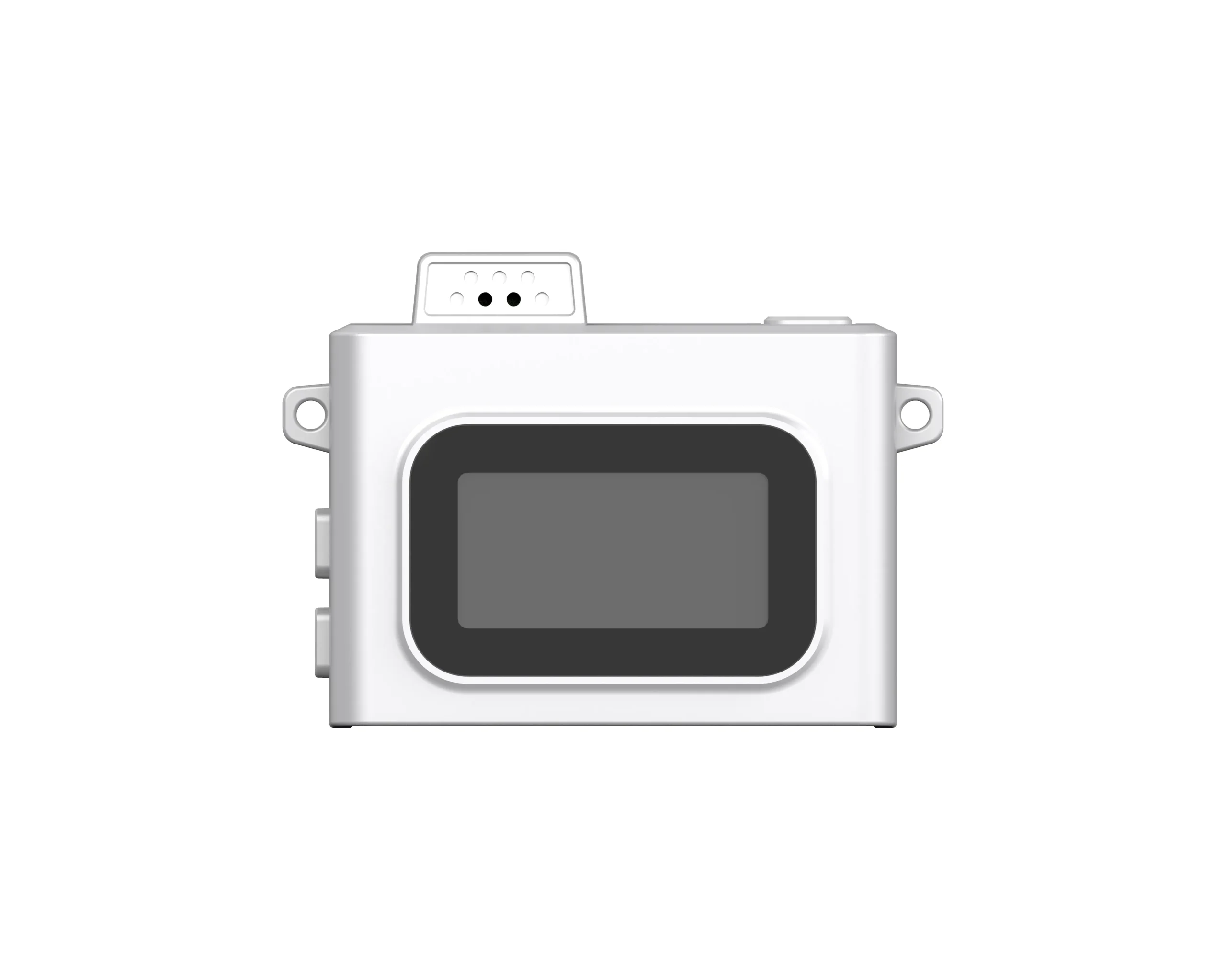
Two production facts help a buyer close the order. Our plant runs 1100 square meters with two camera lines and 50 to 60 staff, and daily output sits above 2000 units, so a repeat order of the same body follows a familiar path. Small batches, label changes, laser logos and artwork all sit inside the same order, and the standard papers cover CE, FCC, CPC and RoHS with payment on TT terms. Send the body list, the card ceiling, the clip length and the audio line you need, and the factory returns a written specification for approval before production starts.
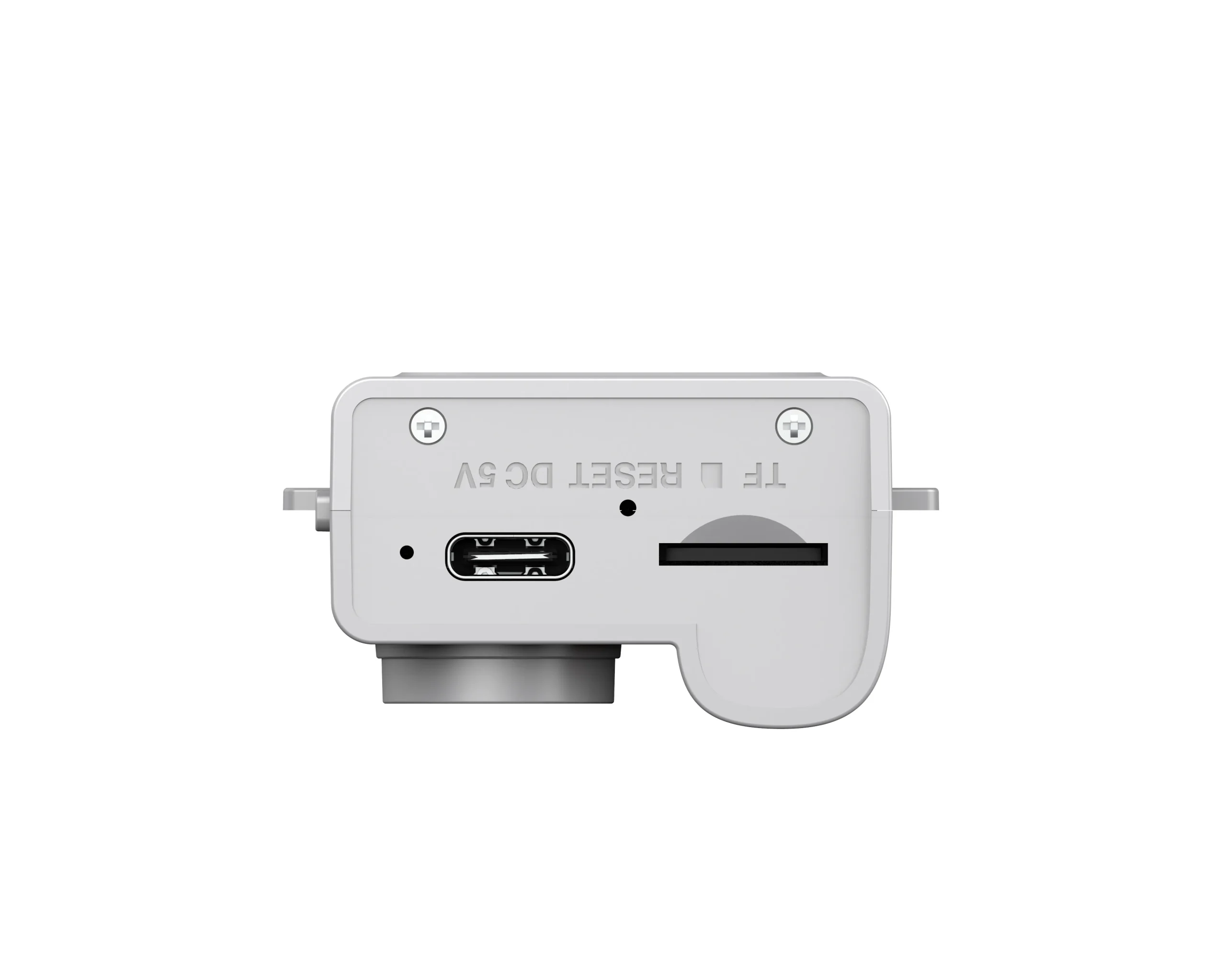
Buyers who want a starting point can ask for a sample of the card body and the thumb body side by side, and the factory ships both with the storage and screen line written on the same sheet. Once that sheet carries the audio confirmation, the shelf copy, the packing list and the retail page can all describe the same device. Send the mini camera requirements and our team answers with the spec lines your market asks for.

The JSRD Editorial Team creates practical B2B guides for importers, brand owners, and Amazon FBA sellers sourcing digital cameras from China. Our content covers OEM/ODM customization, product selection, and sourcing decisions for camera products.