A sports video camera must record the intended movement from its actual mounting position without dropped frames. This checklist helps wholesale buyers approve footage, session length and accessories before ordering. It covers video capture; the linked photography guide addresses still-image requirements.
Define the Sports Video Job
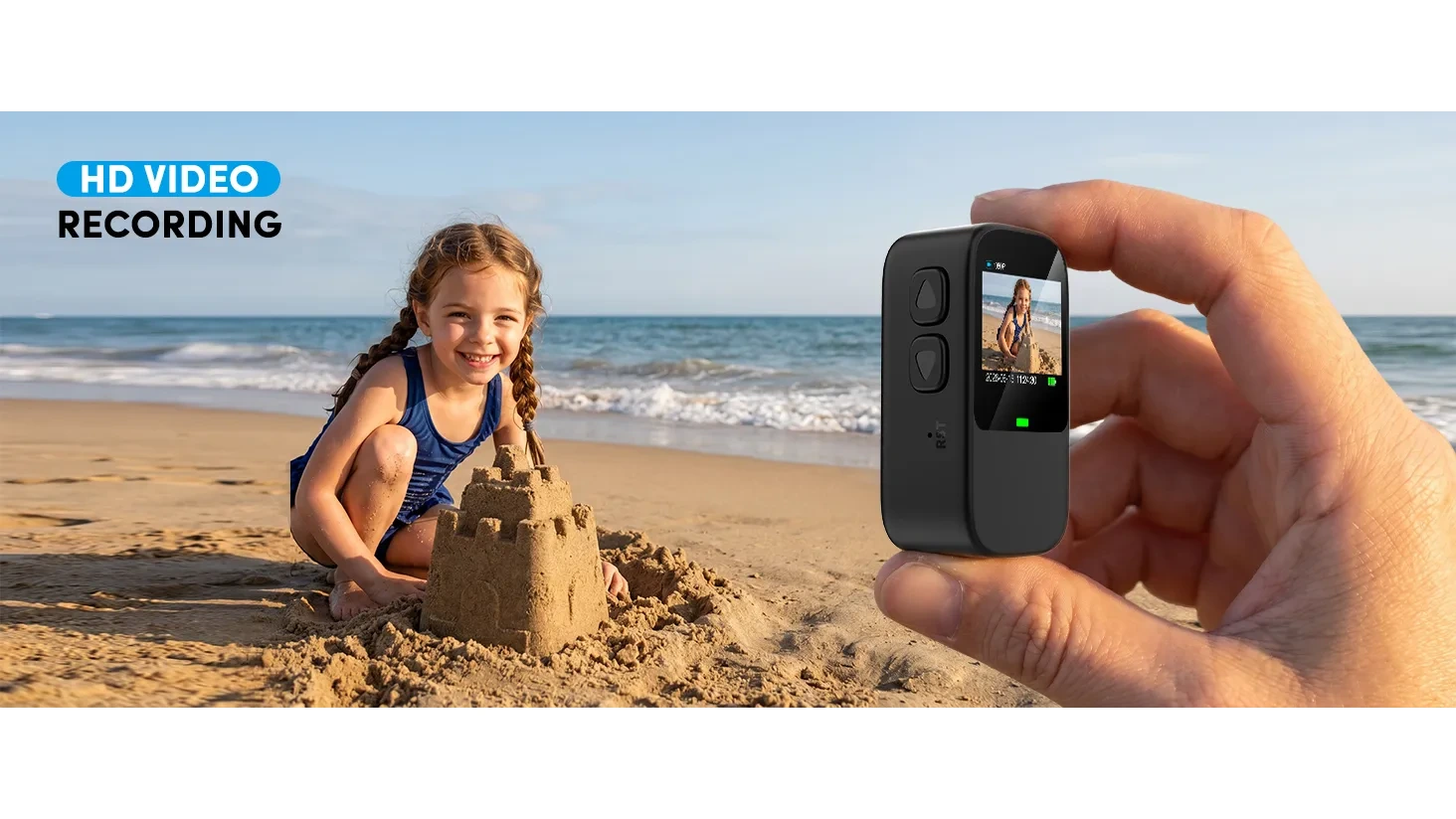
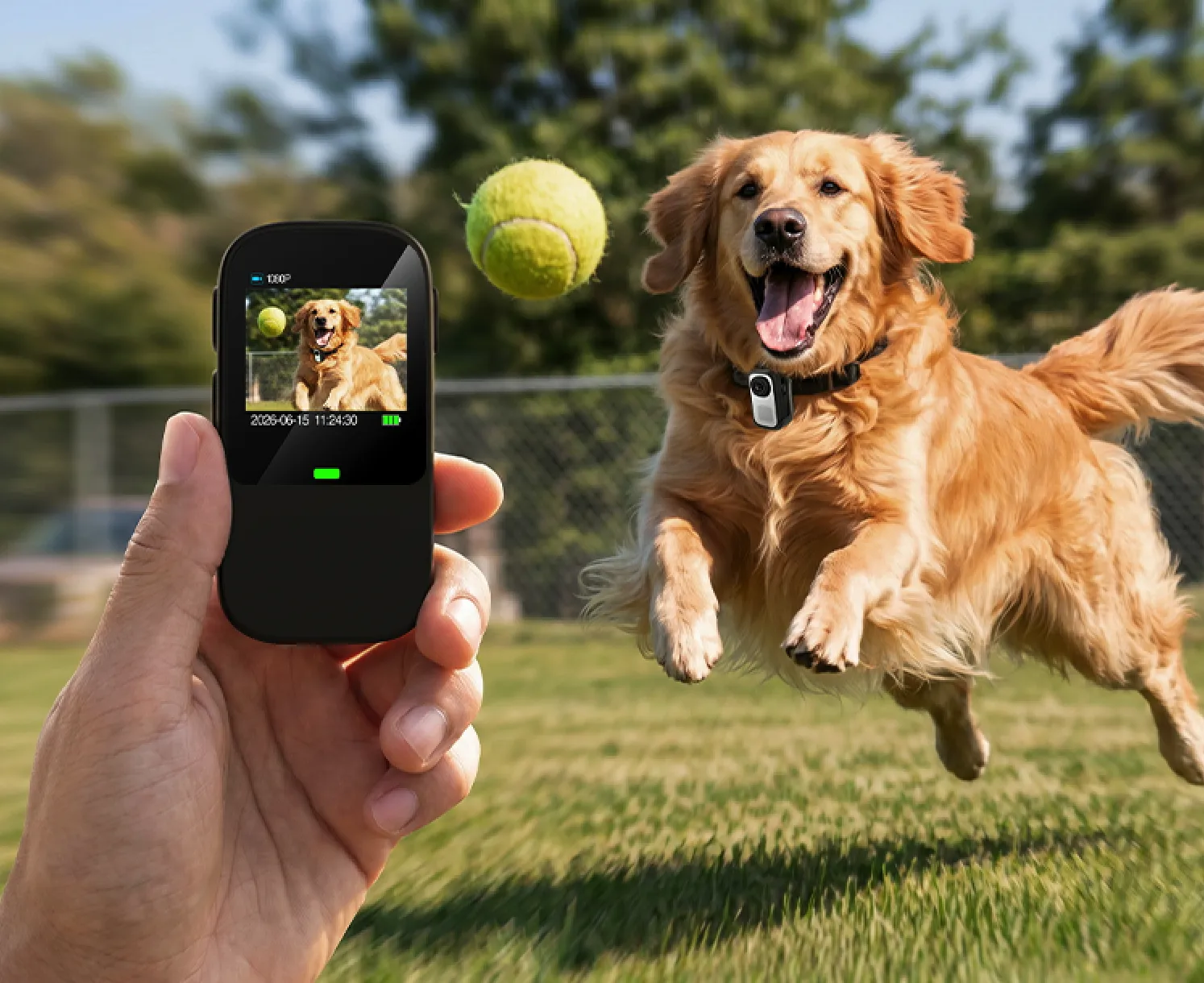
Start with the viewpoint: participant-mounted footage, a handheld spectator clip or a fixed camera recording a full field. Each requires a different viewing angle, mounting arrangement and operating workflow. A wide participant view can lose useful detail when repurposed as a distant sideline camera.
State the sport, camera position, lighting, session duration and required final video. If the deliverable is a high-quality still photograph of fast action, use the separate sports photography requirements guide.
Separate Frame Rate from Exposure Time
Video frame rate states how many frames are captured per second. Exposure time governs how much movement can blur within an individual frame. A 30fps label alone cannot promise a sharp ball, runner or bicycle.
Confirm the available resolution and frame-rate combinations on the offered hardware. Ask for original clips under representative motion and lighting. Review dropped frames, repeated frames, fine detail and motion blur. If slow-motion delivery is required, specify the capture and playback requirements in writing.
Check Field of View and Stabilization Together
Ask whether the field-of-view figure applies before or after electronic stabilization. Compare a moving subject near the center and near the frame edge. A very wide view may suit a helmet-mounted recording while making a distant player too small.
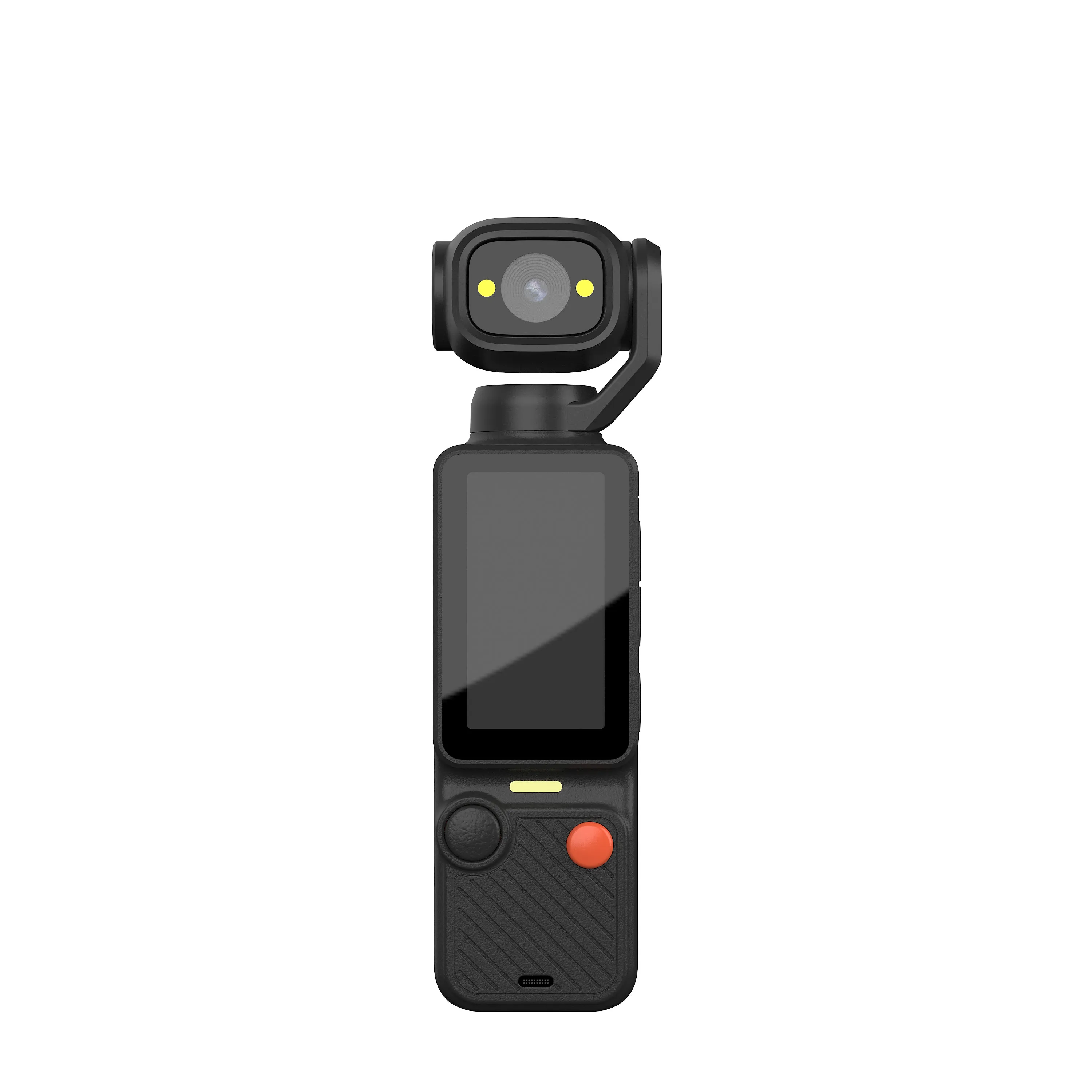
Identify the stabilization mechanism and the modes in which it works. Do not infer a mechanical gimbal from a stabilized-video label. The stabilization comparison guide explains the distinctions and acceptance tests.
Approve Mounts, Housing and Controls
Test attachment security, orientation, access to controls and cable clearance with the intended accessories. Follow the sport and venue rules for mounted equipment. Any retention system should be suitable for its use rather than assumed safe because it fits the camera.
Water resistance requires the exact enclosure configuration and documented conditions. Confirm whether a rating applies to the camera body or a separate housing. Do not transfer a depth claim from one build to another. The waterproof action camera guide provides additional procurement checks.
Run a Complete Recording Session
Measure continuous runtime at the approved mode, with the chosen screen, wireless and stabilization settings. Record ambient conditions and any external power use. Battery capacity alone does not establish session duration.
Check file splitting, restart behavior, heat warnings and recovery after an interrupted recording. Verify microphone performance under the expected wind and housing conditions. Confirm that any required external microphone is supported by the quoted model.
Validate Storage and Transfer
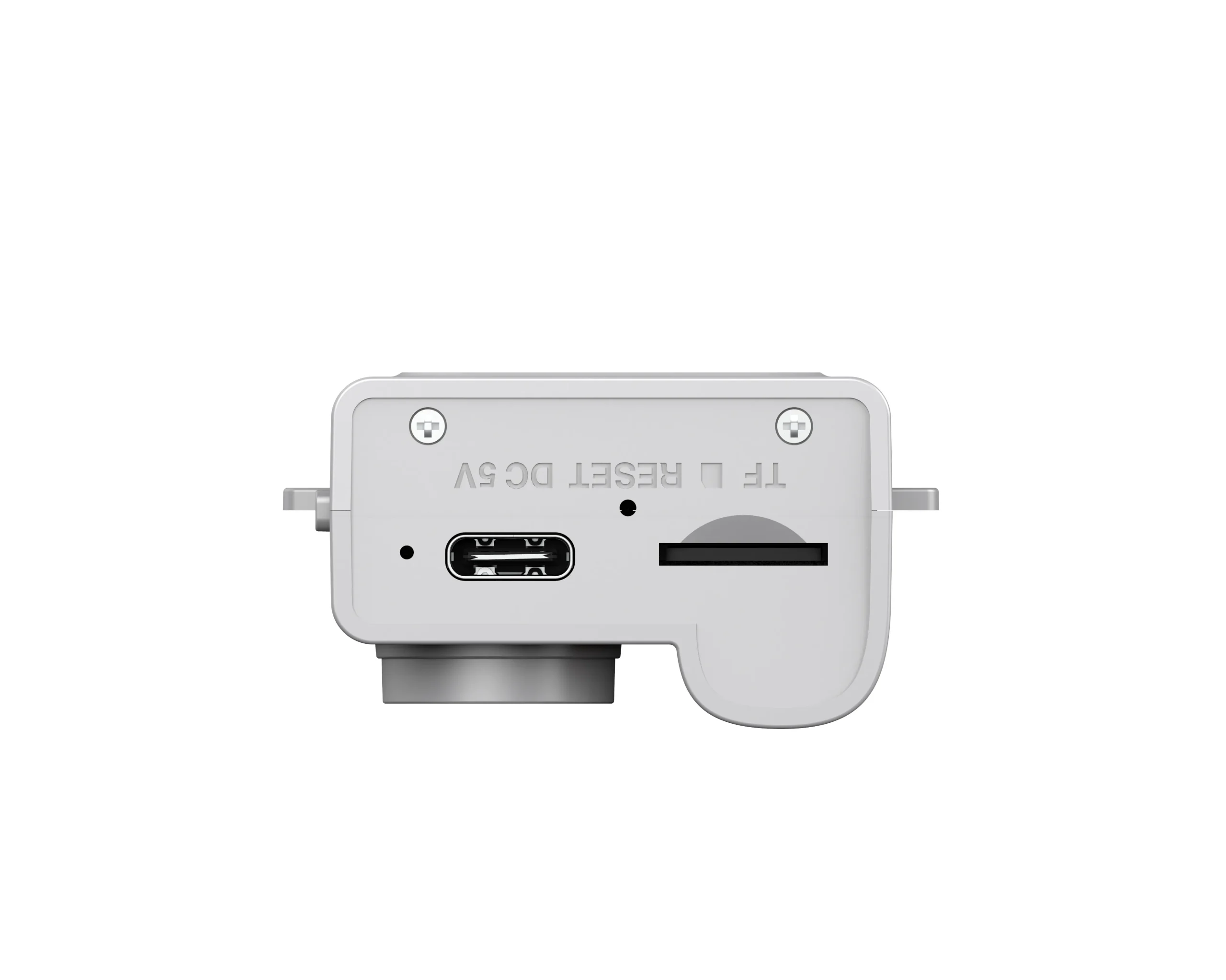
Use an approved card model and capacity. Record through the planned session, then copy and play every resulting file. Confirm usable capacity, format requirements and the transfer path before offering a bundled card.
App preview range and phone compatibility need their own test. Previewing a scene does not establish that the camera can upload a complete match or stream to a named platform. For continuous team recording, see the team sports recording guide.
Create a Configuration-Specific Order Sheet
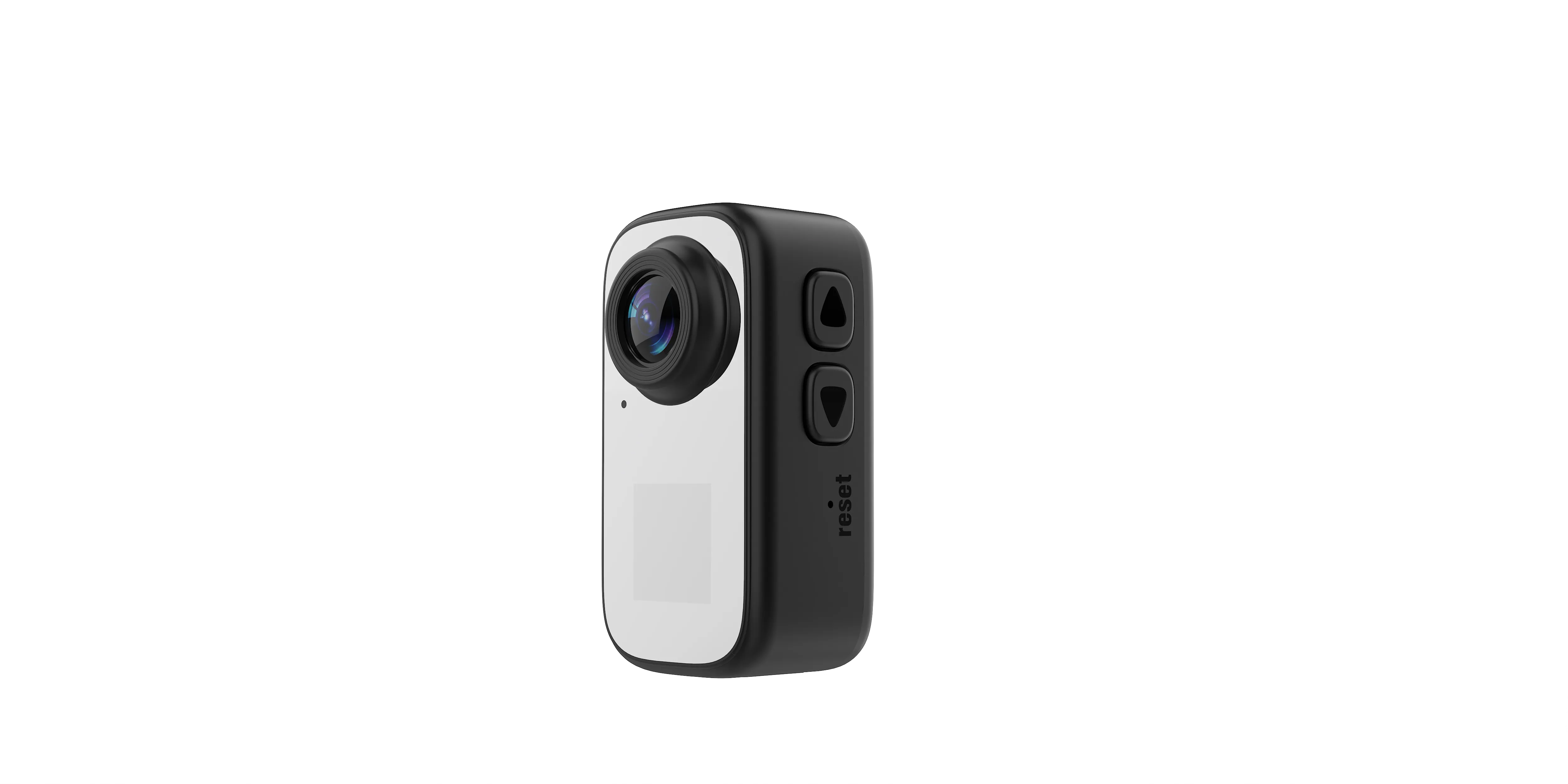
The AC-18 product page describes one compact action-style option. Evaluate its actual sample against the video brief, including the native capture modes and supplied enclosure. A compact gift camera from another range is not an interchangeable substitute.
Record the approved hardware revision, recording mode, accessories, original sample clips, runtime result and inspection criteria. Review the product range and send those requirements with quantity and market through the contact page.

The JSRD Editorial Team creates practical B2B guides for importers, brand owners, and Amazon FBA sellers sourcing digital cameras from China. Our content covers OEM/ODM customization, product selection, and sourcing decisions for camera products.