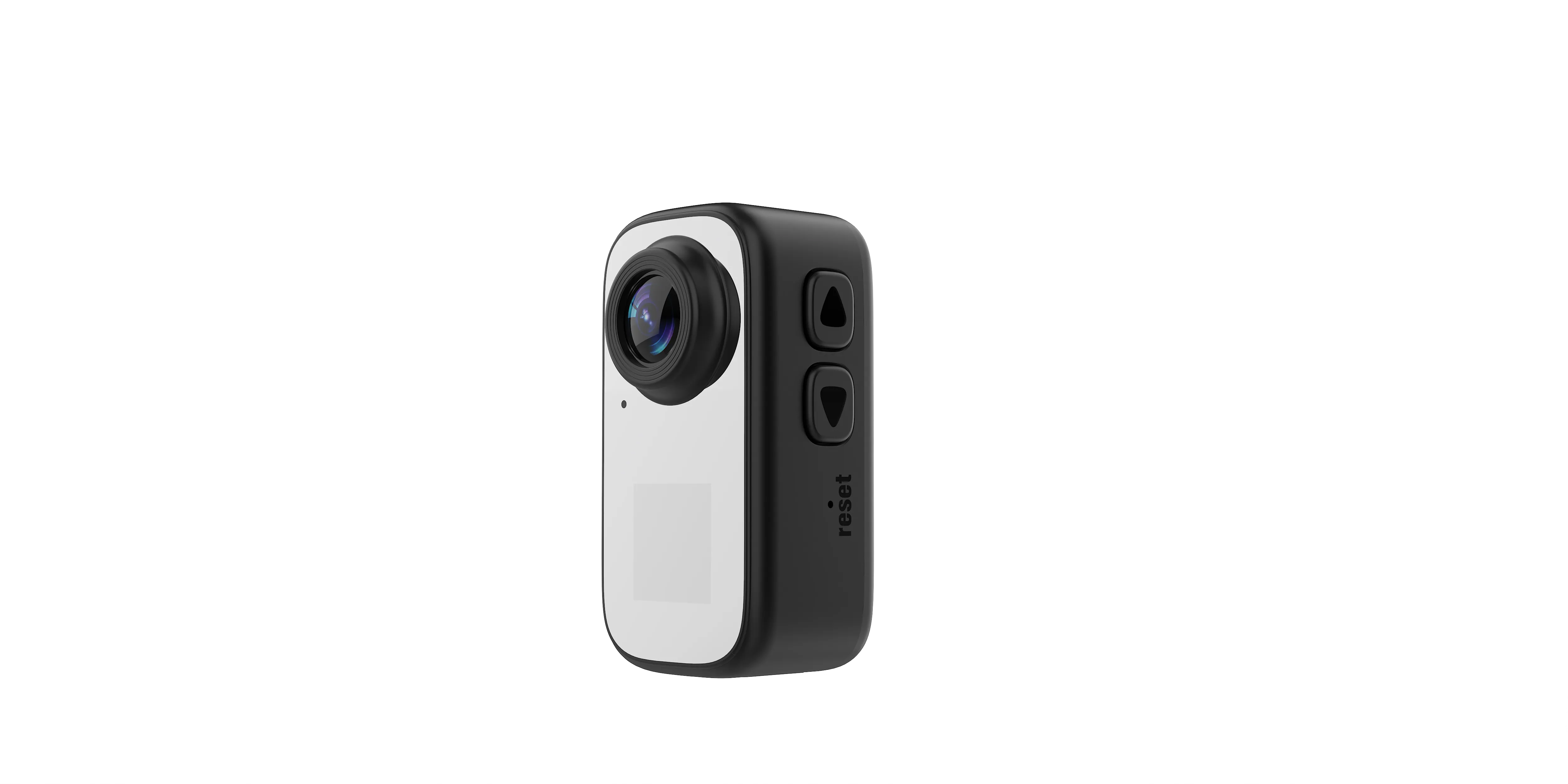
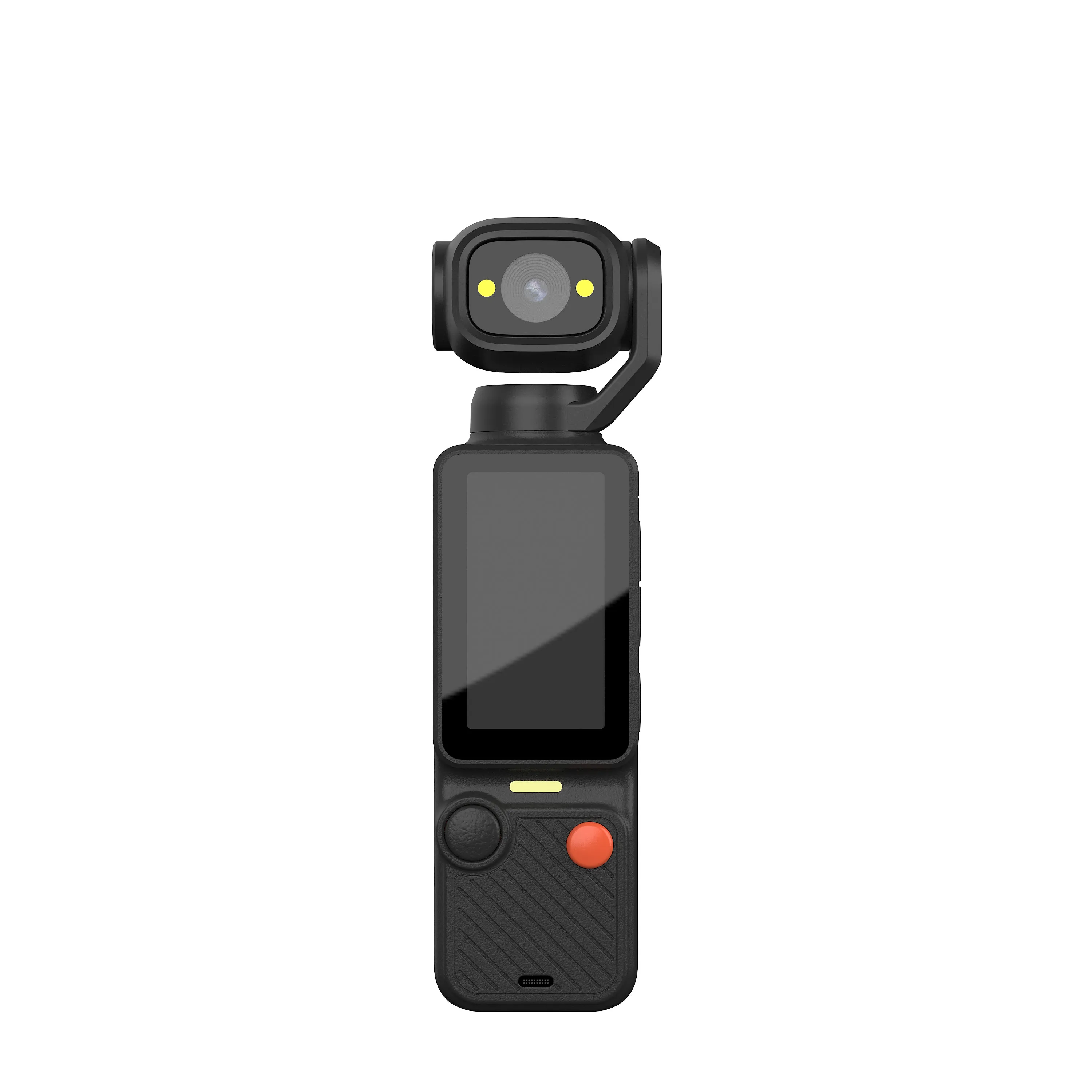
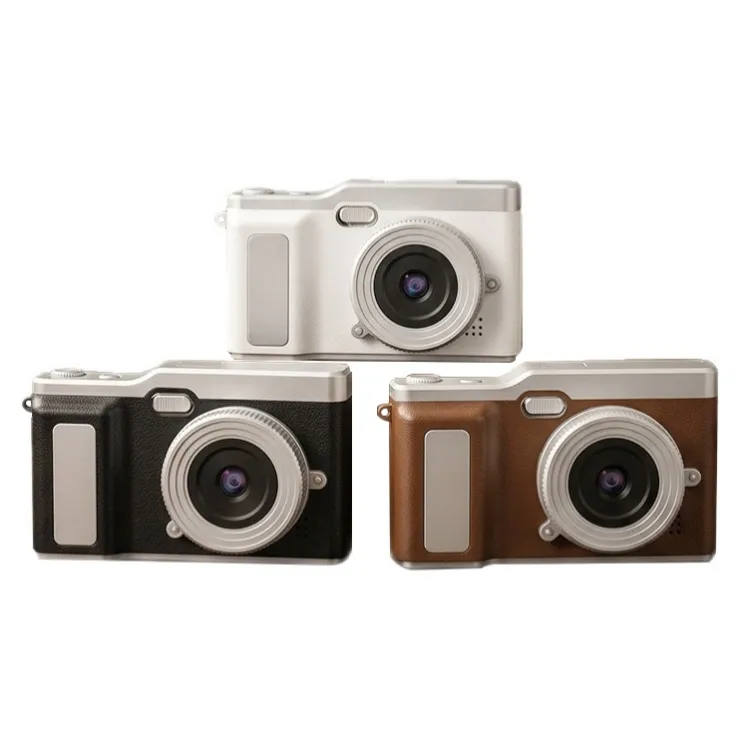
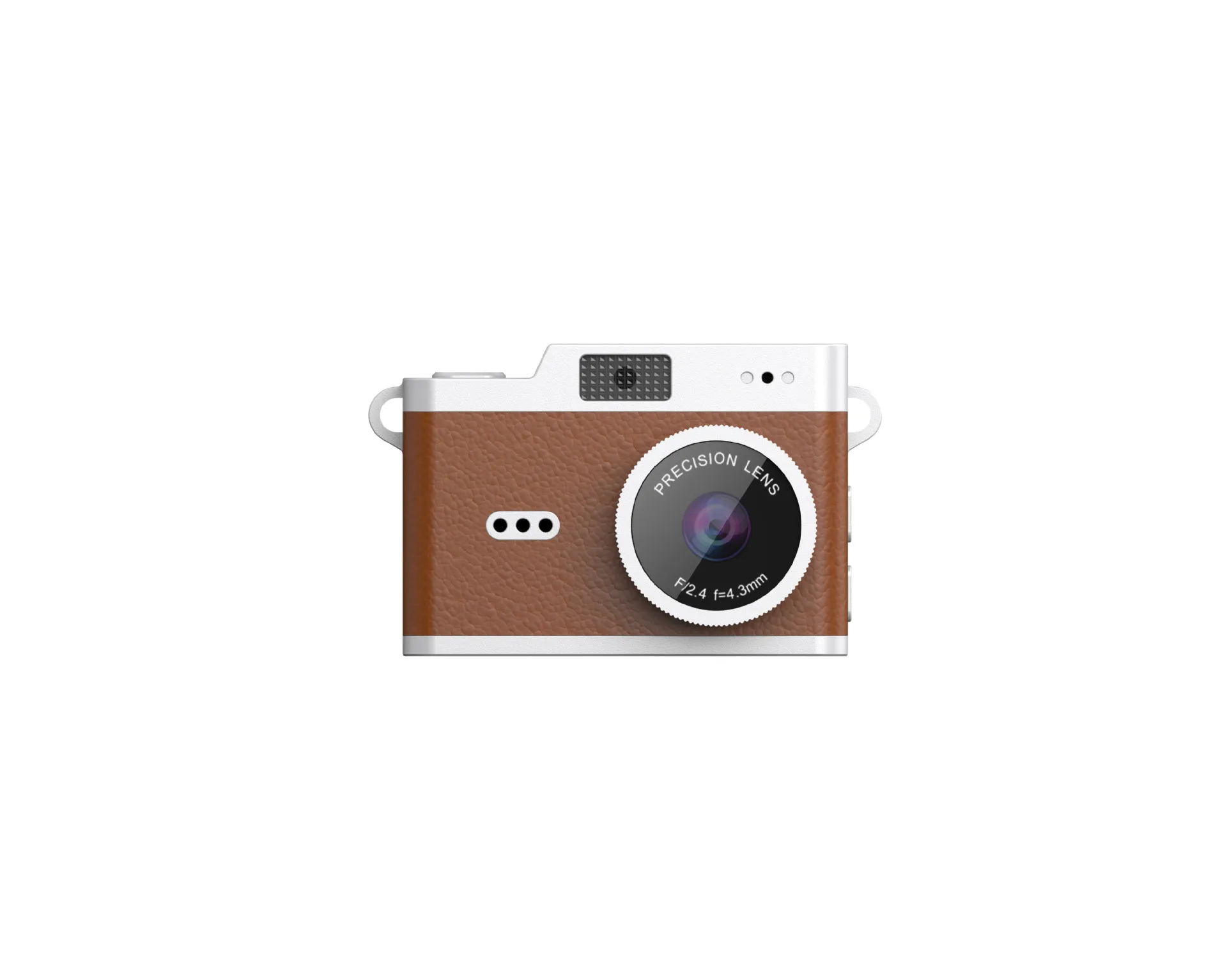
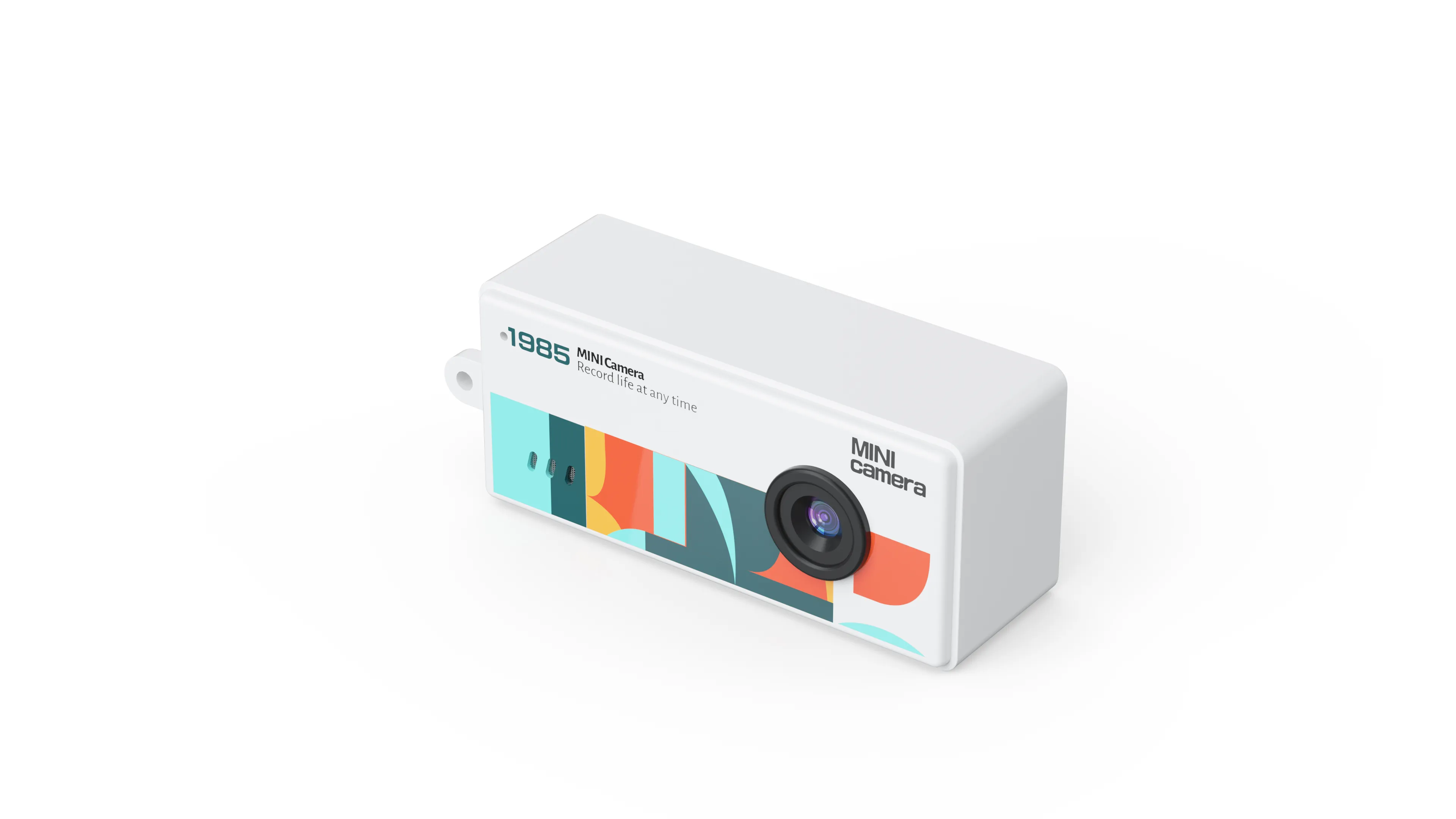
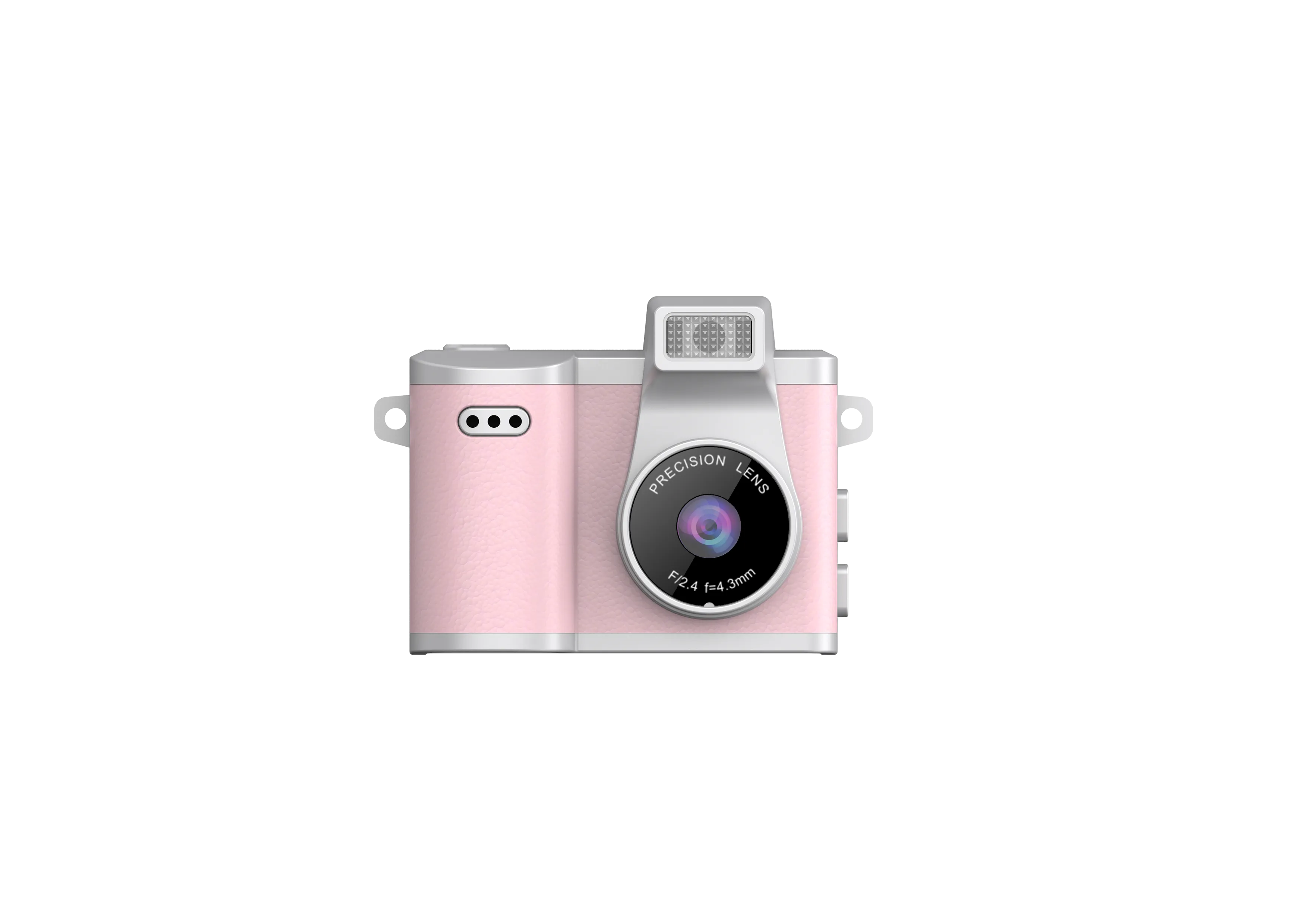
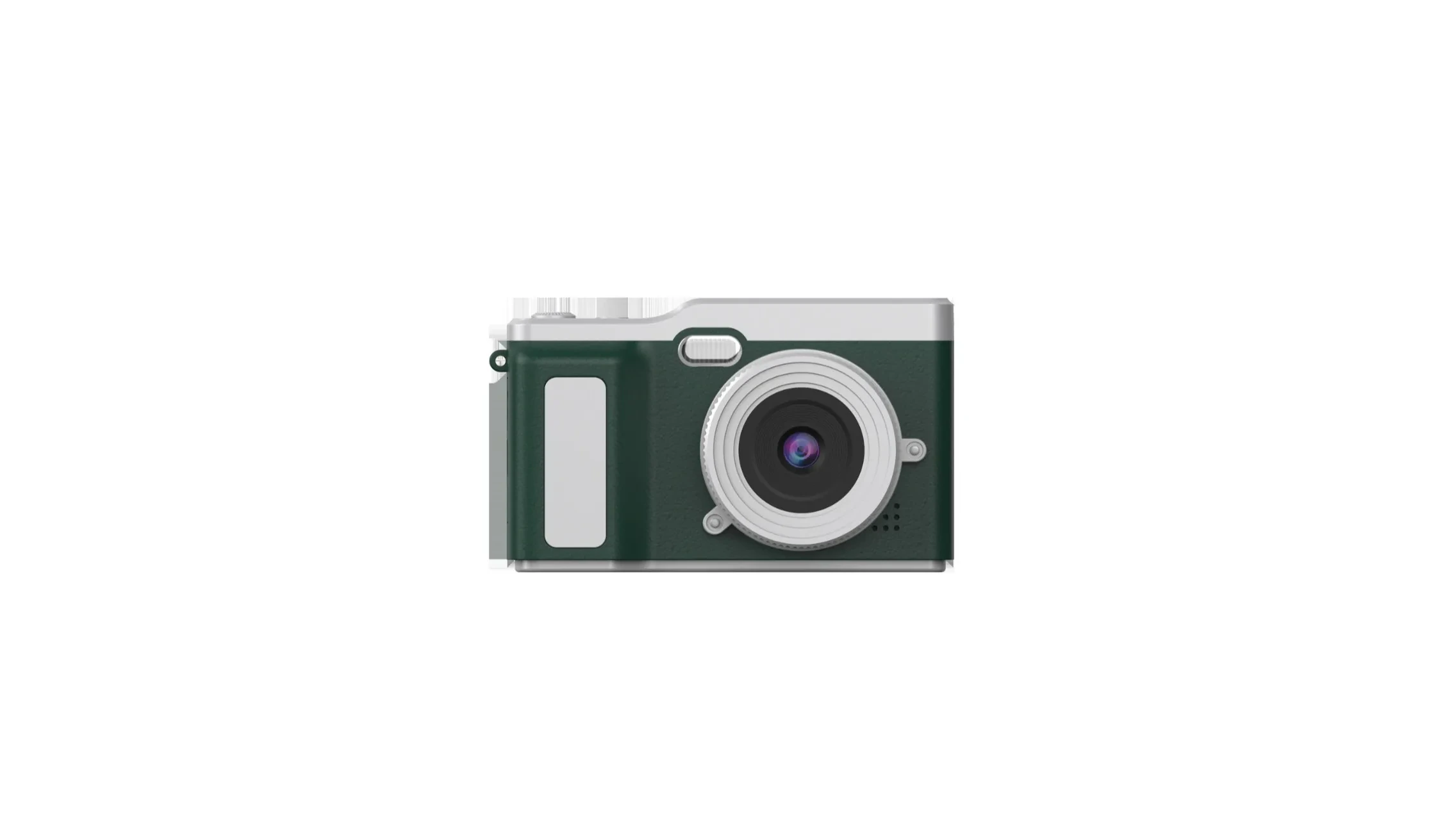
A flip-screen camera lets the operator check framing while facing the lens. For a wholesale selfie or gift program, the important questions are how the screen moves, which shooting modes it supports and whether the controls remain usable in that position. This guide explains how to specify and approve that configuration.
Separate Screen Movement from Touch Controls
A flip screen describes a mechanical arrangement: a display changes position on a hinge. A touch screen describes an input method: the operator selects supported functions by touching the panel. A camera can have either feature, both, or neither. A second fixed front display is another way to preview a selfie, but does not by itself make the camera a flip-screen model.
Ask the supplier to show the exact production sample from the front, rear and side with the screen in each usable position. Confirm whether the quoted configuration uses a moving display, a rotating camera assembly or two fixed displays. Product names and a single promotional photograph are insufficient to establish the mechanism.
Check Hinge Direction and Everyday Handling
Upward, downward and side-opening panels have different clearance needs. Test the sample with the intended grip, mount and charging cable attached. The screen should reach the intended viewing angle without obstructing the lens or making the shutter control difficult to reach.
Write the opening direction, travel range and accepted inspection method into the sample approval record. Check repeated opening, alignment when closed and any looseness after handling. Agree on a durability test with the supplier instead of assuming that every hinge has the same cycle rating.
Review the AC-3 as a Selfie and Gift Body
The current AC-3 product page describes a 2.4-inch HD IPS display and a front/rear flip arrangement. Its listed configuration includes a VGA camera, fill-in lighting, a 3.7V 700mAh rechargeable battery, TF storage up to 32 GB and Type-C connectivity. Confirm the exact screen and camera movement on a sample before describing it on a retail listing.
These specifications position the model as a simple compact camera. A display marked HD does not establish HD recording resolution, and an enlarged output file does not establish native sensor resolution. Request original image files and a complete photo/video mode list for the configuration being quoted.
Evaluate Fill-In Lighting and Selfie Framing
Try a face-level shot in an ordinary indoor room, both with and without the built-in light. Check subject distance, exposure, skin tones and whether the preview corresponds to the saved image. A small integrated fill light should not be advertised as an interchangeable external flash system.
Also test the timer, shutter response and any claimed selfie mode. Record which functions are available while the screen faces the user. If the buyer requires autofocus, a microphone input or live streaming, obtain separate written confirmation; the flip-screen feature establishes none of these capabilities.
When a Fixed Touch Screen Is the Better Fit
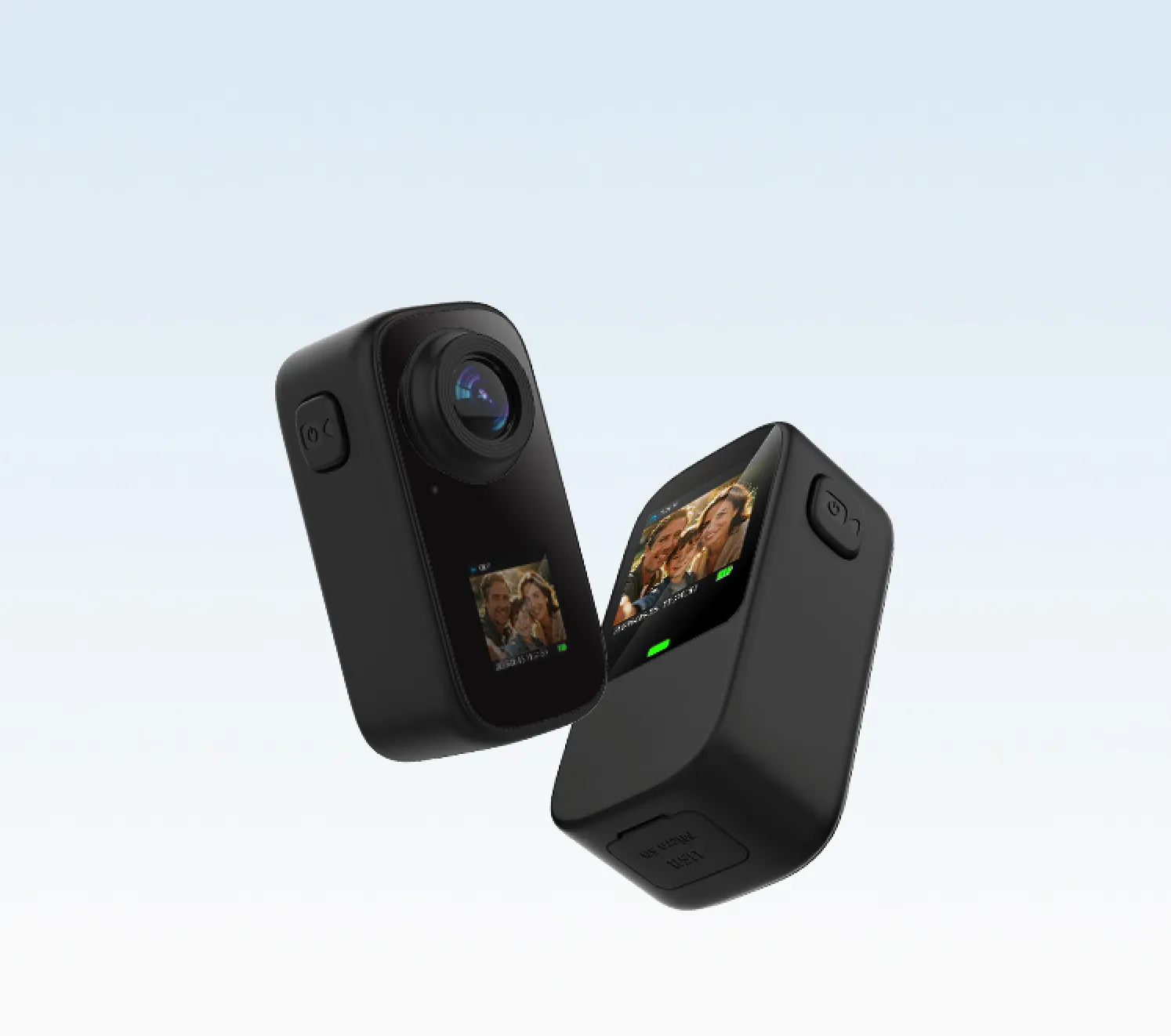
The AC-18 is a different layout: a small front display and a rear touch screen, with WiFi preview supported by its specified app. It is relevant when compact controls or a mounted viewpoint matter more than a moving display. Verify app compatibility and wireless performance on the intended phone rather than transferring those claims to the AC-3.
Keep Color and Packaging Separate from Core Performance
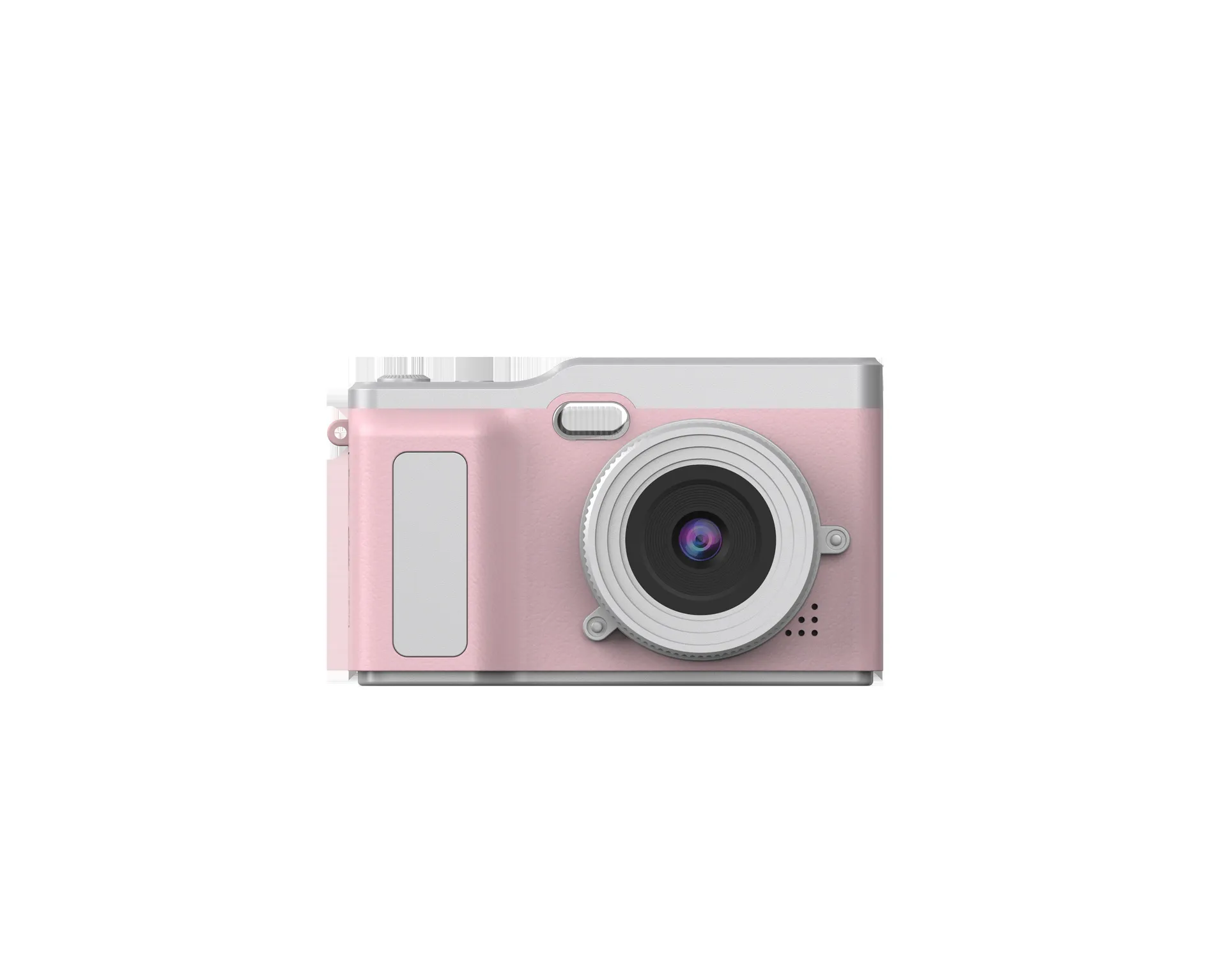
The AC-3 color range includes brown, dark green, white, pink and black. A color choice changes the retail presentation, while screen construction, sensor configuration and recording modes need their own approval. Confirm the minimum order per custom color, logo artwork, language menu and package contents in the quotation.
Approve Recording Specifications Independently
A request for a 4K flip-screen camera contains two separate requirements. One concerns video capture; the other concerns the viewing mechanism. A 4K recording claim says nothing about panel resolution. Require an original clip from the offered configuration, identify its recorded frame size and frame rate, and check whether stabilization or other modes change either figure.
Build a Sample Approval Sheet
Record the screen mechanism, visible display size, touch functions, original photo/video output, lighting, battery, card compatibility and supplied accessories. Include photographs of the approved sample and the agreed retail claims. For a broader comparison of camera categories, use the product center; for a quotation, send the intended market, required configuration and quantity through the contact page.

The JSRD Editorial Team creates practical B2B guides for importers, brand owners, and Amazon FBA sellers sourcing digital cameras from China. Our content covers OEM/ODM customization, product selection, and sourcing decisions for camera products.