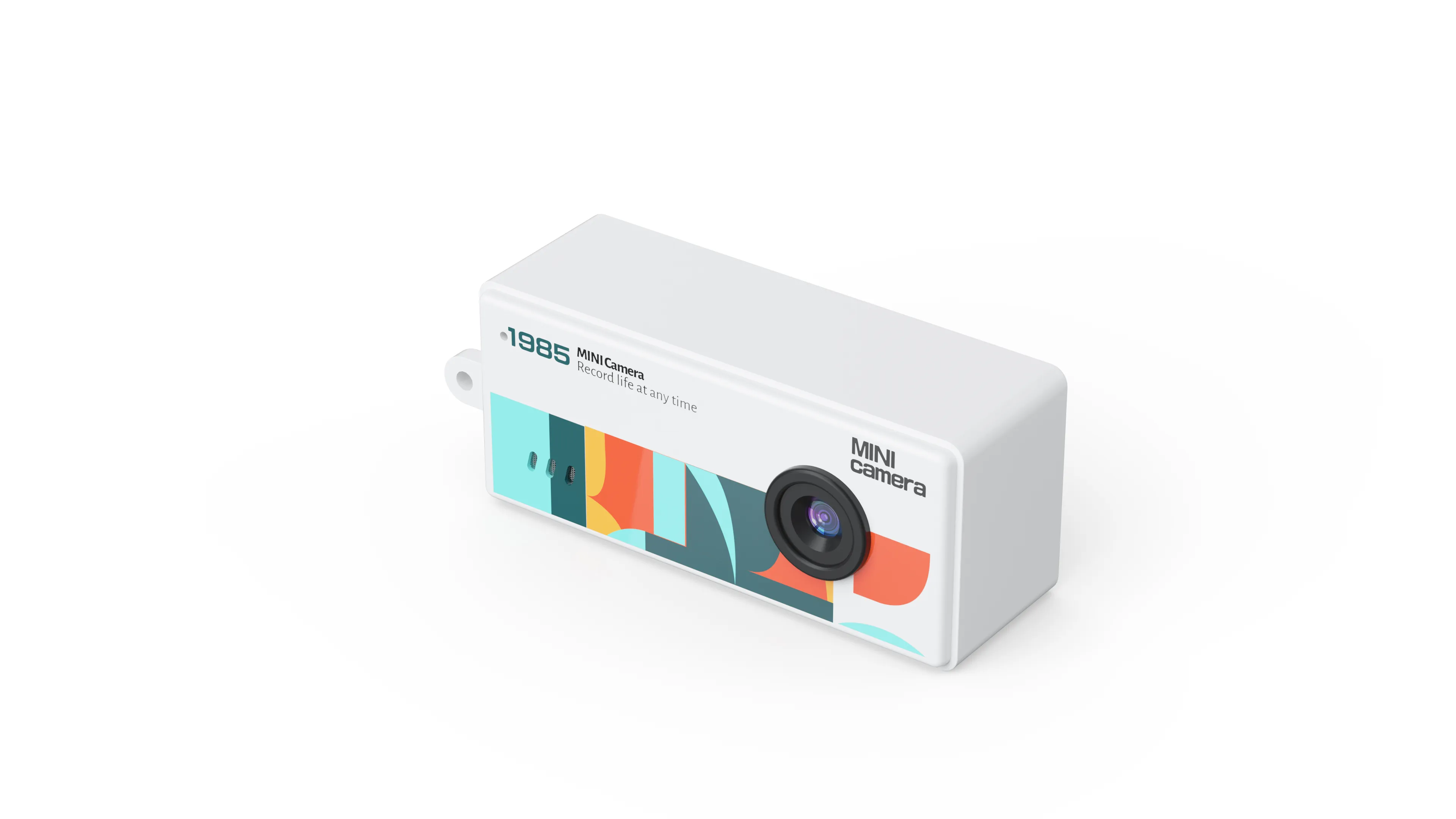
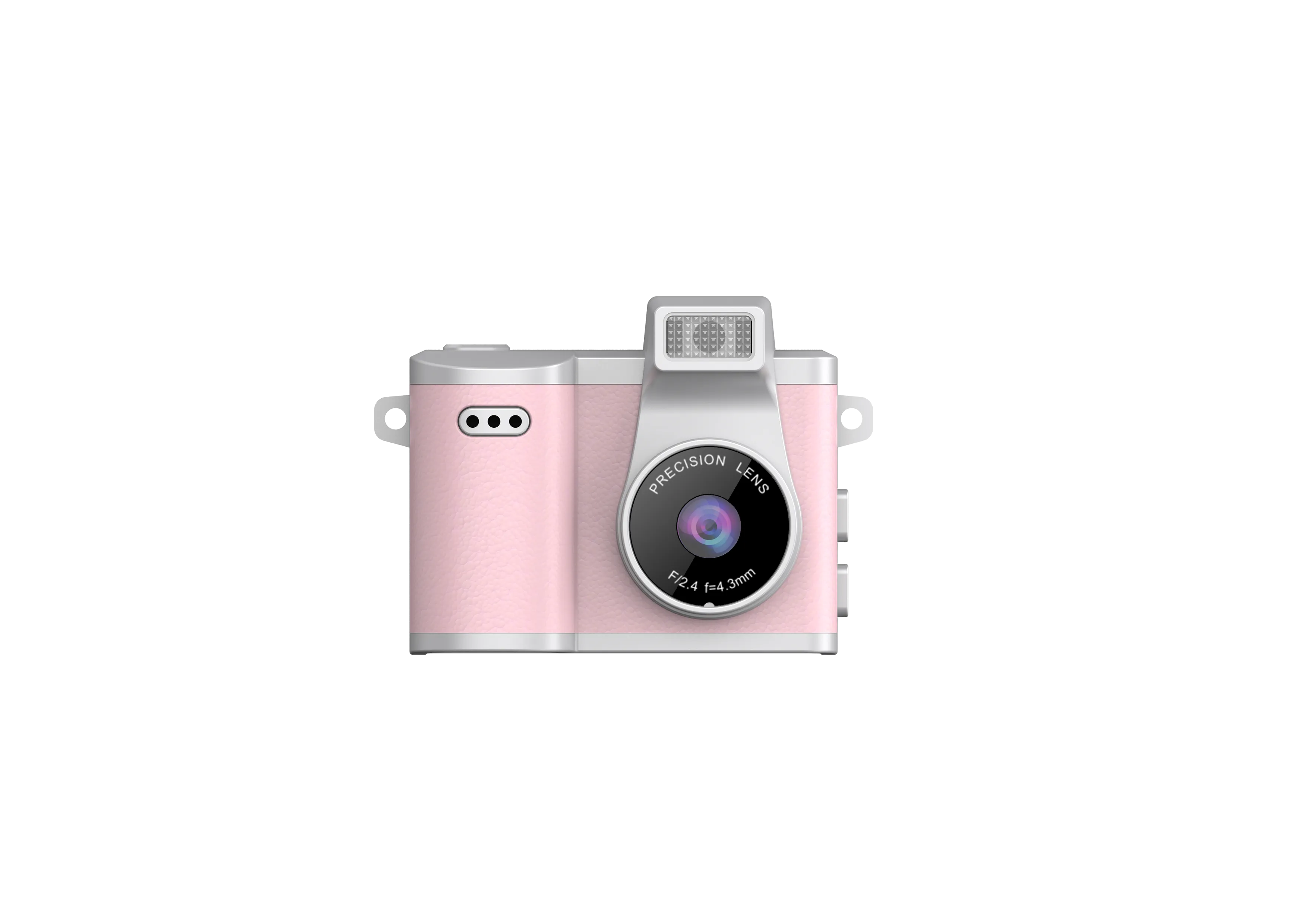
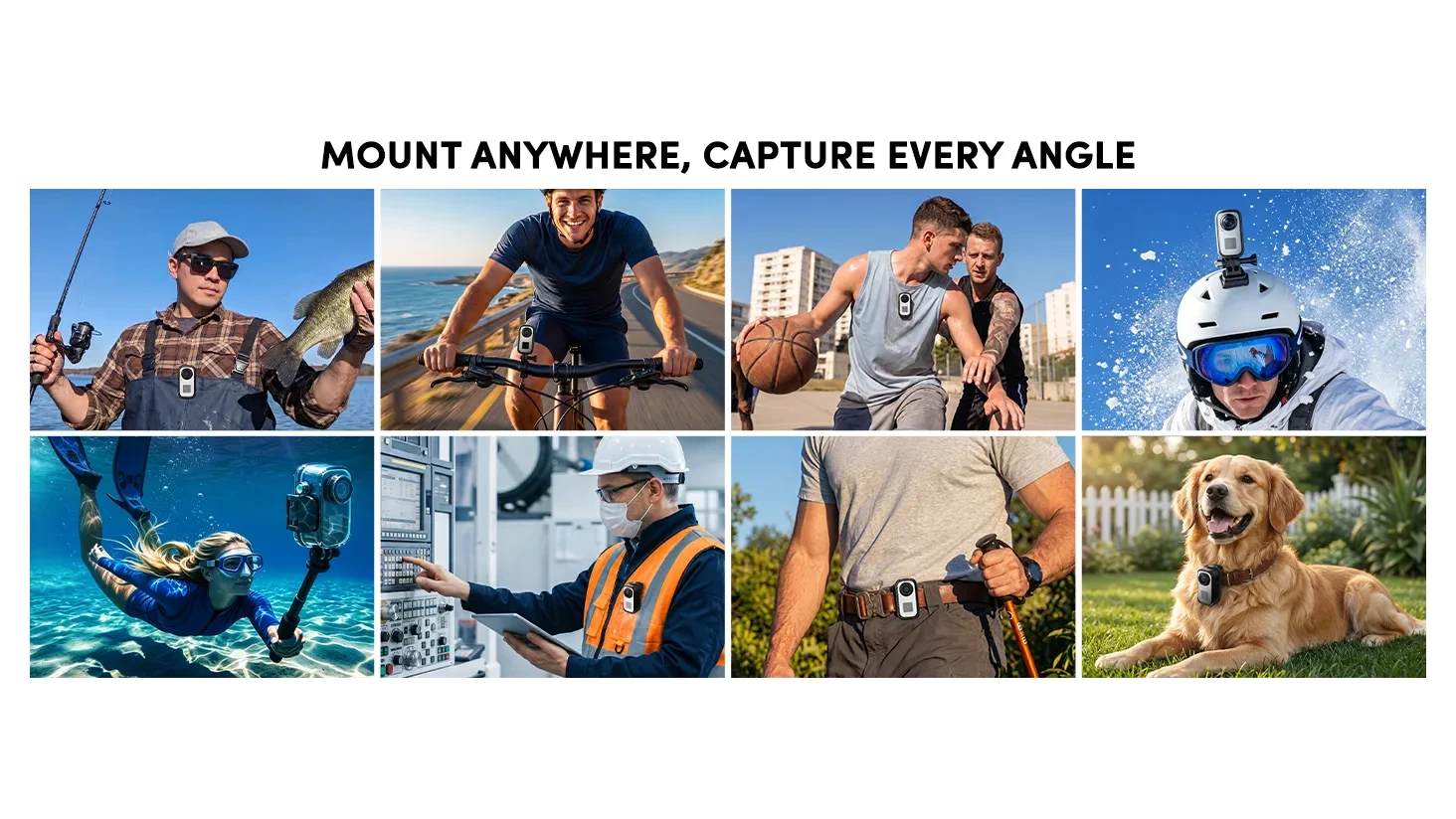
A program that puts a camera on a person has one requirement that no spec sheet states on its own: the unit has to record while the wearer does something else. A wearable action camera earns its shelf space when it stays on the body, keeps the frame wide, and comes off the mount without a toolbox. The same order travels across sports programs, tour operations and workwear lines, so the mount kit and the recording spec decide the answer together.
What a Wearable Body Has to Do
A hands free action camera removes the operator from the frame question. The camera rides where the action happens, so the program records the view the wearer sees rather than a tripod shot from the side. That decision moves the order away from camera shopping and into mounting hardware, and it decides which body sizes a distributor stocks for the season.
Buyers who specify this class of unit start from the recording job: how long the session runs, how much of the scene the lens holds, and what the operator wears. A program that films a full shift on a strap needs a mount that survives movement, and a program that films a bike descent needs a body that stays on the frame when the road gets rough.
The Mount Point Decides the Order
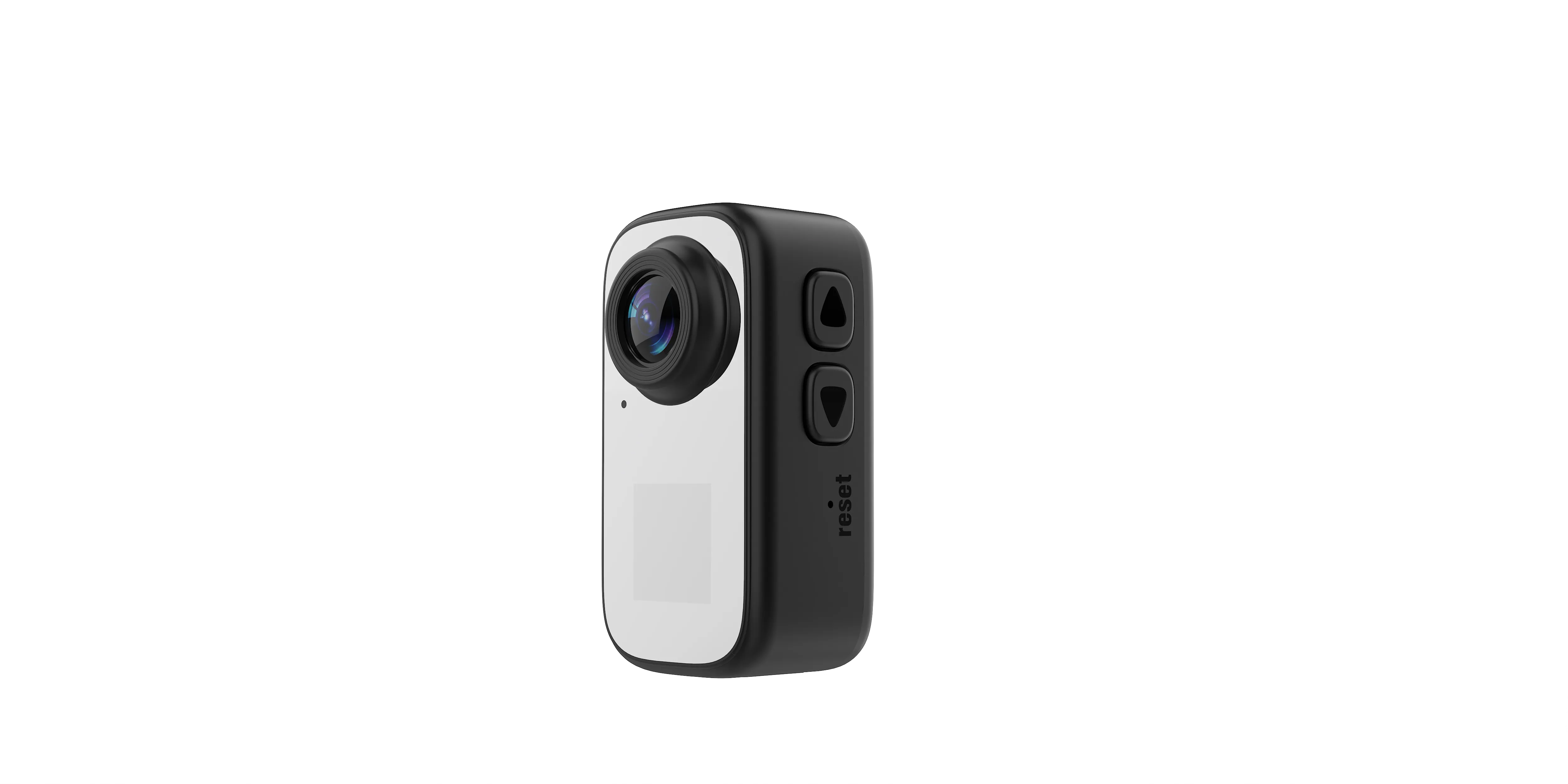
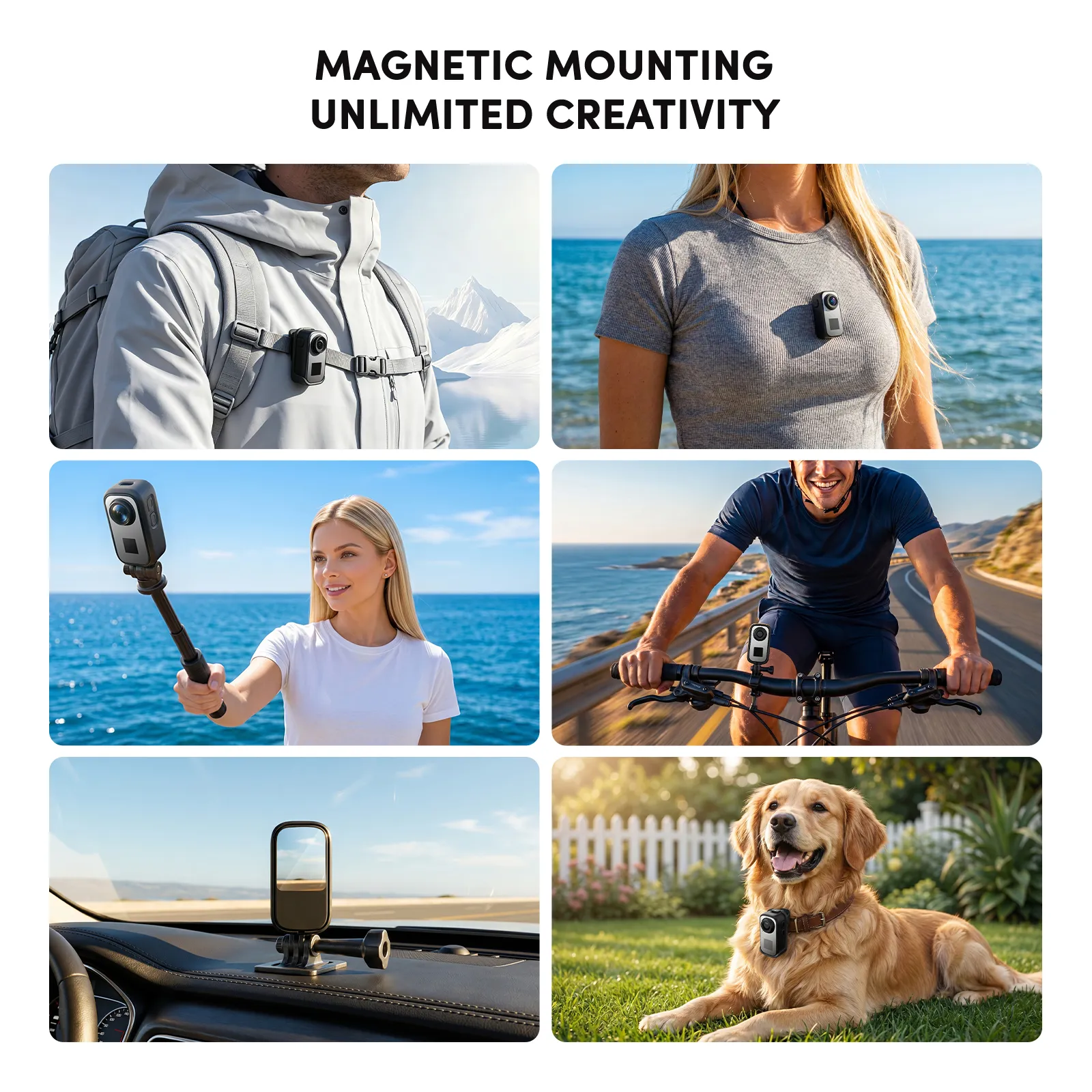
A magnetic action camera lands on metal in one move and comes off without tools, which suits programs that change locations between sessions. The AC-18 carries a built-in magnetic mount, and the kit adds a quick-release base, a magnetic clip for a shoulder strap and a magnetic lanyard. Buyers who need a permanent bracket on a helmet or a handlebar order that hardware alongside the body.
Double-sided tape handles flat surfaces where a screw boss would fail, and the 90-degree adapter turns a side mount into a forward-facing angle. The bike mount covers programs that put the camera on a frame rather than on a person. Each of these pieces ships in the same box as the camera, which keeps the unit count at one for the distributor.
POV Framing and the Wide Lens
A pov action camera puts the lens at eye level, so the lens choice carries the whole result. The AC-18 uses a 123-degree wide lens, and that width keeps a handlebar, a trail edge or a workbench inside one frame. A narrow lens on a body mounted at the shoulder misses what the wearer looks at, and the footage reads as an empty scene.
An action pov camera program also runs on battery, because the body leaves no room for a larger cell. The 700mAh pack covers a working session, and Type-C charging keeps the shelf simple. A buyer who needs a longer shift moves to a second unit rather than to a heavier body, and the order sheet can carry both bodies in one line.
Choosing the Body Size
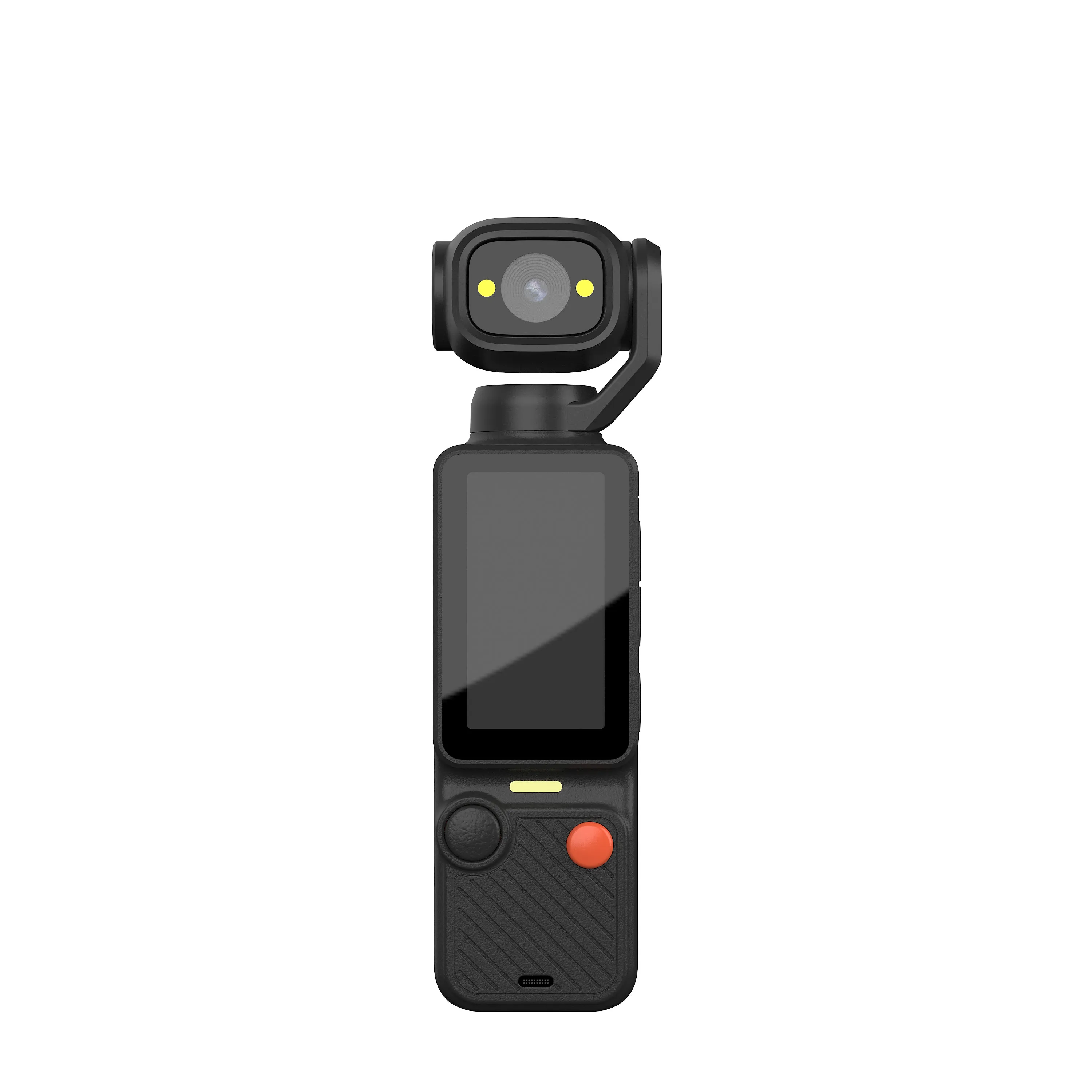
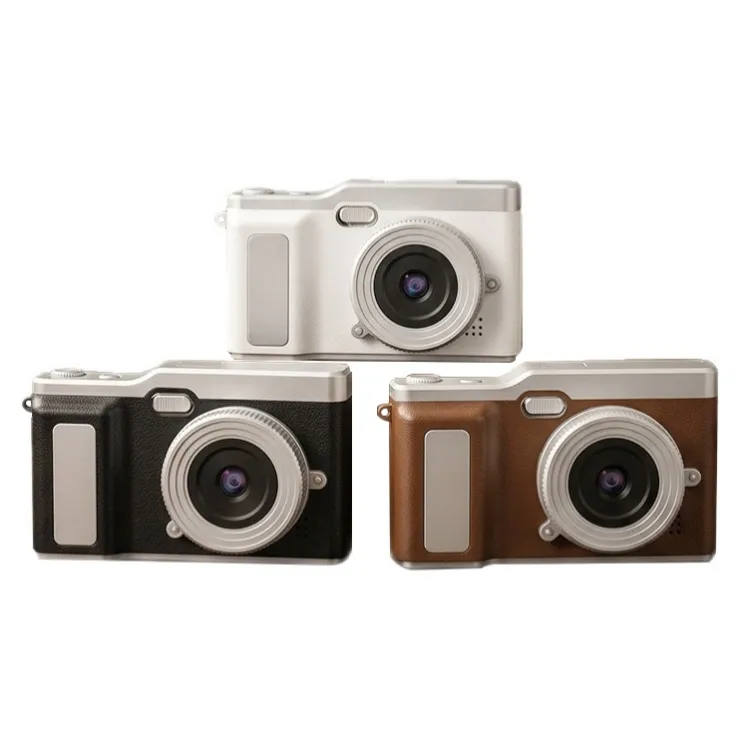
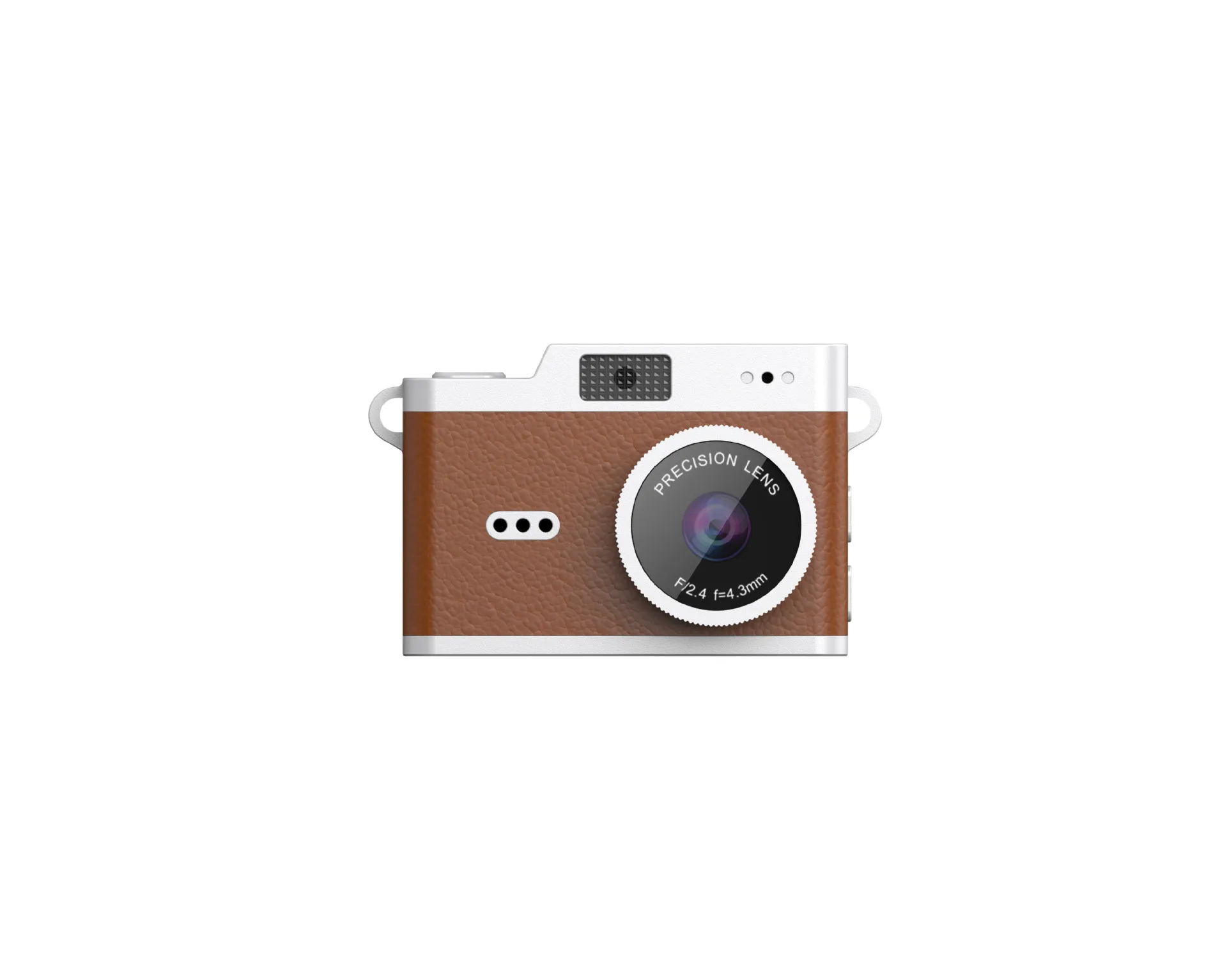
A wearable sports camera sits in the same category as the thumb action body and the card bodies, and the three answer different briefs. The thumb body carries the mount points, the card body carries the screen, and the pocket body carries the price. Our range covers all three, which lets a distributor build one program from a single factory relationship.
The best wearable sports camera for a buyer matches the wearing position rather than the longest spec sheet. A 21-gram card body suits a lanyard order for field staff, a 22-gram retro card body suits a gift line, and the thumb body suits an outdoor program with helmet and strap mounts. The screen size changes with that choice, from a 0.96-inch panel on the card bodies to a 2.4-inch flip screen on the AC-3.
What to Write on the Order Sheet
A best pov action camera order needs the mount list, the recording spec and the packaging line, all on one sheet. The mount list names the base, the clip and the lanyard. The recording spec gives the resolution, the frame rate and the card ceiling. The packaging line gives the colors and the brand treatment, so the importer receives a unit ready for the shelf instead of a body to assemble.
Listings phrase the same brief in several ways, and a sports camera pov order reads in a different form from a sports pov camera request even when the body matches. Some catalogs write the brief as a wearable sports camera listing, others use the short form.
The spec sheet answers all of these phrasings, and the catalog page should carry the same numbers in every version. A buyer who reads two listings for the same program should read the same mount list and the same recording spec on both pages.
Order Lines and Specifications
Our factory builds these bodies in Shenzhen across two camera lines, with 50 to 60 staff and more than 2,000 units a day. A first order runs 15 to 20 days from the order sheet, and small batches start from one model with defined colors. Brands apply their own name through relabeling or laser logo work, and the order can include retail artwork, packaging and shipping.
Certifications cover CE, FCC, CPC and RoHS. Payment runs by TT. The customization menu reaches from 0.3MP to 5MP still resolution, 480P to 4K video, 15 to 30 frames per second, 1x to 16x zoom and sensors from a quarter inch to a tenth of an inch. Wireless transfer runs on 2.4GHz WiFi, with app transfer and live view inside 10 meters. Our AC-18 thumb action camera page lists the mount kit that ships with each configuration.
Common Buyer Questions
Which mount hardware ships with the body?
The standard kit carries the quick-release base, the magnetic clip and the magnetic lanyard. Helmet, bike and double-sided tape mounts arrive as separate items inside the same order.
Does the camera keep recording while it rides on a body?
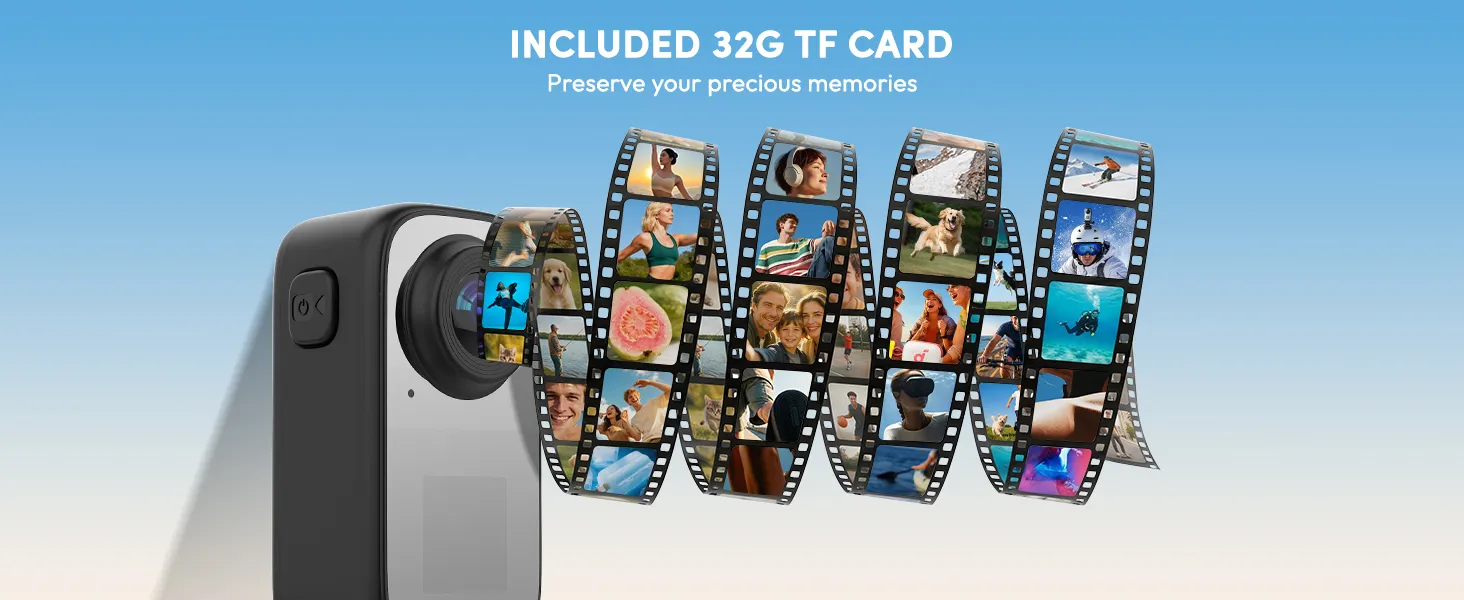
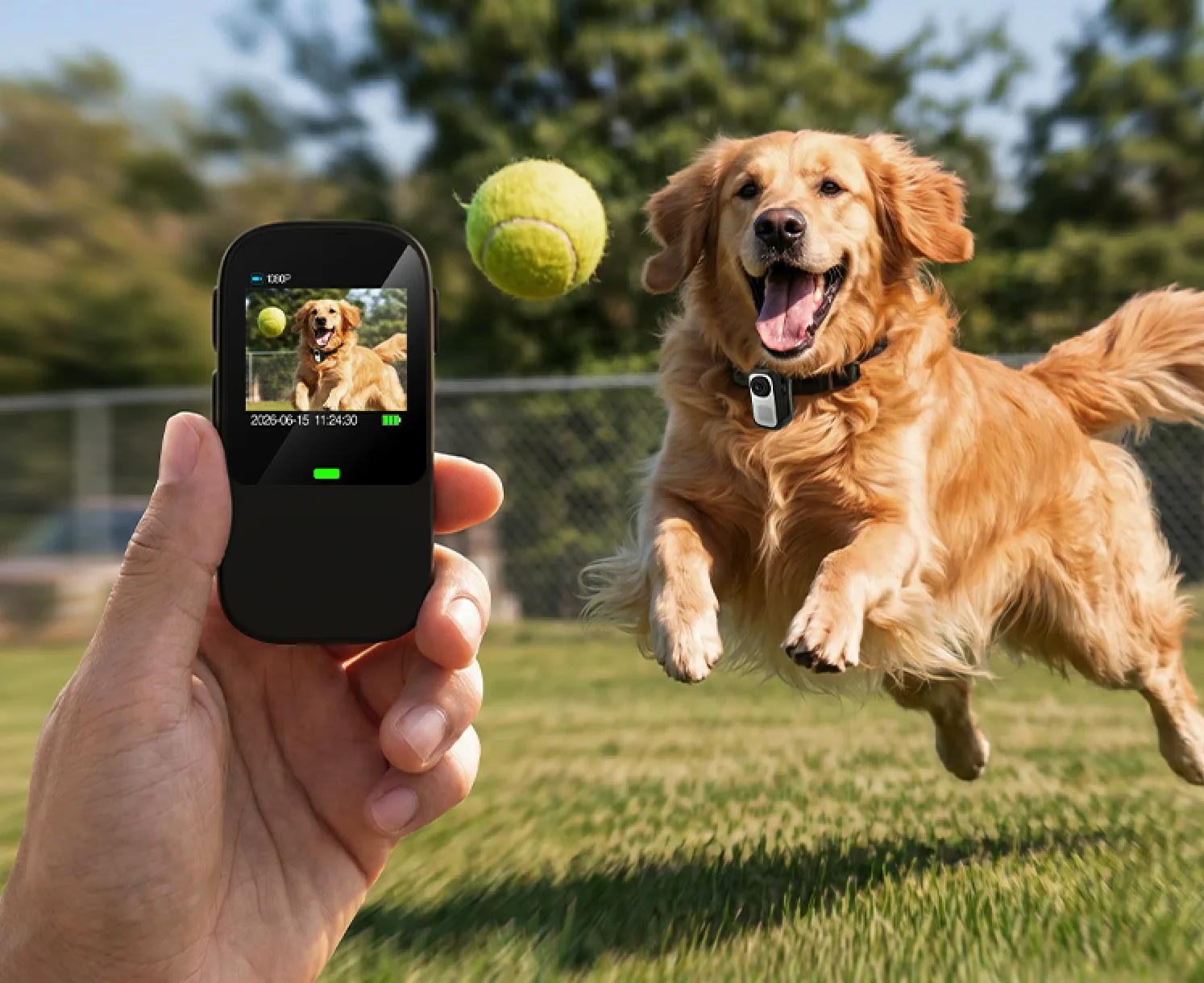
The body records at 720P or 1080P at 30 frames per second onto a TF card, and the high-spec build adds a waterproof case rated to 30 meters. A 32GB card ships in the box, and the AC-18 accepts cards up to 256GB.
Can our own brand go on the shell?
Yes. Relabeling and laser logo work apply the importer name to the standard body, and custom colors start at 1,000 pieces for each color. Our action camera guide walks through the body sizes that carry a mount point.
Start a Wearable Program
Send the mount list, the recording spec and the packaging line, and our team returns a quotation with sample units. The full product range shows every current build, and the specification pages carry the same numbers we write on the order sheet. A request for a quote reaches the team that runs the production line, so the first answer covers the mount hardware and the recording spec in one reply.

The JSRD Editorial Team creates practical B2B guides for importers, brand owners, and Amazon FBA sellers sourcing digital cameras from China. Our content covers OEM/ODM customization, product selection, and sourcing decisions for camera products.