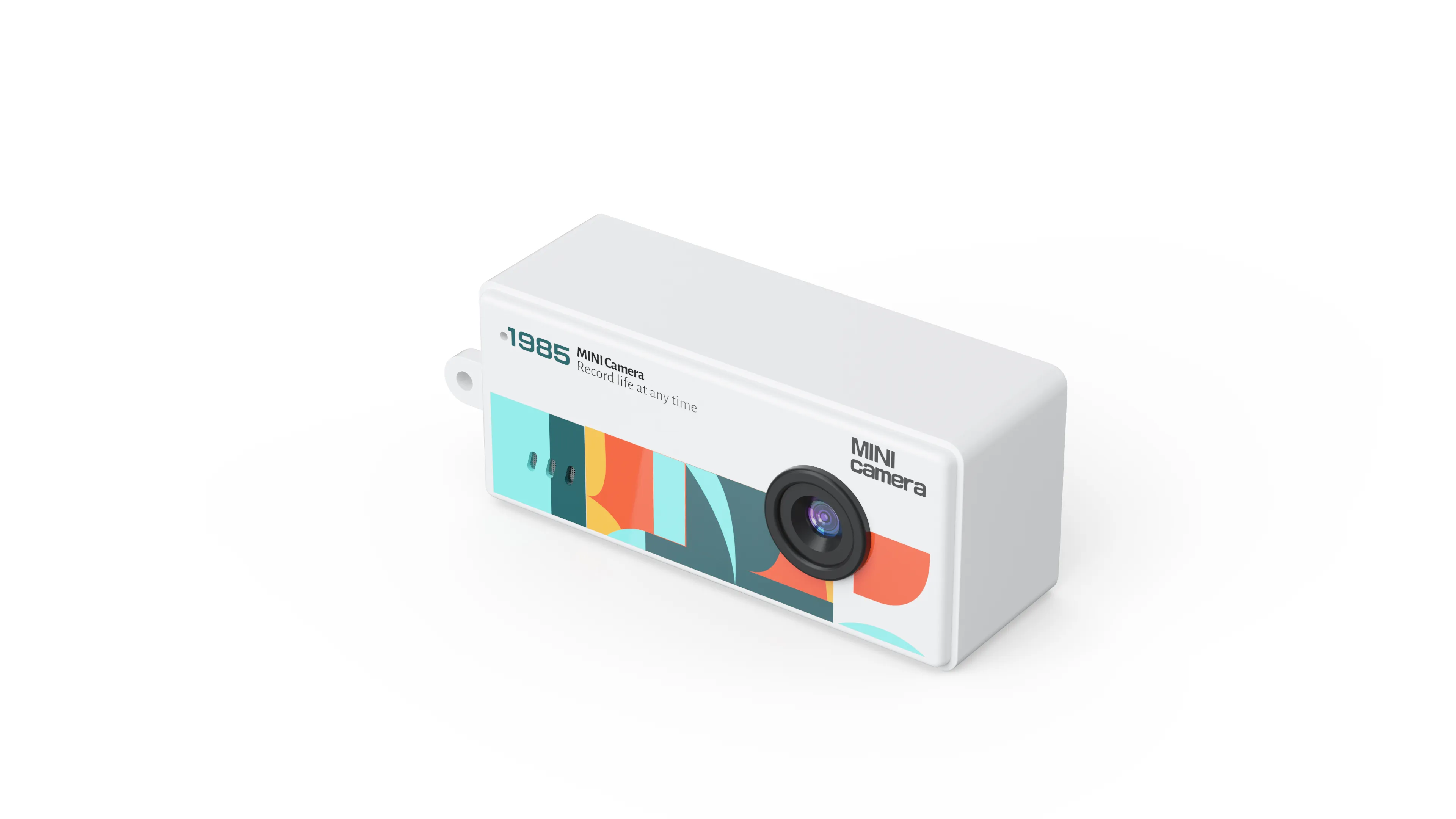
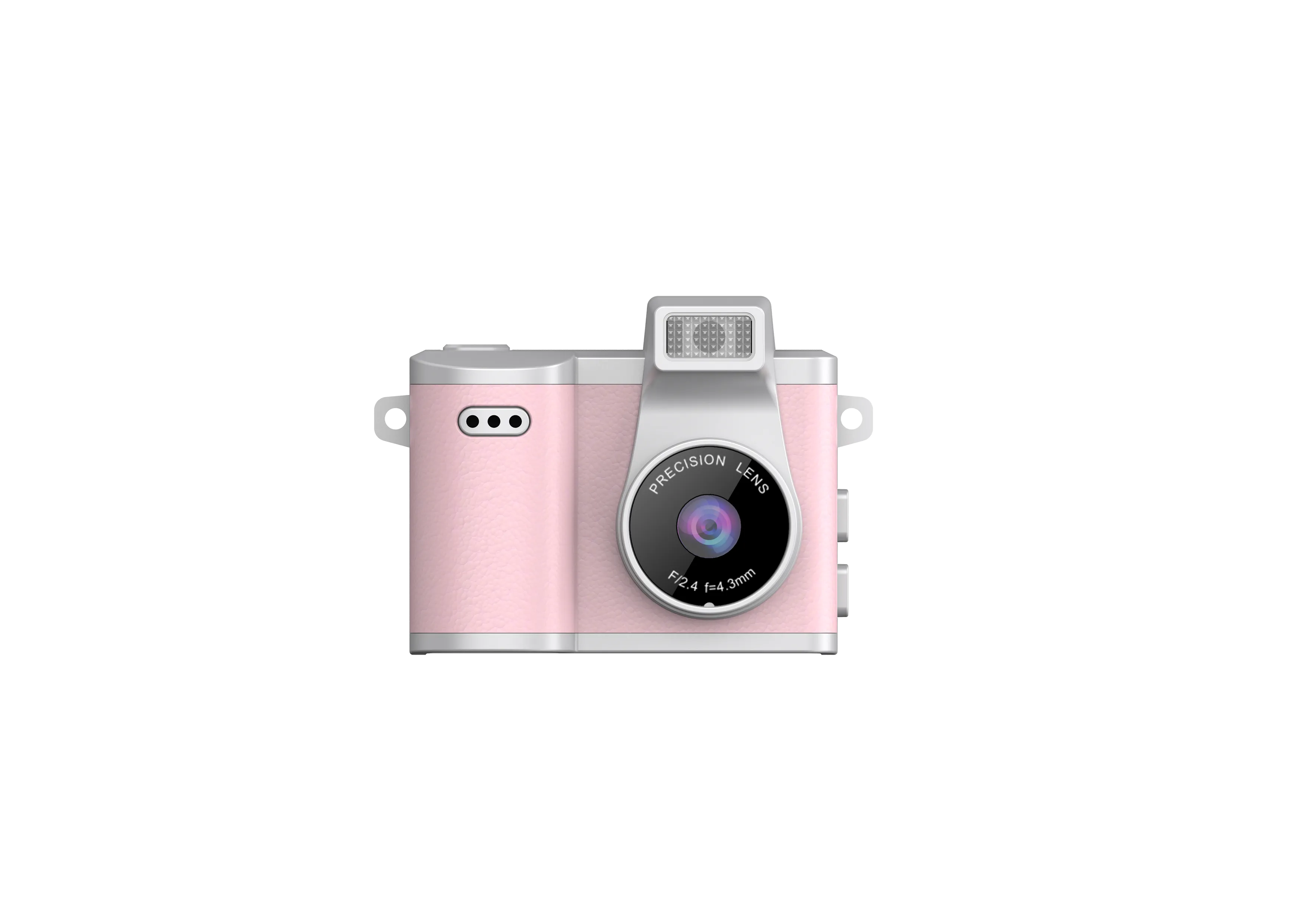
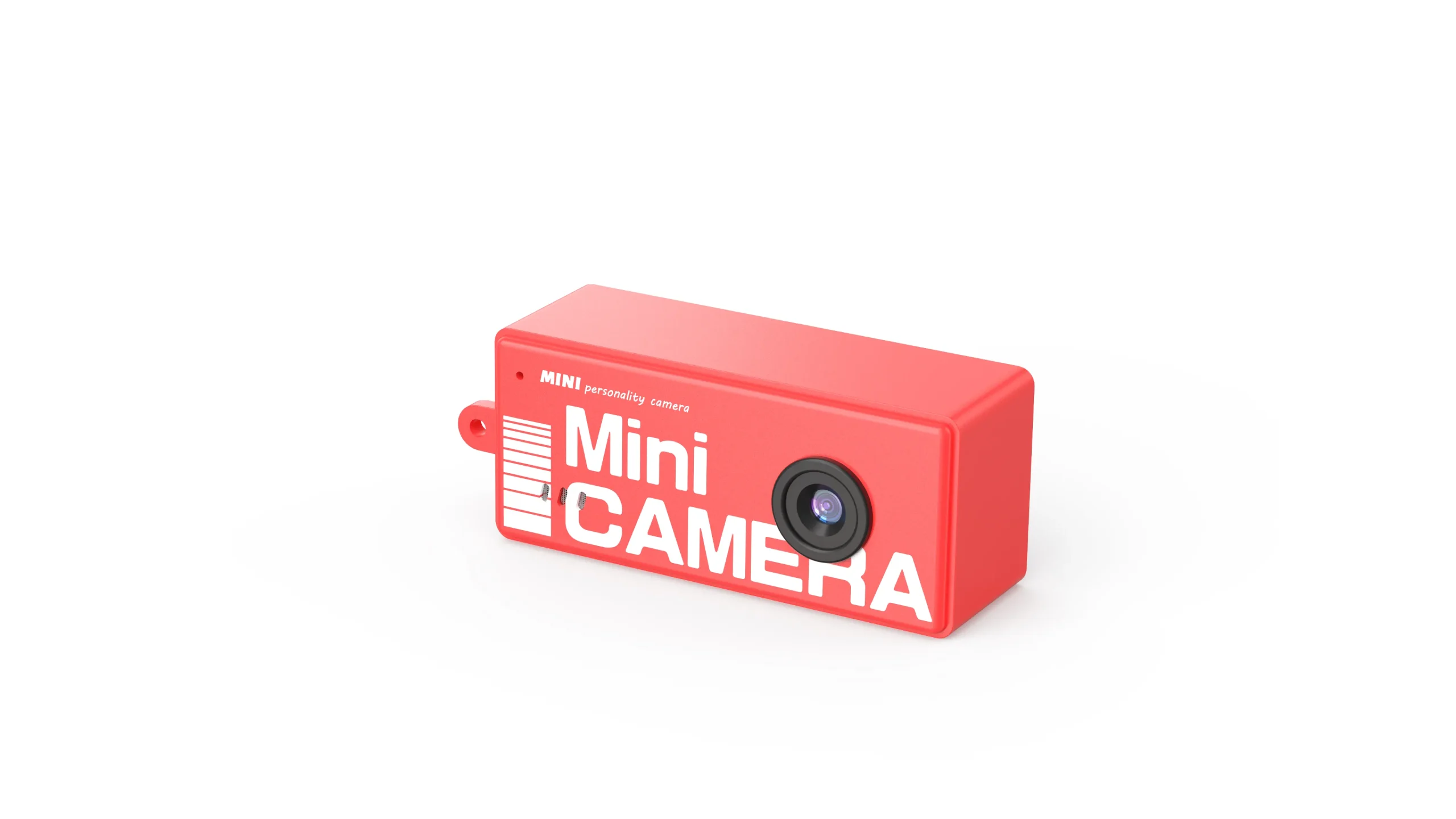
Digital cameras Y2K is the search phrase for a trend that stopped being a joke and became a shelf: the early-2000s digital camera look, built new. Silver and colored card bodies, a snapshot feel that lands in the feed with the era written on it, and bodies small enough to live on a keyring. This guide explains what the Y2K camera look means, how it differs from the 90s film look, and what to confirm before ordering a mini retro Y2K camera build from a factory.
The advice comes from the factory side: JSRD runs two camera lines in Shenzhen and builds more than 2,000 cameras a day, and Y2K-styled minis are part of that range.
What “Y2K” Means for Cameras
Y2K names the year-2000 moment, and in cameras it describes the first wave of digital point-and-shoots: card-shaped bodies, colored shells, a flash that fired without mercy, and files that looked like the decade they came from. The look never left. It moved to feeds, where early-digital files read as texture, and the cameras that produce that texture now are the ones the trend searches for.
The 90’s digital camera look is film territory: grain, halo, and the warmth of a roll. The 2000s look is early digital: the flash, the slight pause between shots, the file that lands with a timestamp feel. Our line builds the 2000s side, because a digital camera for 2000s look projects is what the trend orders.
The Y2K Look, Element by Element
Four elements carry the look, and each one is a production decision:
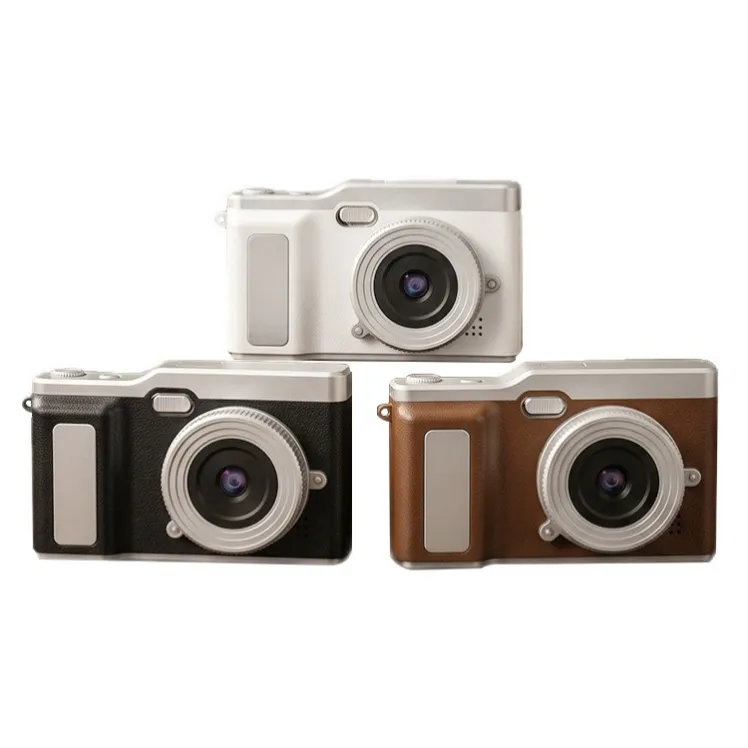
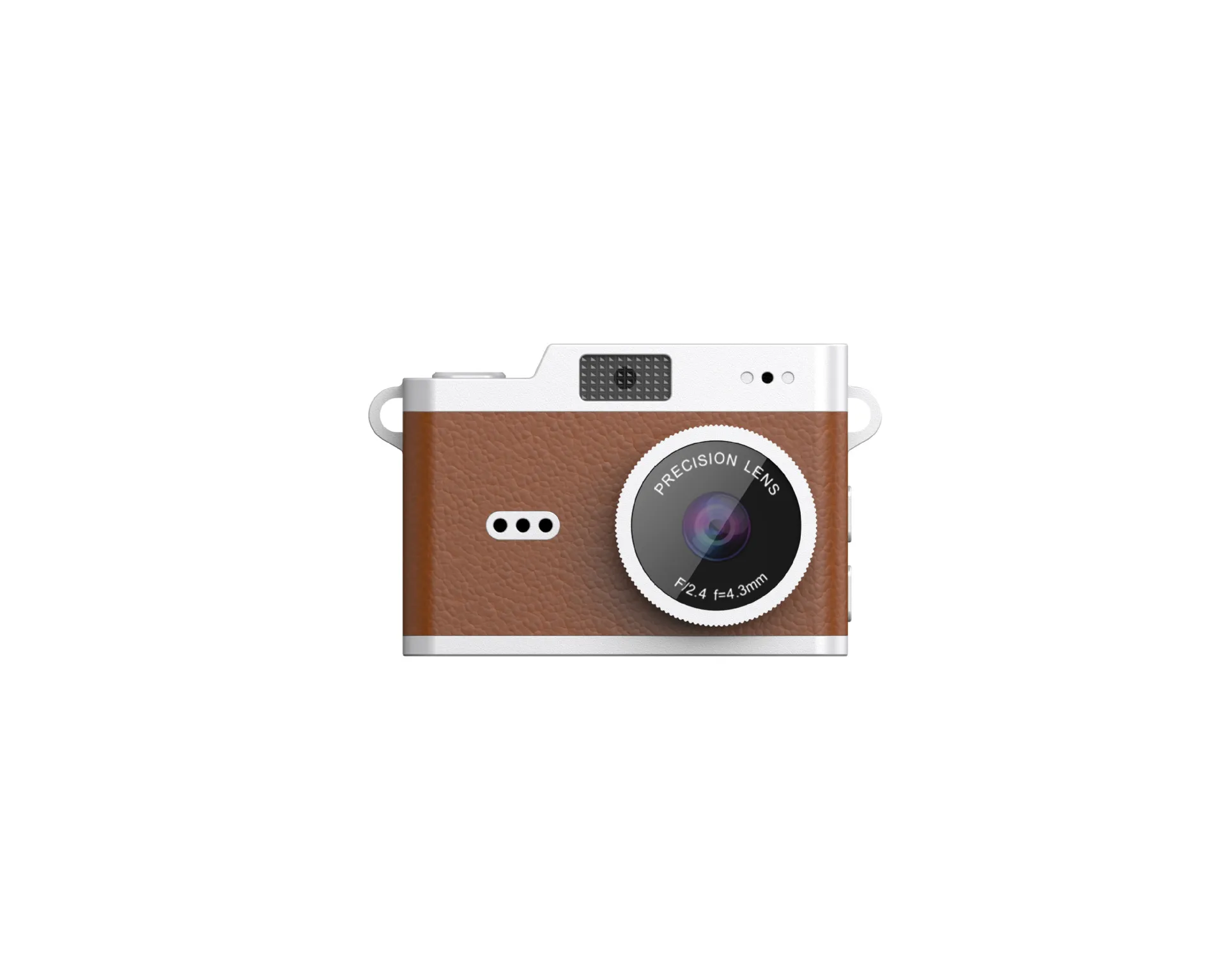
- The card body: a flat, pocketable slab instead of a barrel, the shape the era’s point-and-shoots made familiar.
- The color shell: silver and colored shells instead of black, because the era sold color as part of the technology.
- The files: early-digital files that carry the period look on their own, with no filter and no grading pass.
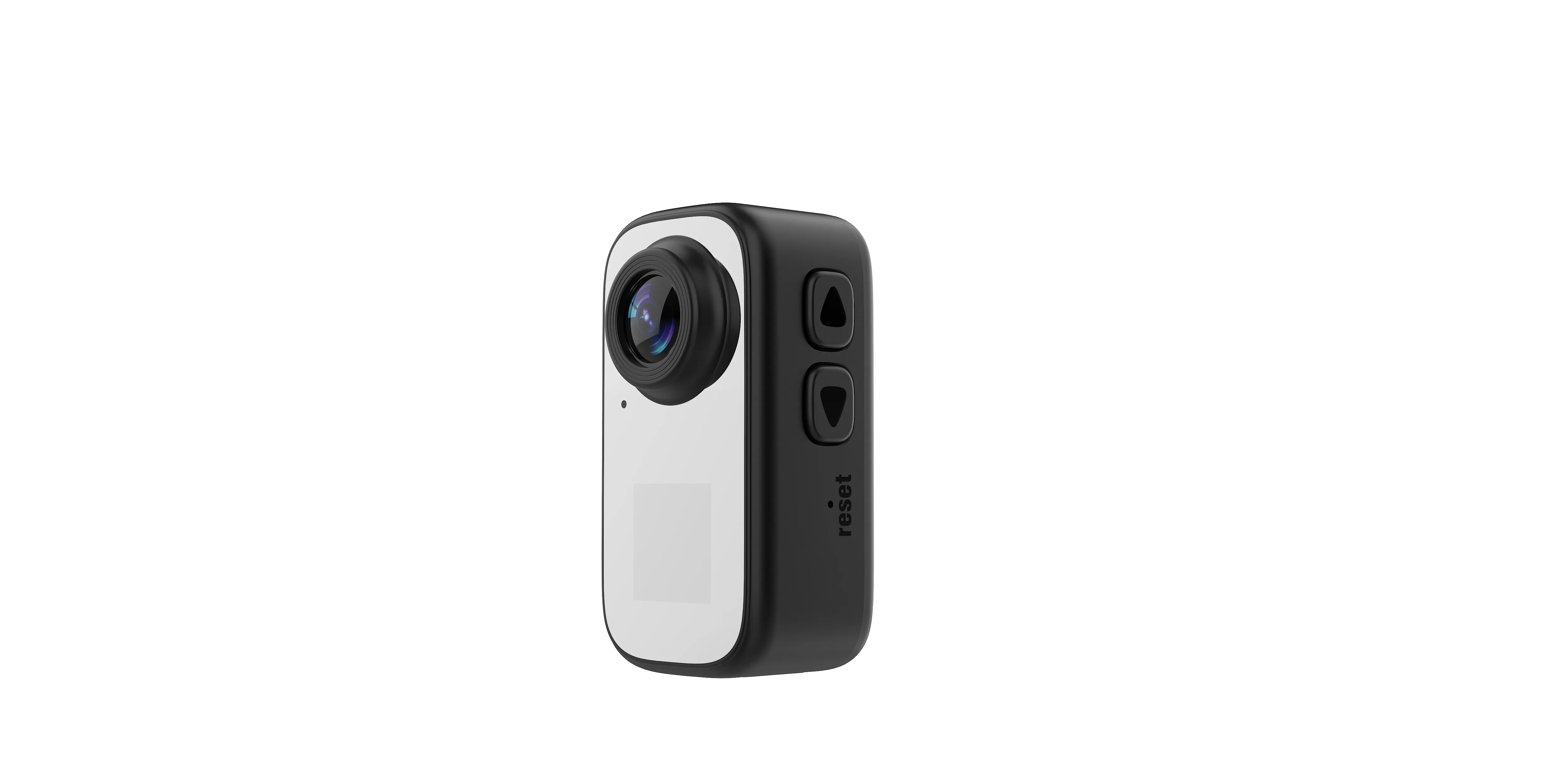
- The carry: a keyring point on the body, so the camera rides with the keys the way the era’s cameras rode with everything.
Leave out any one element and the object stops reading Y2K. Keep all four and the camera reads as the decade on its own, which is why the checklist belongs in the order instead of in the marketing.
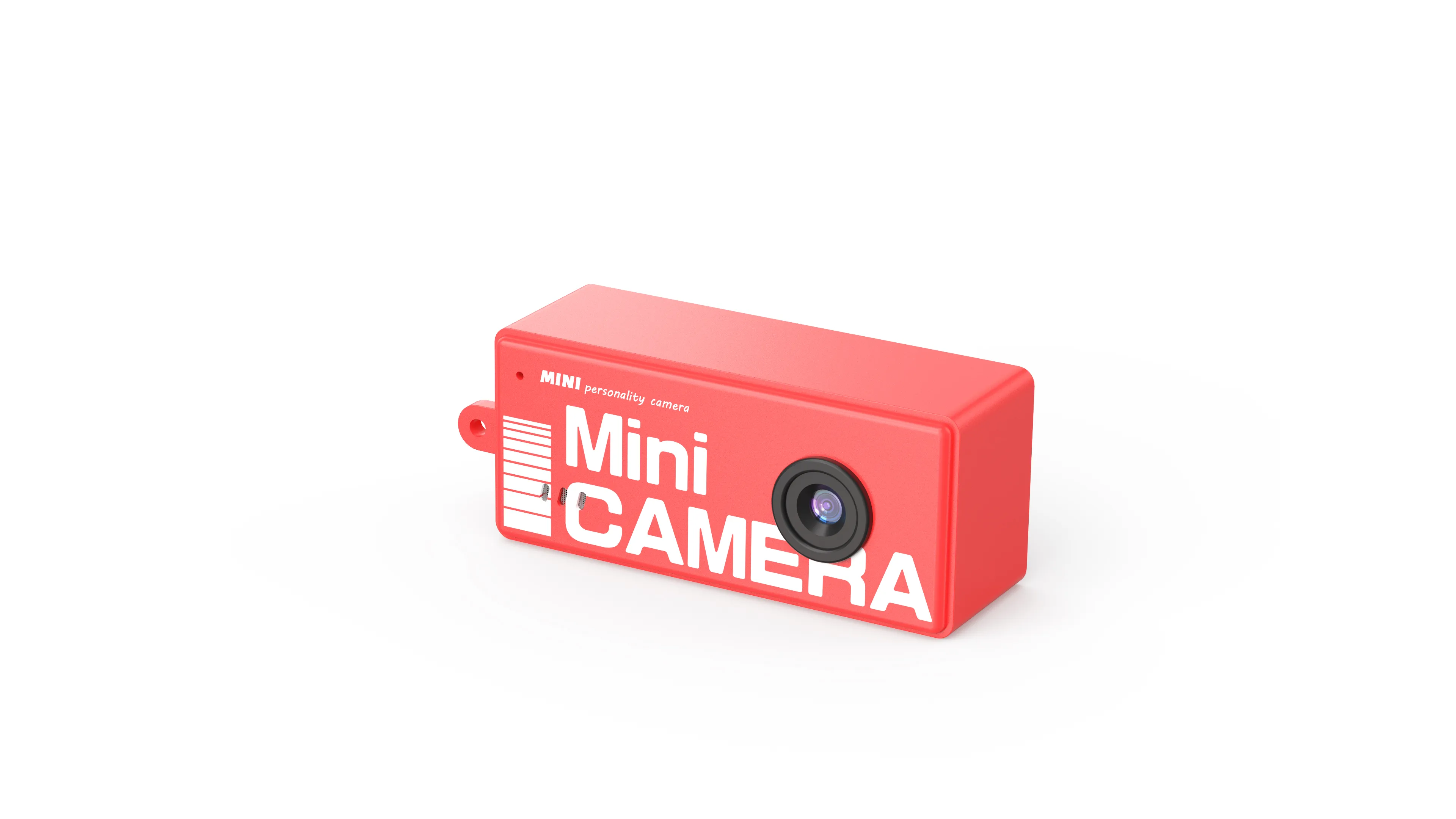
The Mini Retro Y2K Camera, Built New
The form the trend searches most is the mini retro Y2K camera: a thumb-size body, a keyring point, and files that read 2003. Our AC-7 is that build: 22 grams, six stock colors, a 0.96-inch IPS screen (a panel type with accurate color and wide viewing angles), VGA video (640 by 480, the standard-definition baseline of the era), and a TF card (microSD memory card) up to 32GB.
Charging runs over Type-C, and the files move by TF card to any reader, which keeps the era workflow honest: shoot, pull, post. Nothing in the workflow needs an app, an account, or a cable hunt, which is how the era worked and how the reissue works.
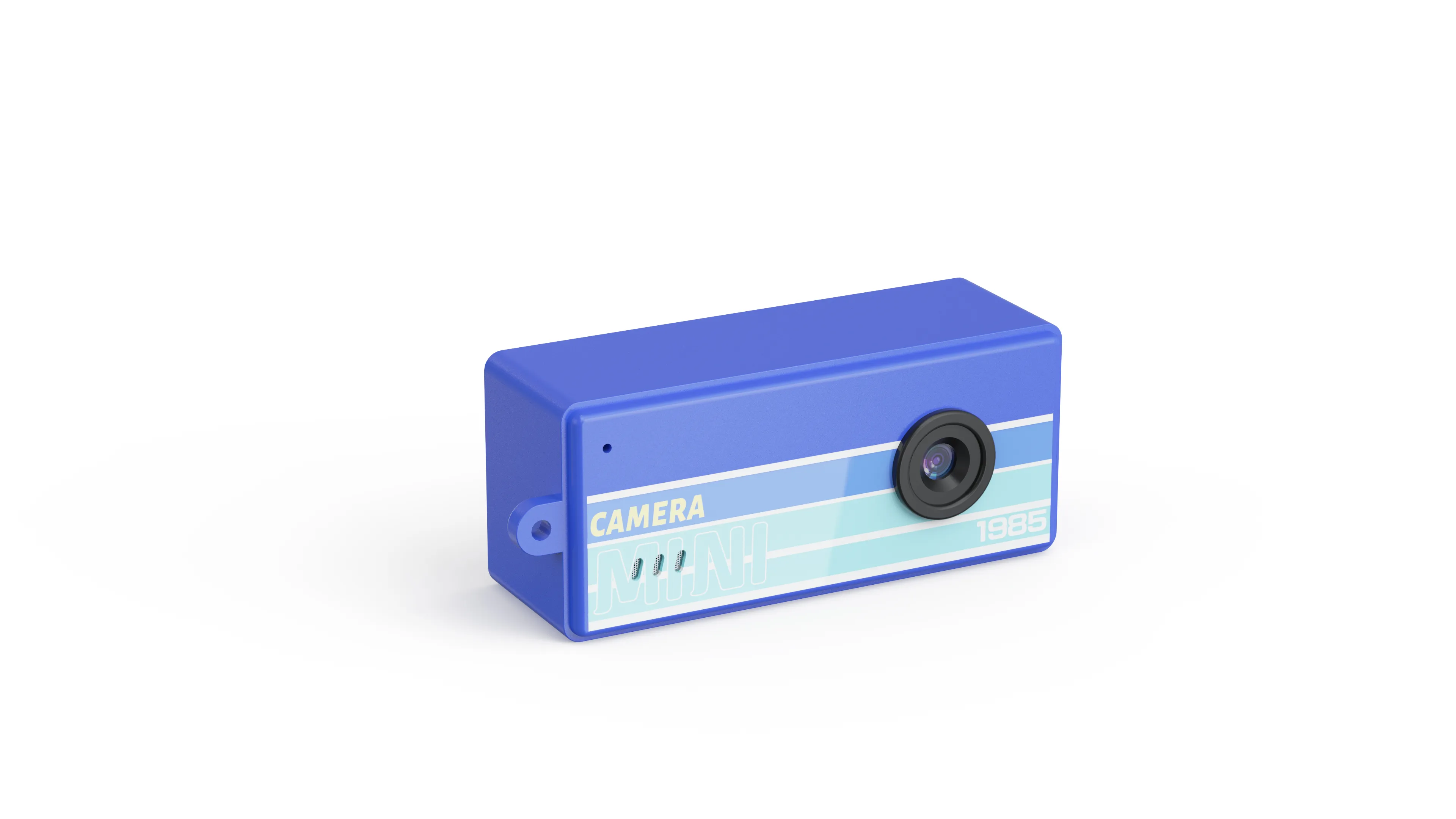
A Digital Camera for a 2000s Look: The Specs That Matter
A digital camera for 2000s look projects needs three things confirmed before the order: a resolution that is honest to the era, colors matched to the shelf, and a body small enough to live on a keyring.
The handheld video camera 2000s footage that fills the trend’s feeds was VGA-era video, and our minis record the same baseline, which is why the files carry the period feel without a filter. The card body carries the era shape. The color range carries the shelf.
Who Orders Y2K Camera Builds
The trend’s audience is easy to name: shoppers who grew up on feeds and missed the original cameras, plus the ones who owned one and lost it to a drawer. They buy the look, and they buy it as an object they can carry, which is why the keyring point and the color shell do more selling work than any spec sheet.
The orders come from shops that serve that audience: online stores that list by aesthetic, boutiques that stock by color, and gift brands that want a camera-shaped object with a story. For each of them the same three questions decide the deal: does the body read Y2K without a sticker, do the files carry the era on their own, and which colors the shelf needs. A sample answers all three faster than any catalog page, and the element checklist above turns the sample review into a two-minute job.
The Shortlist Questions, Answered in Specs
Two of the loudest searches in the category are shortlist questions: the best y2k digital camera and the best digital camera for 90s look. Both are answerable in specs instead of adjectives.
For the Y2K side, the shortlist is the element checklist plus the color range, and every line is verifiable on a sample. For the 90s look, the honest answer is film, and a factory that builds digital will say so. A digital camera 90s look search ends at that same wall: the grain and the halo belong to film, so the digital order lands on the 2000s side of the shelf.
The vintage digital camera trend sits underneath both searches, and it is the reason the category has a shelf at all: the trend made the era look purchasable, and factories made it repeatable.
The long tail logs its own poetry too: velours nostalgia shot digital camera reads like a playlist, and it lands on the same shelf as the rest of the category.
Ordering a Y2K Camera Build From the Factory
Y2K builds run on the same production system as the rest of the range: feasibility confirmed before any quote, six stock colors on the retro shell, and laser engraving on the body.
The commercial frame: production runs 15 to 20 days, payment goes by TT (telegraphic transfer, a bank wire), and the factory holds CE, FCC, CPC, and RoHS certifications.
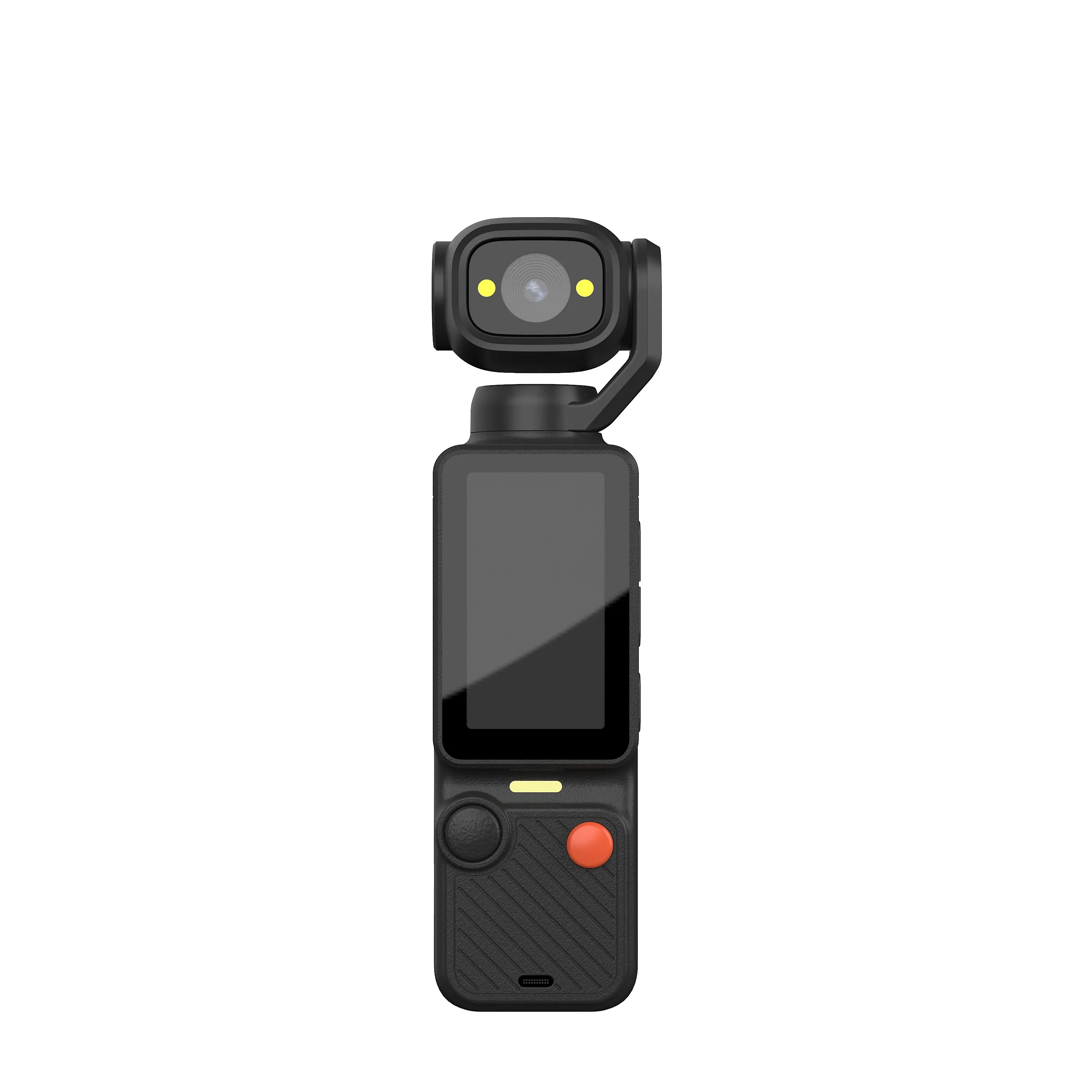
The wider vintage range lives in our vintage digital camera guide, and the complete camera lineup shows every model we build.
Start Your Y2K Camera Brief
Tell us the market, the quantity, and the colors your shelf needs. Send your Y2K camera brief to our team, and feasibility and pricing follow the confirmed spec.
JSRD (Shenzhen Jinsheng Ruida Technology Co., Ltd.) builds Y2K-styled, mini, keychain, action, compact, and gimbal cameras for overseas brands.
Email: olivialee0822@gmail.com
Phone: +86-13609069228

The JSRD Editorial Team creates practical B2B guides for importers, brand owners, and Amazon FBA sellers sourcing digital cameras from China. Our content covers OEM/ODM customization, product selection, and sourcing decisions for camera products.