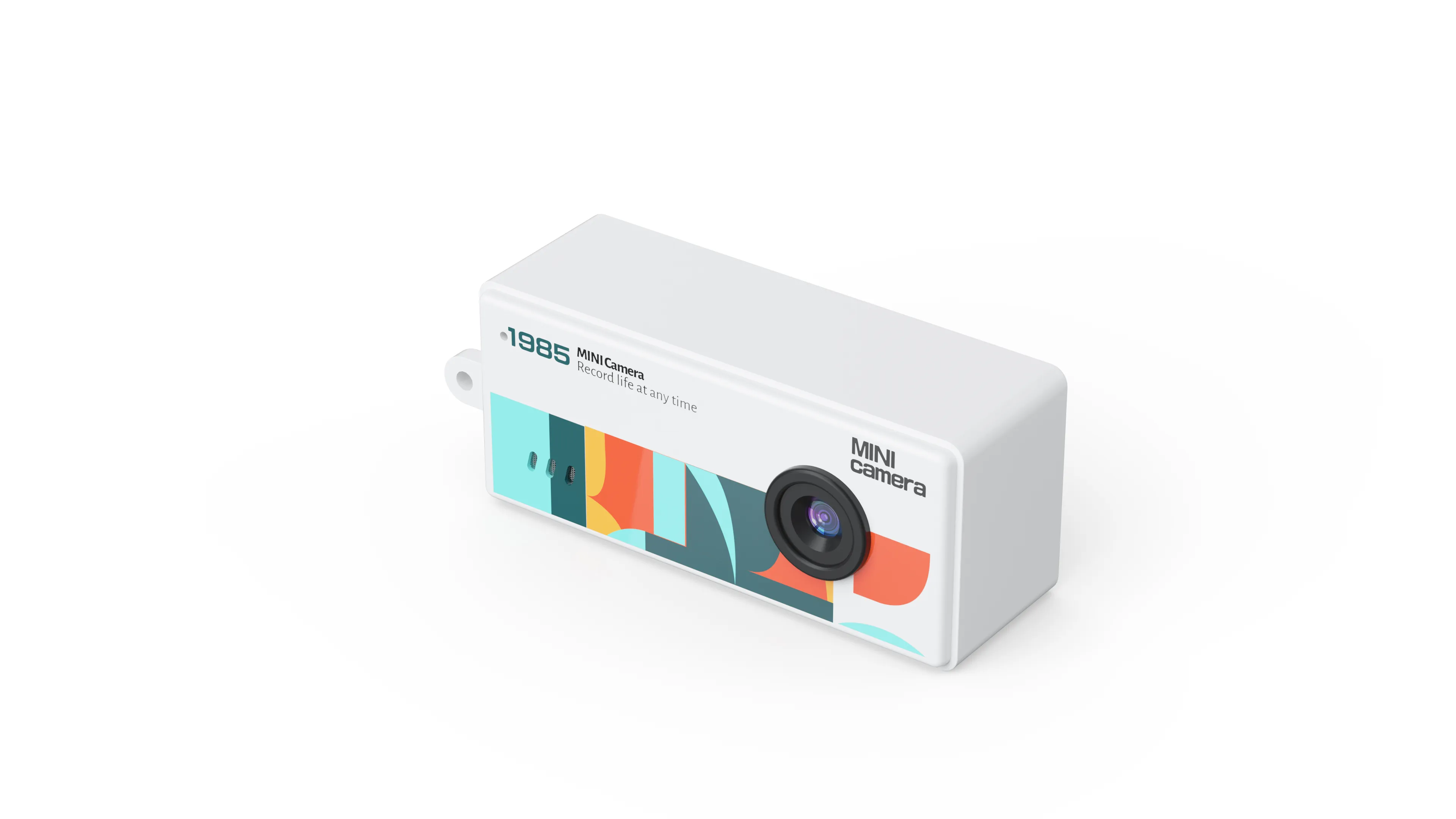
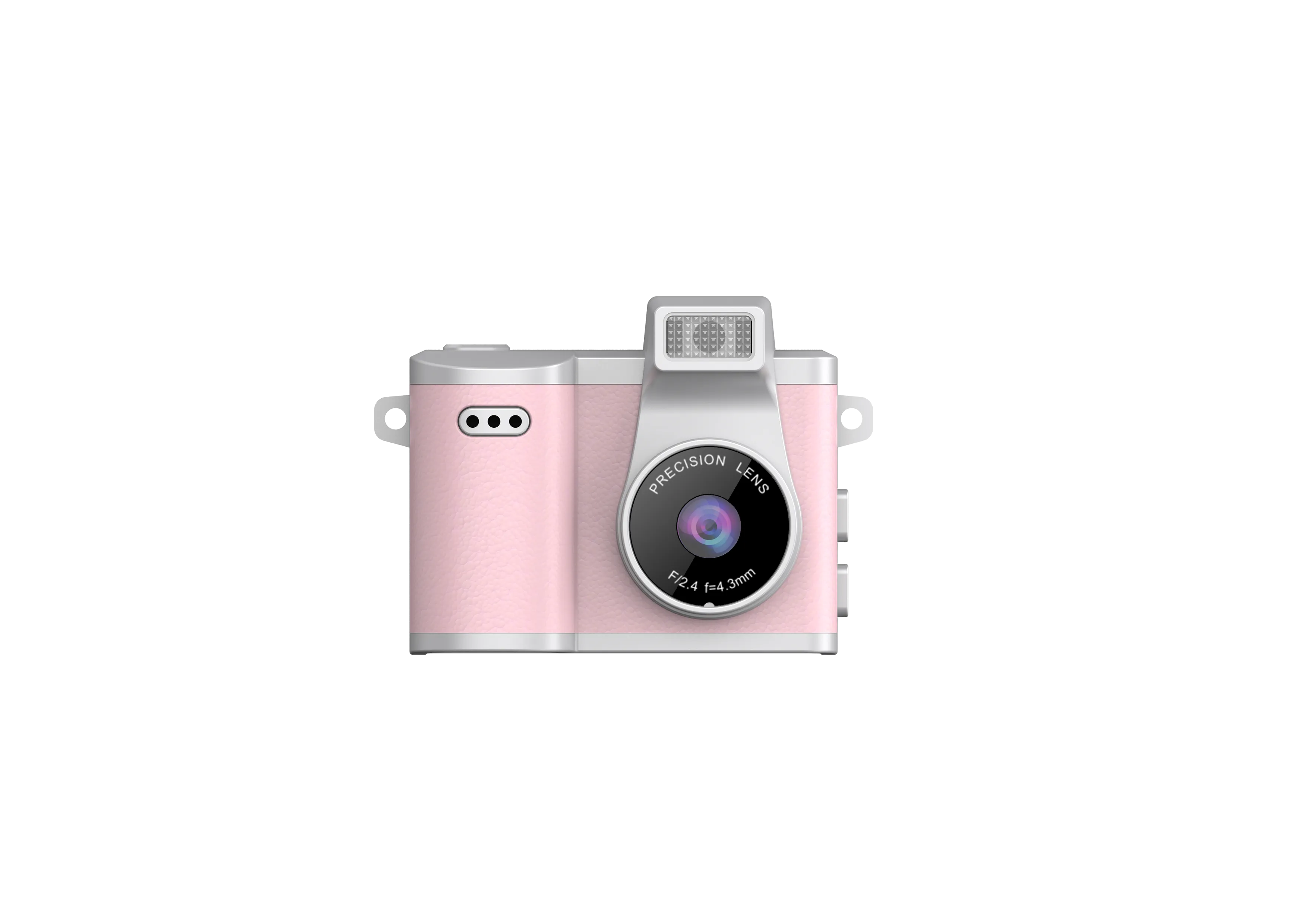
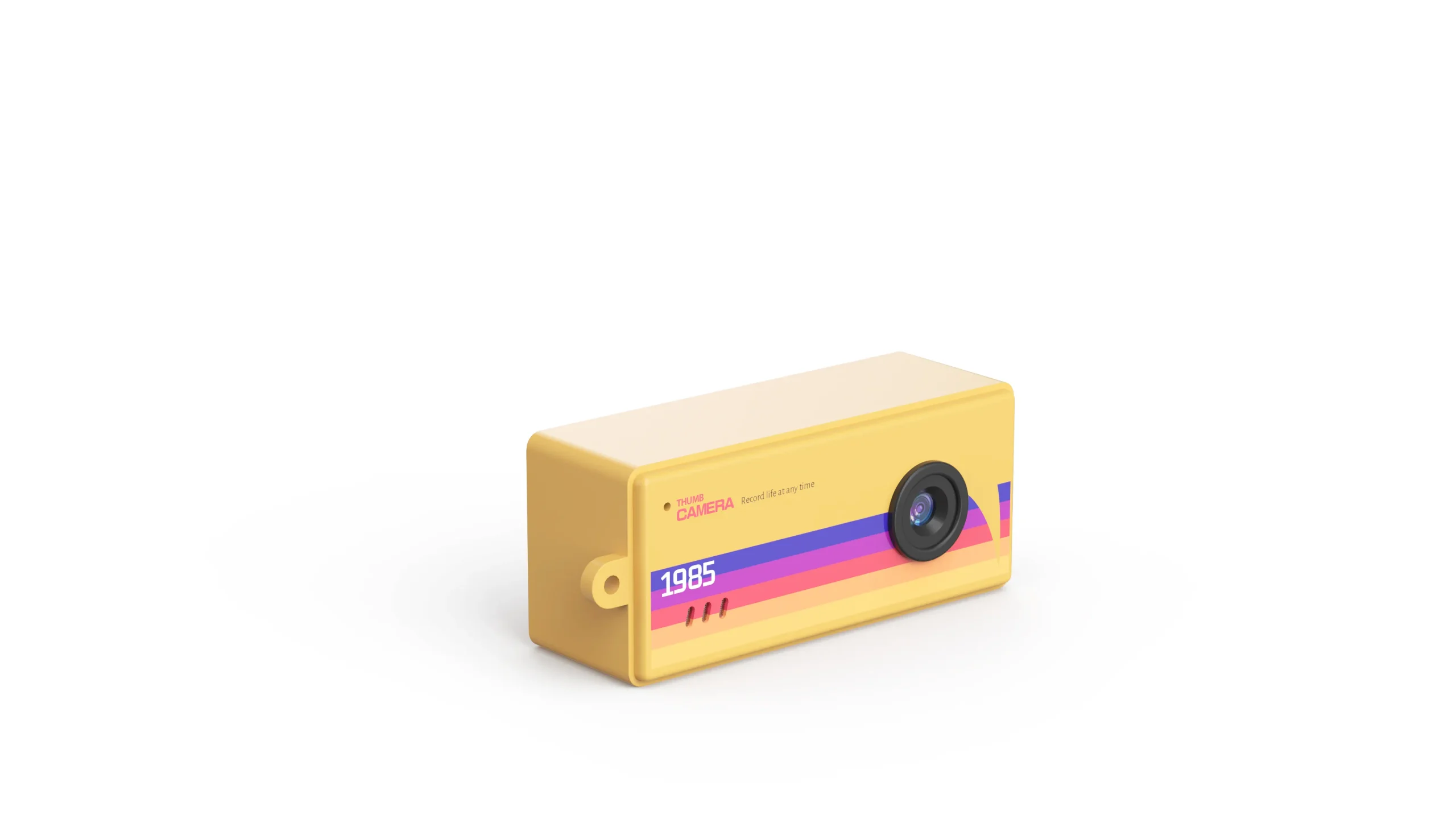
Buyers searching for a good digital camera for travel are not shopping for a camera. They are shopping for a camera that fits in a bag, survives a trip, and takes photos worth keeping after the trip ends. That difference in intent changes what matters on a spec sheet: total body weight replaces sensor size, pocket fit replaces megapixel count, and battery endurance replaces every other headline figure.
Our factory builds small camera bodies for buyers who resell to travelers, weekend shooters, and customers who want one device instead of a phone plus a separate camera. Browse our full digital camera lineup to compare body sizes before you order, or check the keychain camera class if your buyers want a sub-100 gram body. A camera sold on travel intent earns its shelf space through size claims and endurance, so this guide covers what travels well, what fails on the road, and how to order bodies that match what your buyers search for.
What Makes a Travel Camera Different From a Shelf Camera
A shelf camera sits on a display and gets picked up twice. A travel digital camera goes into a side pocket, comes out at a bus stop, and has to work at once. That single difference changes the buying criteria a wholesale buyer should verify with a factory.
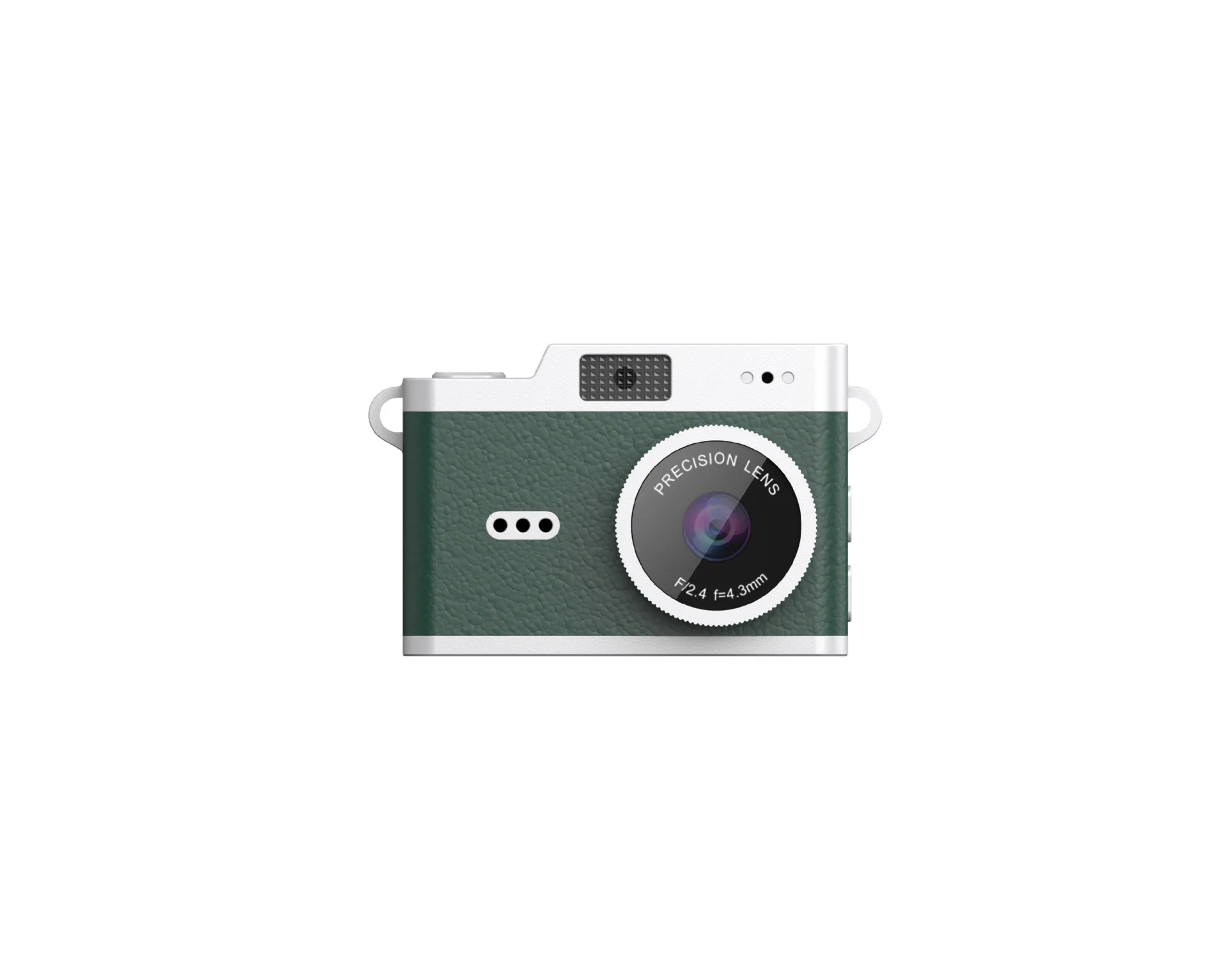
Body weight matters most. Most buyers describe the product they want as a pocket camera for travel, and they mean a body that fits in a jacket pocket or a small bag without a separate case. Ask for the gram figure, not the marketing word “compact.” A body advertised as compact at 260 grams behaves in a different way from one at 150 grams, and the difference shows up in customer reviews months later.
Physical dimensions matter as much as weight. Buyers search travel pocket camera and pocket travel camera when they measure against their own bag. A factory that supplies exact length, width, and thickness lets you write accurate listing dimensions, which cuts the sizing questions that generate refund requests.
Start-up time decides whether the buyer keeps the camera in the bag or leaves it at home. A body that needs menu diving before the first shot gets used twice on a trip. Simple digital camera for travel describes the ideal: point, press, capture.
Size Categories Buyers Search and How They Map to Bodies
Travel searches split into four size bands, and each band maps to a different body class. Sellers who stock one size across all four bands generate returns at the ends of the range.
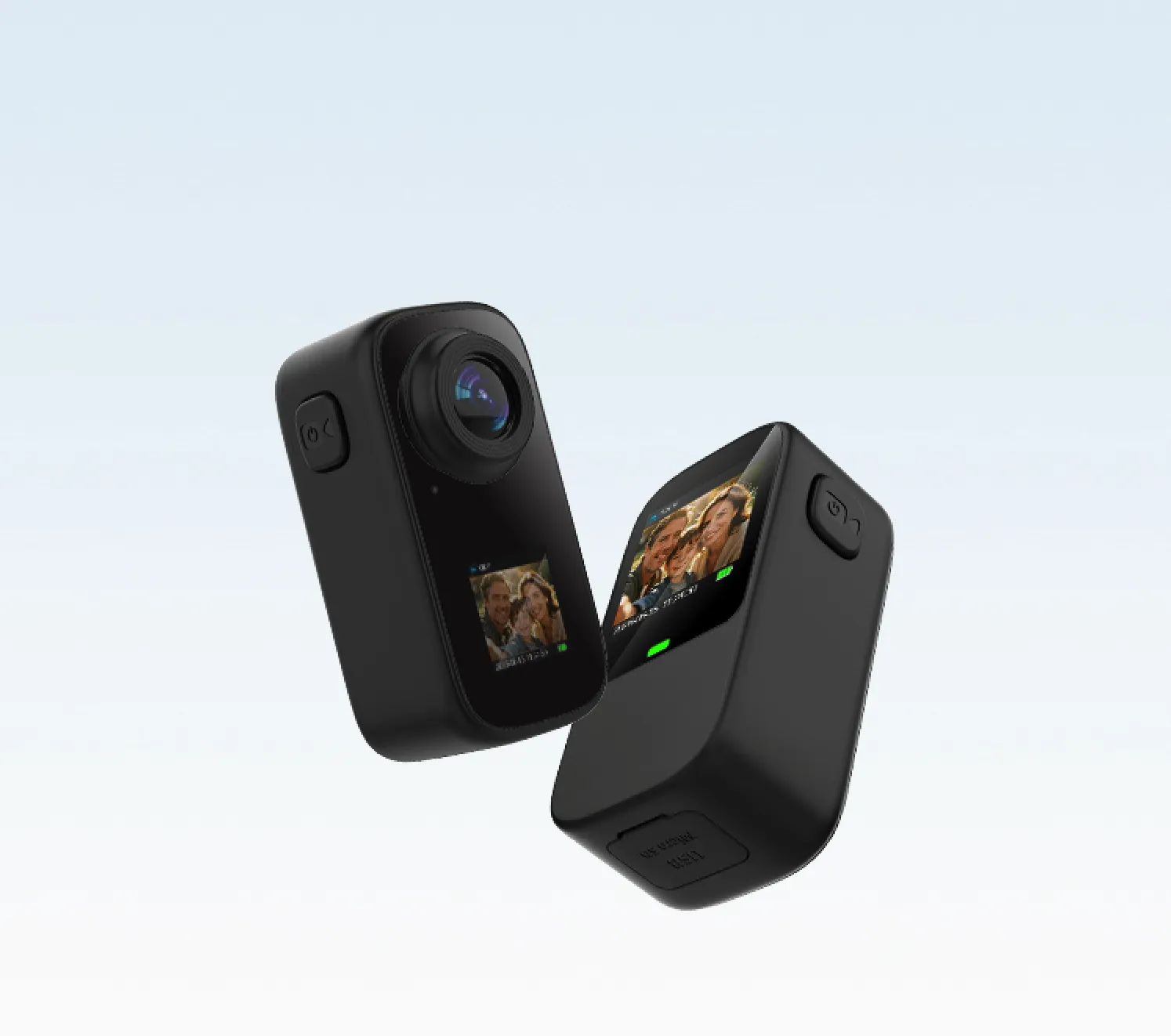
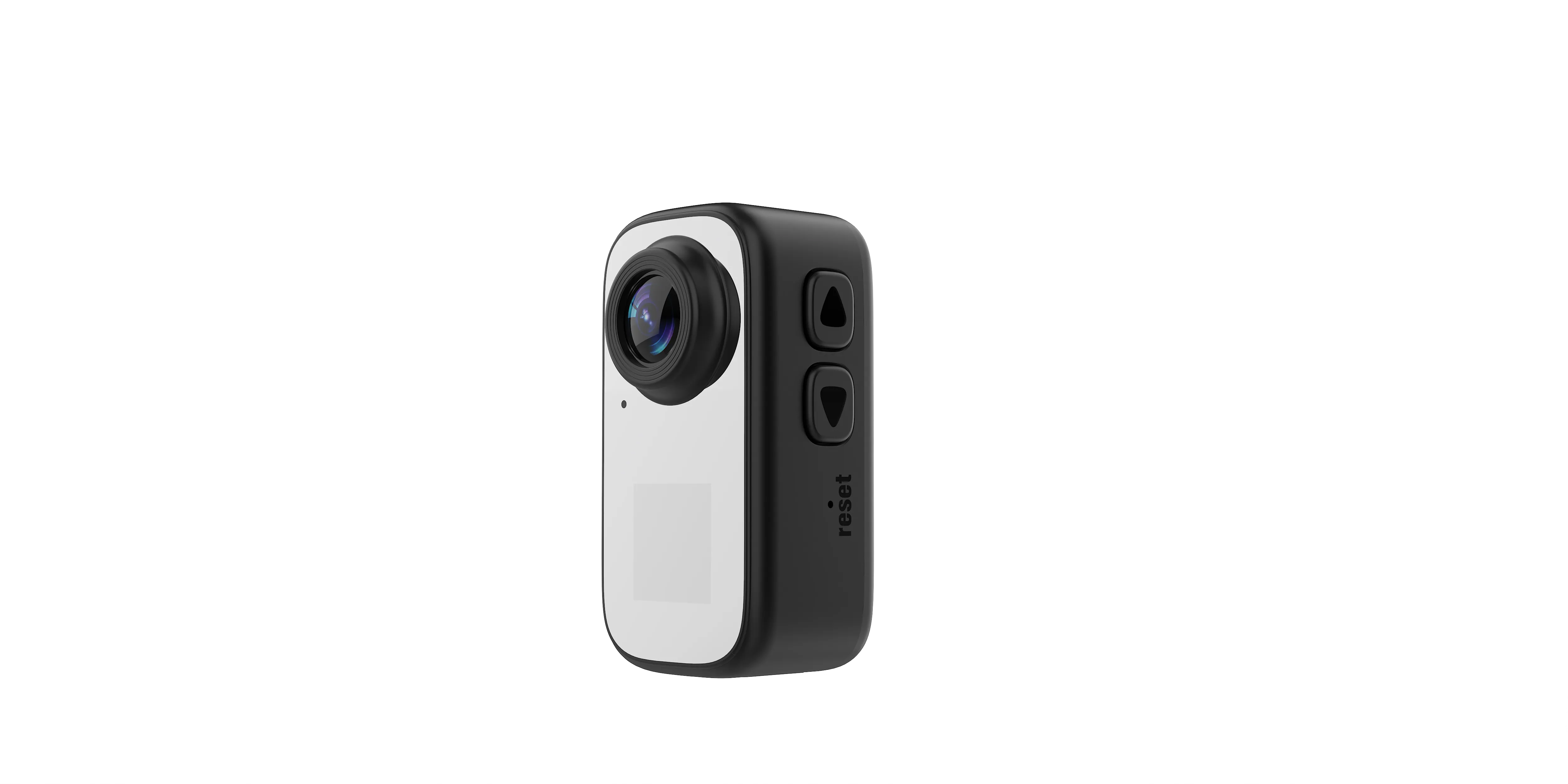
Keychain and micro bodies serve buyers searching best pocket video camera for travel and best pocket digital camera for travel. These fit a keychain or a coin pouch. They trade zoom range for size, which suits day trips and desk shots rather than landscapes.
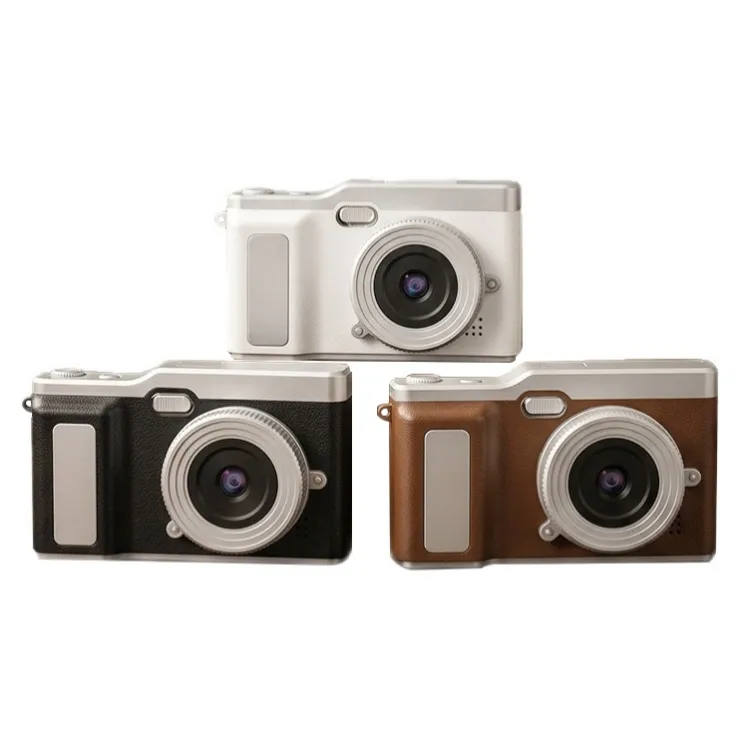
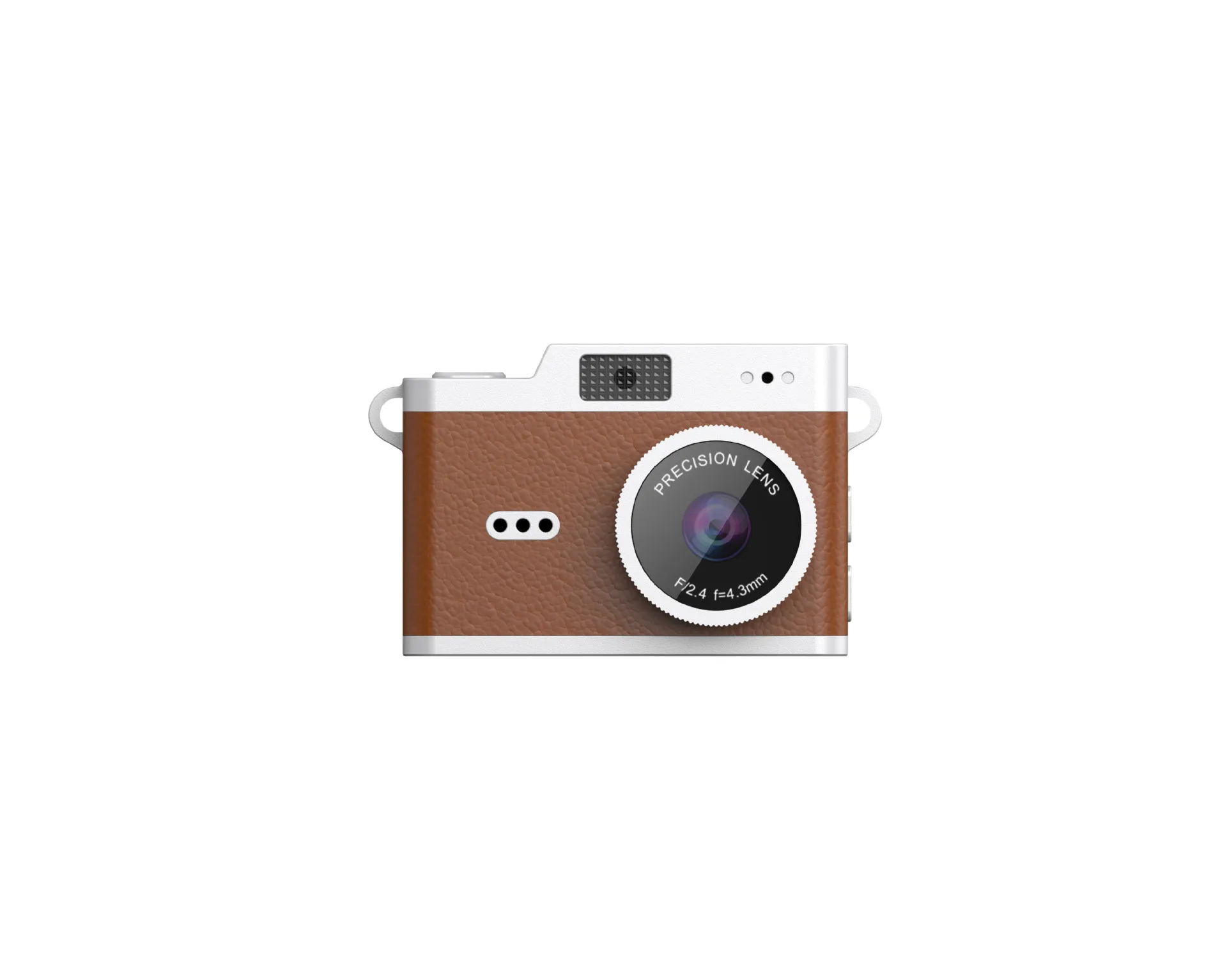
Pocket compacts answer best pocket camera for travel and best travel pocket camera. These bodies carry a fixed lens in the 30 to 40 millimeter range, which covers street scenes, food, and people. They sit in a coat pocket without a case.
Slim card bodies match best small camera body for travel and best compact digital travel camera. Card-shaped bodies with a flip screen handle self-portraits and group shots in restaurants and hotel rooms.
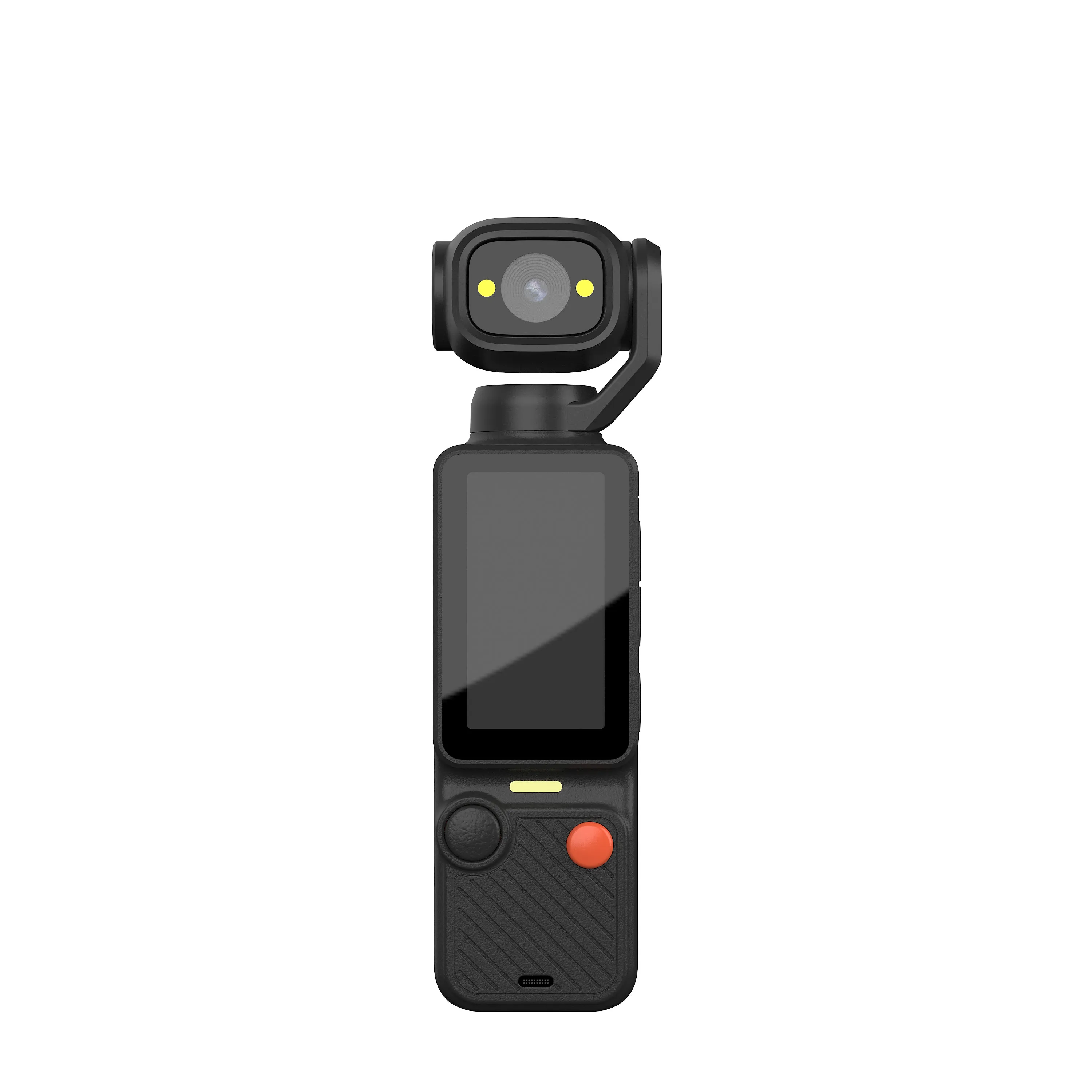
Handheld bodies serve best handheld camera for travel and best handheld video camera for travel. Handheld and thumb-style bodies accept mounts, so they work for buyers who also want cycling or hiking footage.
The best travel digital camera for most resale programs sits in the pocket-compact band. It covers the largest share of travel searches without the size disputes that come from the extremes.
Specs That Decide Travel Suitability
Buyers searching travel cameras filter on a short list. Verify these with the factory before you commit to a body.
Battery endurance under continuous use. A travel day runs eight to ten hours of intermittent shooting. A good travel digital camera needs enough capacity for that pattern. Ask for the figure measured at the resolution buyers will use, not the headline number from a lab test.
Storage format and maximum card size. Buyers ask about travel backpack with camera pocket as a buying signal, and the camera they pair with that bag needs a card format their region sells in volume. MicroSD covers most travel buyers. State the maximum card capacity in your listing so customers do not buy a card that fails.
Screen visibility in daylight. Outdoor shooting happens in bright conditions. A screen that washes out at midday produces blurry shots because the buyer cannot frame the shot right. Ask the factory for the screen size and brightness figures.
Charging convenience. Type-C charging matters for buyers who already carry one cable. A body with a proprietary port needs a spare cable in every customer’s bag, which becomes a support topic for you.
Weather handling. Travel includes rain, dust, and beach sand. A sealed body reduces the failure messages your service desk receives. Some models ship with a protective case, and buyers searching digital camera good for travel read that as a included benefit.
Matching the Body to the Buyer Type
Resale programs tend to serve three buyer types, and each one searches with different wording. Stocking by buyer type keeps your inventory balanced and your listing copy accurate.
The first type wants a best digital camera travel purchase as a gift or backup. They search broad terms, accept plastic bodies, and buy on price. Entry-level pocket compacts serve them.
The second type upgrades from phone photography. They search best point and shoot travel camera and best one-button camera for travel. They care about image quality and finish, and they accept a higher price point.
The third type vlogs while traveling. They search best portable digital camera for travel and expect video-first features. Body design that accepts mounts and a front-facing screen serves them.
For listings, match the wording to the type. A page selling an entry body should answer “which small camera body for travel is cheapest,” while a page selling a premium body should answer “which best digital one-button camera for travel holds up longest.” Same factory, different promise.
What Buyers Ask Before They Order
Pre-sale questions on travel cameras cluster into five groups. Answering them in your listing removes most of the traffic your sales team handles.
“Does it fit in a jacket pocket?” Give exact dimensions and weight. Buyers searching point & shoot best digital camera for travel need numbers, not adjectives.
“How long does the battery last?” Give the tested figure at the real recording resolution.
“Does it need a proprietary cable?” State the port type and whether a cable is included.
“What memory card does it take?” State the format and the maximum capacity.
“Is a case or mount included?” List the box contents. Buyers searching best pocket video camera for travel often assume a case ships in the box.
Add a short buyer checklist to the product page. It answers the repeat questions before they reach you and keeps your support inbox clear during peak travel season.
Ordering Travel Camera Bodies in Bulk
Travel camera orders work best when you confirm six items in writing before the first production run.
Confirm the gram weight and body dimensions in writing, since the listing copy depends on them. Confirm the battery capacity measured at the recording resolution you will advertise. Confirm the storage format and the maximum card size. Confirm the port type and the contents of the box. Confirm the certification set your market requires. Confirm the color count and the minimum order quantity per color.
The production timeline follows the standard cycle our factory runs the standard cycle our factory runs for compact bodies. Custom colors and custom packaging add time, so decide early whether the run needs them.
If you want a best digital travel camera positioning for a specific market, tell us the market before tooling. The AC-18 thumb body covers buyers who want a custom travel camera program with mount support and water housing options. Regional packaging and plug standards differ, and shipping the wrong variant costs you twice.
Common Mistakes in Travel Camera Ordering
Three ordering errors account for most travel camera returns in wholesale programs.
The first is advertising the gram weight of a different model. Listings that reuse one factory’s weight across a product line generate size complaints on every shipment after the first.
The second is omitting the storage format. Buyers assume full-size SD, and a microSD-only body arrives without a working card, which becomes a return.
The third is promising weather sealing the body does not have. A digital travel camera sold as waterproof without a rated housing invites damage claims. If the body needs a housing for water, say so.
Avoiding these three mistakes costs nothing during production and saves the returns that eat your margin.
Where Travel Camera Orders Come From
Resellers who do well with travel bodies tend to run two listings: one for the buyer upgrading from a phone, and one for the budget buyer. The same body can appear in both if the listing answers different questions.
The upgrade listing leads with image quality and finish, and targets best digital one-button camera for travel searches. The budget listing leads with price and size, and targets best low cost style travel searches. Keep the specs identical between them so you do not create confusion later.
Buyers who need mounting hardware or a body that records while mounted run their own searches. If your factory offers mounts or housings, list them as bundle options instead of forcing buyers into a second product page.
Confirming a Travel Camera Program
A travel camera program succeeds when the buyer’s expectation and the body’s reality match. Three checks get you there before you place the order.
Check the weight against the use case. A pocket camera for travel that weighs too much disappoints on the first trip, and the customer remembers it. Check the battery against the shooting day. A full-day trip needs full-day endurance. Check the storage and the port against what travelers buy in their home market.
Those three points matching produces a result. The travel digital camera listing performs, returns stay low, and your resellers reorder. Share your target market and quantity with us, and we will send a spec sheet for the matching body.

The JSRD Editorial Team creates practical B2B guides for importers, brand owners, and Amazon FBA sellers sourcing digital cameras from China. Our content covers OEM/ODM customization, product selection, and sourcing decisions for camera products.