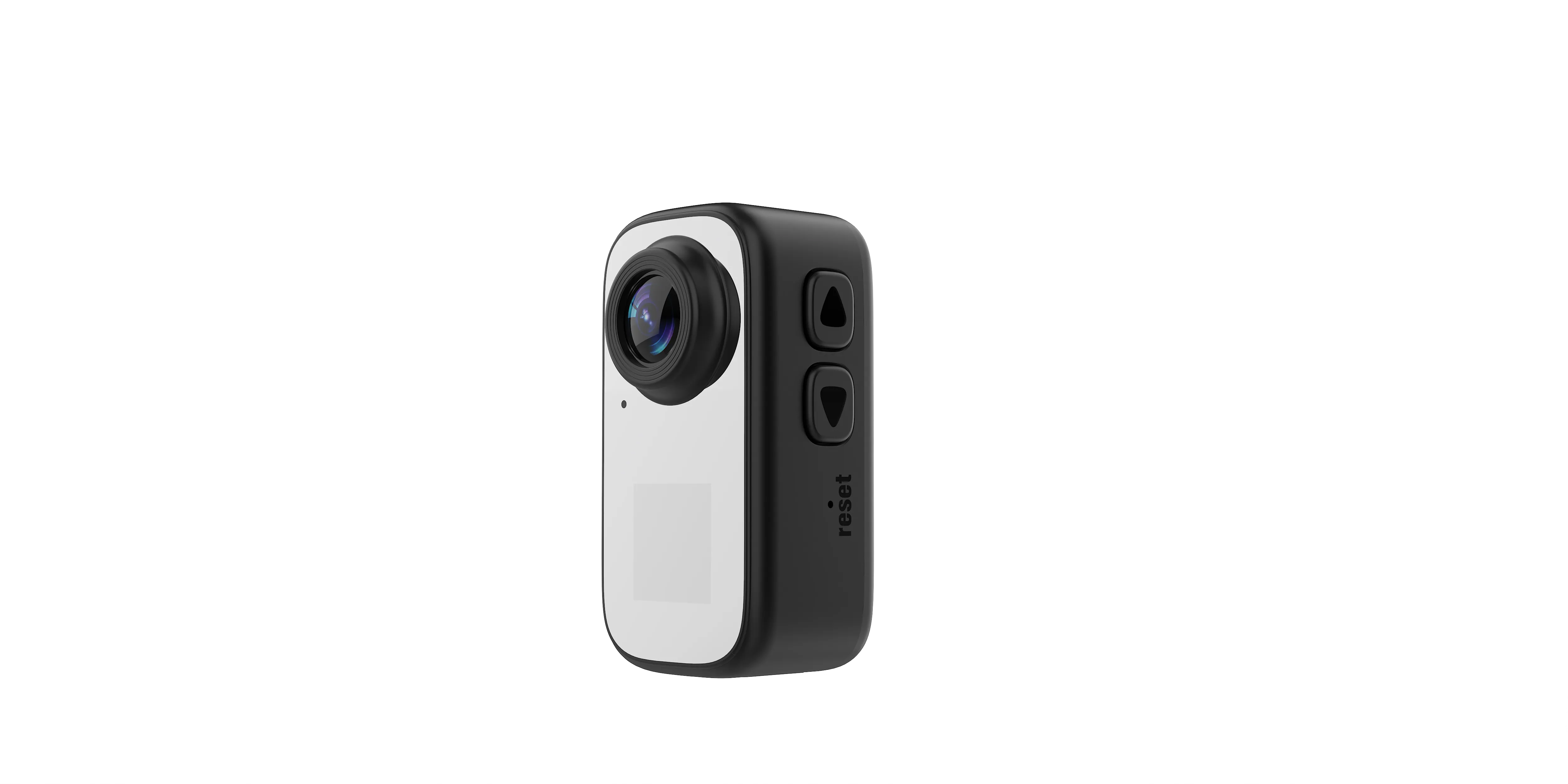
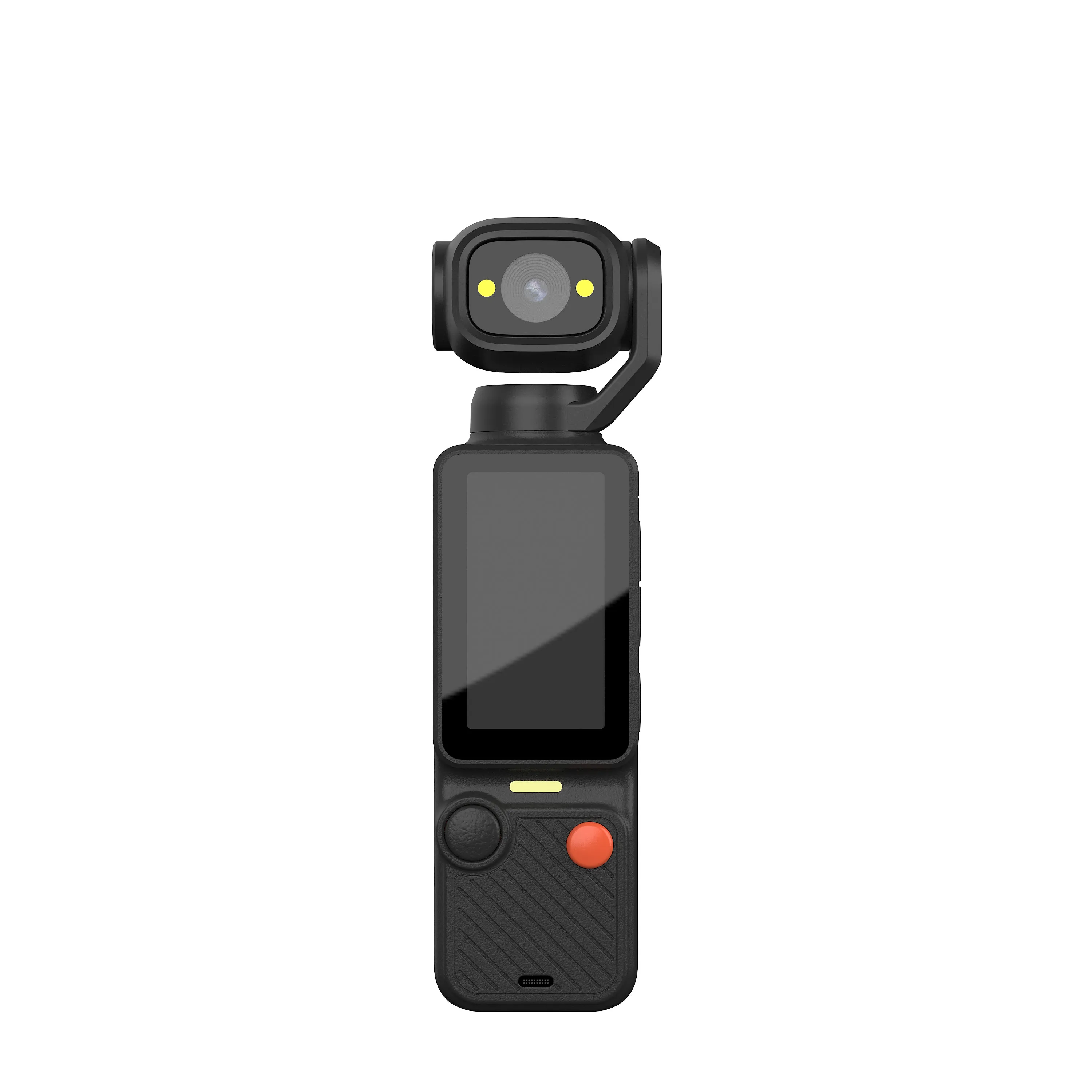
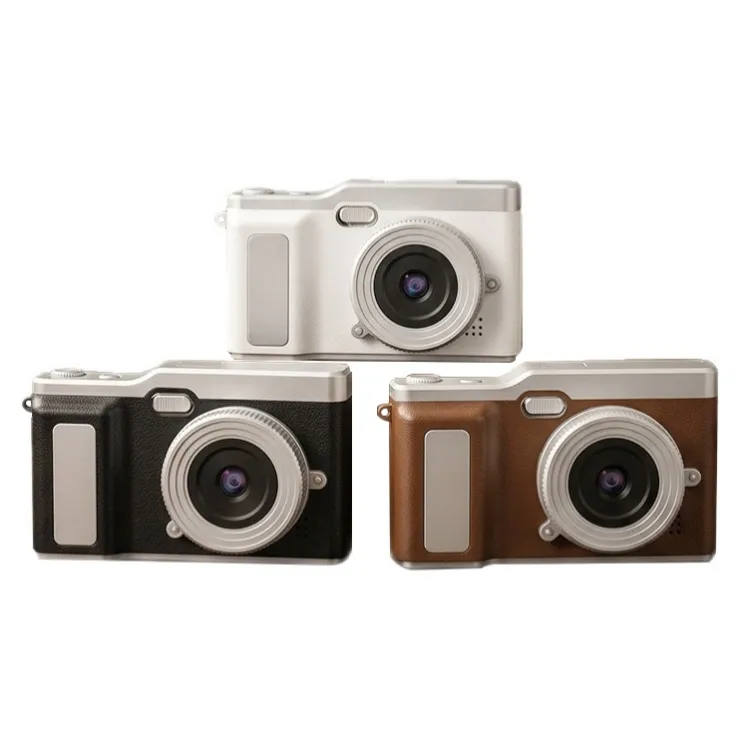
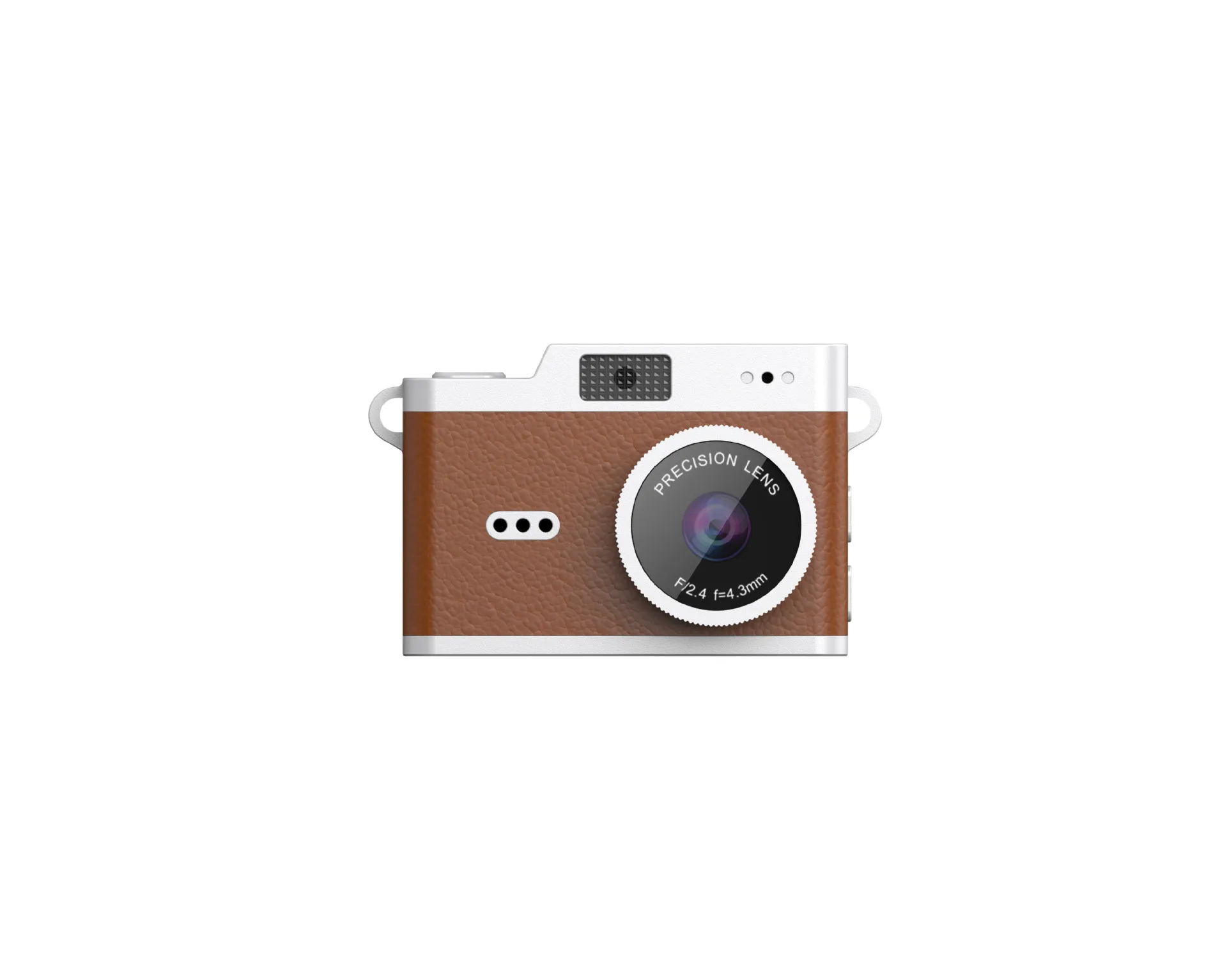
A waterproof action-camera order combines a recording device, a protective enclosure and a mounting system. Approve those parts as one configuration for the intended video job. This guide covers housing and mounted recording; use the separate waterproof still-photo checklist when the main deliverable is a photograph.
Identify Which Part Provides Water Protection
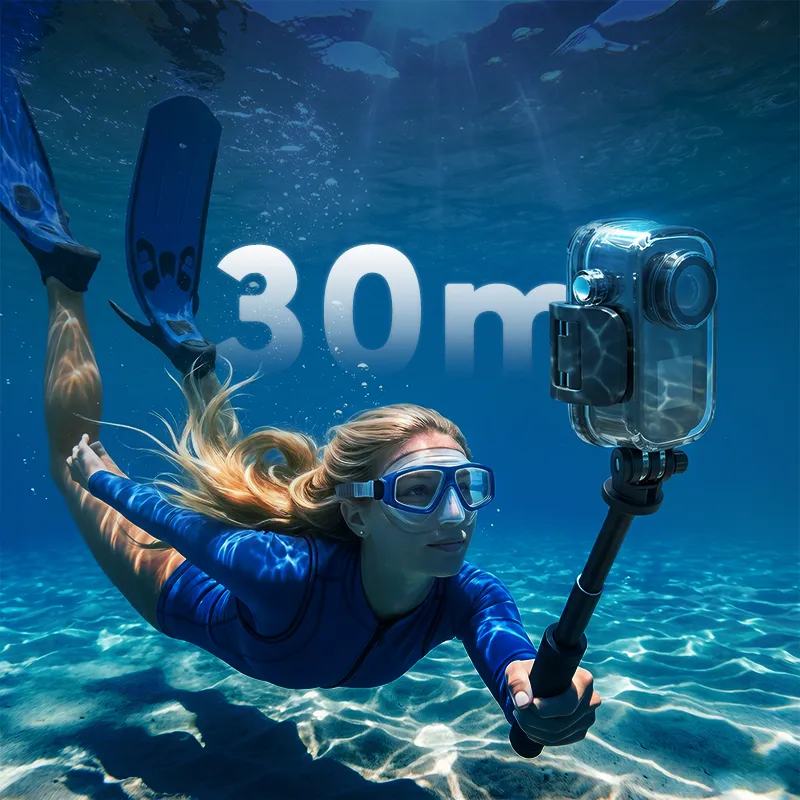
Ask whether the protection belongs to the bare camera, a separate housing or both under different conditions. Identify the exact enclosure supplied with the order. A camera shown beside a case should not be described as protected when the case is removed.
Request the rated depth, test conditions, operating limits and maintenance instructions for the offered combination. Do not transfer a rating between different housings or infer it from appearance. The AC-18 product page presents a case-based configuration; confirm its final agreed specification before approving a retail depth claim.
Match the Housing to the Actual Activity
Describe water exposure, camera position and session length in the brief. Ask the supplier to identify any limitation affecting the planned use. A still-water depth statement does not by itself establish suitability for every moving-water or impact scenario.
Use documented supplier test methods or qualified testing for requirements outside the standard evidence. Keep the intended enclosure and accessories with the approved sample. The action camera category guide covers the broader body and accessory choice.
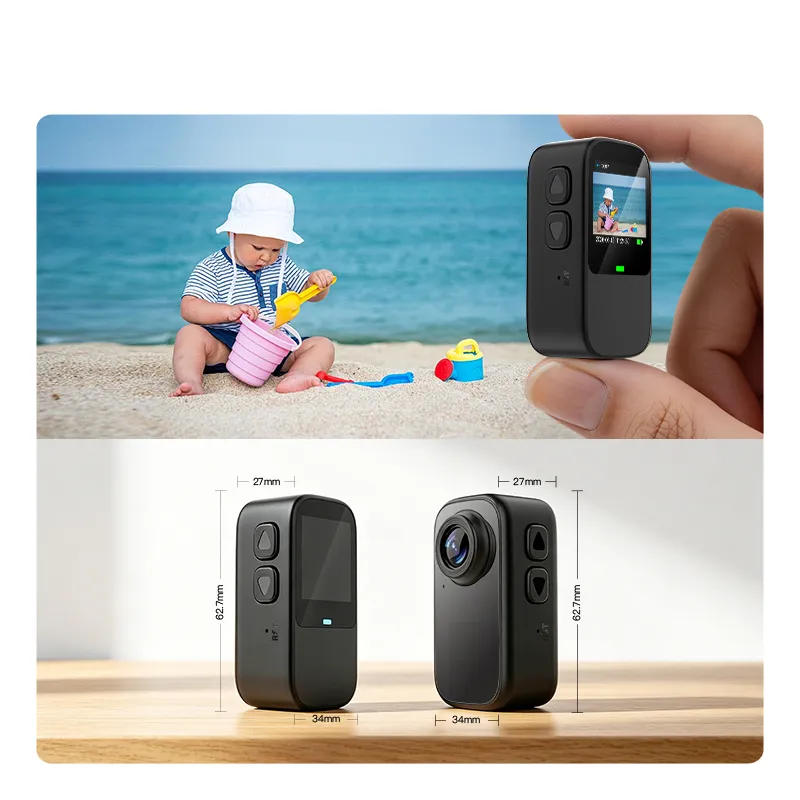
Check Mount Fit and Control Access
Fit the camera and enclosure to the proposed mount. Check orientation, retention, lens clearance and access to permitted controls. Follow the equipment and venue requirements for the intended activity; a matching thread or clip alone does not approve the whole installation.
Confirm how recording starts, stops and changes mode while enclosed. A touch screen visible through a housing may not provide the intended underwater operation. The supplier should demonstrate the supported physical controls on the exact configuration.
Approve the Enclosed Video Result
Record representative footage with the production housing fitted. Compare framing, visible obstruction, reflections and the usable view through the enclosure window. Check the microphone result if the retail brief includes sound.
Identify the recording modes and stabilization functions on offer. Use the sports video specification checklist and stabilization comparison for those decisions. Housing protection does not establish image quality or a particular stabilization mechanism.
Check Recording Limits Before Planning a Session
Measure the planned recording workflow using the approved mode, battery and card. Check whether a clip ends automatically, whether recording restarts and whether an operator must intervene. A large card cannot remove a recording-duration limit.
The current AC-18 page describes selectable 3, 5 or 10-minute recordings followed by manual restart. If a buyer needs uninterrupted session recording, resolve that requirement with a configuration-specific demonstration. Do not promise continuous recording from battery capacity alone.
Use the battery planning guide and card compatibility guide when preparing the test.
Agree on Housing Inspection and Service
| Approval area | Evidence to keep |
|---|---|
| Protection | Exact camera/case identification and documented rating conditions |
| Mechanical fit | Approved mount, orientation and retention method |
| Operation | Demonstrated controls with the housing fitted |
| Recording | Original enclosed footage and session-limit test |
| Service | Seal inspection, care instructions and replacement-part arrangement |
Ask how the enclosure is inspected before shipment and how damaged seals, latches or windows are handled. Use the manufacturer’s care instructions. Keep leak-related acceptance criteria separate from ordinary cosmetic checks.
The hardware inspection checklist and OEM approval process help document the final configuration.
Specify the Complete Video Kit
List the camera, enclosure, mount, card, cable and instructions one by one. Make optional parts visible in the quote and packaging approval. Require renewed review when a change affects protection, fit or operation.
Compare the current range and send the activity, recording requirement and exact accessory list through the contact page. Approve the complete kit before publishing claims about underwater video use.

The JSRD Editorial Team creates practical B2B guides for importers, brand owners, and Amazon FBA sellers sourcing digital cameras from China. Our content covers OEM/ODM customization, product selection, and sourcing decisions for camera products.