The First Digital Camera: Where It Began
The first digital camera emerged from Kodak’s labs in 1975. Engineer Steven Sasson built the first ever digital camera prototype using a charge-coupled device sensor, a tape recorder for storage, and a custom lens. The the first digital camera weighed 8 pounds and captured 0.01 megapixel images in 23 seconds each. Kodak filed a patent for this design, and the first digital camera release date for a consumer product came much later.
The first consumer digital camera reached retail shelves in 1990: the Dycam Model 1, also sold as the Logitech Fotoman. It captured 376×240 pixel images and stored them in 1MB of internal memory. The digital camera first came out as a professional tool before it reached everyday users. Sony’s Mavica line, which the company launched in 1981, used magnetic floppy disks instead of film and paved the way for the first digital cameras that followed.
Key Specs and Features Over Time
The first digital camera year for mass production was 1991, when Kodak released the DCS 100, a Nikon F3 body with a 1.3 megapixel sensor. Early bodies stored images on external hard drive units that photographers carried in shoulder bags. Resolution climbed from 0.01 megapixel in 1975 to 1.3 megapixel in 1991. The digital camera mp explained in simple terms: megapixels measure how many millions of pixels a sensor captures per image. More megapixels mean more detail, and sensor size and image processing carry equal weight.
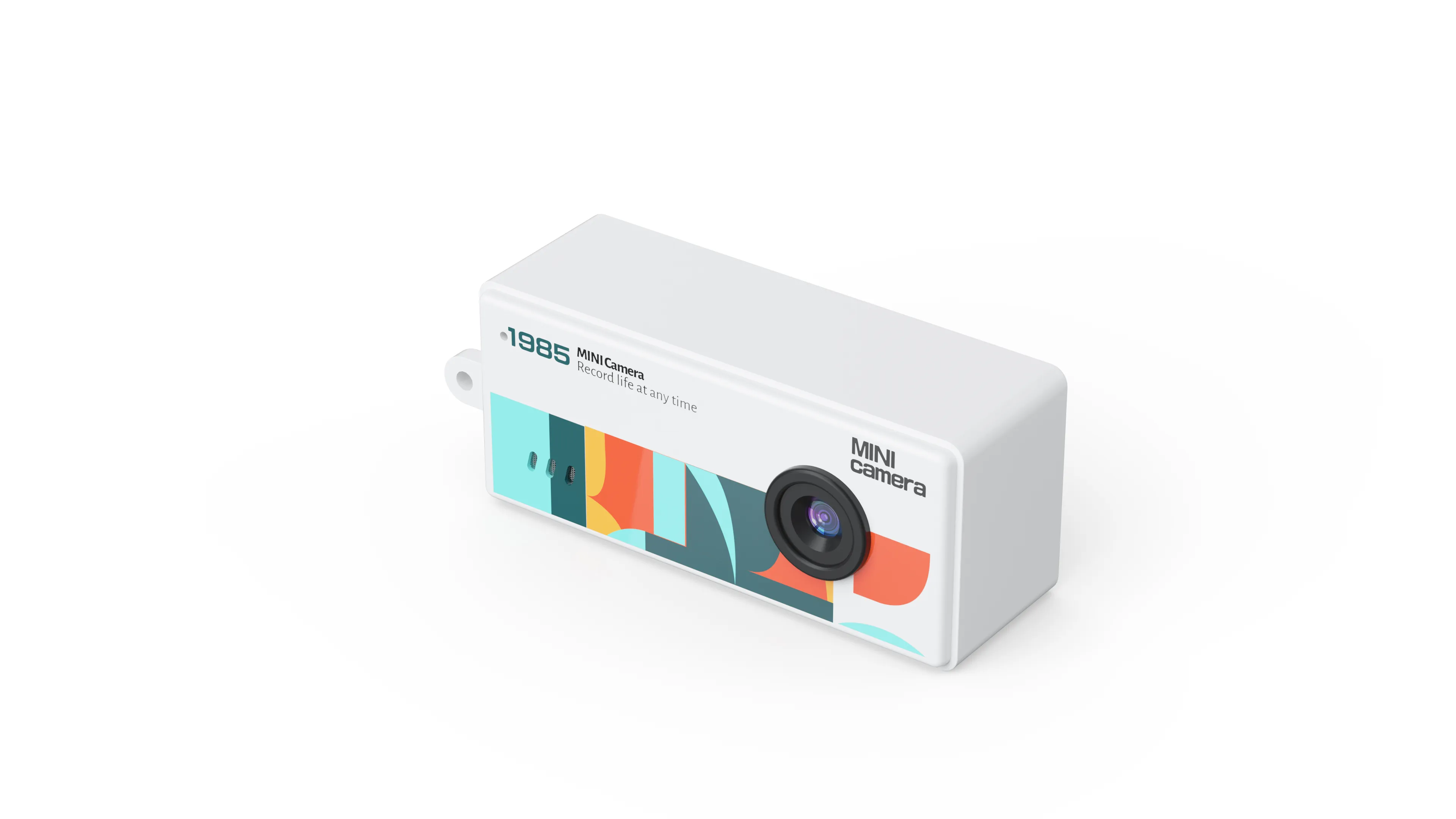
The the first ever digital camera prototype from Kodak captured black-and-white images only. Color sensors arrived in the late 1980s. The digital camera first introduced high definition recording in the mid-2000s, when high definition digital camera models started offering 720p and 1080p video alongside still photos. Today’s compact bodies from our factory record 1080P at 30 fps, 2.7K, and 4K, all in bodies that weigh less than 50 grams.
Evolution of Camera types and Formats
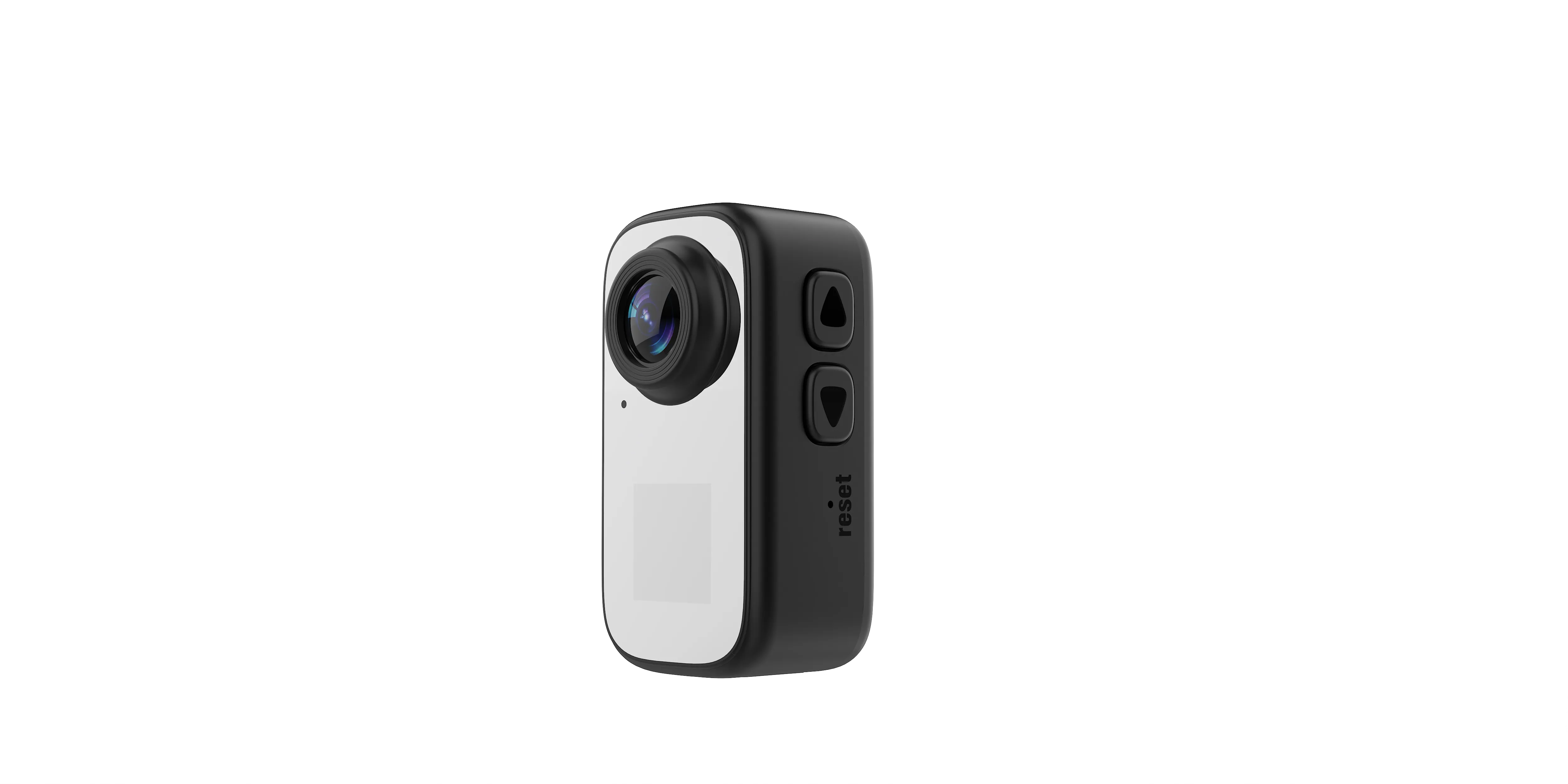
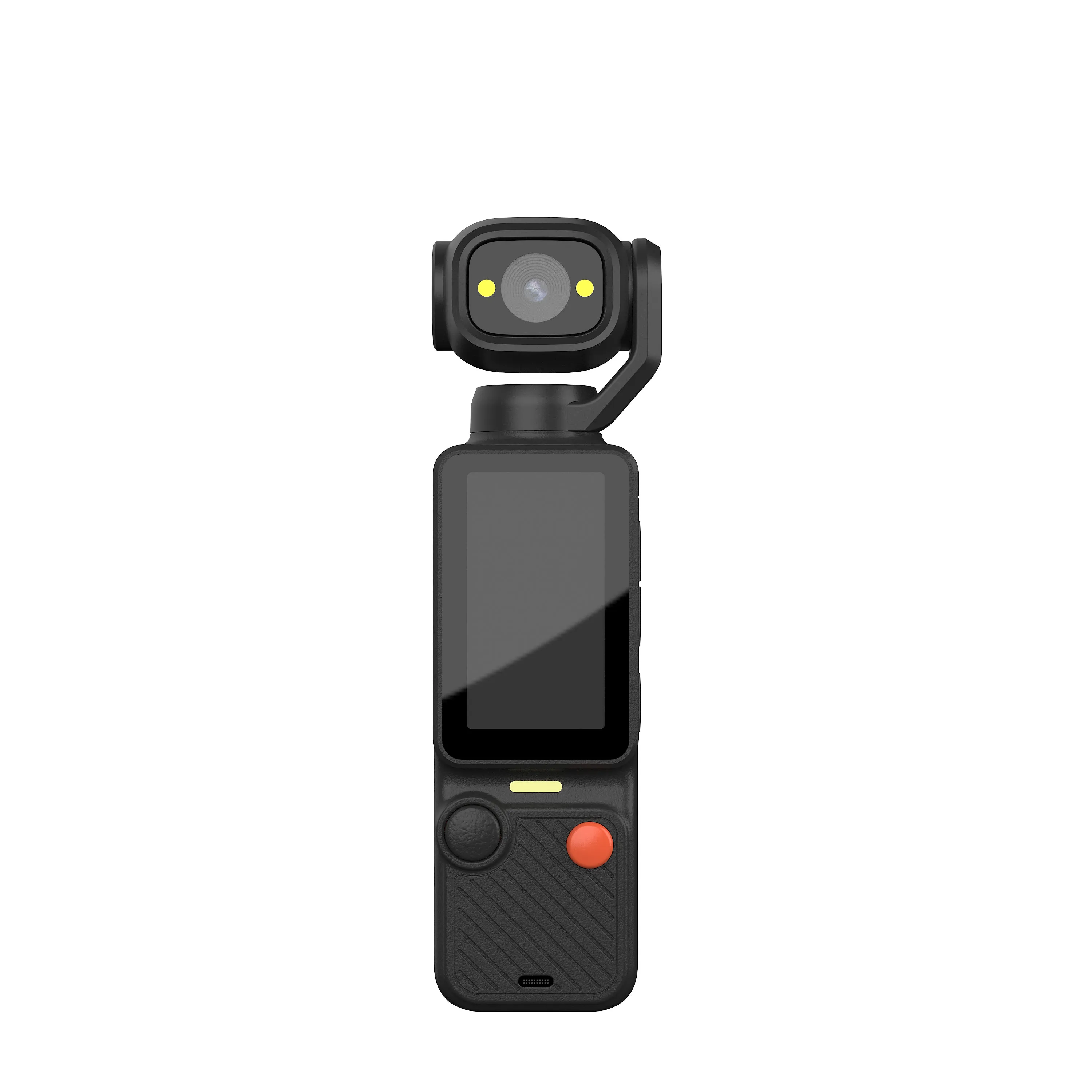
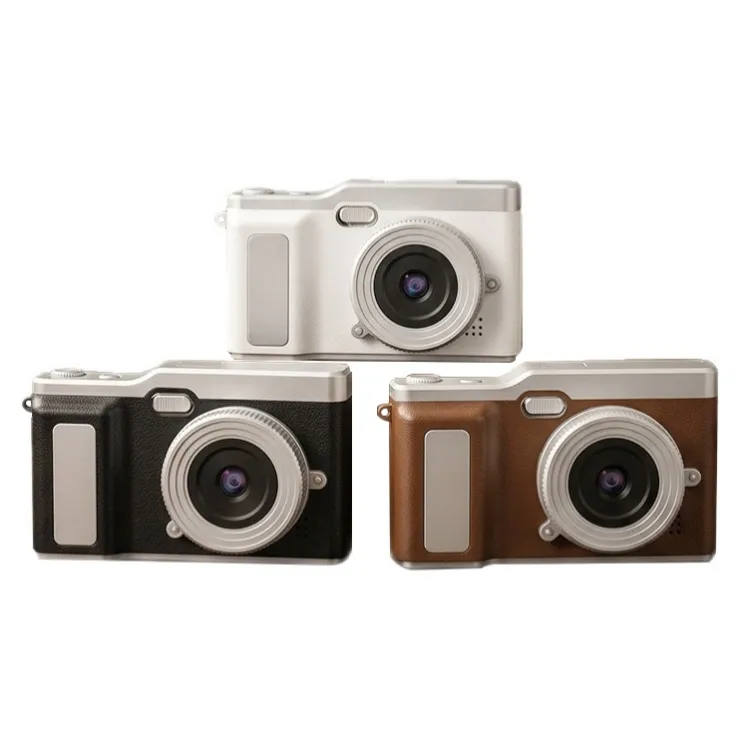
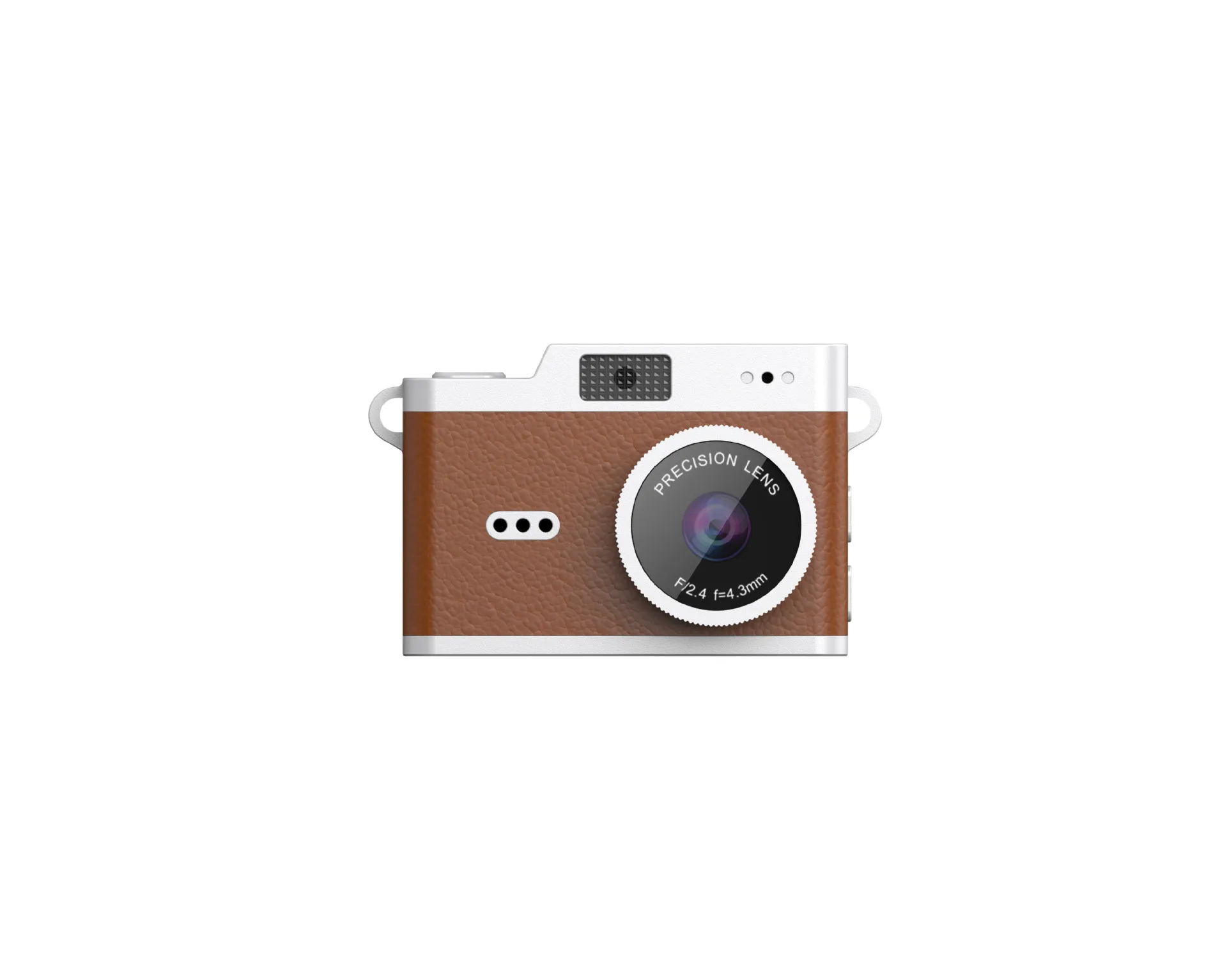
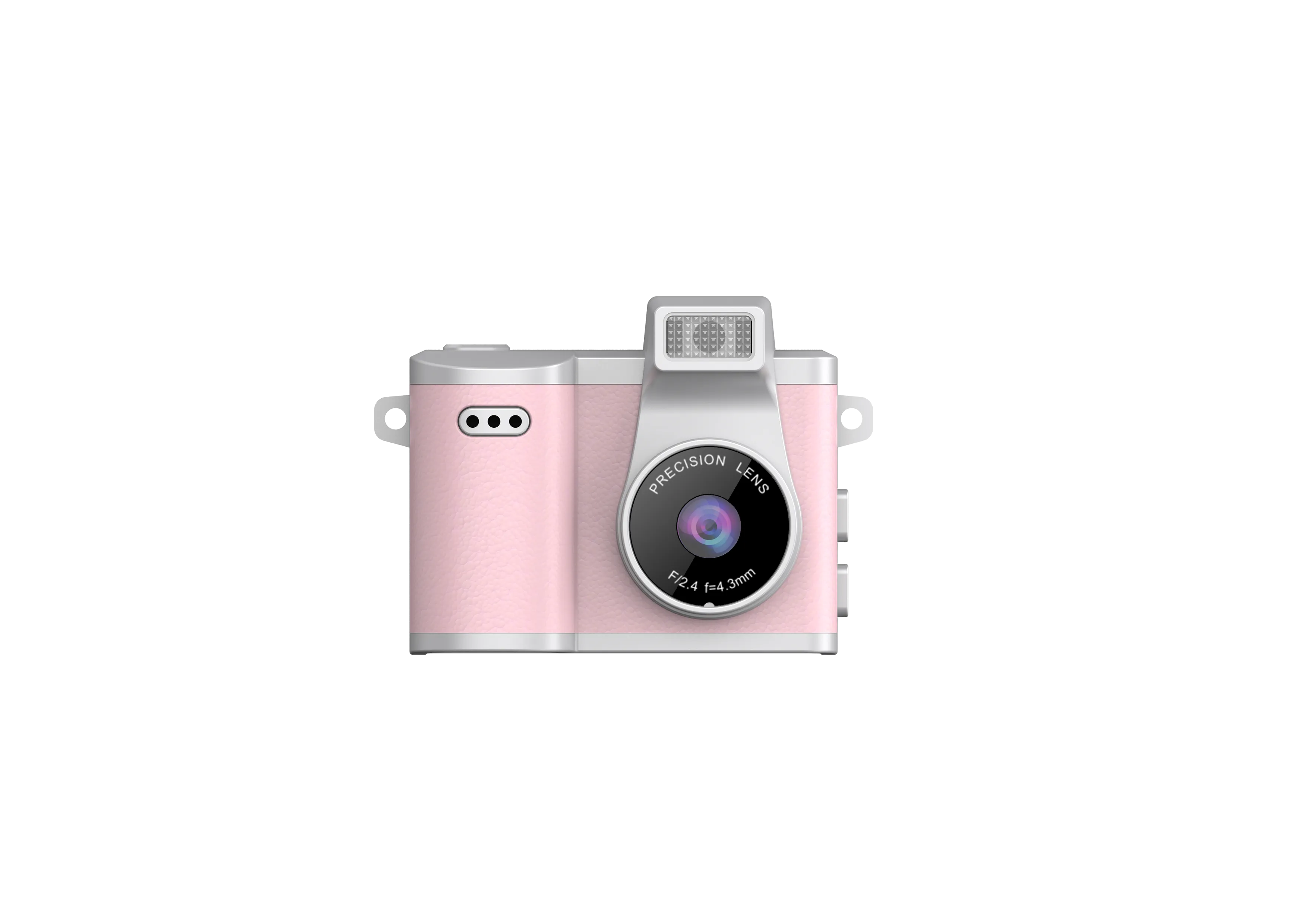
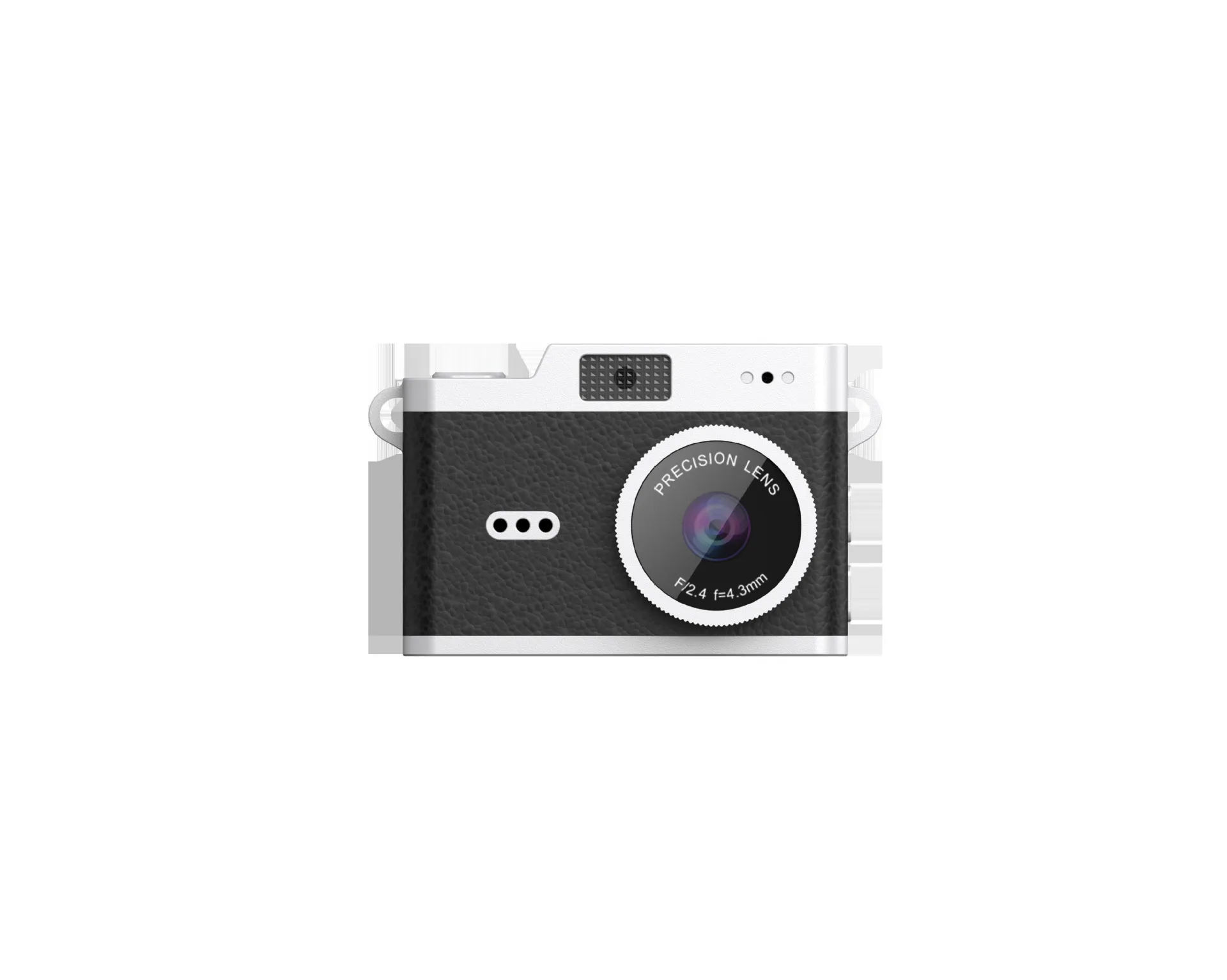
The camera types explained for wholesale buyers fall into six categories: compact point-and-shoot bodies, thumb-size action cameras, keychain cameras, pocket gimbals, retro-style card cameras, and vlog-specific dual-screen bodies. Each type serves a different shelf price and buyer profile. The digital camera formats explained for retail purposes include JPEG for still photos, MP4 for video, and RAW for professional editing. Our factory supports JPEG and MP4 as standard output, with RAW available on select models. The digital camera features explained in our product pages cover sensor size, screen type, battery capacity, WiFi range, and waterproof rating, so you can compare bodies side by side.
The the first digital camera ever made stored a single image on a cassette tape. Today’s bodies store thousands of photos on TF cards up to 256 GB. The first digital camera made for consumers cost $995 in 1990 dollars, which is about $2,300 today. Our factory produces bodies that retail for under $20 at wholesale prices, a price drop of over 99% in three decades.
What This History Means for Your Inventory
The my first digital camera moment for your customers matters: it creates a memory they associate with your brand. Stocking reliable, affordable bodies from a factory that understands this history gives you a competitive edge. The digital camera first impression your customers get comes from the build quality, the screen, and the ease of use, and we design each body with those three factors in mind.
From Prototype to Production Line
The journey from the the first digital camera prototype to today’s wholesale production line spans five decades of engineering. Kodak’s 1975 prototype recorded images on a cassette tape, a storage medium that held 30 images before requiring a rewind. The the first digital cameras that reached consumers in the early 1990s stored files on internal memory chips that held fewer than 100 images. Storage capacity grew from 1 MB in the Dycam Model 1 to 256 GB TF cards in current bodies, a 256,000-fold increase.
Our factory applies the same engineering discipline that drove the digital camera first generation of products: test each sensor before assembly, calibrate each screen for color accuracy, and verify each battery for charge retention. Every body that leaves our production line passes a quality check that covers focus accuracy, screen responsiveness, WiFi signal strength, and shutter latency. These quality standards apply to first digital cameras and to every body we ship, regardless of order size or price point.
Wholesale buyers who source from our digital camera product center benefit from this engineering heritage: the same quality control process that produced the first digital camera ever made successors applies to our entry-level and mid-range bodies. The camera types explained in our catalog reflect three decades of refinement: we optimized each body type for its target use case, from pocket-size keychain models for impulse gifting to dual-screen cameras for vlogs for content creators.
Sourcing Digital Cameras for Your Retail Line
The digital camera features explained in our factory documentation cover every specification that matters for a retail listing: sensor type and resolution, screen size and type, battery capacity and charging time, WiFi protocol and range, waterproof rating, and storage card compatibility. The digital camera formats explained section covers file output: JPEG for photos, MP4 for video, and WAV for audio recordings on select models. Each specification maps to a retail selling point that your product listings can highlight.
The first digital camera made headlines when it captured its first image. Today, our factory makes headlines for a different reason: we produce bodies that combine retro aesthetics with modern features, at prices that work for B2B wholesale margins. The digital camera first introduced by our factory to a new market becomes in most markets that market’s best-seller within two quarters, because our pricing leaves room for healthy retail margins.
The the first digital cameras captured low-resolution images on expensive hardware. Today, wholesale buyers can source first digital cameras for their retail lines at factory prices, with features that match or exceed consumer expectations. Our digital camera product center shows the full range: browse our digital camera product center to compare bodies side by side, check the AC-18 thumb motion camera for the most compact build, or request a quote for your target quantity.

The JSRD Editorial Team creates practical B2B guides for importers, brand owners, and Amazon FBA sellers sourcing digital cameras from China. Our content covers OEM/ODM customization, product selection, and sourcing decisions for camera products.