Buyers who type digital cine cameras into a search bar carry one of two briefs: a video production team that needs a cinema body, or a retail chain that wants the word “professional” printed on a box it can sell. The two briefs lead to different machines, and a wholesale order that mixes them up ends in returns. This guide separates the terms that cluster around professional camera searches, shows what a compact camera factory builds for each one, and lists the spec checks that protect your margin.
Digital Cine Cameras and the Class Behind the Term
A cine camera is a movie-first machine. It records long takes without overheating, connects to full-size microphones and monitors, and writes RAW files that a colorist can grade shot by shot. The phrase professional digital movie cameras points at this class: cinema bodies from specialist makers, priced for production houses rather than shop shelves. A compact camera plant does not build that class, and any supplier who claims a pocket body matches it should raise a flag during your audit.
The term still earns a place in your research, because it marks the top of the high end digital camera range and tells you where the money in a catalog sits. Store buyers who ask for cine-level looks on a compact budget want the strongest video spec a small body can carry: 4K recording, a wide lens, and a mount that survives daily handling. That is the order a factory like ours can quote.
The Technical Camera and Its Separate Aisle
A technical camera describes large format gear used for architecture and fine art: a rail or pad board that holds the lens and the sensor apart so the photographer can control perspective. The search variant technical camera digital pulls up the same class, digital backs fitted to view-camera frames. Neither version belongs in a compact camera catalog, and listing one there would confuse both the shopper and the search engine.
Keep the phrase in your keyword sheet for one reason: it documents the ceiling of the market. Buyers who reach for a technical camera have a studio, a tripod budget, and a subject that stays still. Retail programs built around compact bodies serve the opposite brief, and the faster you sort one from the other, the fewer dead samples you ship.
Professional Digital Cameras at Pocket Scale
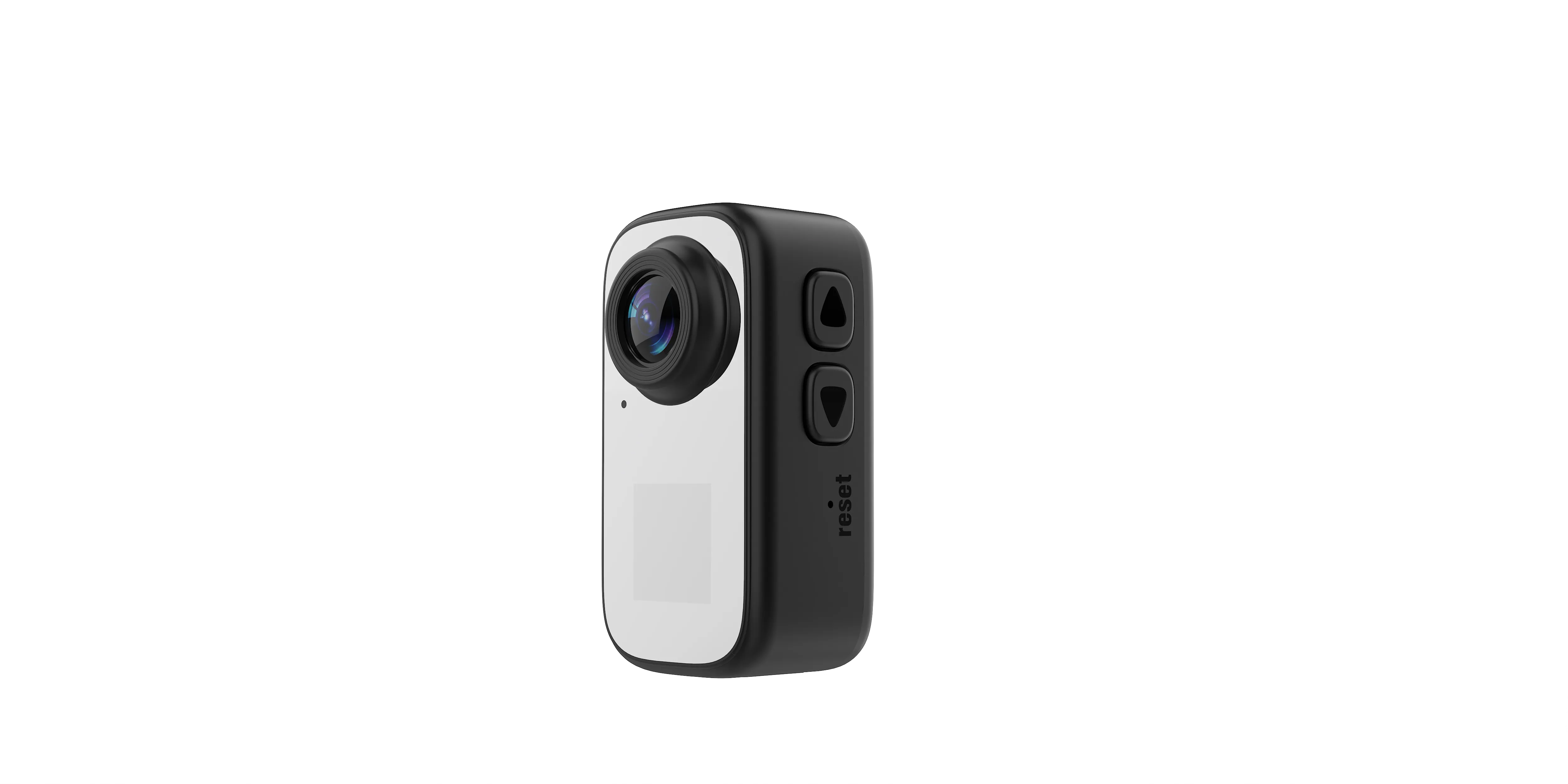
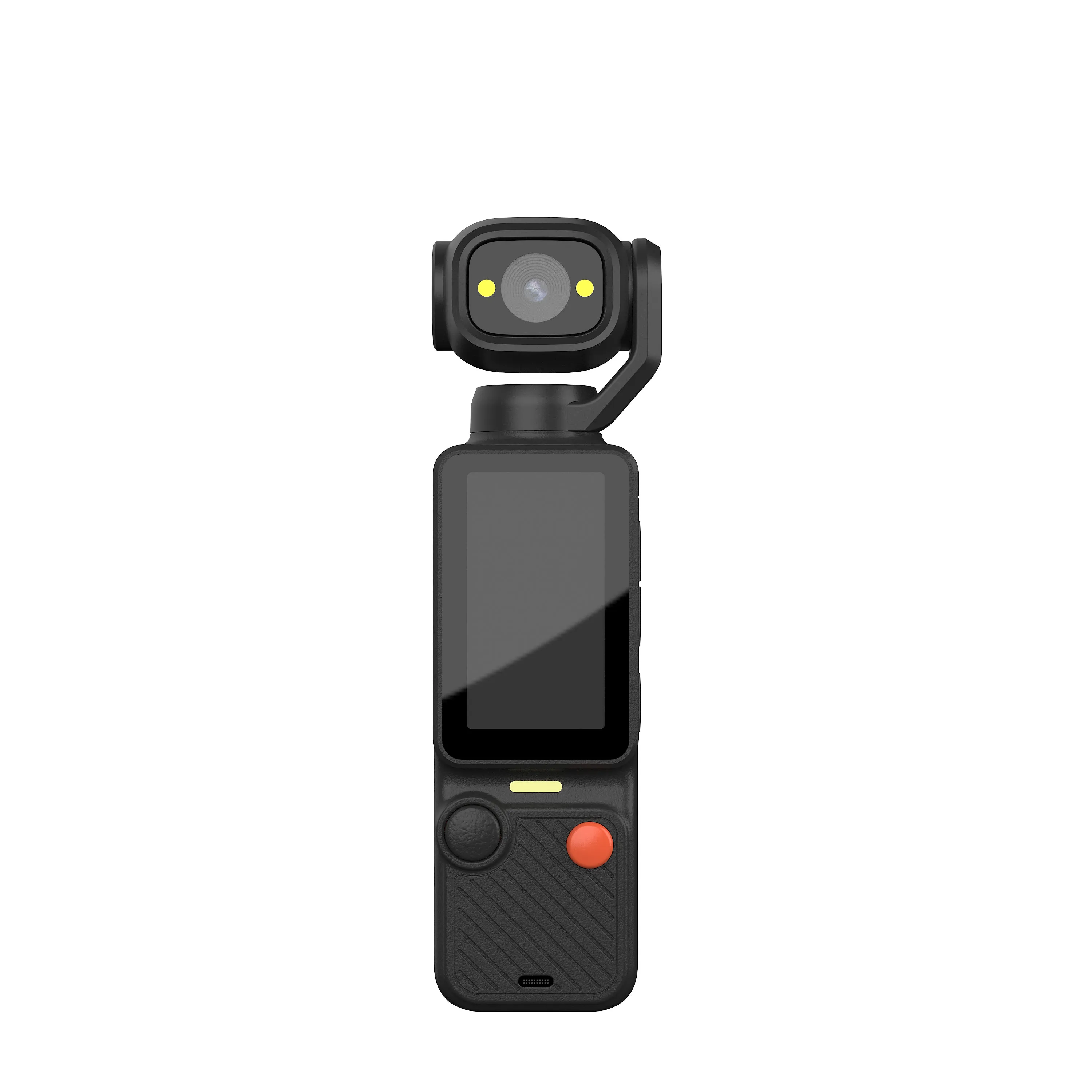
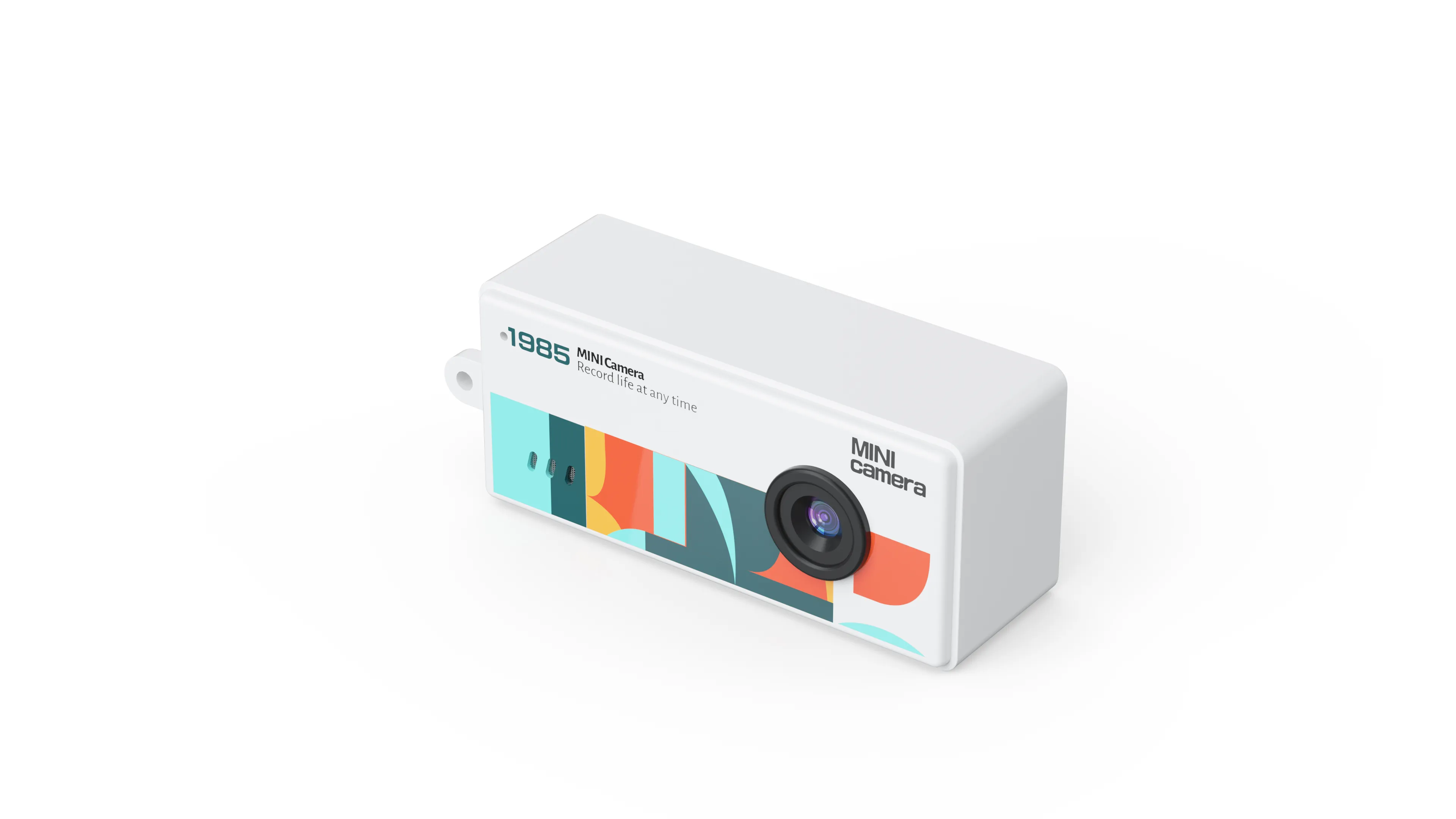
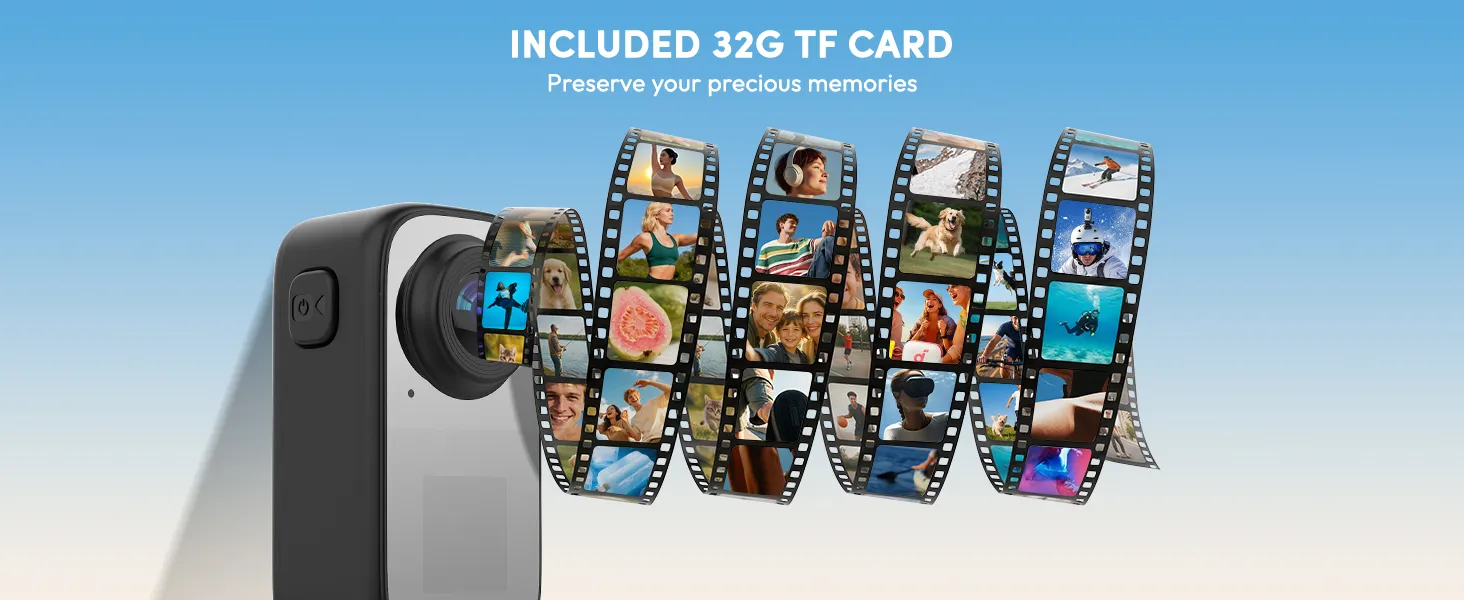
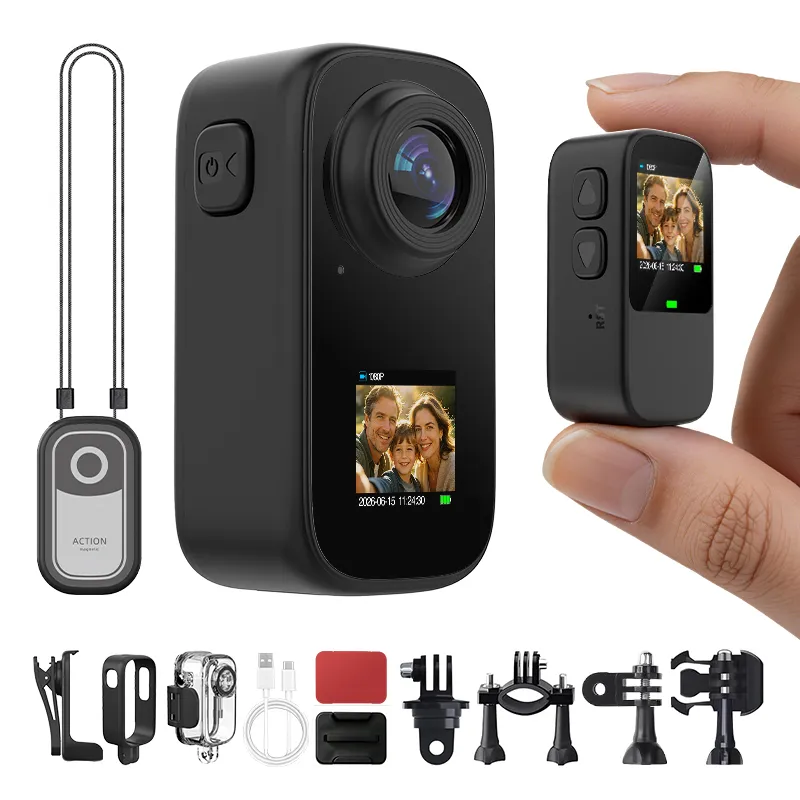
The professional tier of a compact line looks different from cinema gear, and the specs are public, so check them line by line. Our AC-18 thumb action camera carries a 2MP CMOS sensor with a 123 degree wide lens, records 1080P video at 30fps, saves to a 256G card, and adds a rear display plus WiFi preview inside 10 meters through a phone app. The high-spec version adds a waterproof case rated to 30 meters. For buyers assembling professional digital camera equipment around a phone-first audience, that combination covers unboxing clips, travel vlogs, and sport sessions without a production crew.
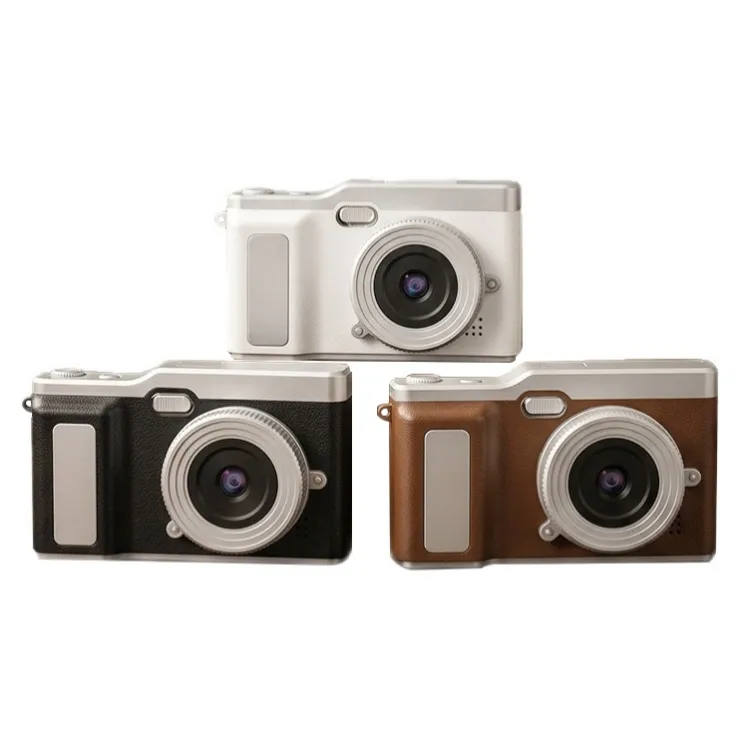
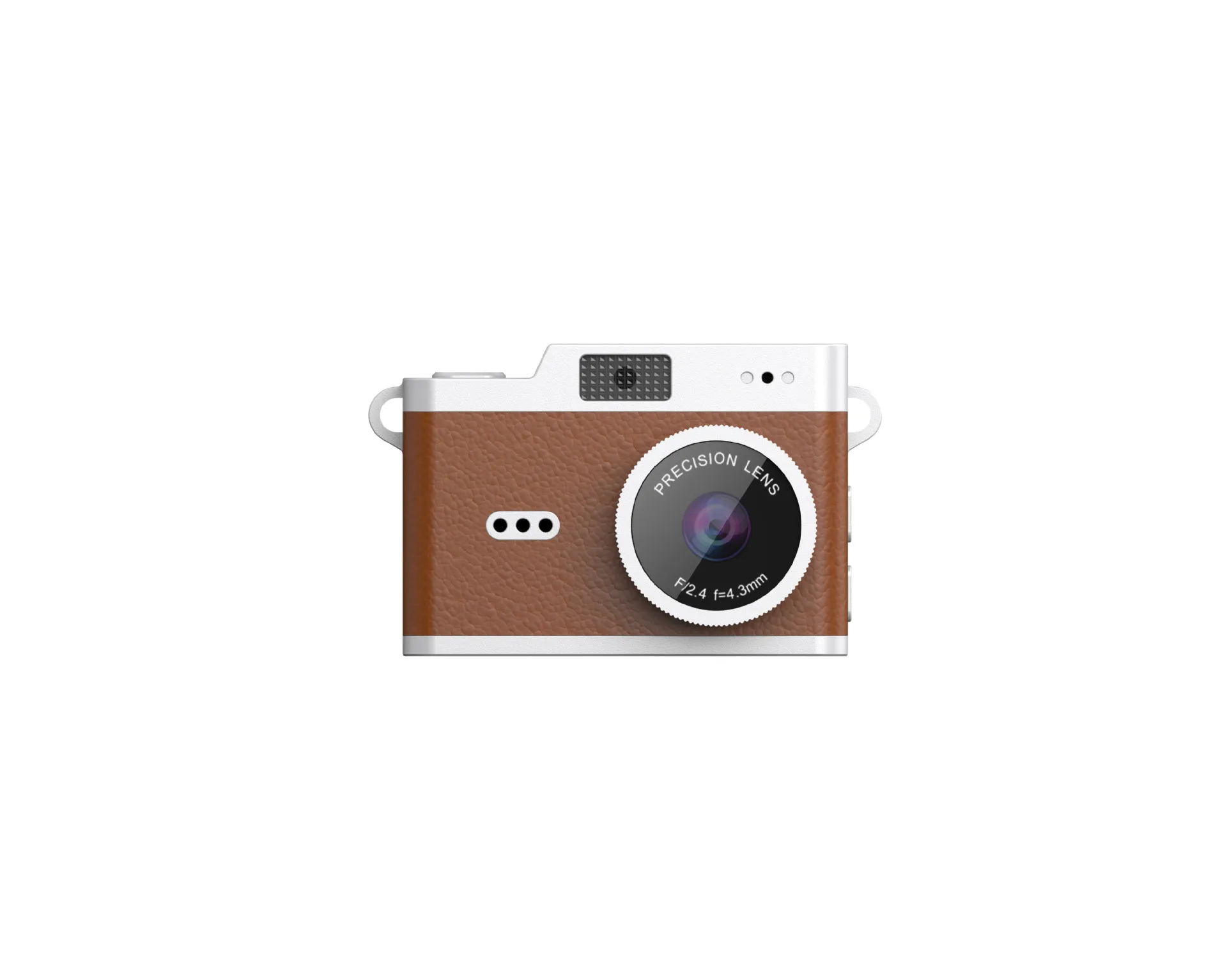
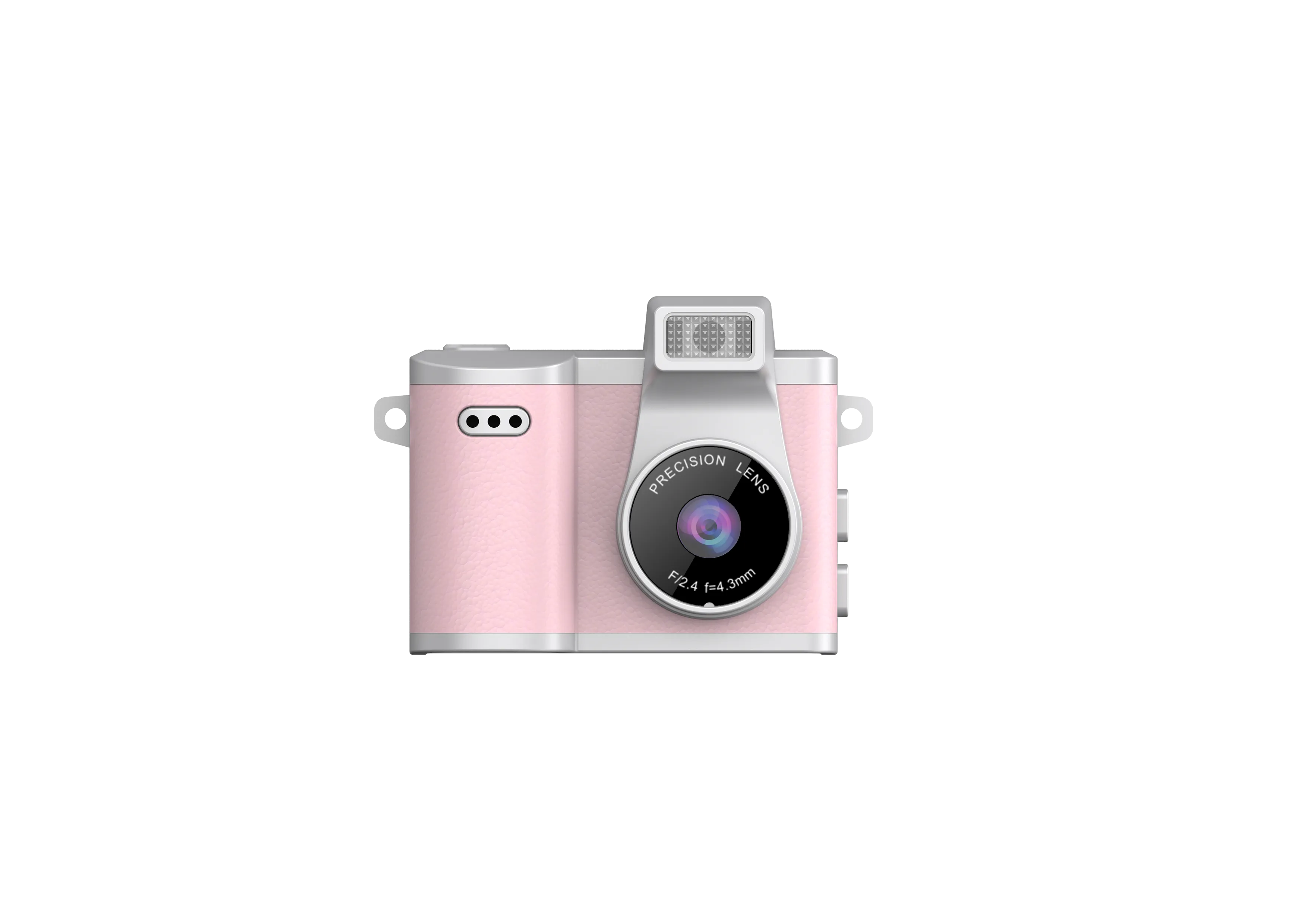
Card bodies fill the lower tiers. The AC-8 weighs 21 grams, runs a 0.96 inch IPS screen, records VGA video, and charges over Type-C, which makes it a natural inexpensive professional digital camera for gift programs and promo bundles where unit cost decides the deal. The AC-7 adds a retro shell in six colors for Y2K displays, and the AC-3 contributes a 2.4 inch flip screen for selfie framing. A buyer brief that says digital camera for professional photography splits into two halves: the flip screen covers framing, and the 4K option on the AC-18 covers footage. Retail teams that request a professional photography digital camera sample for a regional chain most often mean one of these bodies with the right accessory kit, and the factory builds each to order.
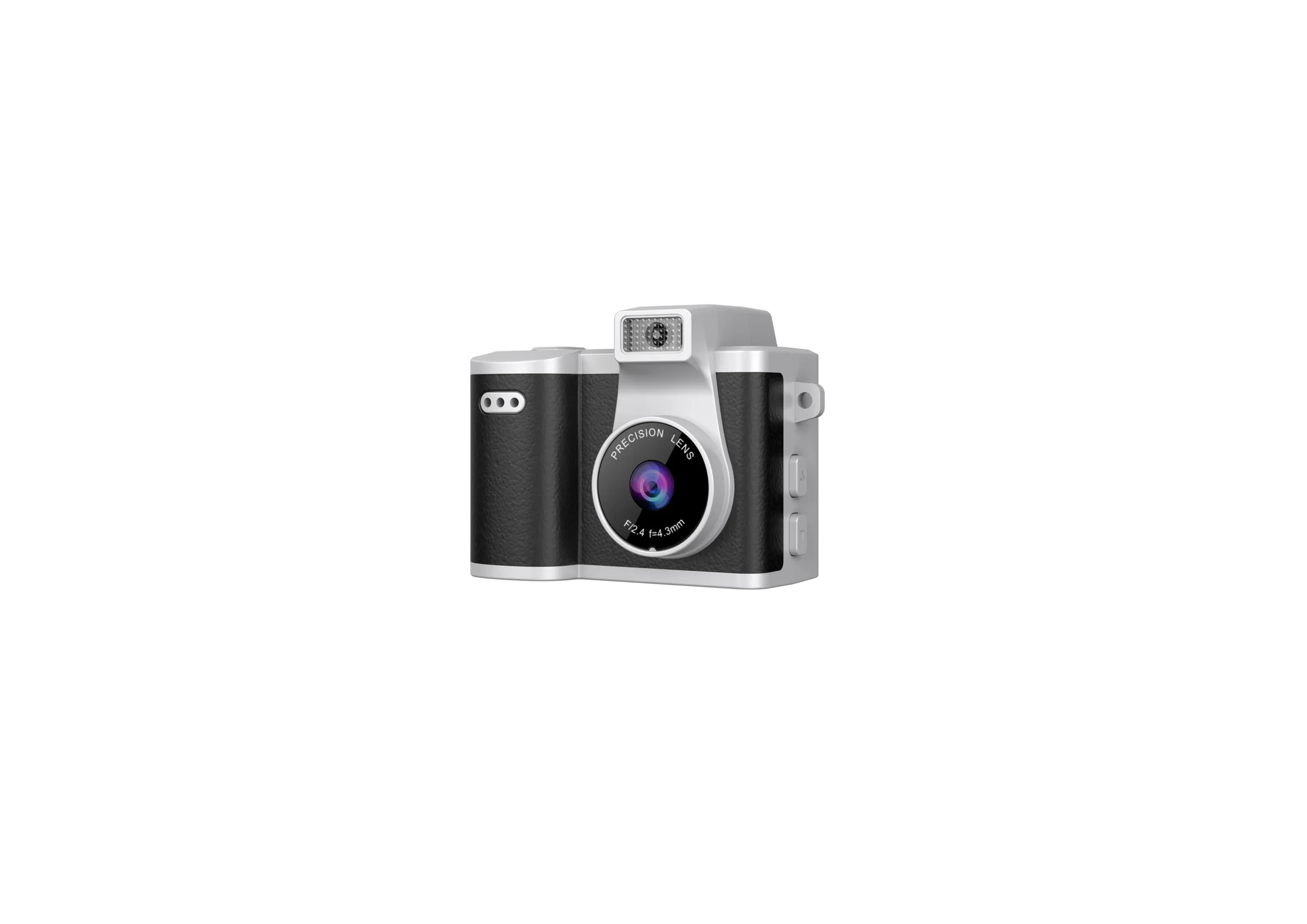
Customization decides whether a model reads as professional on your shelf. Sensor sizes from 1/4 to 1/10 inch, photo resolution from 0.3MP to 5MP, video from 480P to 4K, digital zoom from 1X to 16X, and frame rates of 15 or 30fps are all open parameters. Buyers sourcing professional digital cameras for a chain of stores often change nothing but the shell color, the logo, and the startup screen, and those three changes move retail price more than a sensor swap does. For a professional handheld camera program, the AC-18 ships with a magnetic lanyard and a pocket clip, so the kit retails as a single SKU.
Search Phrases That Signal Buyer Intent
Order inquiries carry odd phrasing, and each phrase tells you what the buyer has already decided. The query “digital camera professional” comes in most often from a distributor comparing factory lines against name brands on price per unit. The phrase “professional camera digital” shows up in inquiries from markets where English word order differs, and the buyers behind it ask the same spec questions in the same sequence: sensor, video resolution, battery, and logo options. Reading the phrase style of an inquiry shortens the reply, because you can attach the matching spec sheet first.
Word order variants also matter inside your own product pages. A listing written around digital professional cameras catches one search habit, and a spec block that repeats the phrase in full sentences catches the rest. Coverage without stuffing is the goal, and a spec sheet written in plain sentences reaches both goals at once.
Factory Lines, Certifications, and the Quote Step
High end camera brands dominate the review sites, yet a large share of their volume comes from contract factories in Shenzhen, and the brand premium funds marketing rather than glass. A retail chain that orders direct keeps that margin, sets its own shell colors, and stamps its own logo through laser marking. The floor runs two camera lines with 50 to 60 staff, ships more than 2,000 units a day, and completes a standard production run in 15 to 20 days. Every current model, from the entry card bodies to the flagship, sits in the factory’s digital camera product center.
Quality claims stay checkable: each model carries CE, FCC, RoHS, and CPC certification, payments run through TT, and small batch orders start before a full container commitment. Programs for high end professional digital cameras run on the same line as the entry models, and the bill of materials records where the money goes. Send your spec list through the contact page and the quote returns with unit prices at your volume, sample lead time, and the logo files the line needs.

The JSRD Editorial Team creates practical B2B guides for importers, brand owners, and Amazon FBA sellers sourcing digital cameras from China. Our content covers OEM/ODM customization, product selection, and sourcing decisions for camera products.