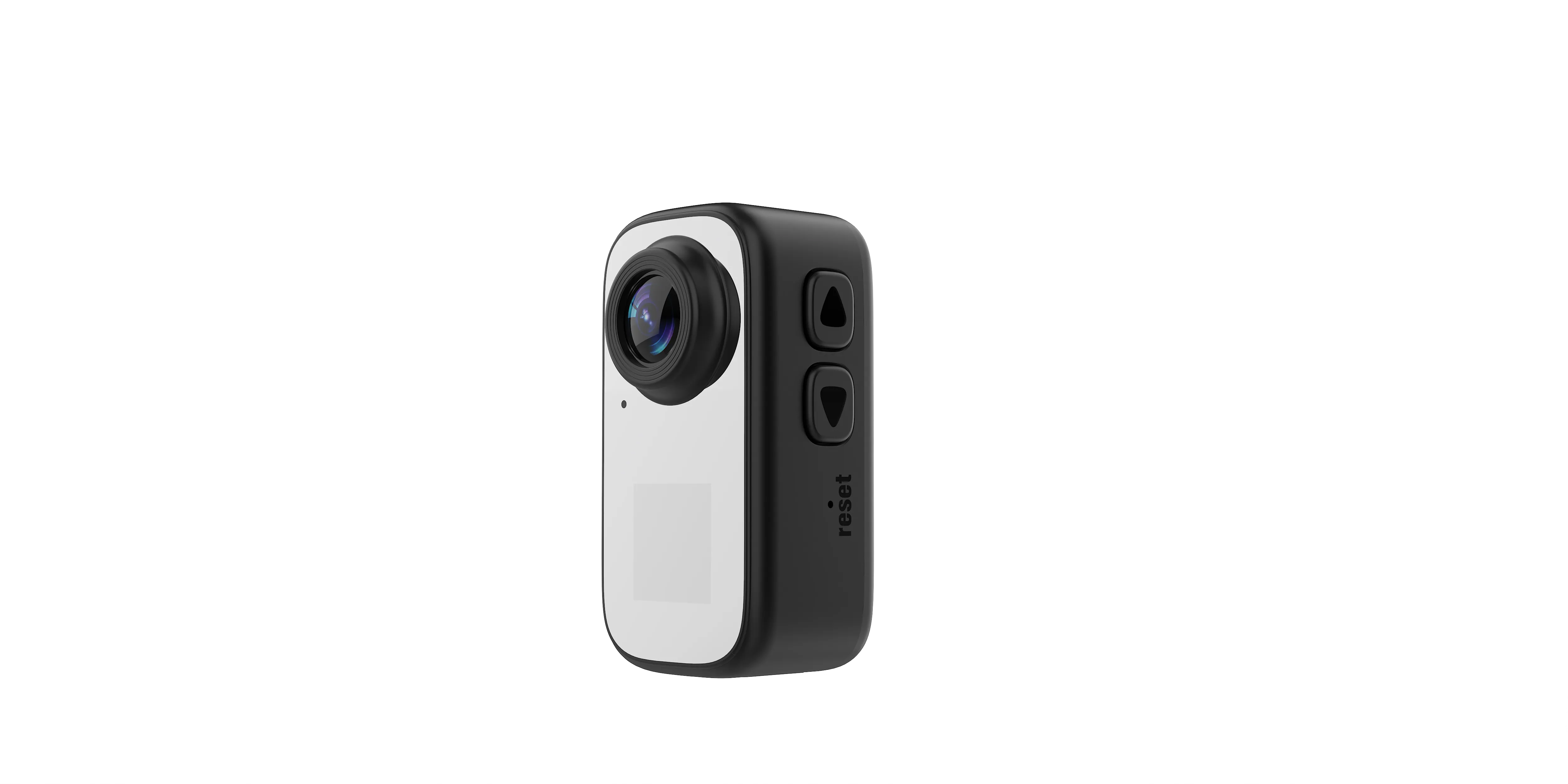
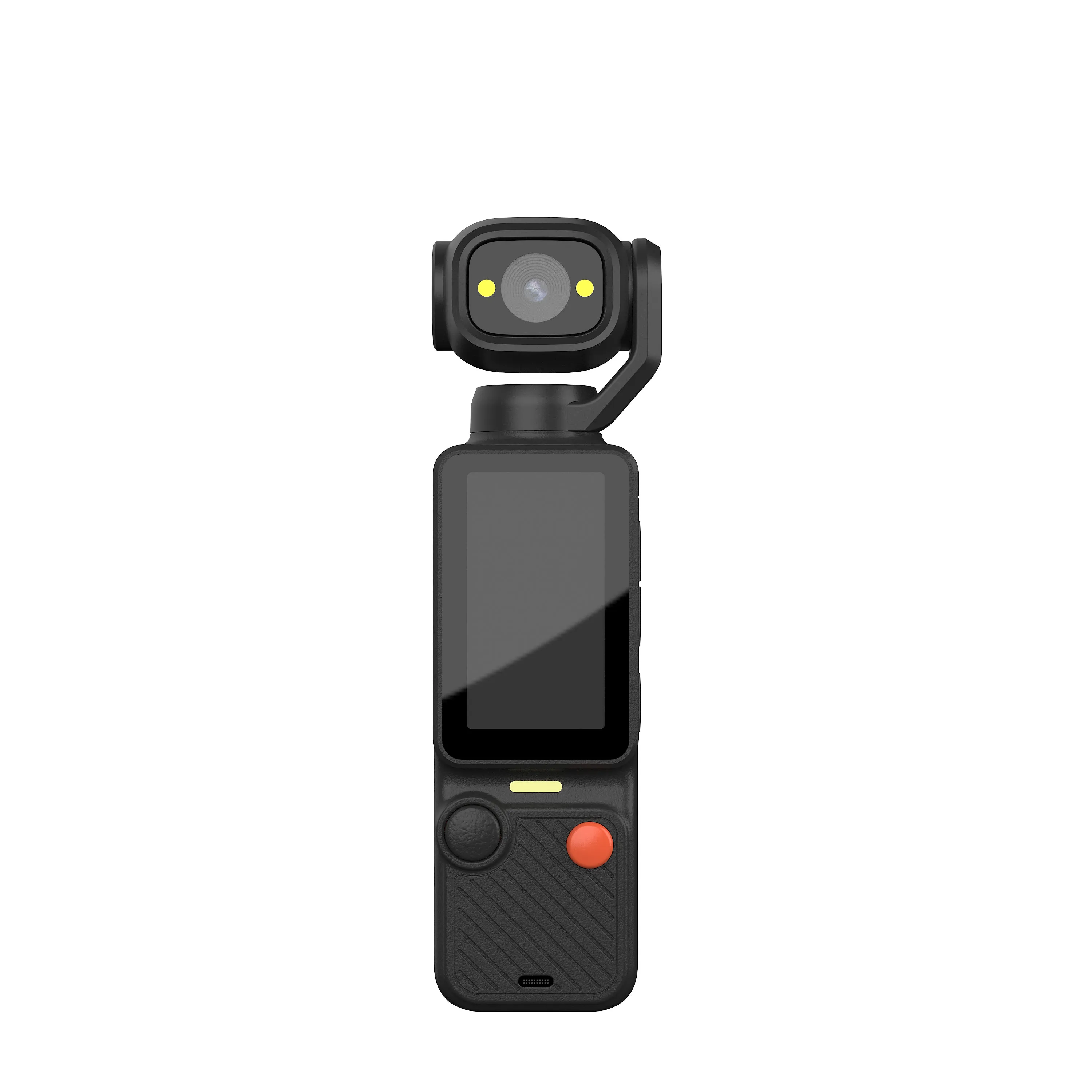
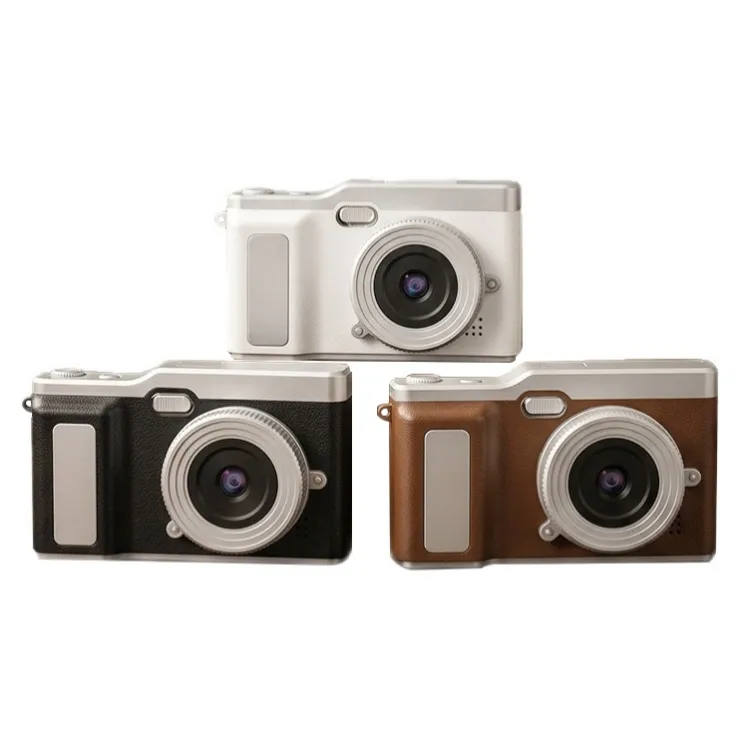
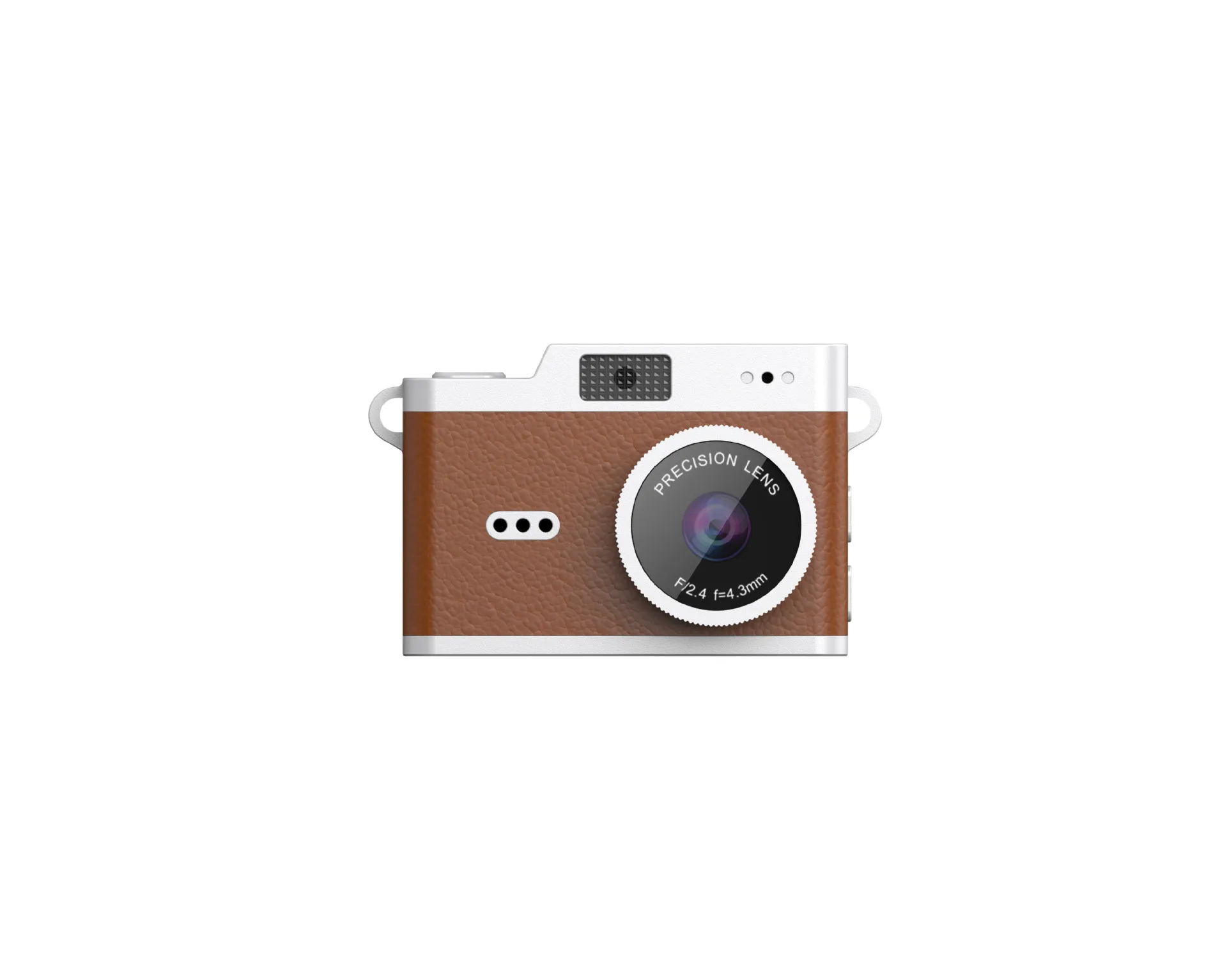
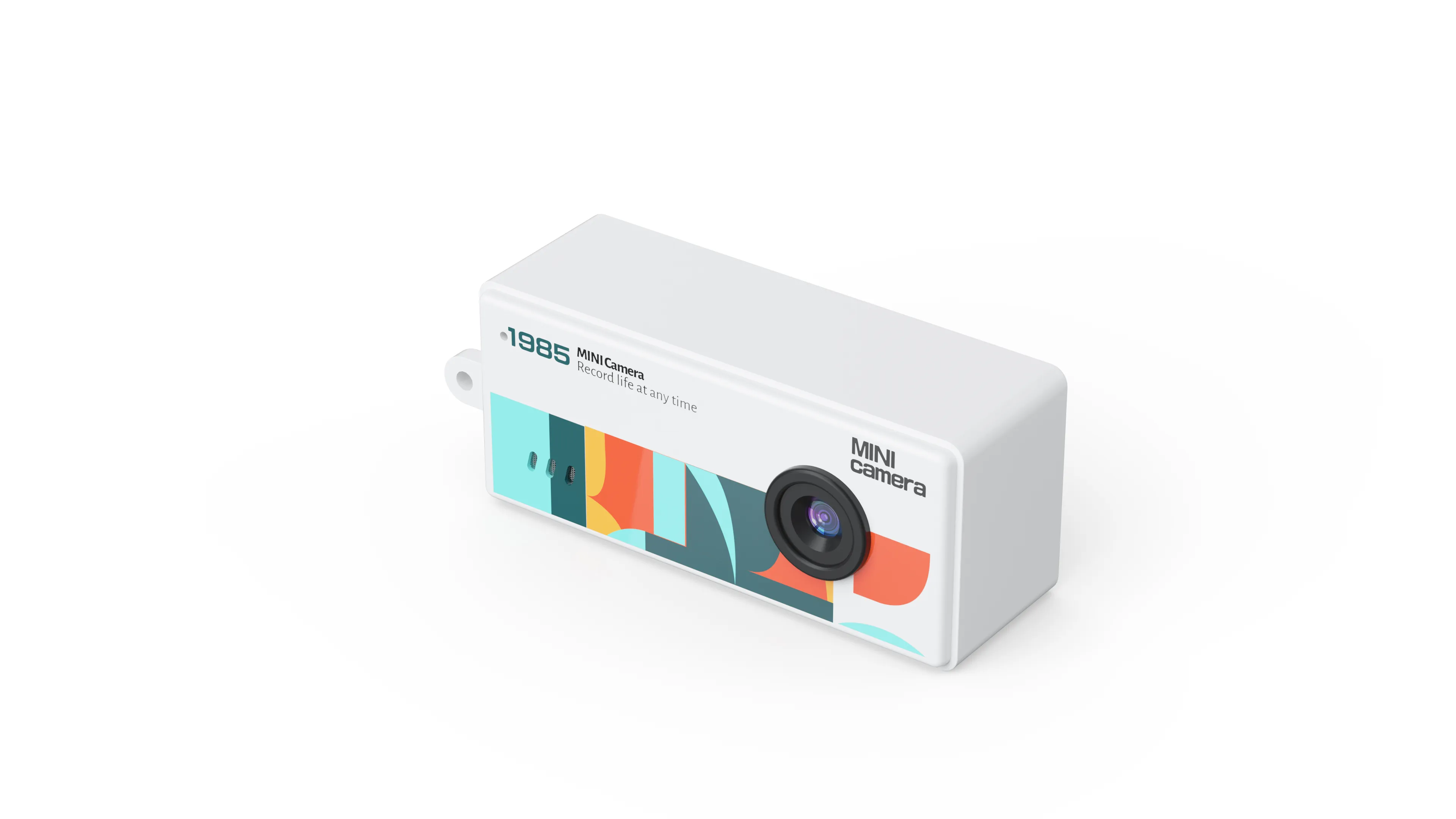
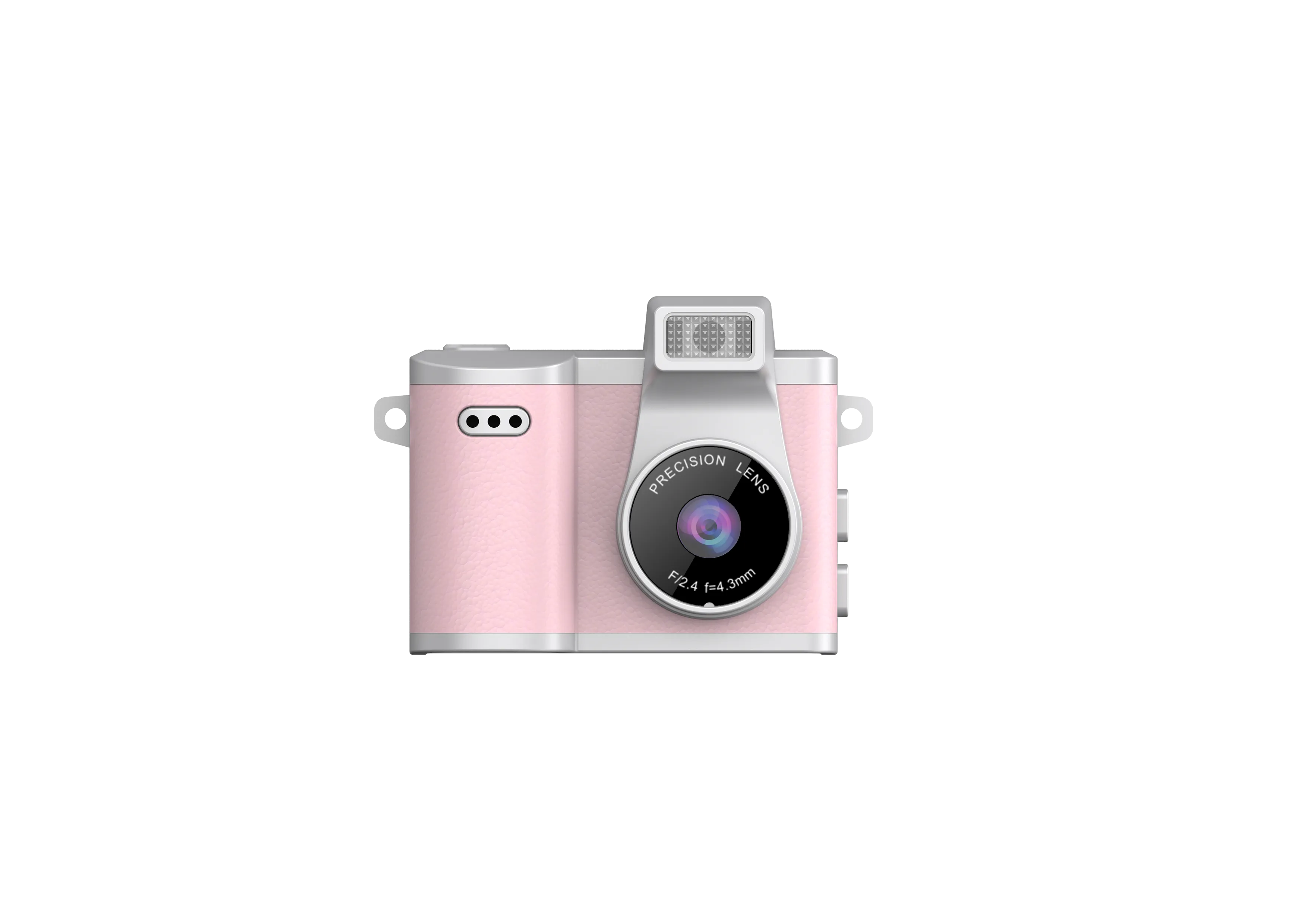
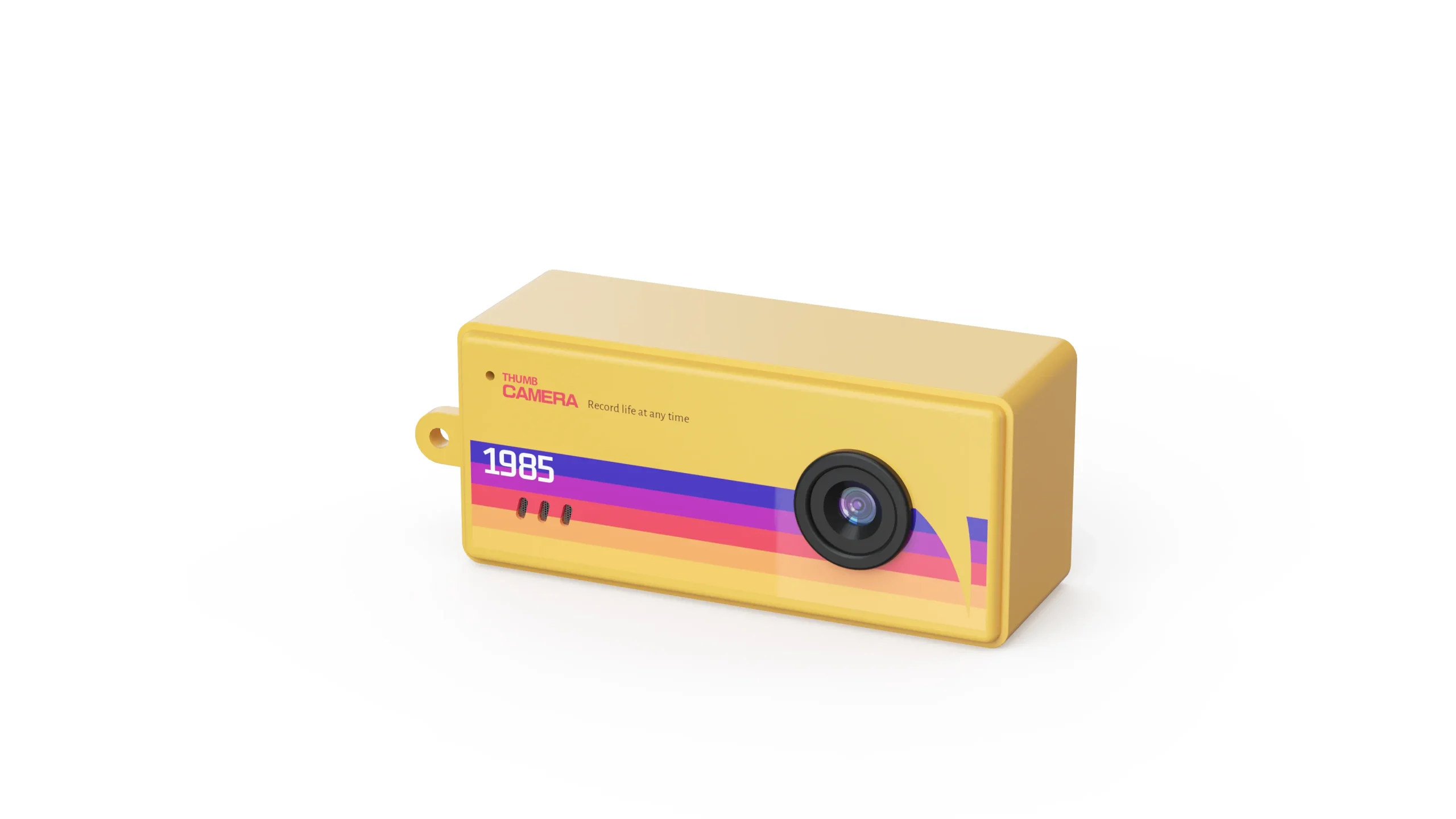
Teen buyers keep a foot in two worlds: they grew up on phones, yet a small camera earns a place in a jacket pocket. Wholesale buyers who serve that crowd face one decision at the start of sourcing: whether the display belongs on the device at all. A screen free digital camera shoots first and shows the pictures somewhere else, and that single change shapes price, battery life, and the way a young user experiences the camera. This guide walks through the category, the teen market around it, and the checks that protect an order.
The Screen Free Category, Defined
A screen free digital camera drops the rear display from the body. The shooter frames by instinct or by the mark on the front, presses the shutter, and reviews the files later on a computer or a phone. The idea borrows from the disposable film habit: the wait between the shot and the reveal is the point. Parents like it because a child stays in the moment instead of hunched over a preview panel. Buyers like it because one part less means a lower build cost and a longer charge.
Screen free digital cameras also ship light. A 200 mAh cell powers the smallest card bodies (the AC-5 weighs 19.5 g, the AC-8 21 g, the AC-7 22 g), and removing a display from that bill of materials frees budget for a better sensor or a nicer finish. OEM buyers should treat the term as a build question: ask the factory to quote the body with the display omitted, confirm which sensor and storage options survive the change, and check how files move off the camera without a preview. Small card bodies with a tiny status display sit one step away from this category, and a spec sheet edit can move a model across the line.
Teen Buyers Drive the Category
Resellers underestimate how much of this market runs on teenagers. A digital camera for teenager gifting sells on look and weight before it sells on resolution, and the Y2K revival put card shaped bodies back into mall kiosks and gift shops. Listings built around digital cameras for teens convert when the photos show the camera in a hand, at a party, next to a phone, because the buyer imagines the same shots.
The words inside a listing matter as much as the hardware. A digital camera teens trust is one their friends already carry, so color depth and bundle contents do the selling. Stock two or three pastel finishes, add a wrist strap in the box, and the same body moves from shelf warmer to repeat order.
Specs That Move at Wholesale
Judge a teen digital camera by weight and pocket fit first. Every card body in our line carries a 0.96 inch IPS display, Type-C charging, and a TF card slot that accepts 32 GB cards, and the whole set ships under 25 g. Six finishes come stock on the AC-7 (black, white, blue, green, yellow, red), so a card body for teens can match a season’s trend without new tooling.
Resolution starts at VGA (0.3 megapixels), and OEM orders can step up through 1 to 5 megapixels, video from 480P to 4K, frame rates of 15 or 30 fps, digital zoom to 16X, and sensors from 1/4 down to 1/10 inch. Each spec bump raises unit cost, so match the tier to the shelf price you plan to defend. Connectivity stays simple by design: WiFi on 2.4 GHz supports app viewing inside 10 meters on models that carry the module, and the line ships with no cellular option at all.
Keep the base numbers close when you build a quote:
| Model | Weight | Display | Battery | Storage |
|---|---|---|---|---|
| AC-5 | 19.5 g | 0.96 inch IPS | 200 mAh | TF 32 GB |
| AC-8 | 21 g | 0.96 inch IPS | 200 mAh | TF 32 GB |
| AC-7 | 22 g | 0.96 inch IPS | 200 mAh | TF 32 GB |
| AC-3 | 115 g | 2.4 inch flip | 700 mAh | TF 32 GB |
A teen card camera skips the top tier on most first orders, so the VGA base with a color upgrade covers the launch and leaves room for a version two.
The College Segment
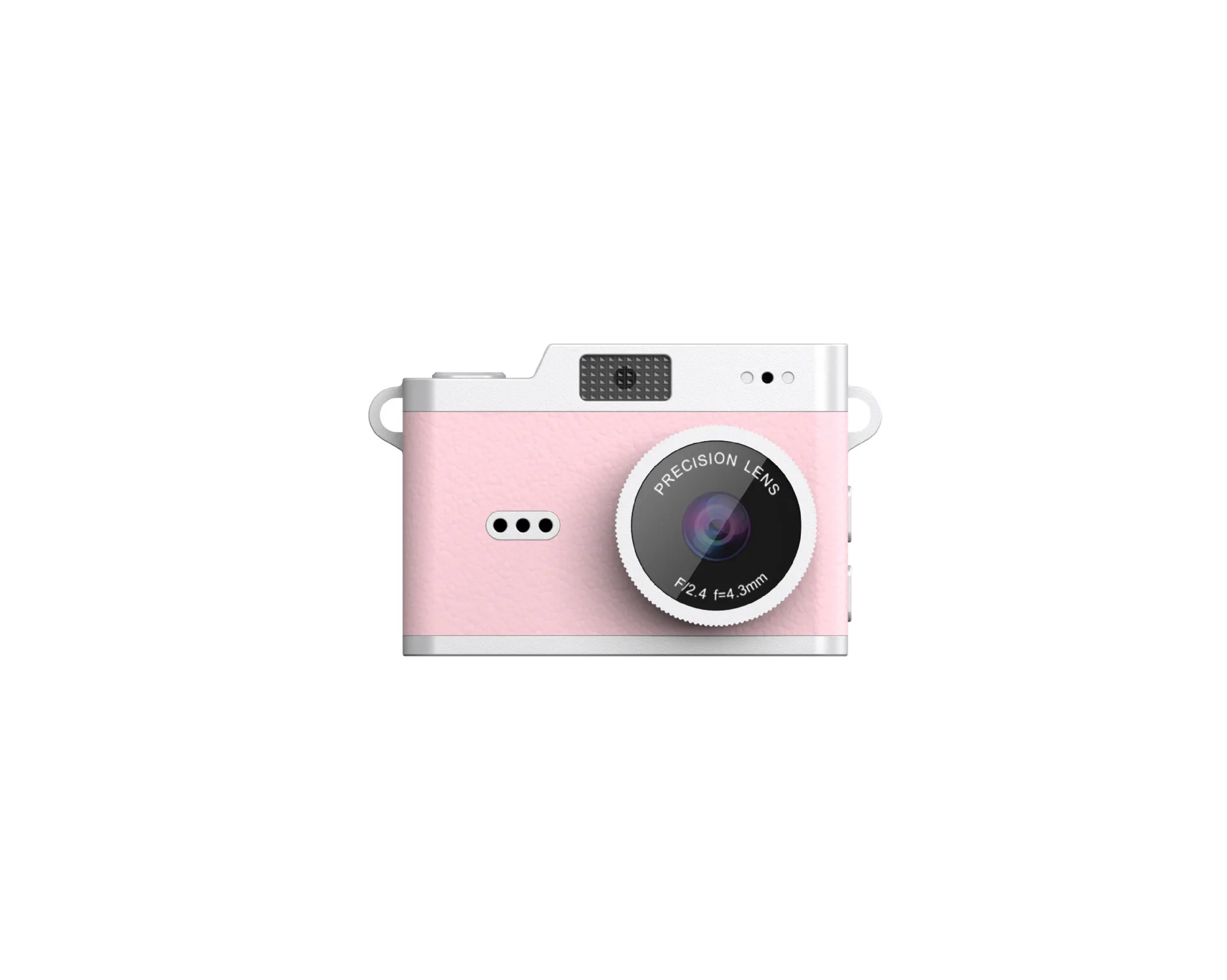
Campuses carry their own buying pattern. A digital camera for college girls reads as a pastel or retro body that photographs well next to a coffee cup, and order sizes follow dorm wide trends instead of single purchases. Retailers who bundle a strap, a 32 GB card, and a printed box see fewer returns, because the buyer gets a complete kit on day one.
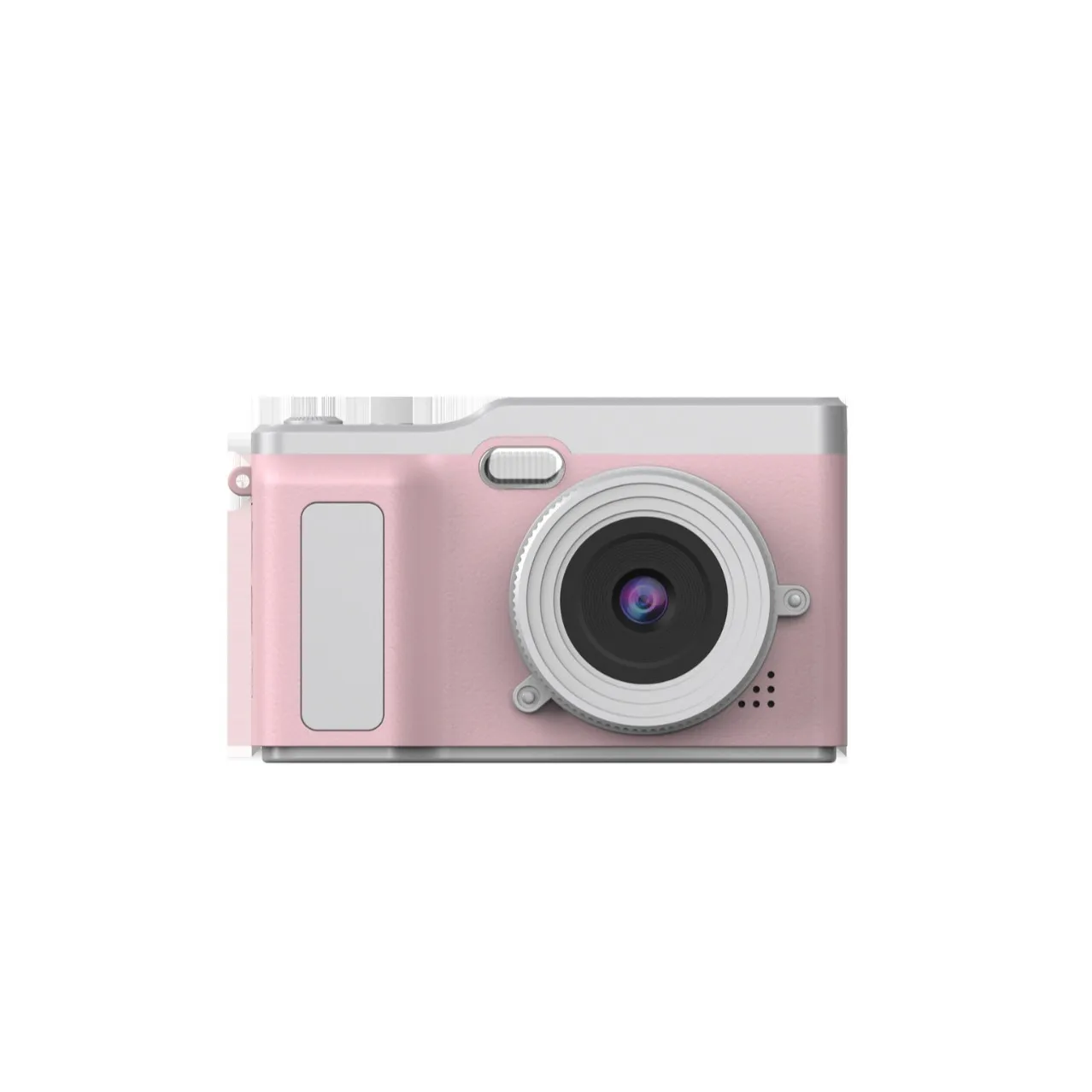
The same body answers the digital camera for teens query during back-to-school season, which keeps one stock unit working across two selling seasons. One mold, two demand waves, and no extra warehouse cost.
Search Terms and the OEM Question
Wholesale search data shows buyers typing screen free camera digital and landing on the same product class, so list both phrasings in your catalog copy. A digital screen free camera request on an RFQ means one build: no preview panel, files offloaded by card reader or cable, and a front face that still looks like a camera. Quote against that spec and skip the marketing framing.
For teen lines the reverse question matters as well. The AC-3 carries a 2.4 inch flip screen and a 700 mAh battery, which puts preview and playback on the device for buyers who want it. Offering both builds from one supplier lets a catalog cover the detox crowd and the review crowd without a second vendor.
Order Checklist Before You Commit
Certifications come first on any camera aimed at minors. Confirm CE, FCC, RoHS, and CPC (the US children’s product certificate) before a deposit, and get the certificate numbers in writing. Production runs 15 to 20 days at our plant, with two camera lines and a daily capacity above 2,000 units, so a seasonal order needs a lead time plan rather than a guess. Logo printing and laser engraving support small batch custom orders, we handle artwork files in house, and payment runs by TT (bank transfer). Shipping support and after sales service stay with the order after it leaves the line, which matters when a retail partner opens its second season and needs replacement units fast.
Send your target spec, target price, and target market through our contact page and request a quote. The digital camera product center lists every body we build, and the AC-7 card camera page shows the six stock finishes most teen lines start from.

The JSRD Editorial Team creates practical B2B guides for importers, brand owners, and Amazon FBA sellers sourcing digital cameras from China. Our content covers OEM/ODM customization, product selection, and sourcing decisions for camera products.