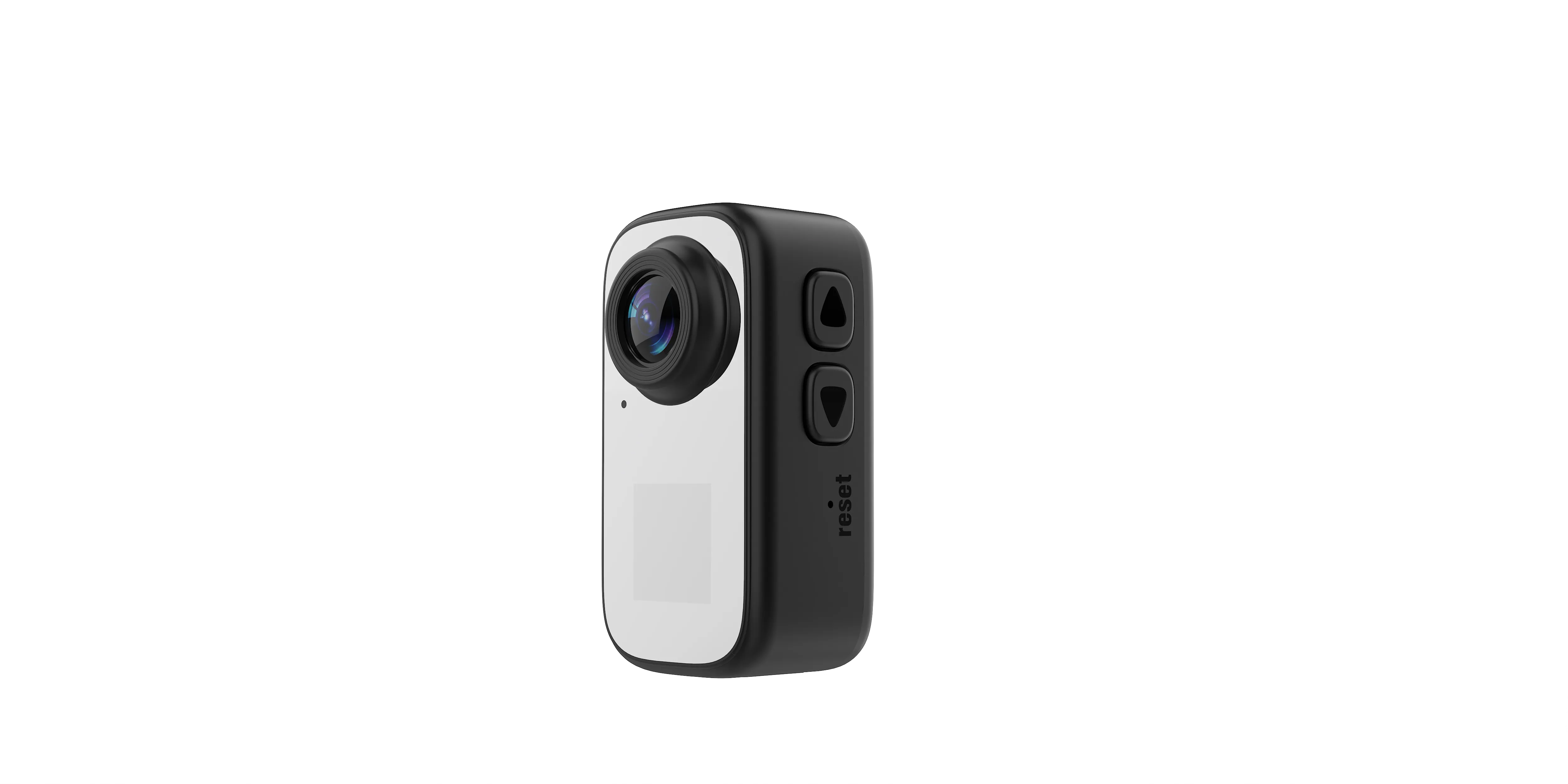
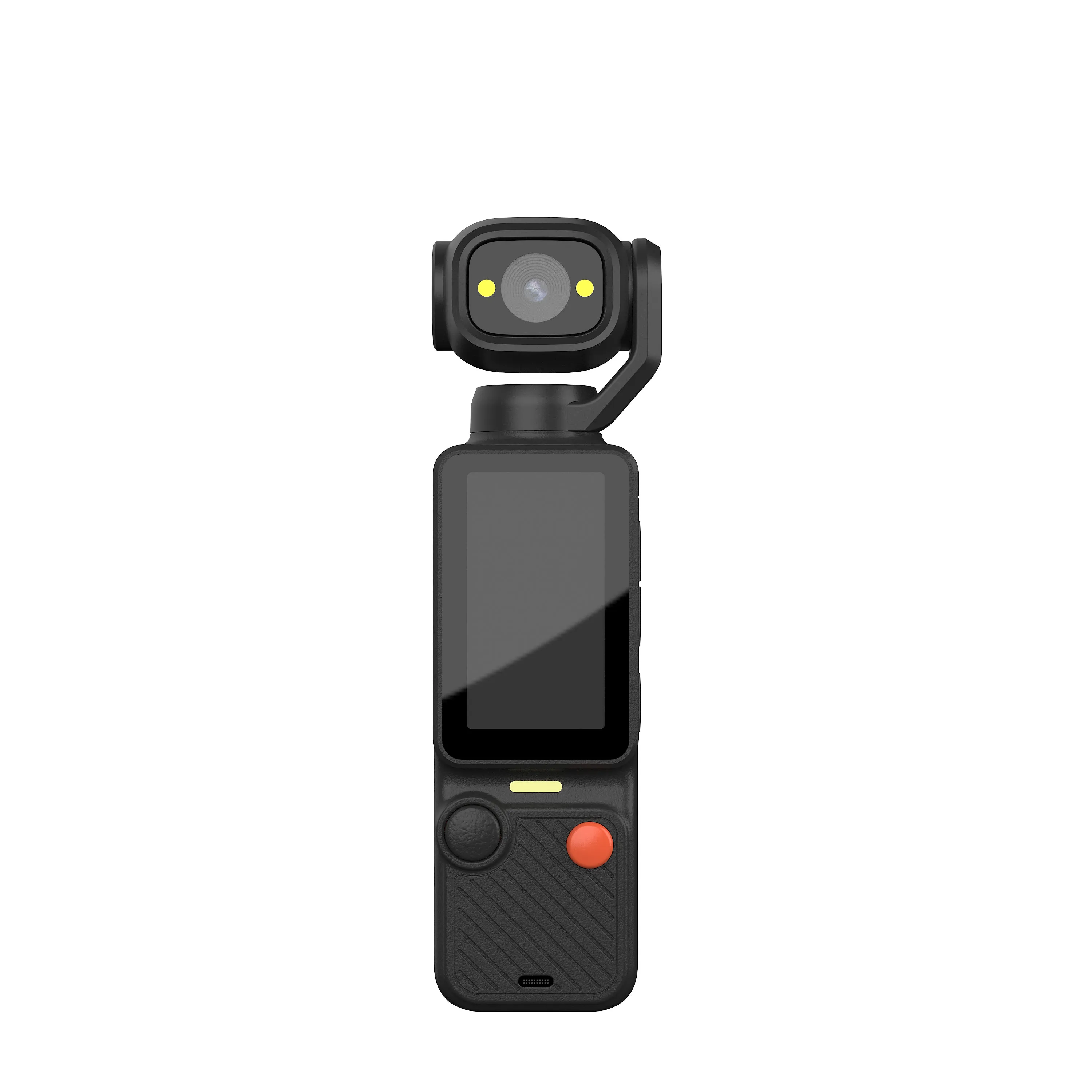
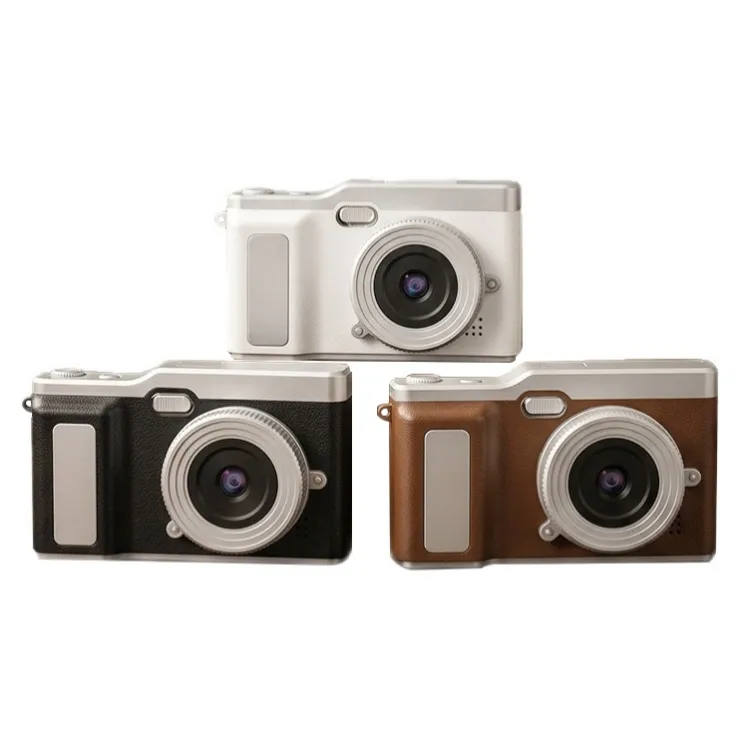
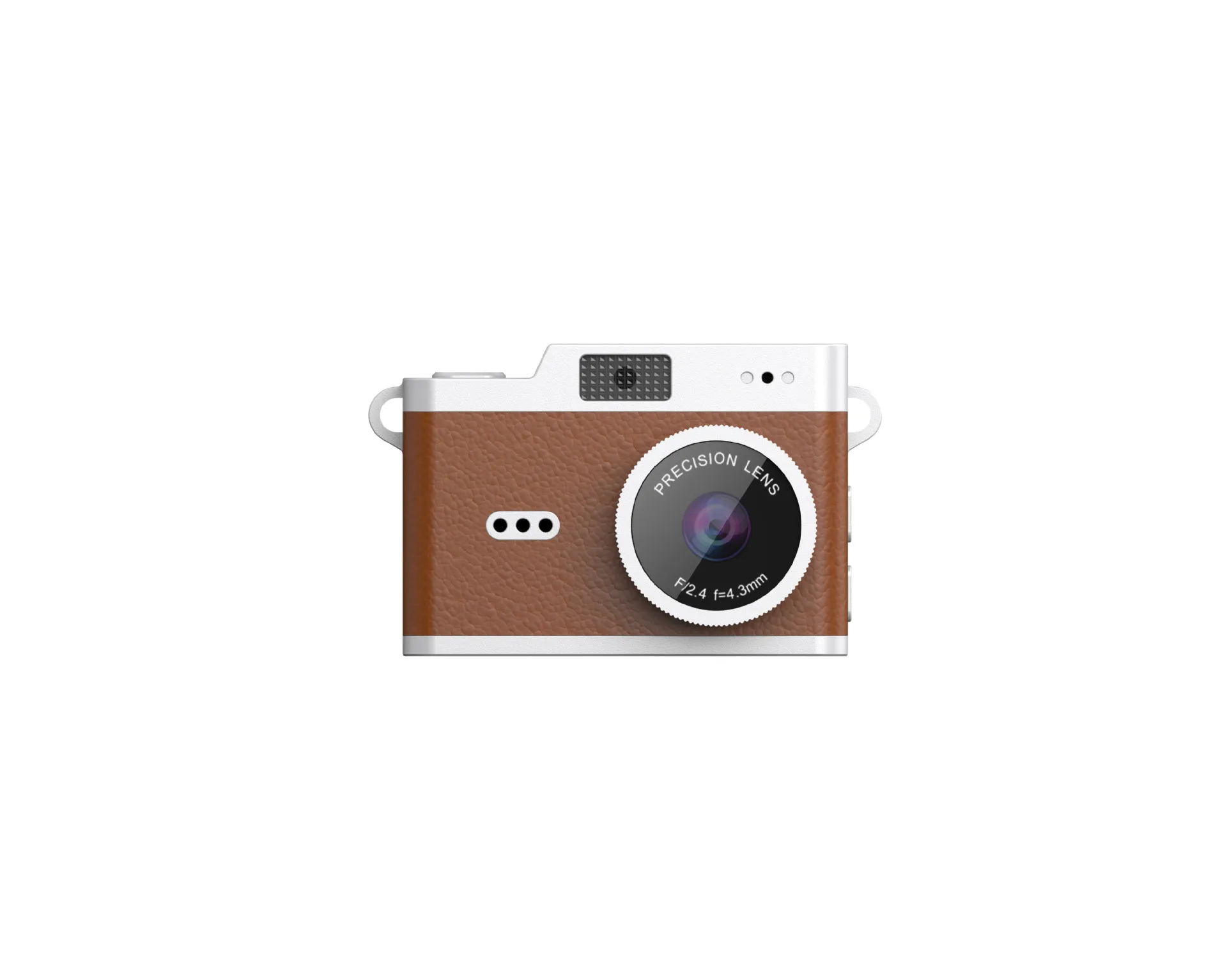
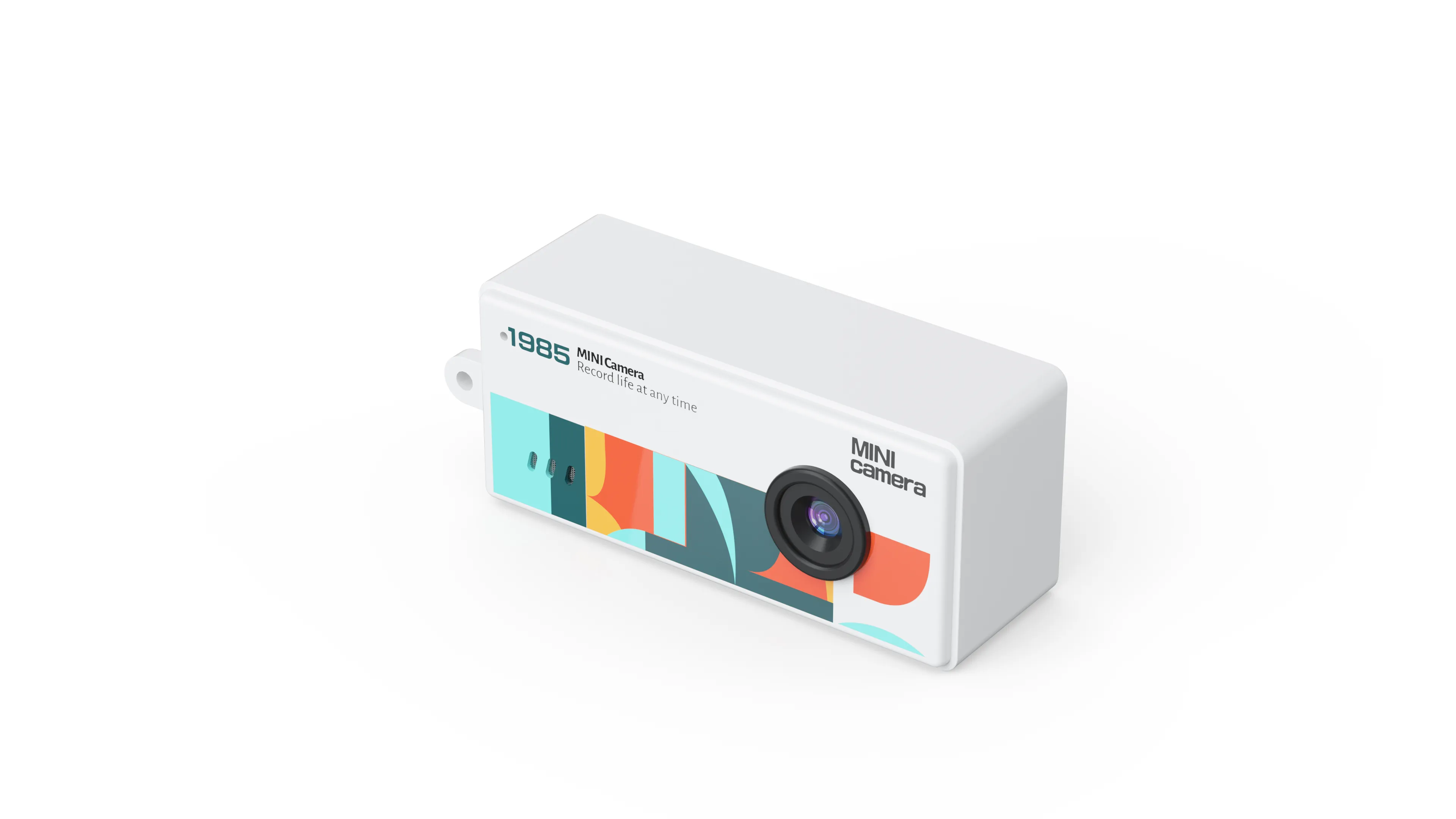
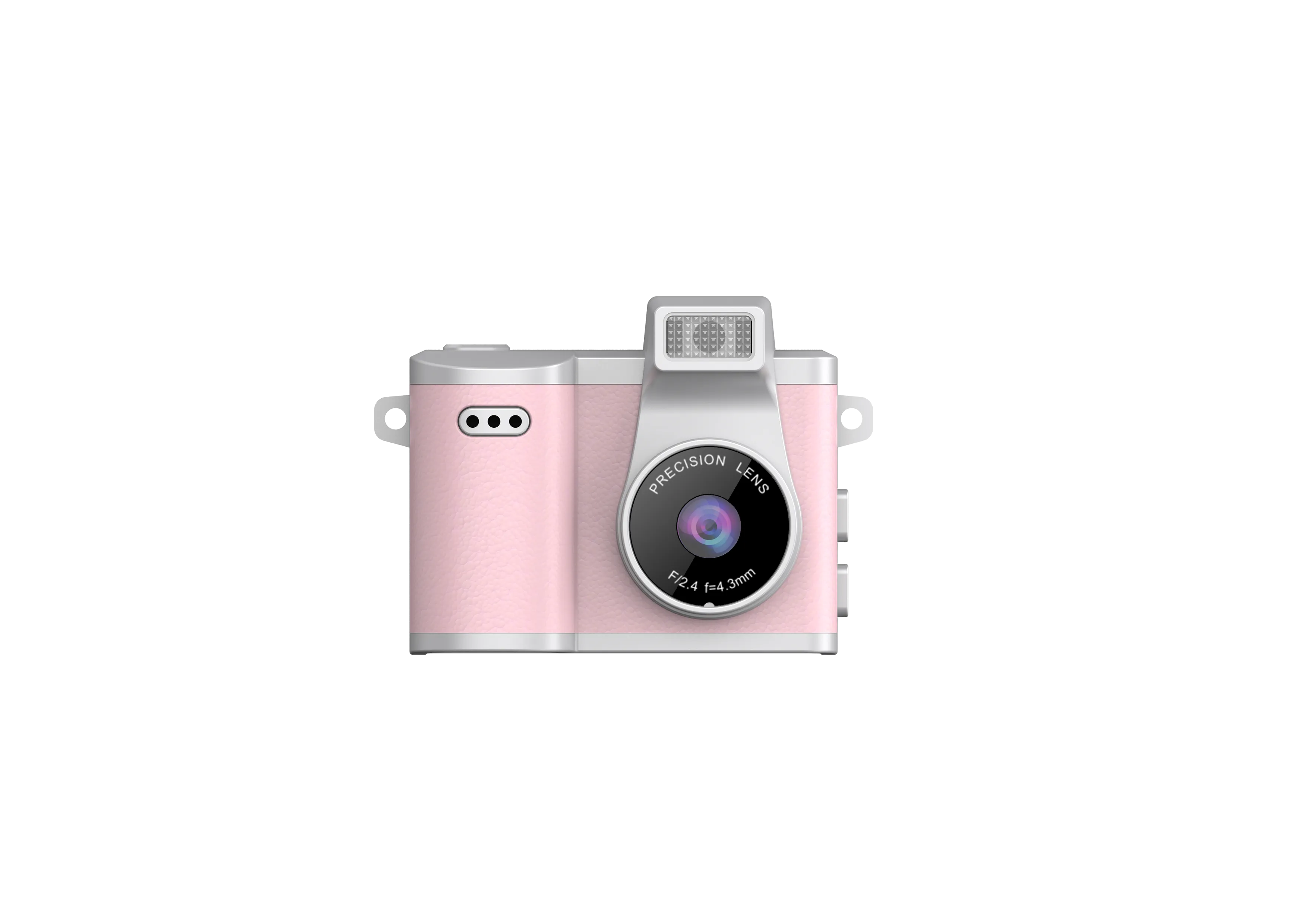
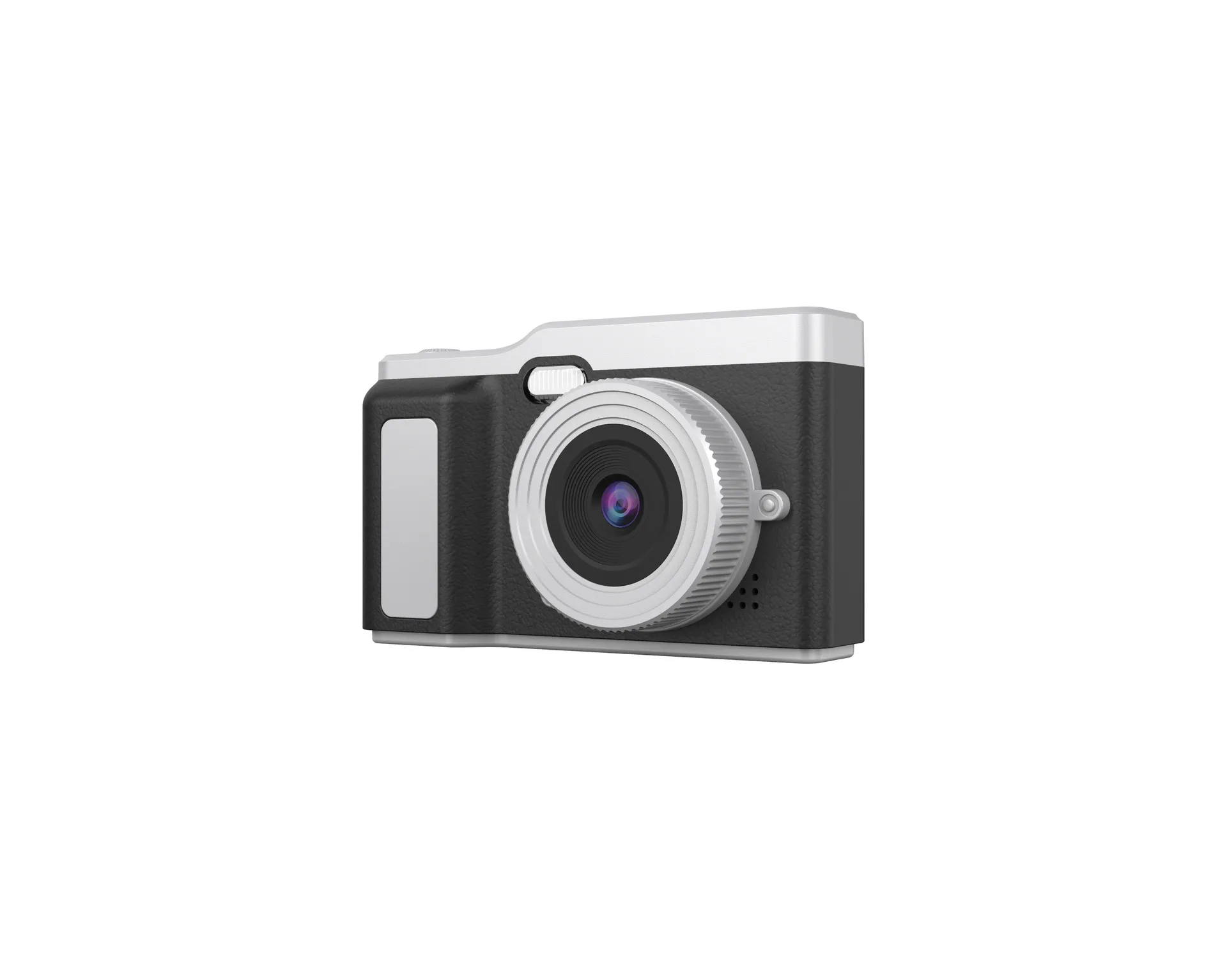
Buyers searching portable mini camera and mini portable camera want a body small enough to carry and large enough to use. That range sounds narrow, and in practice it covers several distinct customers, from a shopper who wants a camera that fits a coin purse to a reseller who sells a complete travel kit. Our factory builds small camera body bodies, and the pocket class is the one where the specification sheet decides the sale fastest.
The pocket class exists because of weight, and the weight comes from the sensor, the lens barrel, and the battery. Each of those three shrinks, and each one costs something. A small pocket-sized unit that holds a usable sensor gives up zoom range. A body that keeps the zoom gives up some of the size advantage. Knowing which trade the customer accepts is what closes the order.
What Makes a Camera Pocket-Sized
Buyers searching small pocket size camera, small camera pocket, or pocket-sized unit small start from a number they saw in a listing, and they check whether the body fits the pocket they have. The first question on a product page should therefore be the exact size, not the word portable.
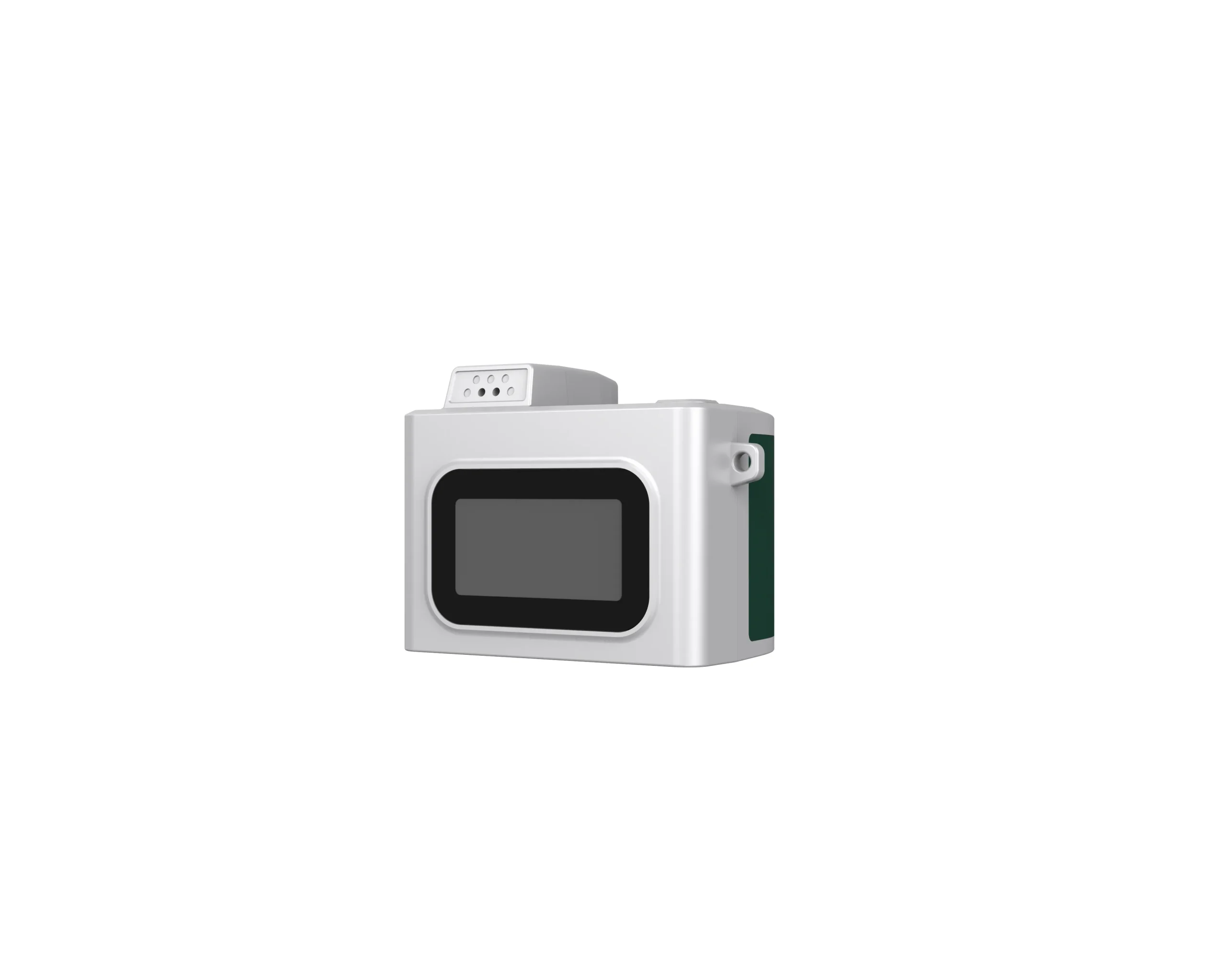
Three dimensions decide whether a body fits. The length decides whether it goes into a jeans pocket. The thickness decides whether it goes into a coat pocket without bulging. The weight decides whether the customer notices it in a bag all day. Give the millimeter figures and the gram figure, and the buyer can check against their own bag.
The tiny pocket-sized unit and the small pocket cameras search phrases cover the same question from the customer’s side. They want to know whether the body is small enough, and a reseller who answers with figures rather than adjectives ends the sizing question in one message.
Buyers searching a small camera that fit in your pocket are the clearest signal of intent. That buyer has a bag in mind already, and the quote should lead with the dimensions.
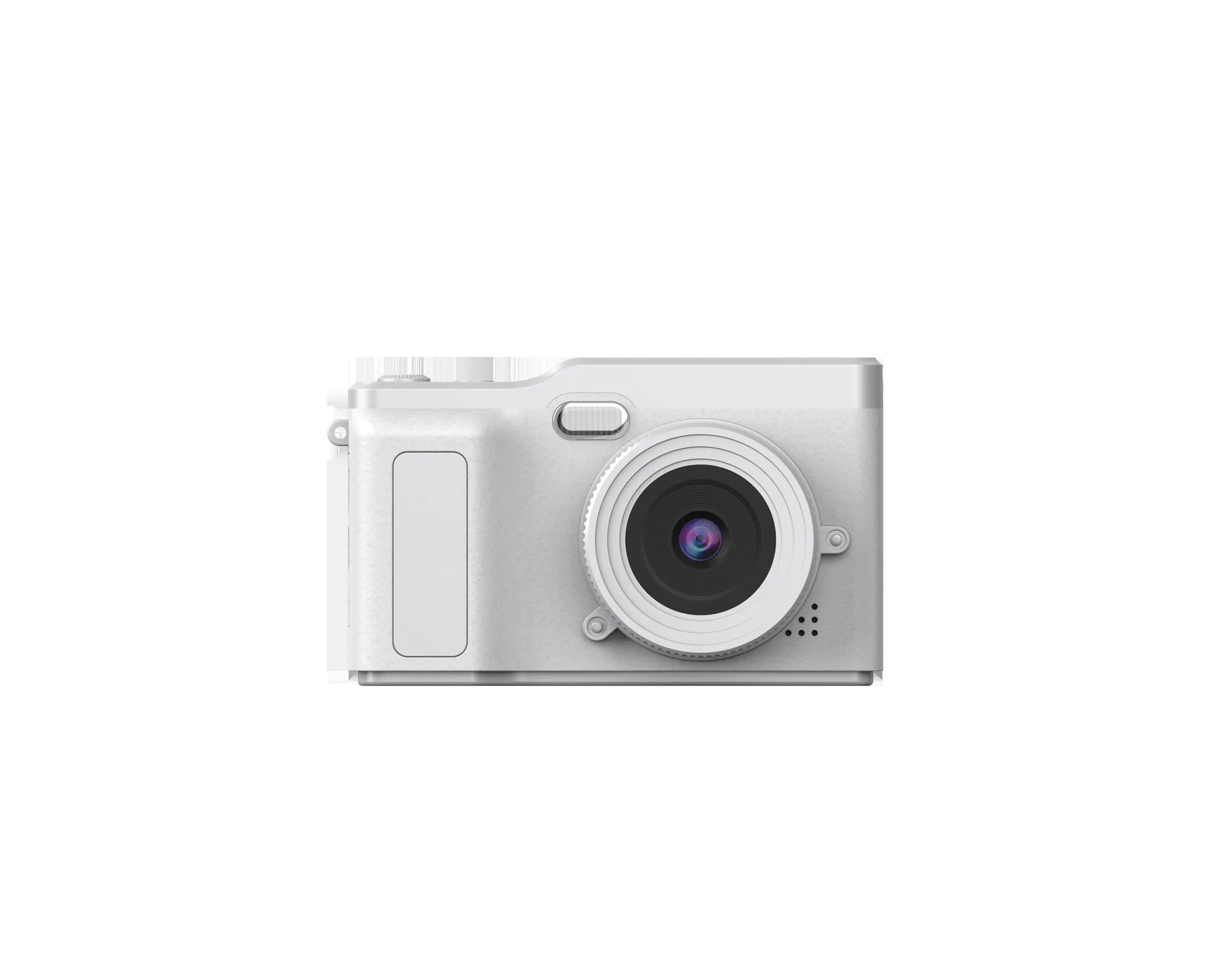
The Mini Class and Its Trade-offs
Buyers searching mini compact unit body and mini compact digital cameras want the smallest body that still takes a decent photo. The trade inside this class is consistent across every model.
Sensor size is the main lever. A larger sensor needs a larger body because the sensor sits on a physical plate with electronics around it. A small small camera body with a 1/4 inch sensor fits a pocket, and the result in dim light is noisier than a body with a larger sensor. Tell the customer this in plain words, because a pocket body sold on pocket size and then returned for image quality is a return the reseller absorbs.
Lens range is the second lever. A fixed lens takes less room than a zoom lens, and the frame stays the same in every shot. The mini compact unit body that carries a fixed wide lens suits a customer photographing food, people, and places. The customer who needs to frame a distant subject needs a zoom, and the body grows.
Battery capacity is the third. A small body holds a small battery, and a customer filming a full day needs to know the figure at the resolution they will record. Our pocket bodies run 200mAh, which covers a trip of short clips, and a customer filming without a break needs the number in writing.
Buyers searching small portable digital camera and camera portable mini compare these three levers, and a page that names all three converts better than a page that lists them without explaining.
Video Capability in a Mini Body
Buyers searching mini portable video camera, portable mini video camera, mini portable camera full hd 1080p, and mini pocket video camera are checking whether the body records well enough for their use. The pocket class records at 1080P in our range, and the frame rate matters as much as the resolution.
Buyers searching mini camera portable video recorder and mini portable video camera want the recording specification named on the page. Our bodies record at 15fps and 30fps, and a customer filming movement needs to know which one applies at the resolution they will use.
A pocket body with a flip screen suits a customer filming themselves, since the screen faces the subject. A body without one suits a customer filming the world. The small pocket video camera that has both converts better because the customer sees their own use in the page.
Buyers searching portable mini camera recorder are at the same point and want the same numbers, so the recording specification belongs near the top of the page rather than at the bottom.
The Wireless Mini Class
A specific segment wants the smallest body with wireless transfer. Buyers searching mini portable wifi camera are running a program where the customer shoots on the camera and posts from the phone, so the transfer has to work without a cable.
That segment needs three things confirmed. The body has to carry a wireless radio. The phone has to pair with it in a few steps. The battery has to survive a shooting session with the radio on, because an active radio drains faster than the still-photo figure suggests.
Buyers searching mini camera portable in a wireless context want the same, and a reseller who publishes the pairing steps on the product page removes the setup support ticket that follows most first orders.
The mini portable cameras search phrase covers both the wireless and the offline version, so the page should state which bodies carry the radio and which do not, rather than implying that every mini body has it.
Matching the Body to the Customer
Three customer types arrive with a pocket-sized unit search, and they have different requirements.
The traveler wants a body that fits a bag and covers a trip. The deciding specification is the battery figure and the storage format, because the customer buys the card in the destination country.
The everyday shooter wants a body in a handbag or a coat pocket. The deciding specification is the weight and the flip screen, because the customer films people more than landscapes.
The content creator wants a body they can hold one-handed while filming themselves. The deciding specification is the screen and the wireless transfer, and this customer accepts a smaller sensor because the video side matters more to them.
Buyers searching small pocket digital camera land on the product page, and the page should sort the three cases rather than present one body for all of them.
Specs to Confirm in Writing
Pocket-sized unit orders fail on a missing measurement. Confirm these in writing before the first production run.
The body dimensions in millimeters and the weight in grams. The sensor size and the resolution the body records at. The lens focal range and whether it zooms. The frame rates the processor supports at each resolution. The screen size, the type, and whether it flips toward the subject. The battery capacity tested at the recording resolution you will advertise. The storage format and the maximum card capacity. Whether the body carries a wireless radio and how the pairing works. The certification set your market requires. The color count and the minimum order quantity per color.
A pocket-sized unit listing without the dimensions generates the most avoidable support questions in this class, because every customer measures against their own bag.
Turning the Pocket Search Into an Order
Resellers who publish the measurements at the top of a pocket-sized unit page close more orders from the same traffic, because the customer stops asking whether it fits and starts asking about the price.
Two listing structures work. The first is a single page with the dimensions, the weight, and the recording specification at the top, followed by the use cases. This suits a customer who knows the size they want.
The second splits the traffic by customer type, with one page for the traveler and one for the content creator. This suits a reseller whose customer base has a clear split, and it lets each page lead with the specification that matters to that buyer.
Our AC-7 keychain camera covers the smallest end of the class, with a body light enough for a keychain. The AC-3 flip-screen body covers the everyday shooter, with a screen that faces the subject. Our full camera lineup shows every body class, and the contact page takes your quantity and target market.
Send us the customer segment you serve and the measurements your buyers check, and we will send a spec sheet for the body that matches. The small pocket digital camera that fits the bag sells more than the one that only sounds portable.

The JSRD Editorial Team creates practical B2B guides for importers, brand owners, and Amazon FBA sellers sourcing digital cameras from China. Our content covers OEM/ODM customization, product selection, and sourcing decisions for camera products.