
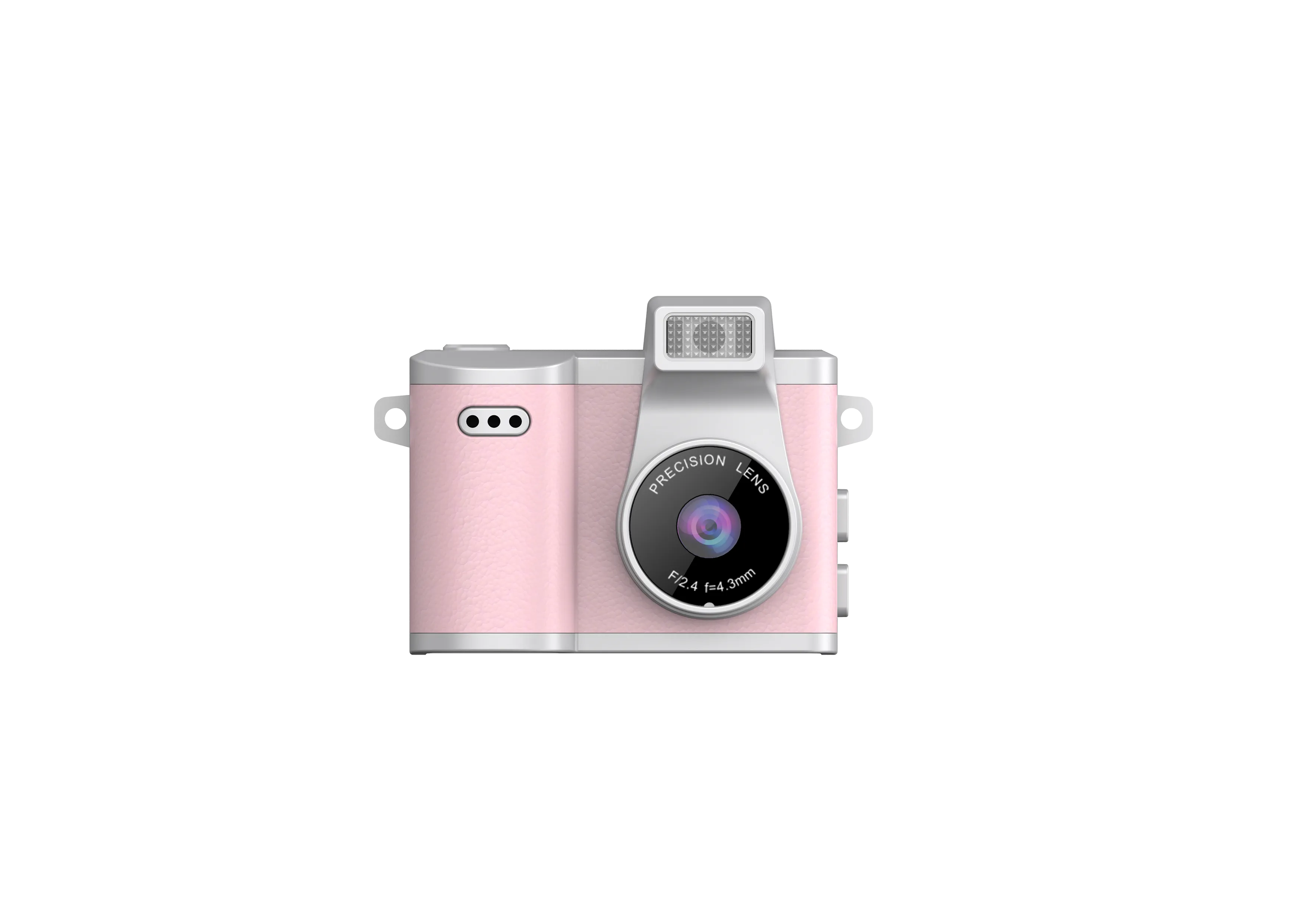

4K action cameras open the results page
Marketplace filters sort by resolution first, and 4K action cameras now lead most sports and outdoor categories on retail platforms. Wholesale buyers feel the pull from two directions: retail customers ask for the number, and competitor catalogs quote it on every listing they see.
A new 4K action camera project still stands or falls on the same lines as any camera order: sensor, frame rate, and the honesty of the spec sheet. This guide works through the checks a B2B buyer should run, from codec support to low light behavior, before committing capital to a high quality action camera order.
The resolution behind the 4K label
4K on an action camera means 3840 by 2160 pixels, four times the pixel count of 1080p. A native 4K action camera reads that count straight off the sensor, while a scaled build renders 1080p and stretches it to fill the frame. Both ship in the market, and both get labeled the same way, so the buyer chasing the highest quality action camera label asks which process sits behind the spec.
Listing language gives the game away if you read it with this in mind. Phrases such as real 4K action camera or true 4K action camera exist because scaled footage flooded the category, and a supplier who uses them should be able to prove the difference on a sample card.
The label stack goes further. A 4K UHD action camera, an Ultra HD 4K action camera, and a 4K ultra action camera all describe the same 3840 by 2160 format, because UHD (Ultra High Definition) and 4K name one resolution in consumer electronics. Stacked versions such as 4K action camera Ultra HD add search volume without adding pixels.
Two more lines deserve attention. High definition action camera 4K pairings point at 1080p hardware with a 4K marketing sticker in most cases, and the misspelled form 4K ultra extral HD action camera appears on marketplace listings where the typo survived from the factory sheet. Treat both as signals to demand a sample before you price the order.
HDR (High Dynamic Range) sits on top of resolution. A 4K HDR action camera keeps highlight and shadow detail in the same frame, which matters for helmet footage shot against sky. Confirm with the supplier whether HDR runs in the firmware or lives on the box alone.
Frame rate and codec lines that decide smoothness
Resolution means little without motion handling. A 4K 30FPS action camera records 30 frames per second, the smooth standard for sports clips, while 15 frames per second entries cut file size and motion fidelity together. Some sheets print the rate tight, as in 4K30FPS action camera, and some shorten it further to 4K30 action camera; all three point at the same question, which is the real frame rate at full resolution.
Codec support changes storage math more than any sticker. A sport camera 4K H.265 build compresses video with H.265 (a codec that needs about half the storage of the older H.264 standard for the same picture), which lets a 256 GB card hold close to twice the footage. Ask which codec the firmware runs, then size the cards you bundle.
WiFi adds one more variable. A 4K 30FPS WiFi action camera streams live view to a phone while recording at full rate, and listings that write action camera 4K 30FPS WiFi repeat the same stack in a different order. Confirm the wireless range, and check whether the phone stream drops to a lower resolution while the card keeps the full file.
Low light and the three quality checks
Resolution shows its cracks in dim light. A low light action camera needs a sensor and image processor that hold detail at dusk, indoors, or under tree cover, and many scaled 4K builds collapse into noise there. Test every candidate in the lighting your customers shoot in.
Listings approach the problem from several angles: an action camera for low light scenes, affordable action cameras with good image quality, or an action camera with good sound quality for buyers who record commentary while riding. Each phrase names a different test, and each one belongs in your sample checklist.
Quality itself splits into three checks. Action camera image quality describes the footage: sharpening, noise, and color. Action camera picture quality refers to stills, where a 12 megapixel interpolated photo hides or exposes a weak sensor. Action camera photo quality questions arrive from end users after the sale, so the stills test protects your review score as much as the spec sheet.
Stills and video feed each other. A 4K action camera photography listing promises usable frame grabs, since a still pulled from 4K footage holds about 8 megapixels. Grab frames from sample footage and judge them at print size before you accept the claim.
A supplier who condenses all of this into the phrase action camera high quality owes you the test clips behind it. Two words carry no warranty; footage does.
Size classes: thumb, mini, and handheld
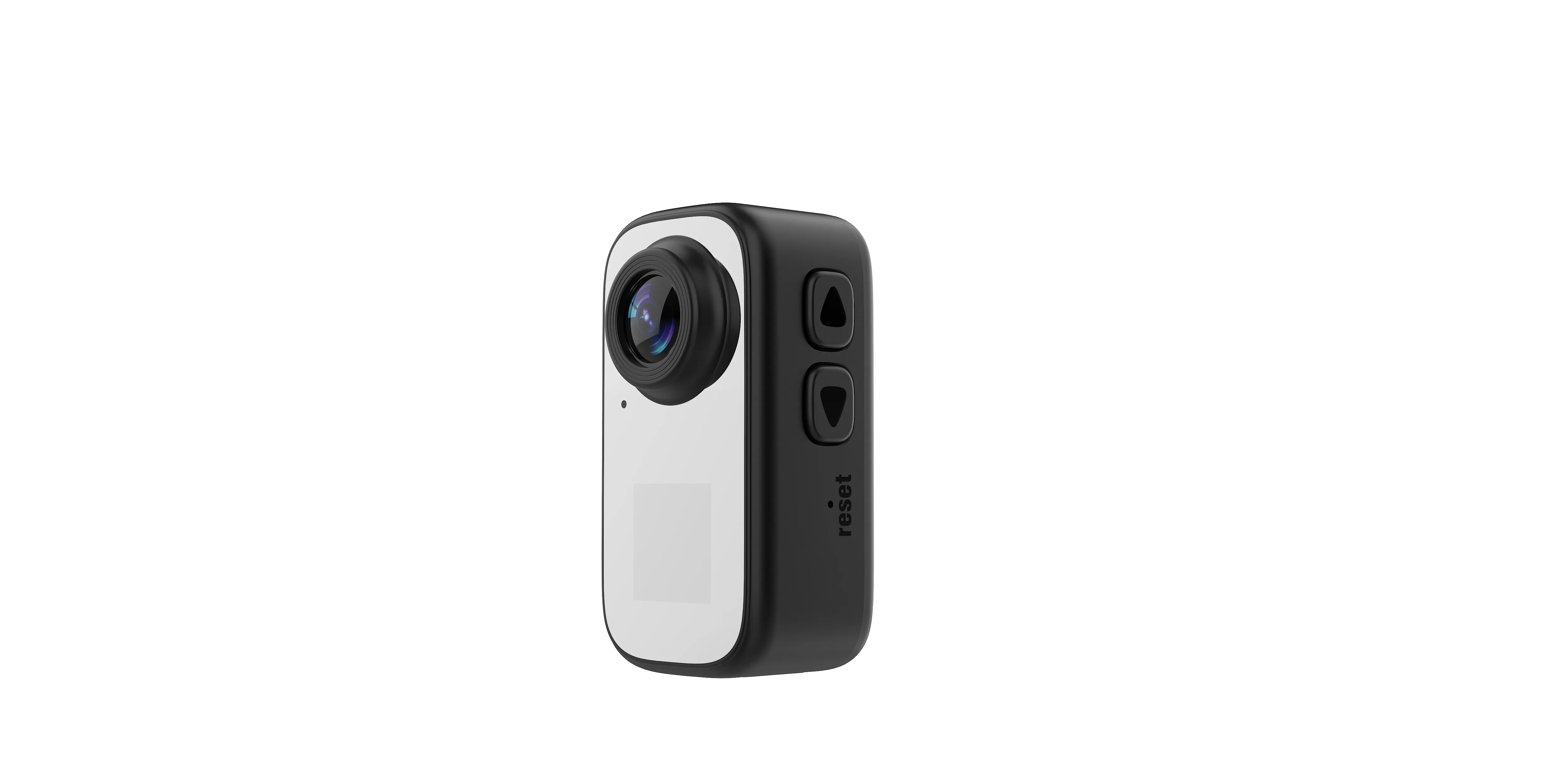
Form factor splits the 4K field as much as resolution does. The smallest 4K action camera bodies weigh tens of grams and hide under a helmet edge; the lightest 4K action camera builds trade battery size for that weight. Your channel decides which trade makes sense.
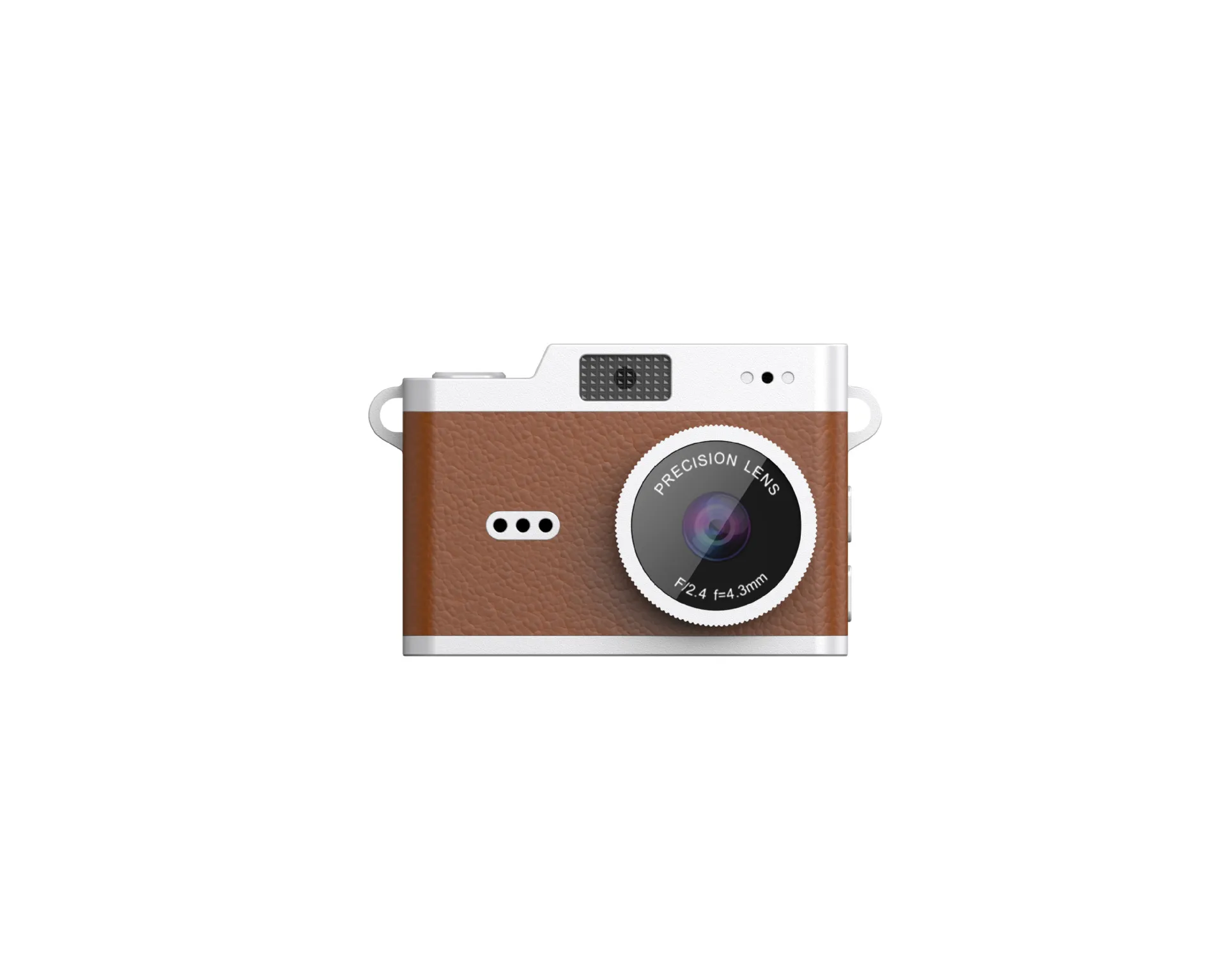
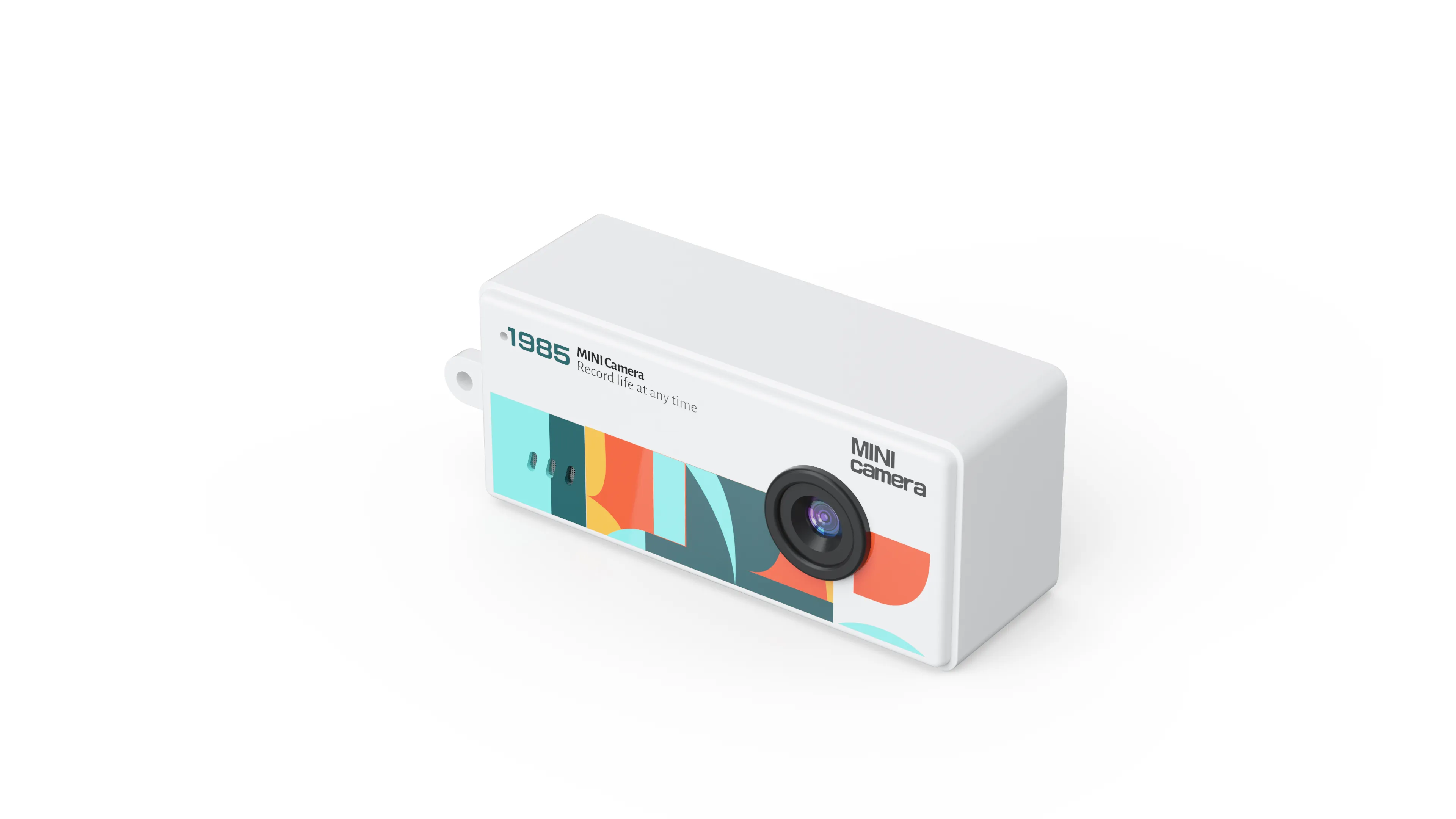
Listing vocabulary maps the classes. A 4K mini action camera, a mini 4K action camera, and a mini action camera 4K all name the same palm-size class in different word orders, the same way small action camera 4K, small 4K action camera, and tiny 4K action camera describe one shelf of bodies with grammar alone.
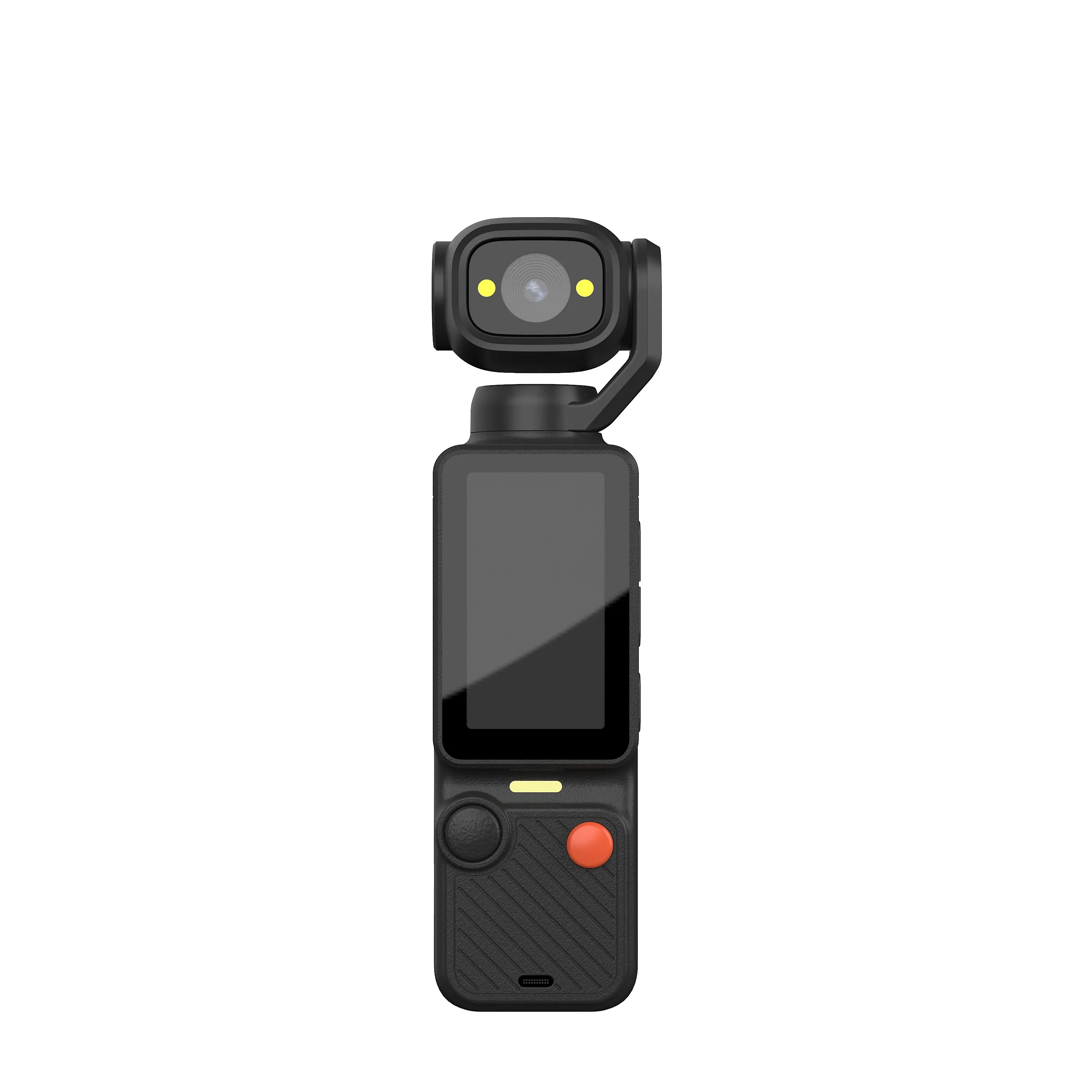
The extremes get their own searches. Smallest action camera 4K queries chase record holders, thumb action camera 4K describes the AC-18 class of wearable body, and a handheld action camera 4K listing means a grip-friendly unit in most cases rather than a mountable one.
POV (point of view) work sets its own rules. A POV 4K action camera mounts on a chest strap, a bike bar, or a pet collar, and the wide lens does more for the shot than the pixel count does; the AC-18, for comparison, ships with a 123 degree wide angle lens. Check the field of view number before the resolution claim.
Feature pairings that sell the sensor
Wireless preview moves units. A 4K WiFi action camera pairs with a phone app for live view and clip transfers, and the search stream splits the same product into a 4K action WiFi camera and a 4K sports WiFi action camera depending on the shelf. On the AC-18 platform the connection runs on 2.4 GHz WiFi with live viewing inside 10 meters, so set buyer expectations around close-range preview rather than long-distance streaming.
Screens sell the build in store displays. An action camera 4K dual screen listing means a front status panel plus a rear touch panel, and the mirrored phrase 4K dual screen action camera names the same hardware. The compact variant reads sport action camera 4K 2 LCD screen, where 2 LCD spells out the two panels.
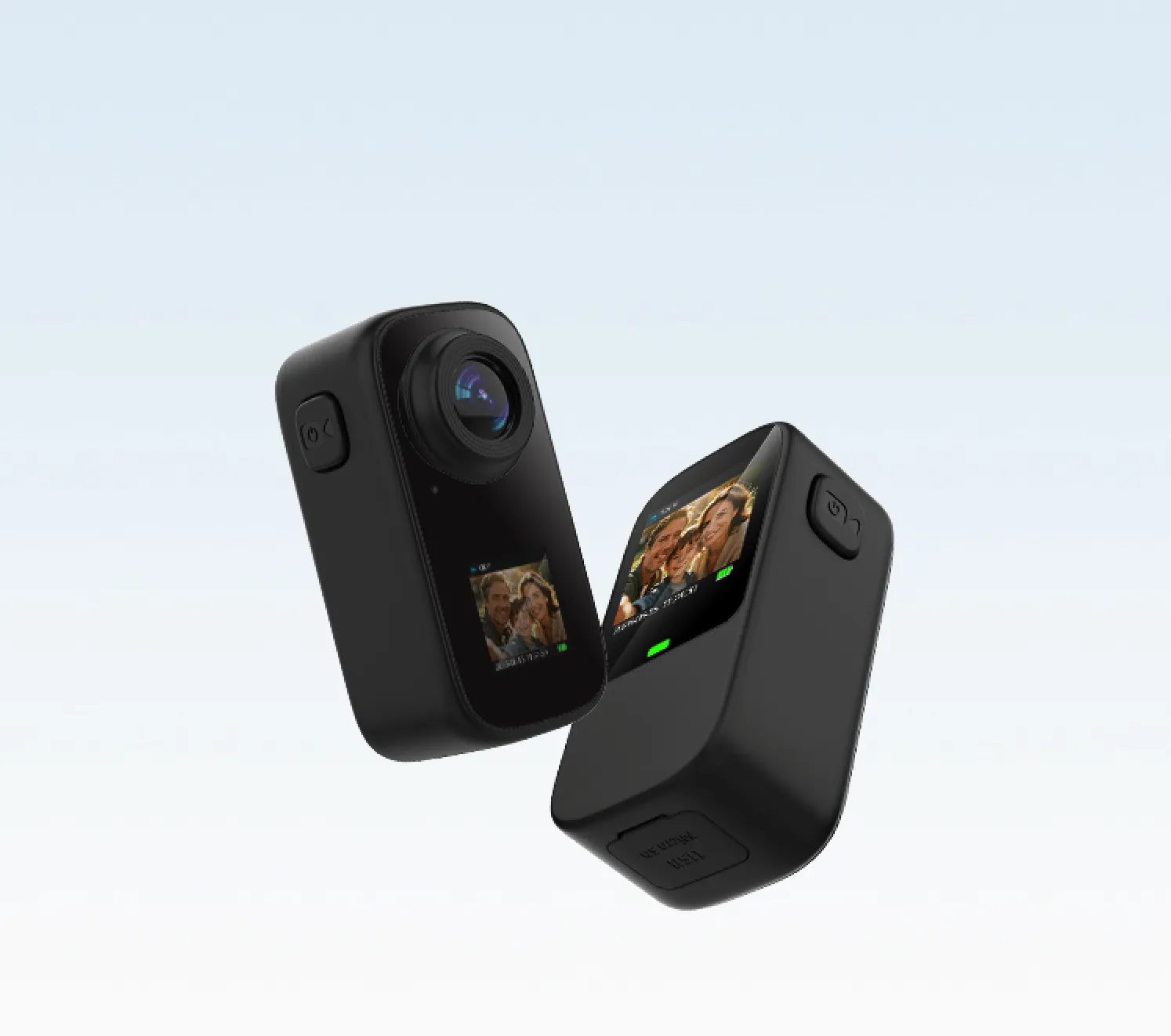
Touch input and zoom round out the feature sheet. A 4K touchscreen action camera lets users change modes without a phone, and zoom searches split between 4K action camera with zoom and camera action 4K zoom word orders. The customization sheet at our factory scales zoom up to 16X, so a catalog can promise reach without promising a periscope.

Audio is the silent dealbreaker. A 4K action camera with external mic input serves riders and instructors who narrate while recording; bodies without the port push wind noise straight into the track. Ask for the mic test clip early, because firmware cannot add a port later.
Water claims and proof of use
Water claims need hardware behind them. A listing that says camera sport 4K water in its title should name the case depth in the same breath; the AC-18 high configuration ships with a waterproof case rated to 30 meters, while the standard body carries no water rating at all. Publish the depth as tested, because return claims start where the case ends. The full checklist lives in our waterproof action camera guide.
Mount ecosystems close the sale. An action sports camera WiFi 4K 1080P HD string in a title tries to catch several searches at once, and it often signals a bundle: camera, mounts, and case boxed together. Bundles move well in gift retail, provided the mount quality matches the camera.
Reading listing grammar before you price
Search bars flatten product language, and 4K action camera listings splinter into dozens of word orders. Knowing the pattern helps you read a supplier catalog fast and spot copy-paste pages.
Sports-first orders lead the group: sports camera 4K, sports 4K camera, action cameras 4K, 4K sport camera, and 4K sports action camera all pull the same body up in different sequences. A supplier whose listings carry several of these forms is reusing one product sheet; ask for the master spec once and compare the rest against it.
Camera-first orders follow: camera 4K action, 4K camera action, action camera 4K camera, 4K camera sports, and camera sports 4K. The doubled form, action camera 4K camera, comes from a template that glued two search phrases together, and it tells you the seller wrote the listing for the search bar rather than for the shooter.
Mixed orders fill marketplace pages next: 4K sport action camera, action sport camera 4K, sports 4K action camera, and sports action 4K camera. The same bodies return in yet more sequences: camera sport action 4K, action camera sport 4K, action camera 4K sports, camera action 4K sports, and 4K action sports camera. Sort listings by sensor size and frame rate instead of by wording, and the field collapses to a handful of real options.
Video-first strings behave the same way too: action video camera 4K, 4K action video camera, and 4K video action camera lead the group, with action camera 4K video and camera video sport 4K close behind. Buyers who type these forms are comparing recording bodies, so answer with recording samples rather than design renders.
Pro-styled names need a brand check. A 4K sport pro camera or an action camera pro 4K search often lands on products carrying the Action Pro brand, a third-party label. Make sure your own listings state the OEM (original equipment manufacturer) position in plain words, so buyers know whose badge the box carries.
Label strings stack adjectives: action camera 4K HD and sport camera HD 4K describe 1080p-class hardware wearing a 4K badge half the time, while camera 4K ultra HD sports and 4K sports camera ultra HD quote the full stack for the algorithm. Compare resolution, frame rate, and codec lines in that order.
A few strings resist grammar altogether. The listing fragment action camera 4K+ markets a 4K-plus tier with no technical meaning, and sports cam 4K action camera chains three labels into one title. Neither harms the product underneath, but both tell you the seller writes for the search bar first.
Stacked ultra HD strings and the budget tier
Stacked strings dominate the low end of search: sport action camera 4K ultra HD, sports 4K ultra HD action camera, and sports action camera 4K ultra HD appear on listings that compete on price first. The stacking itself costs nothing, which is why it clusters there.
Budget positioning follows the same logic. A budget 4K action camera search and its mirror budget action camera 4K land on scaled-sensor builds in most cases, where the 4K label carries the marketing weight. Buy into that tier with the scaling question from the earlier sections still open, and let the sample decide.
Ordering a 4K build from the factory
The customization sheet decides everything above. Resolution tiers run 480P, 720P, 1080P, 2K, and 4K; frame rates run 15 and 30 FPS; sensors run from 1/4 inch down to 1/10 inch. Choose the combination your channel can defend, then hold the sheet as the single source of truth for your listings.
Small batches keep the entry cost manageable. The factory supports white label and OEM orders with logo printing and laser engraving, the standard production cycle runs 15 to 20 days, and export payment moves by T/T (telegraphic transfer). Current lines carry CE, FCC, CPC, and RoHS certification.
Start with the platform page for the AC-18 thumb camera, compare body classes in our product center, then send a request a quote that lists the exact resolution, frame rate, and codec lines you want confirmed. A sample that passes your low light and case-depth tests is worth more than any stacked title string.
The number on the box is an opening question
Treat 4K as the opening question of a negotiation rather than the closing one. Test native against scaled, confirm the frame rate at full resolution, match the codec to the card size, and let sample footage argue for the spec. A badge you can defend on playback is the one that holds margin.

The JSRD Editorial Team creates practical B2B guides for importers, brand owners, and Amazon FBA sellers sourcing digital cameras from China. Our content covers OEM/ODM customization, product selection, and sourcing decisions for camera products.