A waterproof digital camera earns its place on the shelf in the spots where ordinary bodies retire: pool decks, boat rentals, fishing piers, and delivery routes that run through monsoon months. For a B2B buyer the category carries a specific risk, because a housing claim that fails in the field turns a fast-moving SKU into a container of returns. This guide sets out the checks that decide whether a unit survives the job, and it uses our own production line as the working example.
Wholesale interest in waterproof digital cameras keeps rising across three buyer groups at once. Outdoor gear distributors want sealed bodies for beach and ski seasons. Retail chains want a low-cost option that survives a kids’ aisle. Promo agencies want a camera that records a marathon or a mud run and goes home in a goody bag. The same unit can serve all three, but the spec sheet behind it has to answer a different question for each.
The Housing Claim Comes First
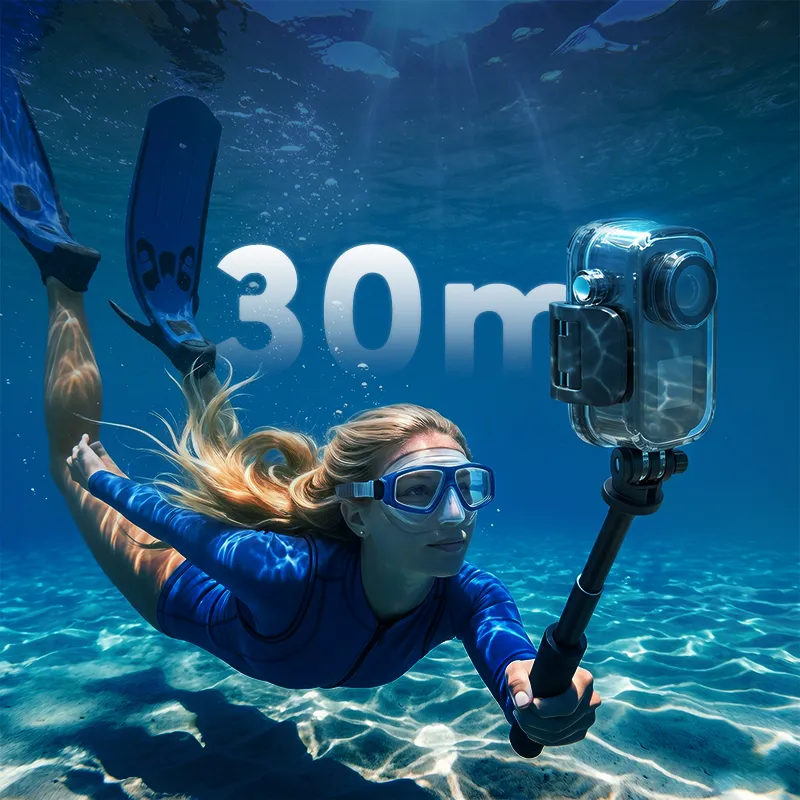
A factory earns the word waterproof through gaskets, sealed button membranes, and a locking case, and the difference between the three shows up in the price long before it shows up in the field. On our line the AC-18 high-spec version ships with a waterproof case rated to 30 meters, while the standard AC-18 carries no water rating at all. Both units leave the same assembly hall, so a buyer who leaves the housing line blank on the purchase order gets whatever the warehouse picks first. Write the depth figure and the case type into the PO, and ask the factory to photograph the closed case before packing.
Search reports split one demand pool across several word orders. The phrase waterproof camera digital returns the same product pages as digital camera waterproof, because the people typing them want the same sealed body. Treat the variants as a single demand column when you size the first order, and keep the housing question attached to each quote request.
The reverse forms keep coming. Digital waterproof camera draws its own query stream, and the plural order waterproof cameras digital marks the bulk-buy searches that distributors run ahead of a season. They feed one pool and one sourcing decision, even though the catalog language splits into many phrases.
Spelling drifts as well. The loose three-word form water proof digital camera shows up in marketplace listings and buyer inquiries, and resellers who mirror the loose spelling in their product titles collect that traffic at no extra cost. Keep both spellings in the listing sheet and let the product page carry the compound form.
Card Bodies and Pocket Formats
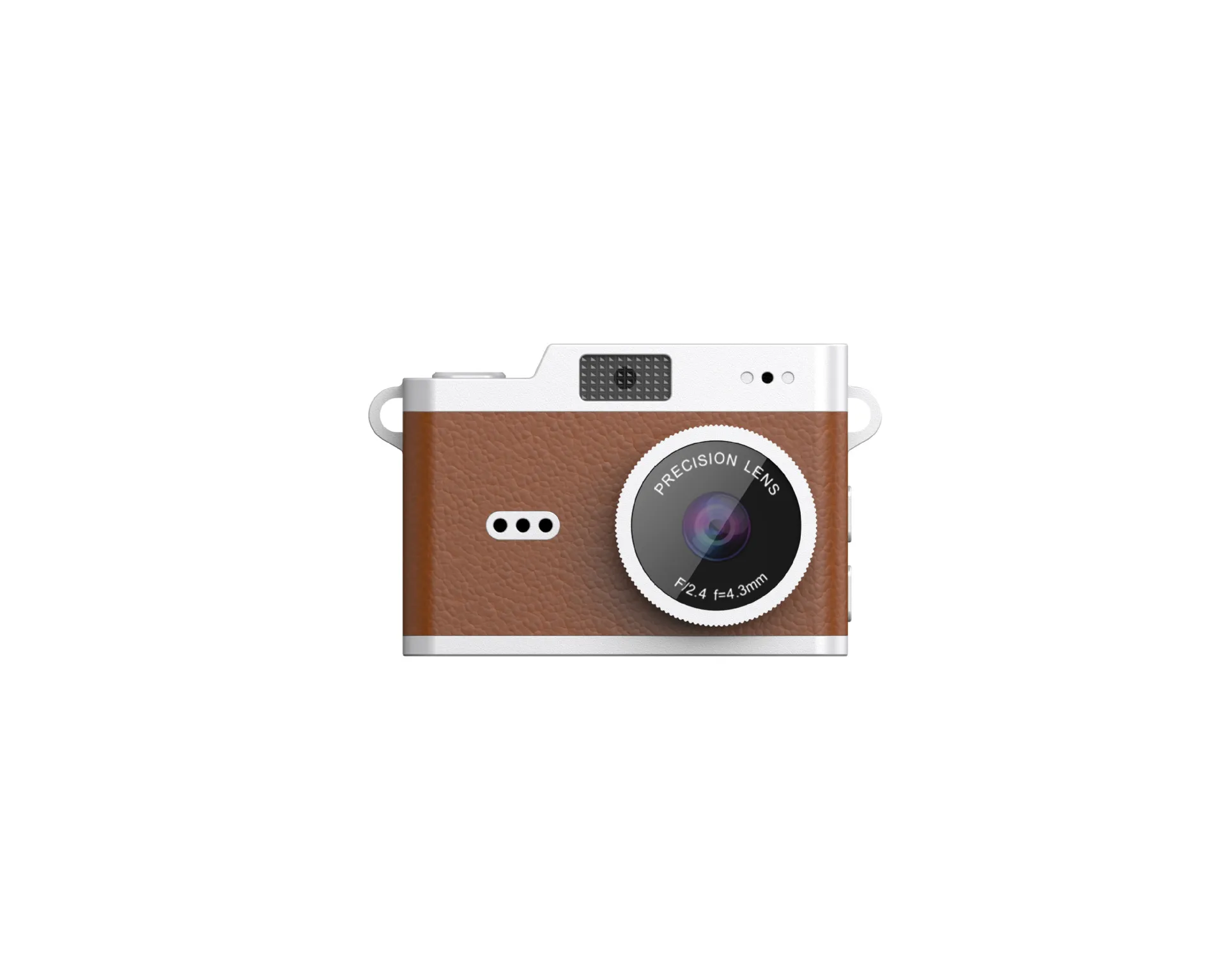
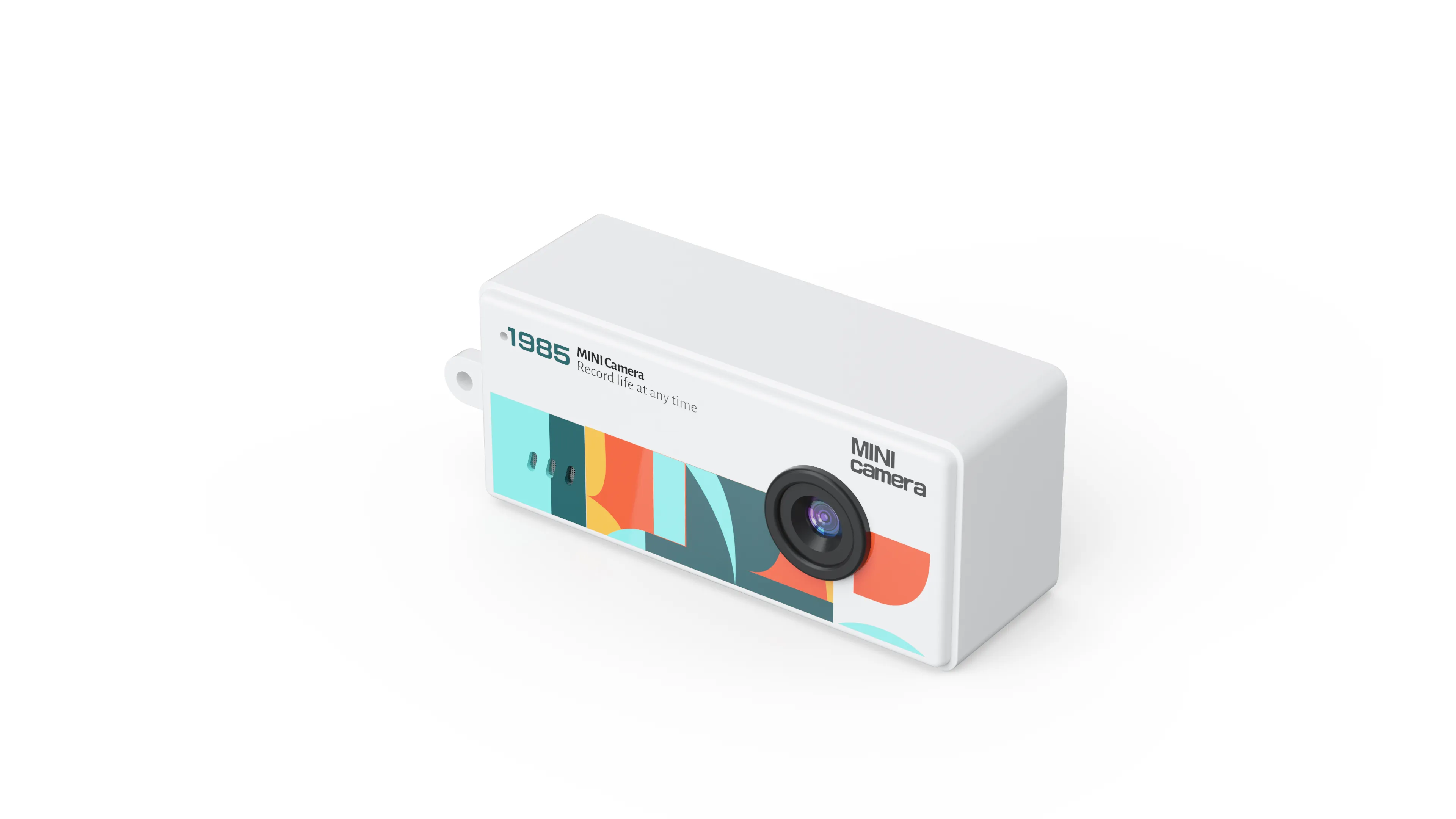
The compact class is where volume lives. Buyers who search a waterproof compact digital camera picture a card-style body, and the sealing question comes down to the case attached at order time. Our card bodies run 19.5 to 22 grams: the AC-5 at 19.5 grams, the AC-8 at 21 grams, and the AC-7 at 22 grams, each with a 0.96-inch IPS screen, VGA recording, a 32G TF card (microSD, the small memory card format), a 200mAh battery, and a Type-C port. Any compact waterproof digital camera program built on shells this light has to settle the housing question before tooling, because a sealed case changes the mold and the carton.
Word order keeps adding labels. The reverse form compact digital camera waterproof reads in the same marketplace filters, and it maps to the same build sheet without a new quote.
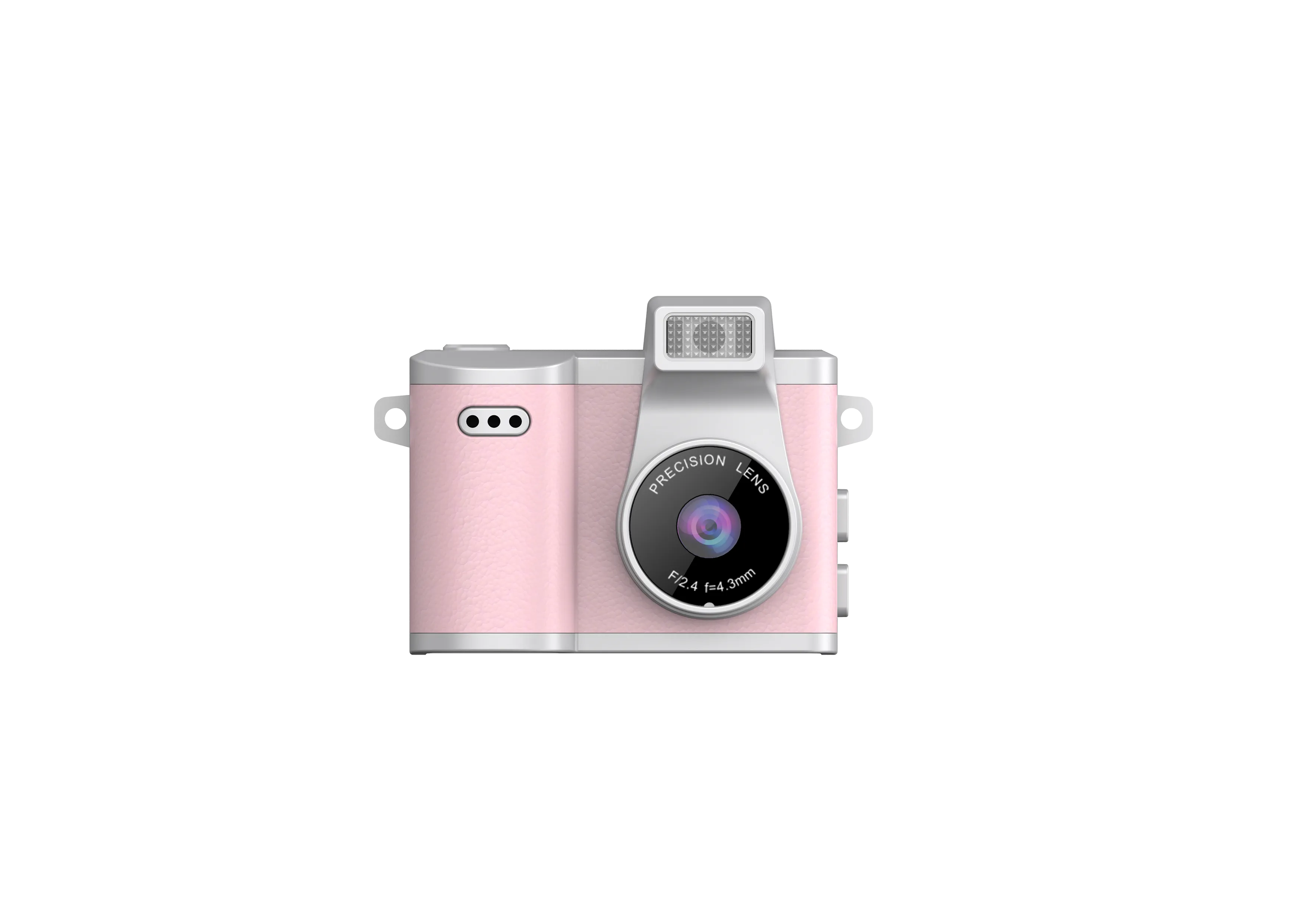
Point-and-shoot requests overlap the card class. A waterproof point and shoot digital camera in retail language means one button, no menu diving, and a body that forgives a dropped ice cream, and that is the behavior gift buyers test first. The same spec travels under the reverse order point and shoot waterproof digital camera, and factory quotes treat the two as one build with one housing answer.
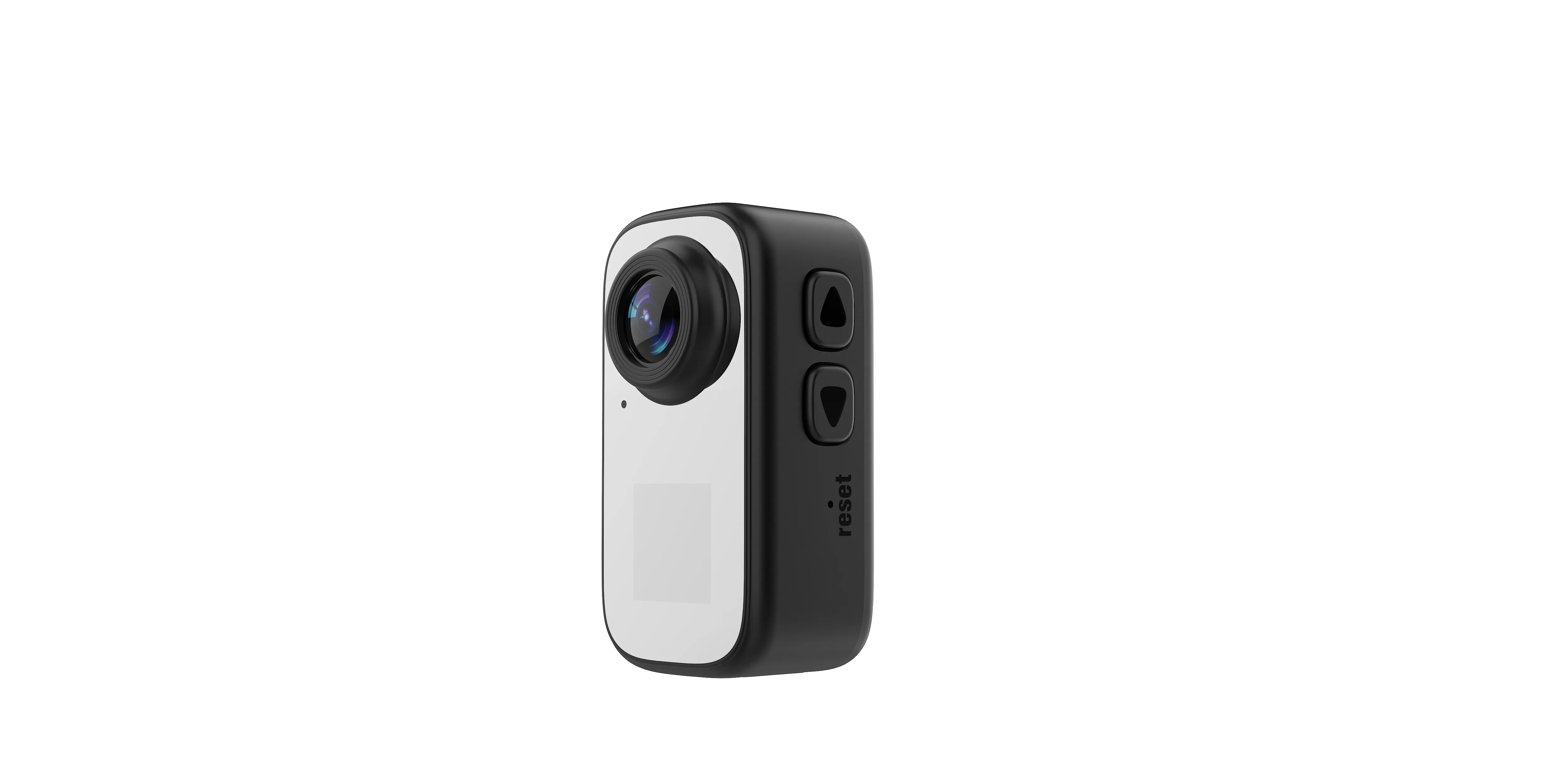
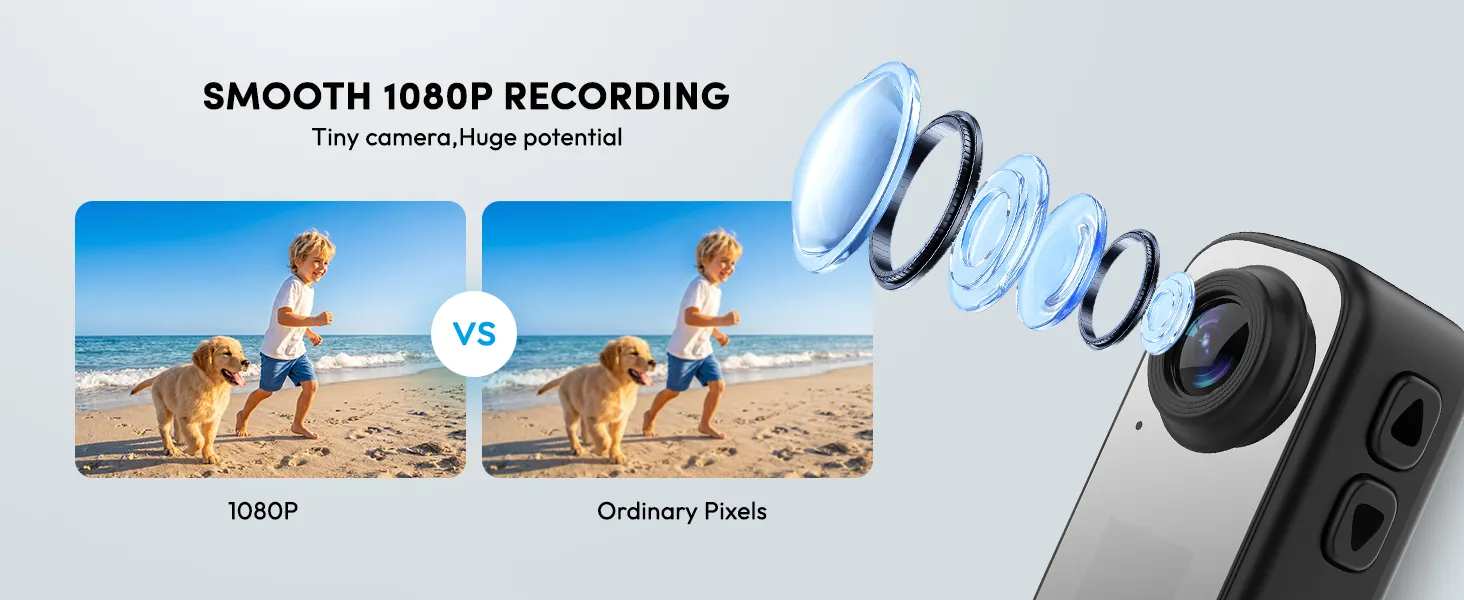
Pocket video is the third shape. The phrase waterproof pocket video camera covers a body small enough for a jacket pocket with video as the main job, and its reverse pocket video camera waterproof shows up in the same marketplace filters. Our thumb-format AC-18 fills the slot at 1080P and 30fps, with photos interpolated up to 12M.
Handheld is the fourth shape, and it splits by job. A handheld waterproof camera refers to a grip body for tours and rental desks, while the order waterproof handheld camera flips the emphasis toward the sealing itself. Both describe bodies our line builds around a 2MP CMOS sensor and a 123-degree wide-angle lens.
The video-led versions read the same way. Handheld video camera waterproof and waterproof handheld video camera both describe the rigs guide crews and vlog teams carry, bodies that record while moving and hand off files over WiFi at the end of the run.
Screens, Vlogging, and the Selfie Test
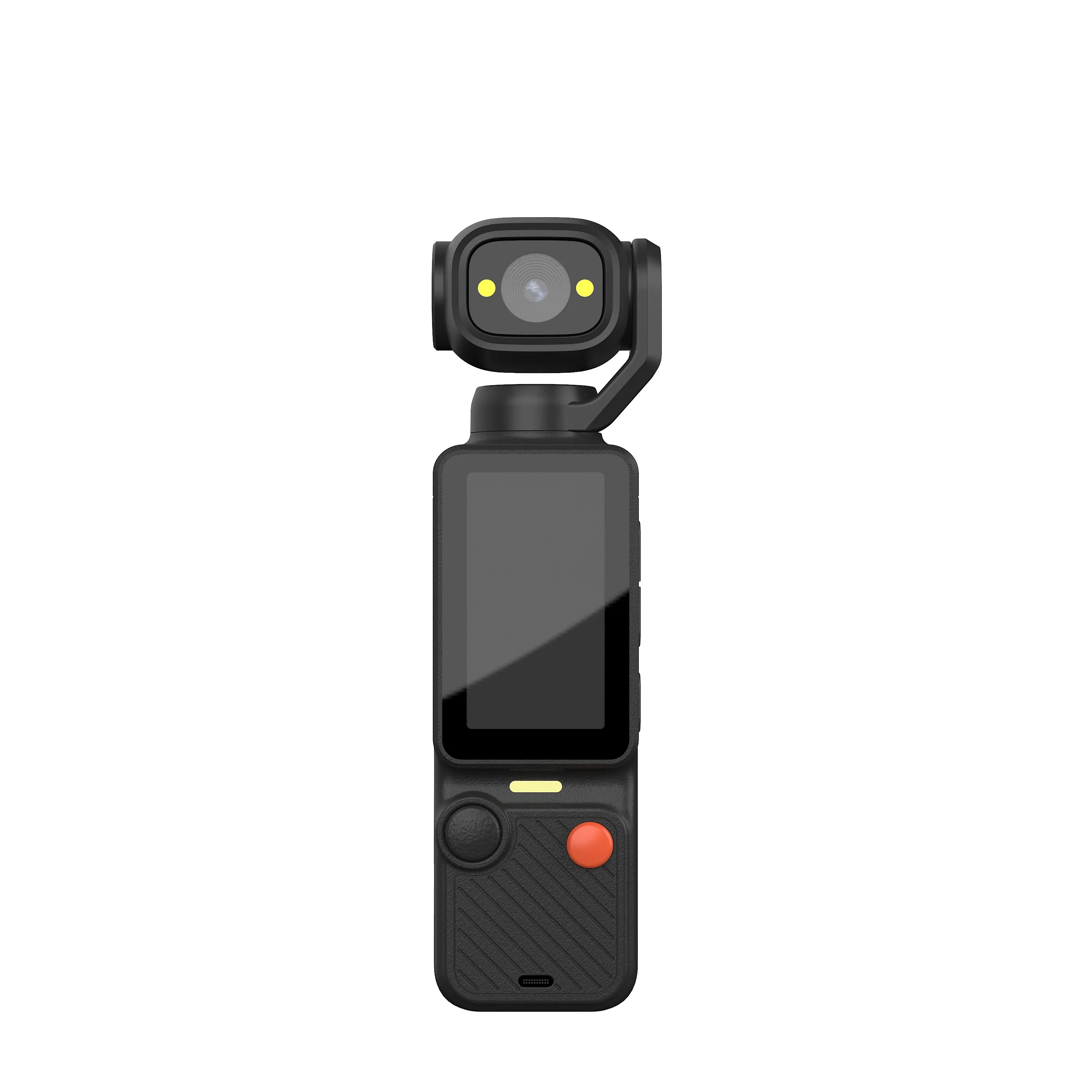
Screens decide how the camera behaves in a hand. The AC-18 carries a dual-screen layout, so a waterproof camera with dual screen in our catalog means front framing for the operator and a rear status panel for settings, without an add-on monitor. Buyers coming from action-camera catalogs recognize the layout as the one that cuts reshoots.
Vlog searches stack the same traits in different orders. Waterproof vlogging camera is the head term, and vlogging waterproof camera is the word-order variant that sits behind it in the same query stream. Both describe one product decision: a sealed body and a screen the operator can see while filming.
The shorter form waterproof vlog camera shows up in mobile titles, and the plural waterproof vlogging cameras marks catalog and comparison searches. Mapping the phrases to one product page keeps the reviews and the stock count in one place, which is the outcome resellers need.
Flip screens enter through the AC-3. Requests for a waterproof vlogging camera with flip screen combine two features that live on different bodies in our catalog, a sealed case from the AC-18 program and the 2.4-inch flip screen that the AC-3 carries for selfie framing. The order vlogging camera waterproof turns up in the same query stream with the emphasis reversed. A build sheet that names both features gets an accurate sample faster, because the factory knows which mold each feature comes from.
WiFi, Bluetooth, and GPS on the Spec Sheet
Connectivity questions arrive in bundles. A digital camera with wifi and waterproof housing is the most common combined request, and the phrase waterproof digital camera with wifi repeats it in a tighter order. Our line answers with 2.4GHz WiFi that streams to a phone app within 10 meters, and the AC-18 carries that link as standard. The range is short by design, since the link exists for file handoff and live framing at close distance.
Variant phrasing keeps the same subject. Waterproof digital wifi camera appears in marketplace titles, and buyers read it as a synonym for the WiFi specification above, so one spec page can carry several labels.
Bluetooth and GPS sit on the customization list rather than the standard sheet. A buyer searching a waterproof digital camera with bluetooth wants cable-free file handoff at the rental counter, and that requirement belongs in the RFQ (request for quotation) as its own line. Our line ships WiFi as the wireless link today, so anything beyond it needs a written confirmation from engineering before the deposit moves.
GPS works the same way. The phrase waterproof digital camera gps marks the rental-fleet searches, and the longer form waterproof digital camera with gps adds live location to the wish list for tour operators who hand units to strangers. Fleet buyers who skip the GPS line in writing discover at delivery that the body records video but no coordinates, and the discovery costs a season.
Zoom, Resolution, and the Sensor Behind Them
Zoom questions sort into clear buckets. The waterproof digital camera zoom range on our line runs from 1X to 16X digital, which covers the shelf-talk distances where compact cameras do their work. Digital zoom (software magnification of the image) holds quality better at 2X to 4X than at the top of the range, a fact worth printing on the box.
The same request travels under two more labels. Buyers who type waterproof digital camera with zoom and buyers who search a waterproof digital zoom camera land on the same build sheet, and both versions take the same answer: state the maximum multiplier and the sensor behind it. Our sensors run from 1/4 to 1/10 inch, and the 123-degree wide angle on the AC-18 does more for action framing than any multiplier.
Optical zoom is a separate conversation. The phrase waterproof digital camera optical zoom appears in buyer emails from people who grew up on bridge cameras, and the answer at this size class is that the current line reaches 16X by digital magnification. Requests that need optical glass go into the RFQ with the target price attached, so the engineering reply prices the real build instead of a wish.
Resolution and frame rate close the spec sheet. The line records from 480P up to 4K, at 15 or 30 frames per second, on sensors from 1/4 down to 1/10 inch. A waterproof digital camera bought for underwater clips needs the frame rate written down, because 30fps at 1080P reads smoother in water scenes than the same clip at 15fps.
Budget Brackets, Colors, and the Sale Calendar
Price language splits by buyer type. A budget waterproof digital camera search comes from retail chains filling a gift aisle, and inexpensive waterproof digital camera reads as the same brief in a softer tone. Both groups end up comparing the same two levers, housing depth and sensor size, and both levers move the unit price in steps rather than in curves.
The reverse order waterproof digital camera budget marks the media planners who set a cost ceiling before shortlisting. For them the useful number is the landed cost per unit at the order quantity, and the factory quote should carry it as one figure with the housing included.
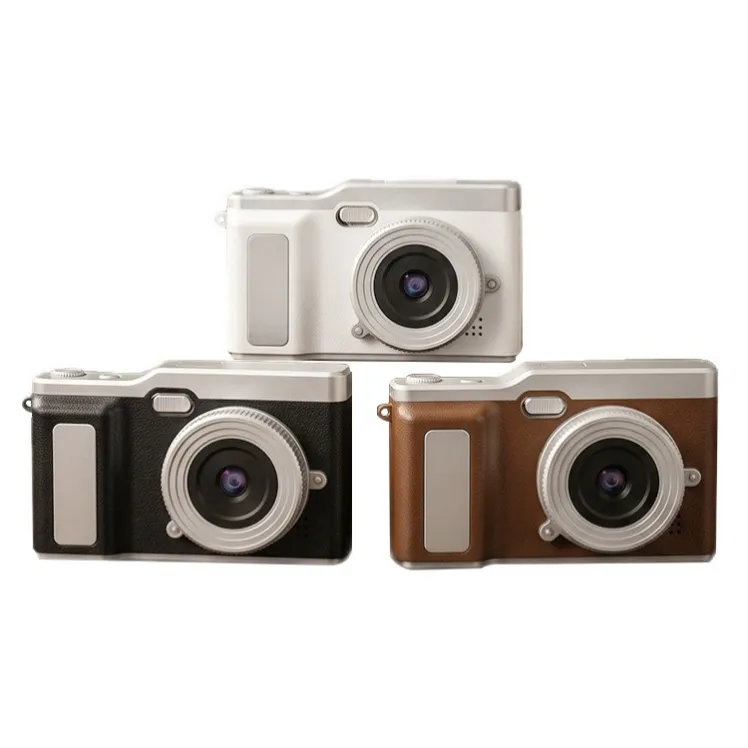
Color is a merchandising lever. A green waterproof digital camera suits outdoor shelves, and a blue waterproof digital camera matches pool and beach assortments, but color programs run on volume: our custom-color runs start at 1000 pieces per color on the AC-3, and the same logic carries across the line. Order samples in standard colors first and commit the color tooling once the retail test reads clean.
The sale calendar decides shipping dates. A waterproof digital camera sale window in the northern market opens around the swim season and again before the holidays, and a waterproof digital camera bought for those windows has to land six to eight weeks ahead of the shelf date. Our production cycle runs 15 to 20 days after order confirmation, which leaves room for sea freight when the order goes in with the season in view.
The buying verb itself marks intent. Searches built on buy waterproof digital camera come from buyers one step from a purchase order, and they respond to quotes that state the housing depth, the certification set, and the payment terms in the first reply. Our line ships with CE, FCC, CPC, and RoHS certification, and payment runs by TT (telegraphic transfer, the standard bank wire for export orders).
Dust, Drops, and the Full Rugged Sheet
Water is one entry point for three. A waterproof dustproof digital camera brief adds particle sealing for beach and desert shelves, where fine sand does more damage than spray. The test standard belongs on the spec sheet in writing, next to the depth figure, so the retail buyer can read the two numbers as one system.
Drop protection follows the same rule. A waterproof and shockproof digital camera brief adds impact performance for rental desks and kids, and the reverse order shockproof and waterproof digital camera carries the same meaning and the same test plan. Name the drop height and the surface in the RFQ, and the sample that comes back answers a real question instead of a guess.
The Order Path and the Factory Behind It
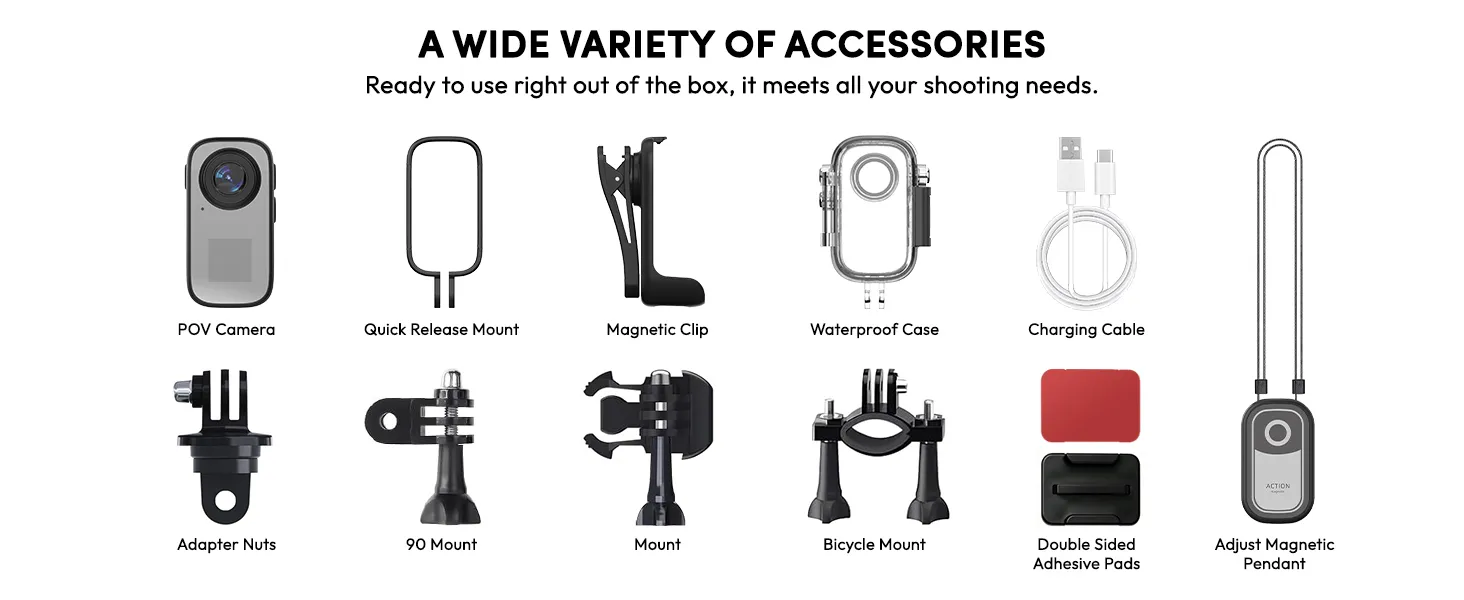
The sourcing path runs through three stops. Our digital camera product center lists the product lines with the spec tables, and the waterproof program hangs off the AC-18, where the 30-meter case, the dual screens, and the 2MP CMOS sensor with the 123-degree lens sit in one place. The related read on the waterproof action camera covers the same housing logic from the action side of the catalog.
Quotes close fastest when the first email carries the numbers that matter: housing depth, sensor size, resolution and frame rate, order quantity, and the port of destination. Send the list through our contact page and the reply comes back as a priced spec sheet. The factory behind the reply runs 1100 square meters of workshop, two camera assembly lines, and a crew of 50 to 60, with an output above 2000 units per day.

The JSRD Editorial Team creates practical B2B guides for importers, brand owners, and Amazon FBA sellers sourcing digital cameras from China. Our content covers OEM/ODM customization, product selection, and sourcing decisions for camera products.