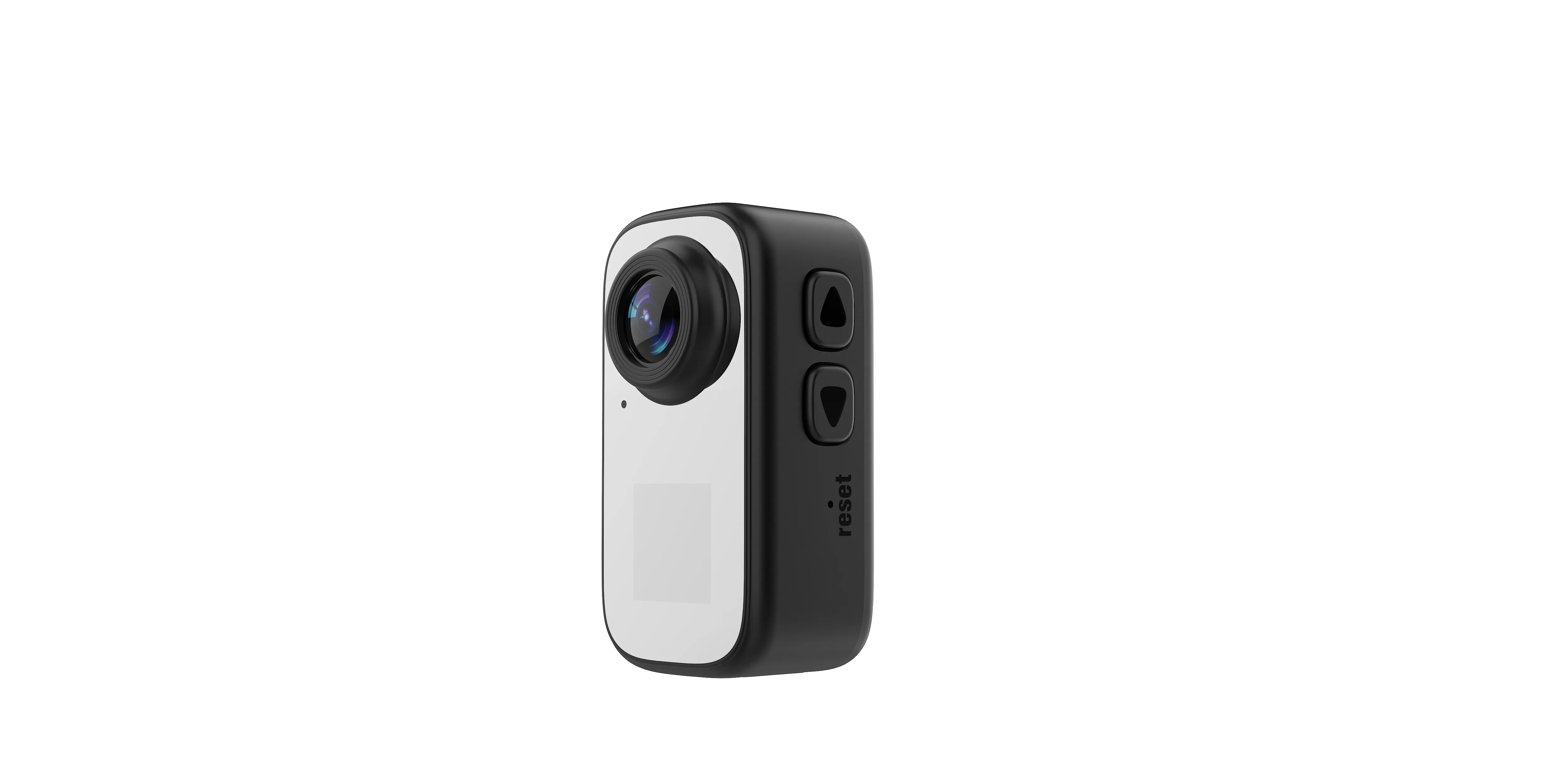
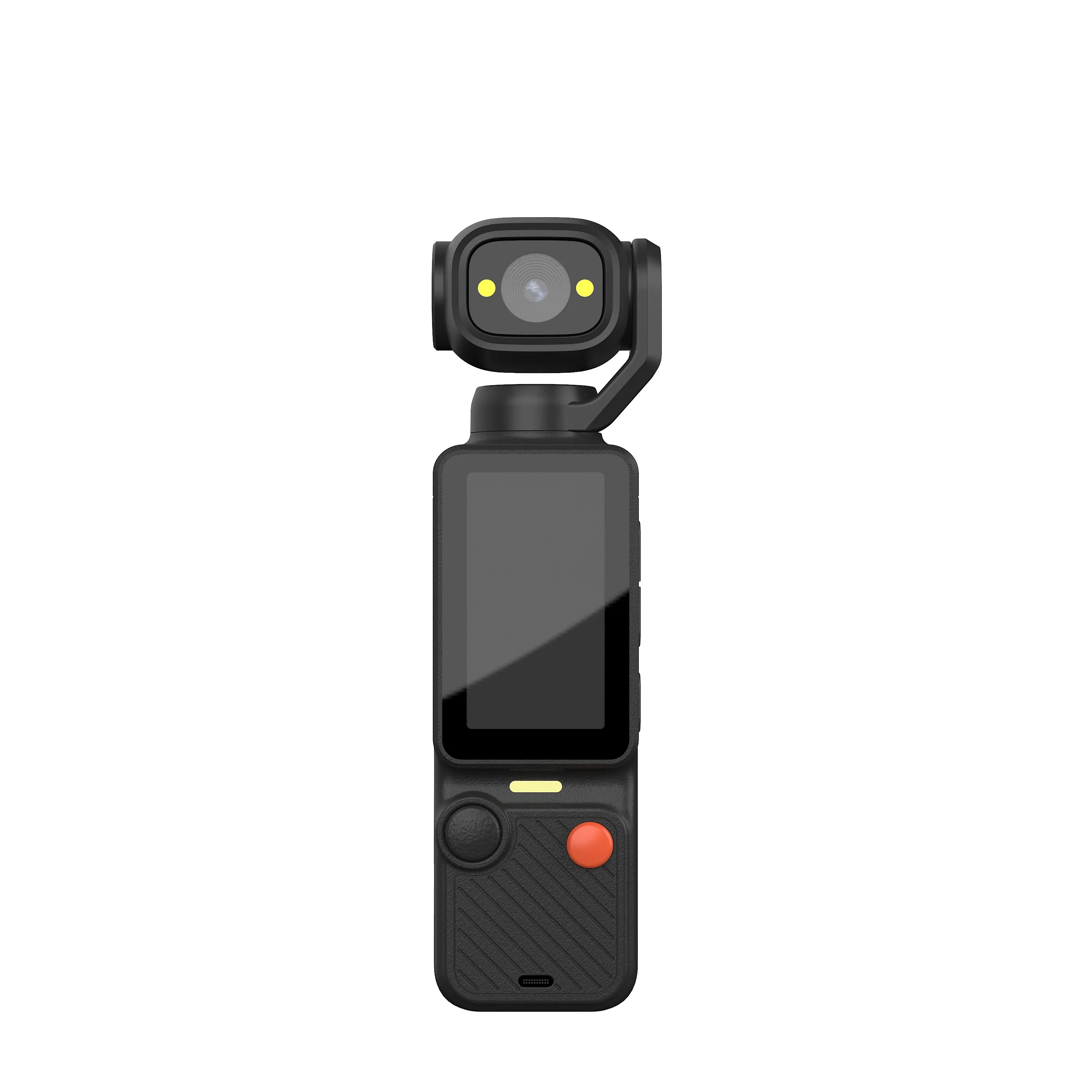
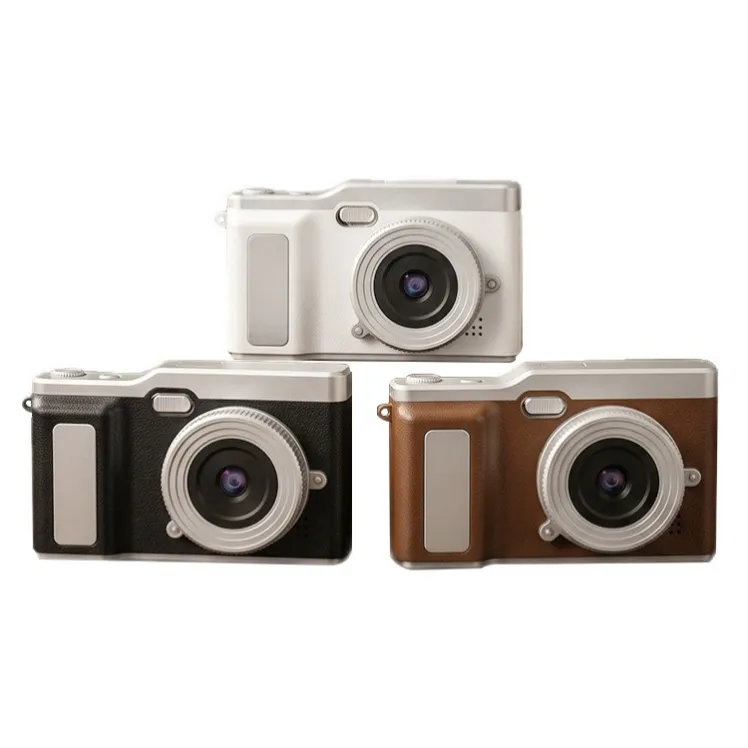
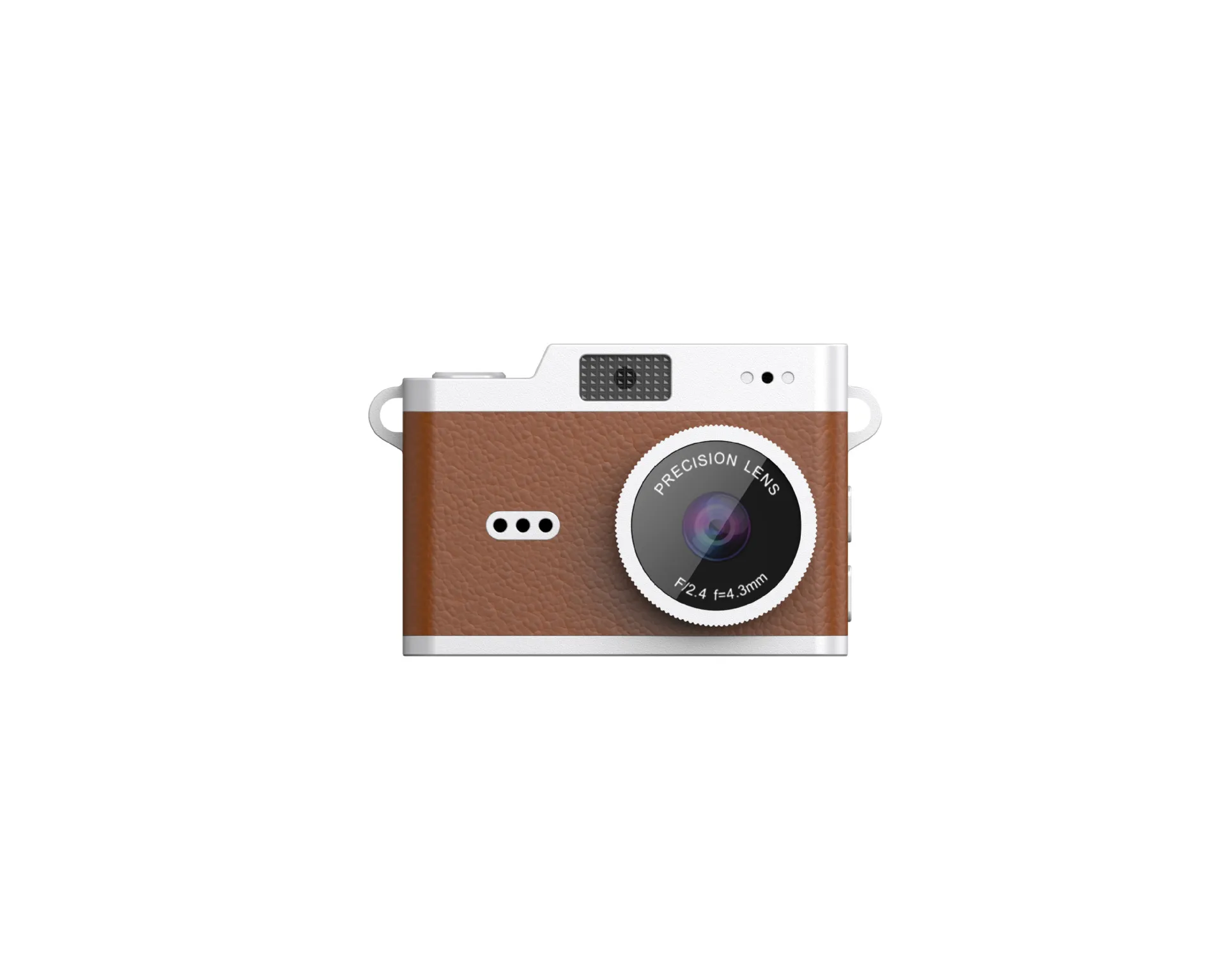
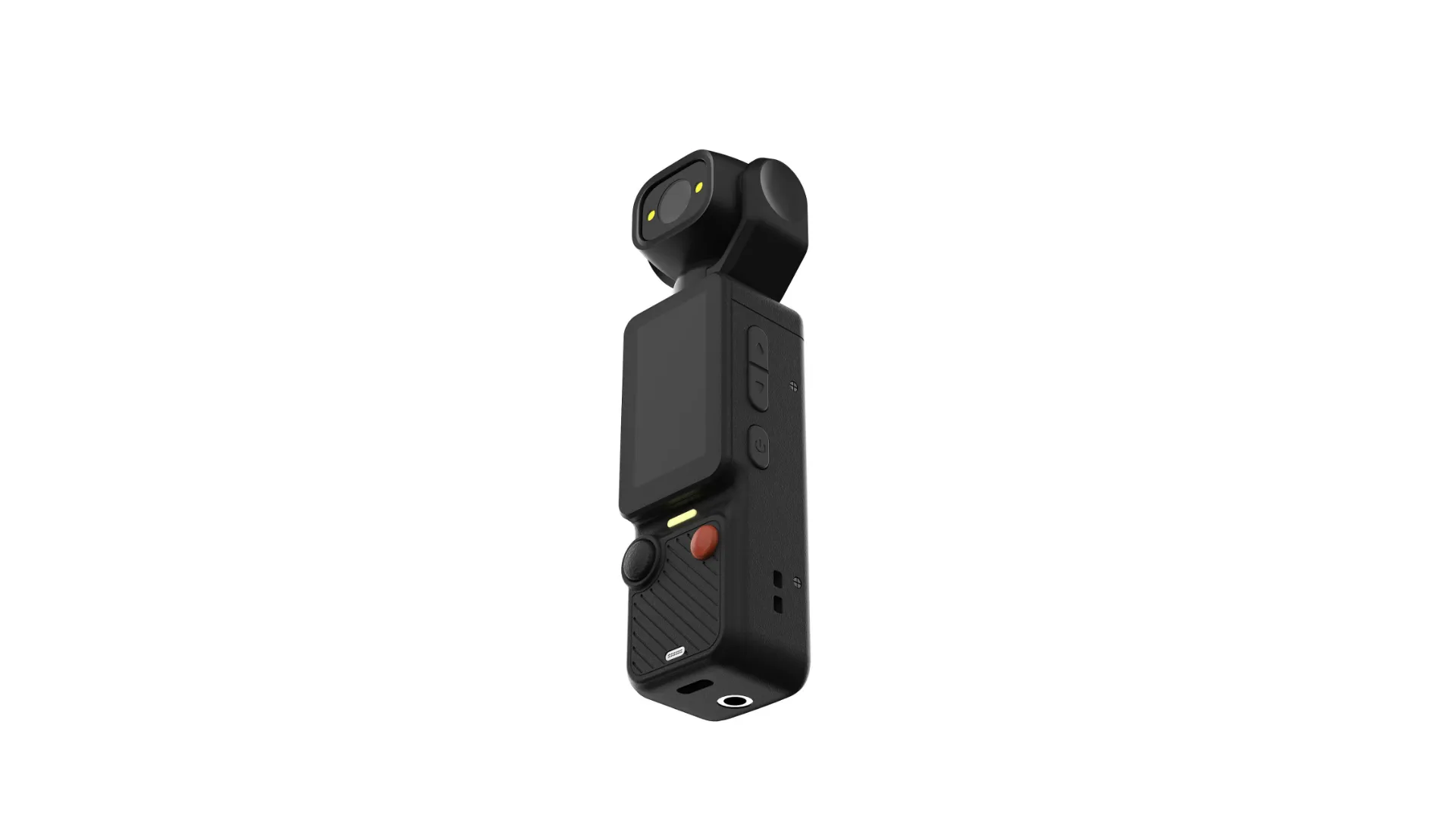
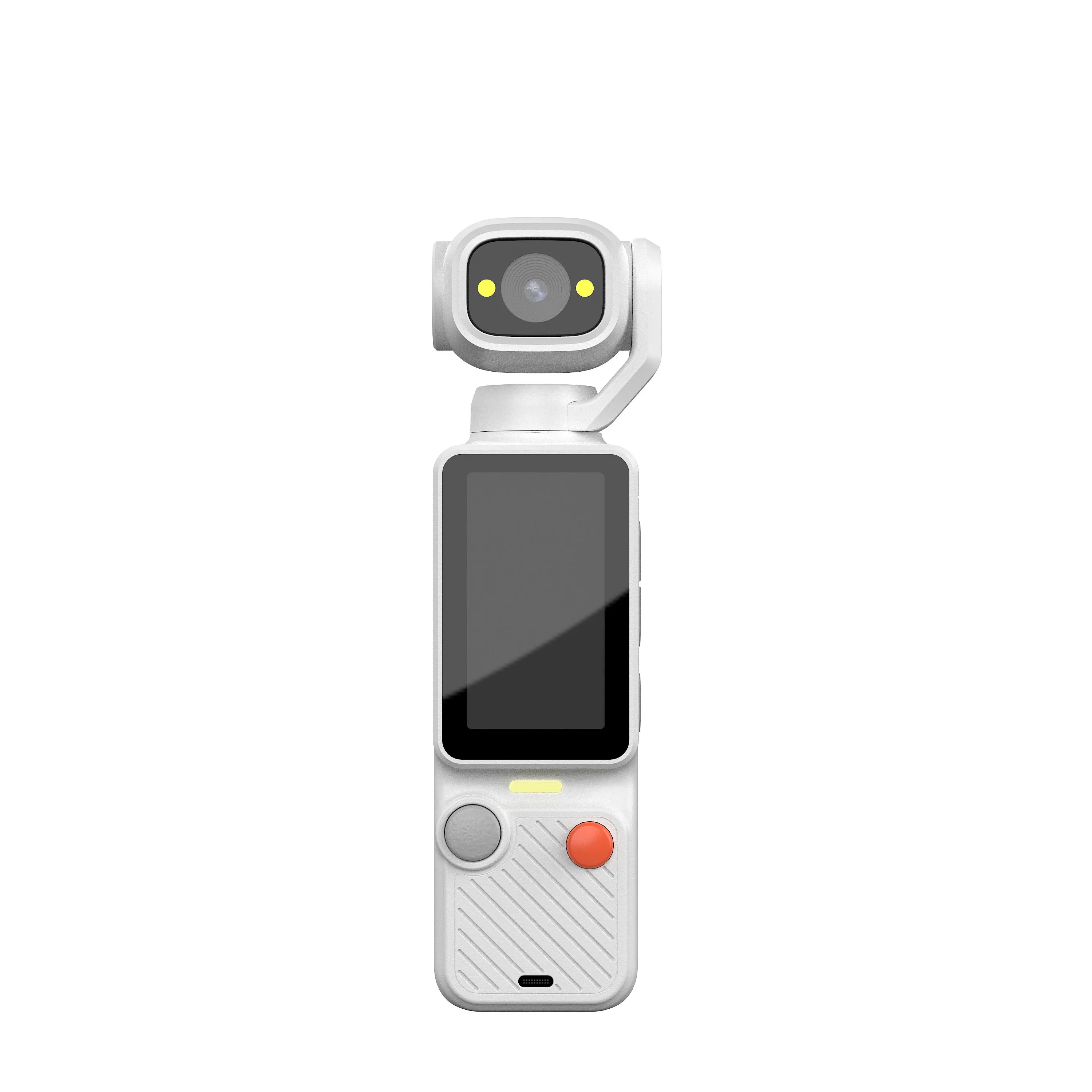
Two words do the selling in this category, and each one answers a different complaint. The gimbal answers the shake: three motorized axes (moving joints driven by small motors) hold the lens level while the hand moves. The 4K answers the detail question: a file built from about 8 million pixels per frame (4K, the top resolution on our parts menu) holds up when a customer zooms, crops, or watches on a large screen. Put the two in one body and you get a 4K gimbal camera that films smooth and stays sharp. This guide explains what that pairing delivers, why high resolution makes the motors more important, and how to order a build.
The advice comes from the factory side: JSRD runs two camera lines in Shenzhen and builds more than 2,000 cameras a day, and 4K sits at the top of the parts menu our gimbal builds draw from. Everything below comes from that menu and from the questions buyers ask before they commit to a carton.
What a 4K Gimbal Camera Is
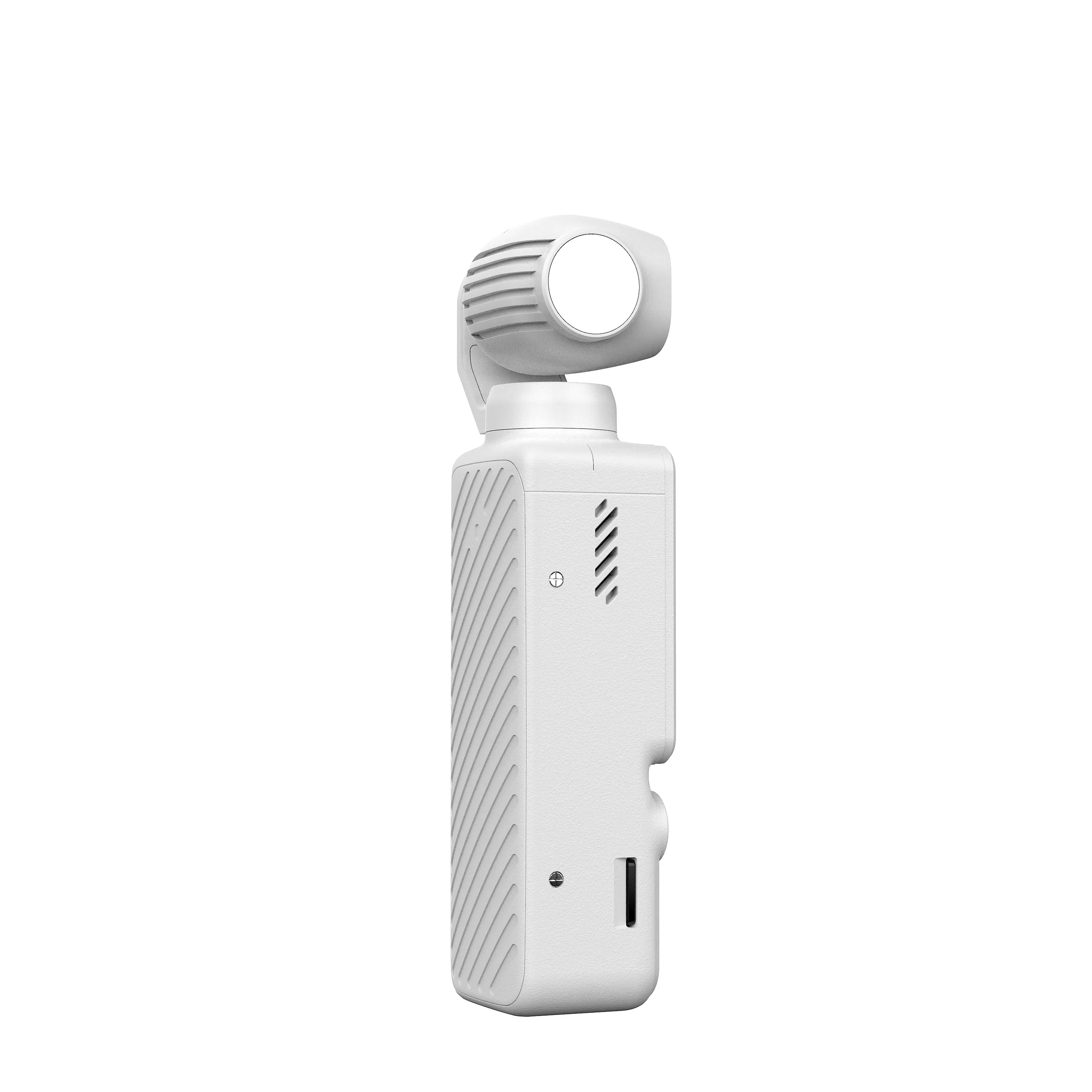
Strip the name down and you find two engineering decisions living in one body. The first sits on the sensor side: the camera records at 4K, which means about 8 million pixels per frame, the top of our menu, and four times the pixel count of the entry tiers. The second sits on the mechanical side: the camera head rides on the same three-axis mount described in our gimbal camera guide (pan for the left-right swing, tilt for the up-down nod, roll for the horizon), and the motors cancel the shake before the sensor writes the file.
The phrase 4k video camera with gimbal describes the same product from the buyer’s side of the search bar, and the two wordings point at the same shelf. What matters for an order is that the two parts get specified together: a 4K sensor on an unstabilized body wastes its own detail, and a stabilized body behind a weak sensor leaves the motors with nothing sharp to hold. The build that makes sense is the one where you set both lines of the spec sheet at the same time.
Two spec lines, two different jobs inside your business. The resolution line is the one your product page sells with; the stabilization line is the one that keeps returns low, because a camera that films shaky footage comes back no matter how sharp its sharp parts are. A body that carries both lines at once is why this pairing has become the default ask in the tier.
What the Extra Pixels Buy
Resolution is easy to oversell. The honest version is a short list of things a 4K file does that a smaller file does not:
- Reframing after the shoot: a 4K frame crops down to feed size and stays sharp, so one take can serve a vertical clip, a square post, and a full-width product page hero without a reshoot.
- Punch-ins in the edit: an editor can push into the frame mid-clip, the way a second camera angle would look, and the picture holds.
- Frames as photos: a single frame pulled from a 4K clip carries enough detail for a listing image, so the demo video and the product photos come from the same take.
- Room for the zoom: at 16X (the top of our zoom menu), extra pixels are what keep the far end of the zoom from turning to mush.
Look at what the list shares: three of the four gains happen after the shoot, in the edit. That is the real sales pitch for 4K on a camera you resell, because the customer who buys it gets forgiveness. A clip that would need reshooting at a lower resolution survives the edit at 4K, and saved reshoots are the kind of value a reseller can explain in one sentence.
Why High Resolution Makes the Motors More Important
There is a catch that product pages skip: the more pixels a frame carries, the more visible every hand movement becomes. Shake that hides in a small file shows up in a 4K frame the way a scratch shows up under bright light. Pair a 4K sensor with a bare handheld body and the extra detail becomes a close-up of every wobble.
The motors solve the problem in the physical world, before the file exists. Software smoothing, the fix a phone applies, works after capture and pays with cropped edges and smeared texture, which gives back much of the detail the 4K sensor paid for. A mechanical correction keeps the full frame intact, so the pixels you bought ship in the file. The zoom line makes the pairing stricter: at 16X, a small hand movement becomes a large one at the lens, and a stabilized head is what keeps the far end of that zoom usable.
Where 4K Is Not the Answer
Honesty keeps a catalog credible. For a seller whose output stays at feed size and whose margin lives at a tight price point, a lower tier on the resolution menu does the job, and the money saved can go into colors or packaging. The buyers who need 4K are the ones whose customers zoom, crop, or watch on large screens, and the ones who want one file that serves the ad set and the listing page alike. Decide which customer you are serving before the spec goes in the brief; the menu handles either choice.
Ordering a 4K Gimbal Camera Build
4K sits at the top of the parts menu, and a gimbal build draws from the same menu as the rest of the range: sensors from 1/10 to 1/4 inch, zoom from 1X to 16X, frame rates of 15 or 30 fps (frames per second), and WiFi (2.4GHz, live viewing in a phone app within 10 meters) on the builds that need it, with no cellular (4G/5G) anywhere in the range. Feasibility is confirmed before any quote, so the first price lands close to the final one.
The commercial frame holds across the range: production runs 15 to 20 days, payment goes by TT (telegraphic transfer, a bank wire), and the factory holds CE, FCC, CPC, and RoHS certifications. Shell colors match your shelf plan, laser engraving carries the logo on the body, packaging art starts from your logo file, and small-batch customization keeps the first order testable. The Pocket Gimbal camera page carries the current gimbal build, and the complete camera lineup shows where it sits in the range.
Send Your 4K Gimbal Camera Brief
Tell us the market, the quantity, and the colors your shelf needs, and name the resolution tier you want to lead with. Send your 4K gimbal camera brief to our team, and feasibility, a sample, and pricing follow the confirmed spec.
JSRD (Shenzhen Jinsheng Ruida Technology Co., Ltd.) builds gimbal, action, compact, mini, keychain, and vintage-styled cameras for overseas brands.
Email: olivialee0822@gmail.com
Phone: +86-13609069228

The JSRD Editorial Team creates practical B2B guides for importers, brand owners, and Amazon FBA sellers sourcing digital cameras from China. Our content covers OEM/ODM customization, product selection, and sourcing decisions for camera products.