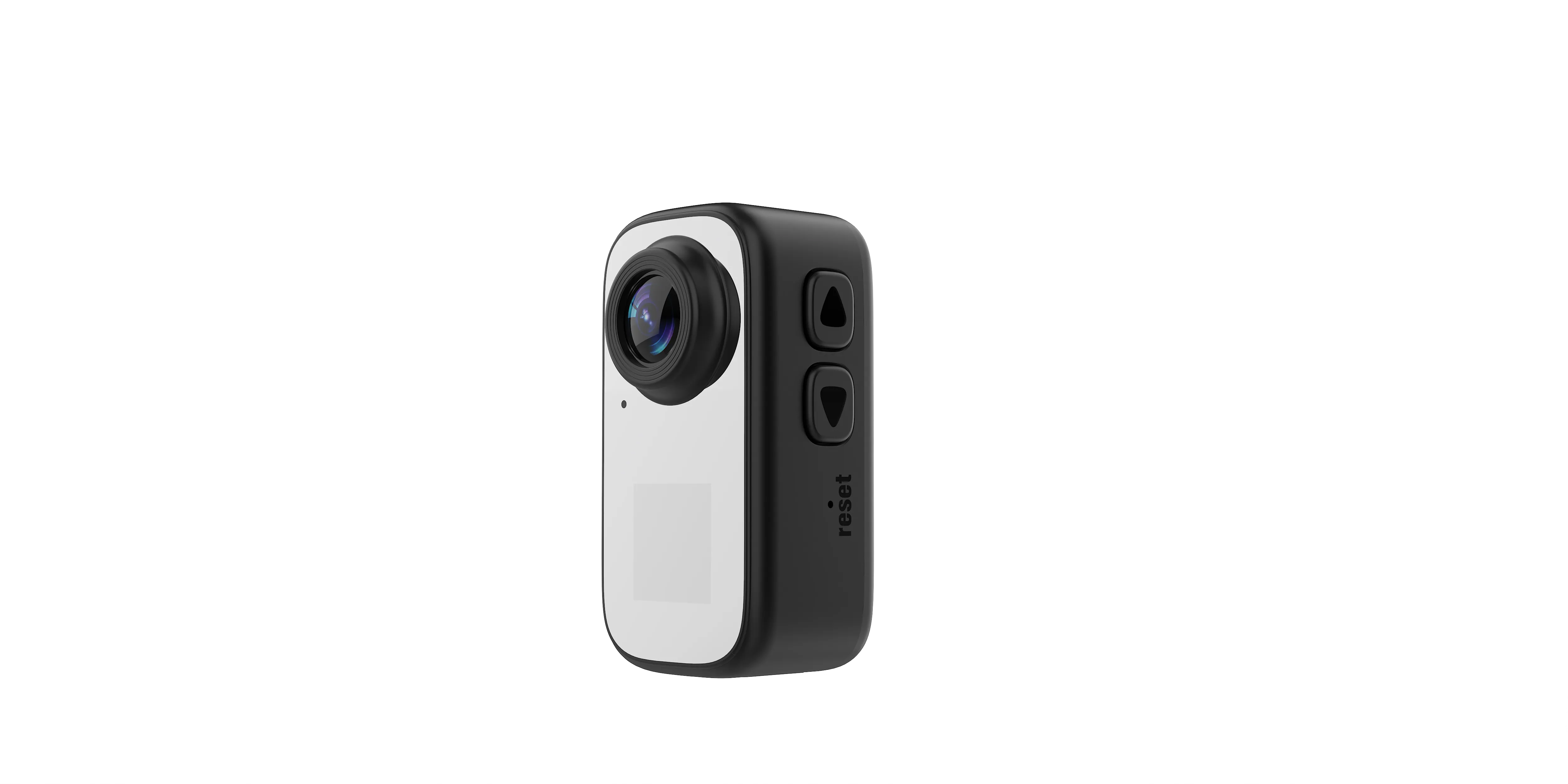
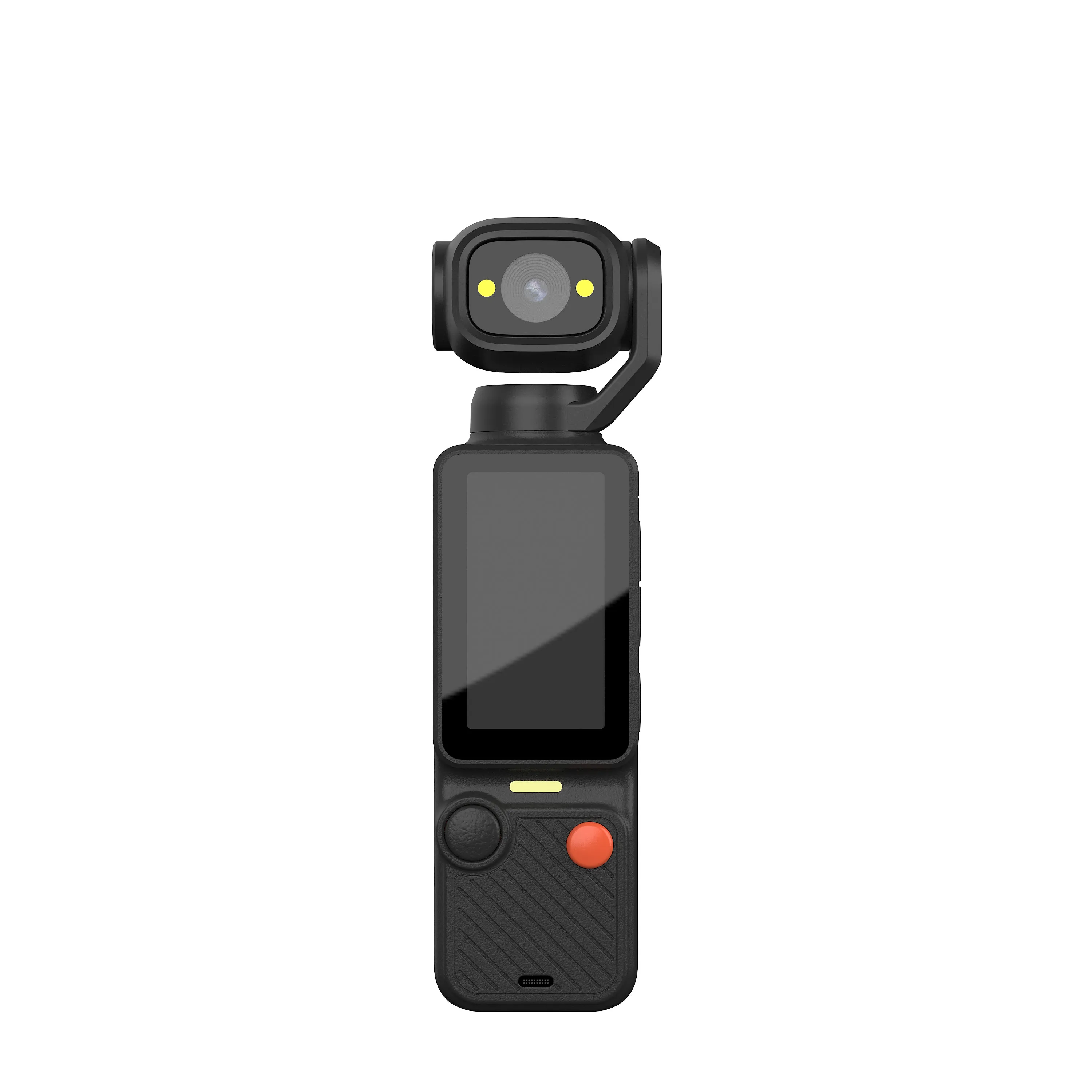
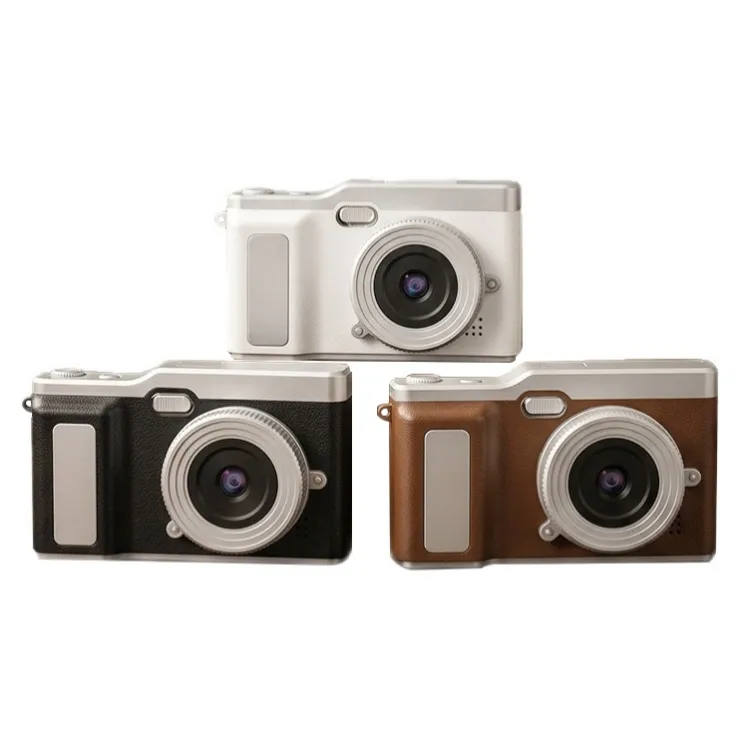
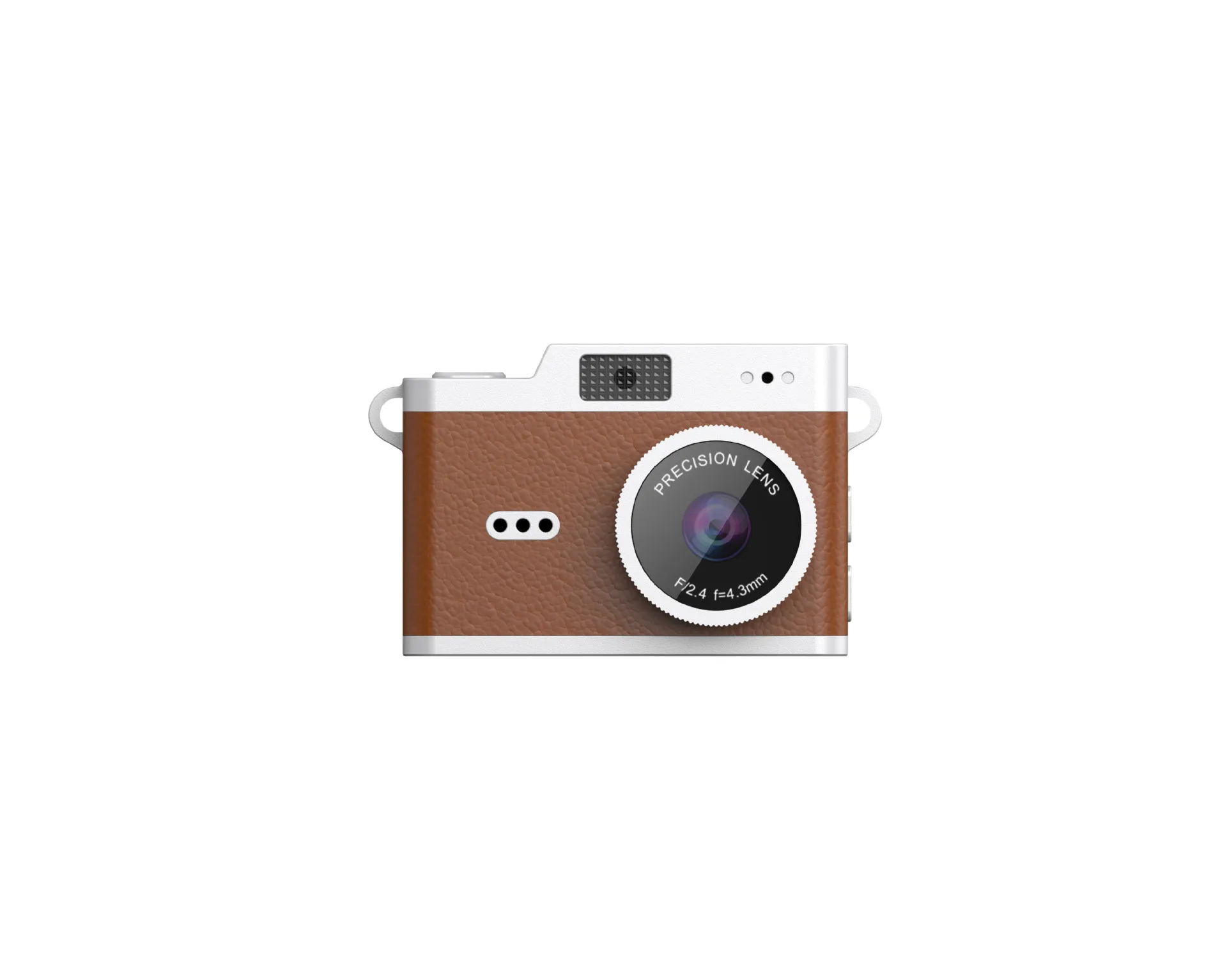
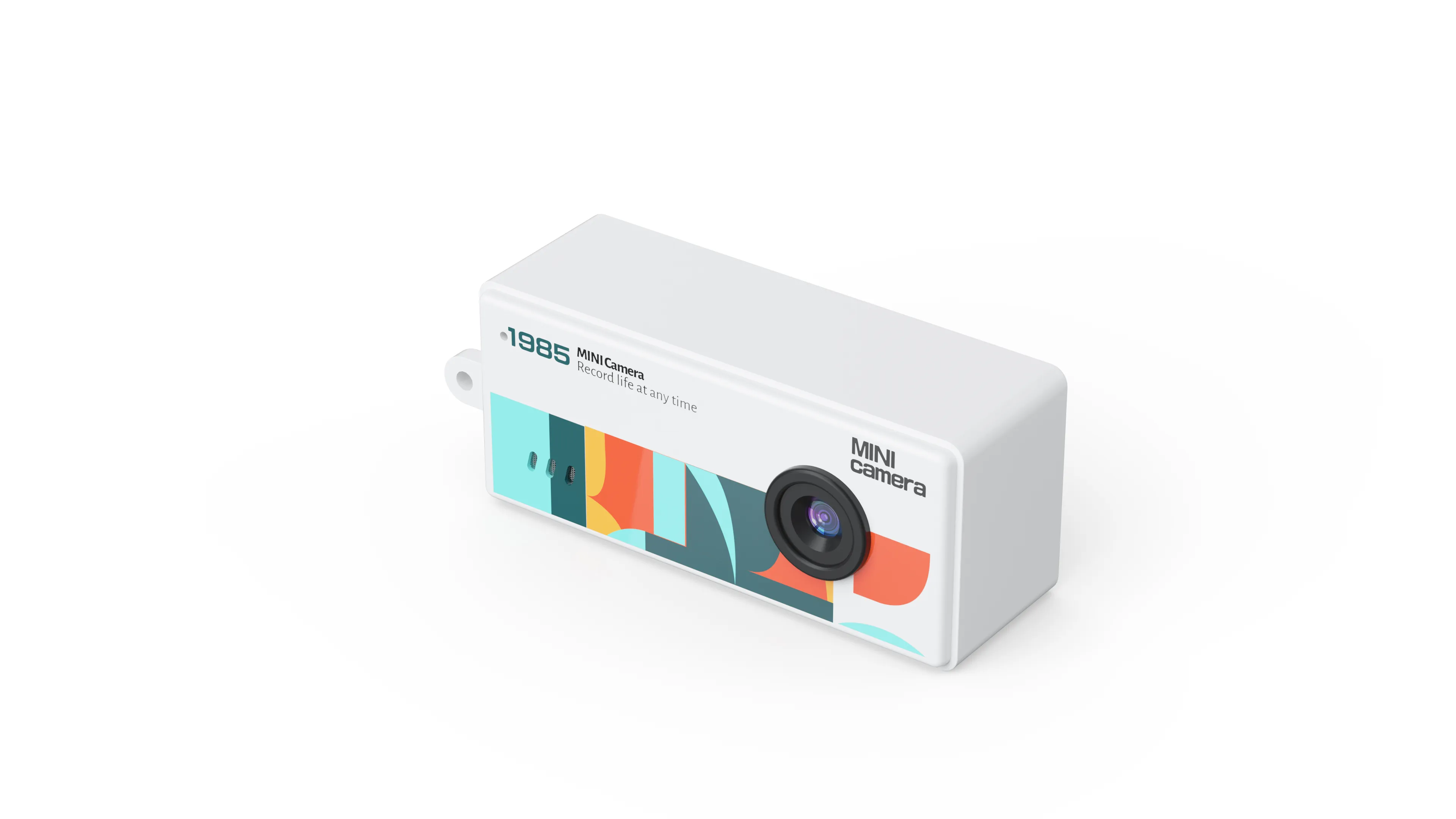
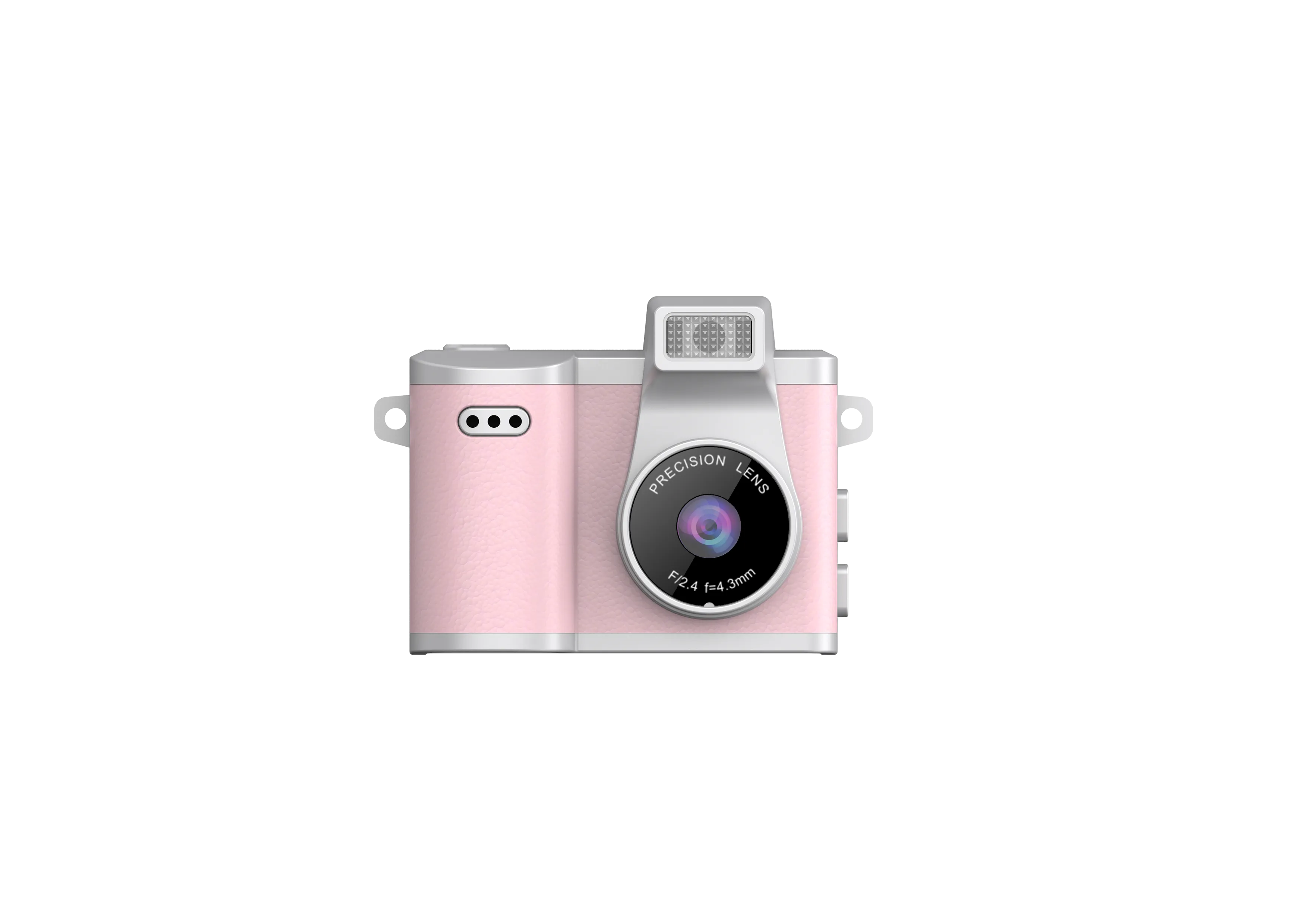
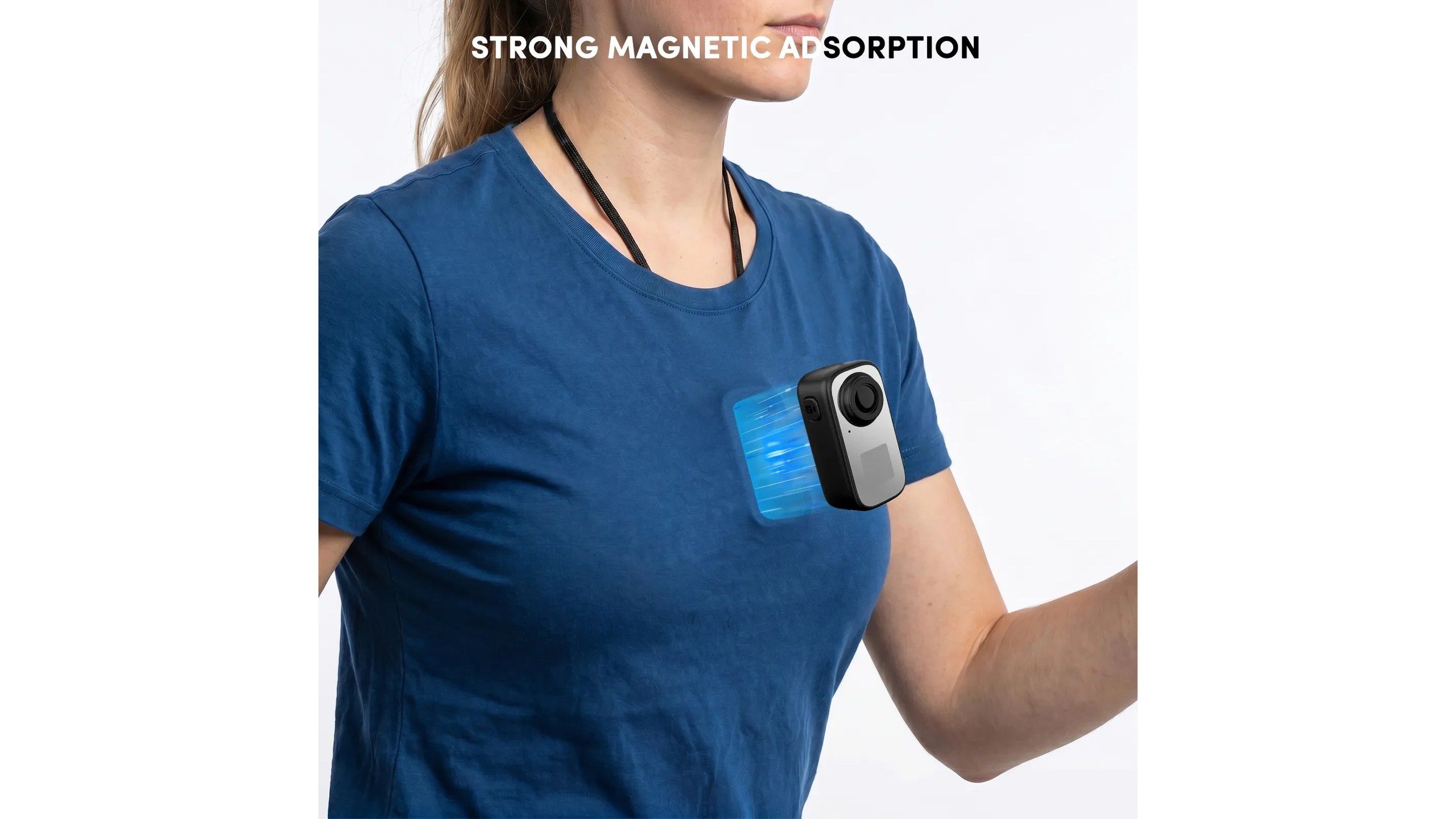
Online camera sourcing works when the buyer can verify who supplies the product, what the sample proves and what the order includes. This guide follows the supplier-to-order process. For a line-by-line cost comparison after suppliers quote the same requirements, use the separate camera quotation comparison guide.
Identify the Supplier Behind the Website
Establish the contracting company, its role in the supply chain and who will handle the order. A factory, trading company and retailer can provide different services. Ask which activities the team performs itself and which depend on another party.
Check whether the company details, product documents and quotation identify the same supplier. Use the JSRD company page as a starting point for questions about the business, then request supporting evidence relevant to the proposed order. A website description alone cannot establish production capability.
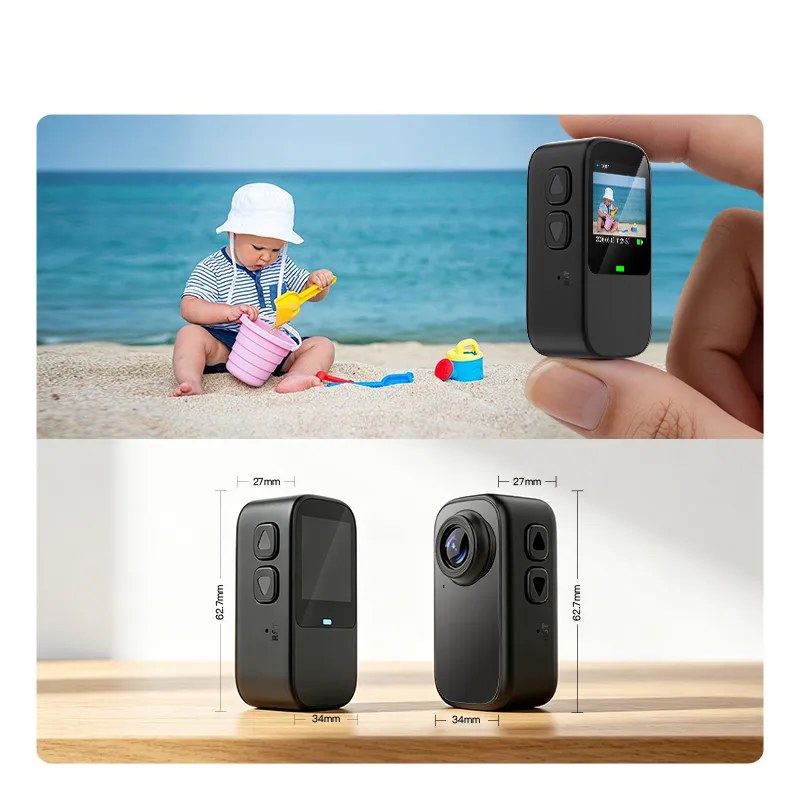
Confirm the Actual Product Configuration
Select a model from the product center and ask for its current configuration sheet. Identify the hardware revision, recording modes, storage, power arrangement and included accessories. Mark any requested feature that needs development rather than assuming it is standard.
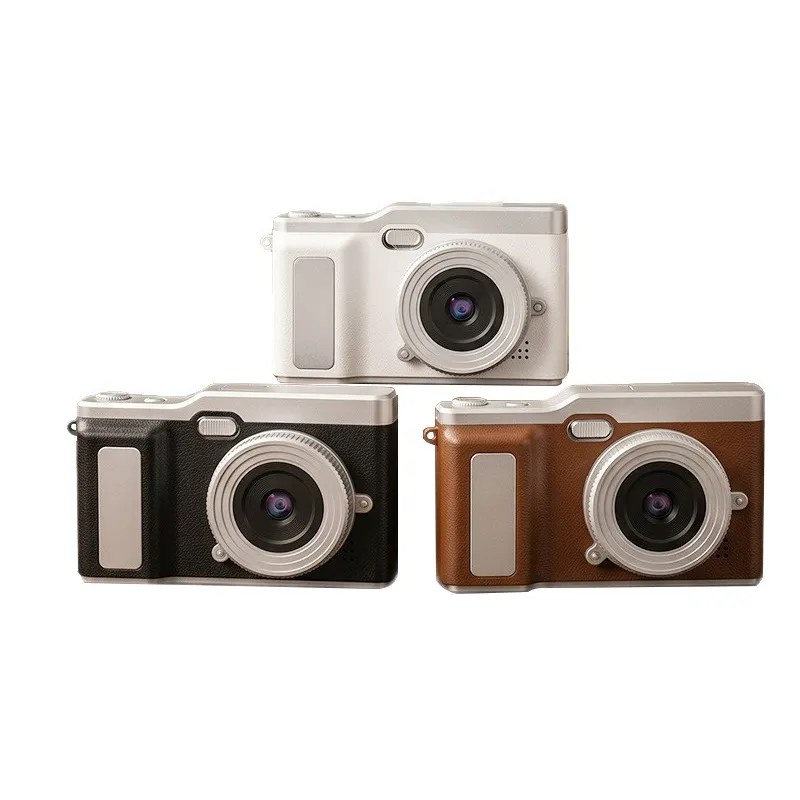
A product-page illustration may show optional accessories or another configuration. For example, confirm the exact kit against the AC-18 page or the AC-3 page before approving retail artwork. Record differences in writing.
Request a Sample That Represents the Order
Agree on which configuration the sample represents and whether it includes the proposed branding or accessories. Keep the sample identity and original image files. A demonstration of a different module does not establish the performance of the unit being quoted.
Use the hardware inspection checklist for operation and assembly, and the photo sample guide for image output. For wireless products, follow the phone compatibility checklist.
Turn the Approved Sample into an Order Scope
| Order document | What it should identify |
|---|---|
| Product specification | Model, revision and approved functions |
| Approved sample record | Reference unit, files and accepted limitations |
| Retail kit | Accessories, instructions and packaging version |
| Customization record | Logo, color, artwork and any functional development |
| Inspection agreement | Sampling method, defect definitions and release responsibility |
Keep exceptions visible. If an accessory, mode or language is excluded, state that before production approval. An informal message saying same as sample can leave ambiguity when several versions have circulated.
Assign Approval and Delivery Responsibilities
Name the person or team responsible for artwork approval, sample acceptance, inspection and shipping instructions. Ask what event starts the quoted production schedule and what information remains outstanding. Use the actual quotation for payment and delivery terms.
For development or private-label work, consult the OEM production workflow. Confirm required model and shipment documents with the relevant supplier and destination specialists rather than assuming a general website certificate covers every configuration.
Keep Support and Reorders Traceable
Agree on how the buyer reports defects, missing accessories and firmware issues. Retain order and configuration references with photographs or failed files. A useful support response should identify the affected configuration instead of treating every camera with a similar shell as the same model.
For repeat orders, require review of changes affecting function, compatibility or appearance. Retain the sample, artwork and instructions as separate versioned references. The wireless supplier checklist addresses app-related support questions.
Send a Complete Sourcing Inquiry
Prepare a short inquiry naming the market, application, configuration, quantity and required kit. Add sample and documentation needs. Resolve supplier role and approval responsibilities before selecting on price alone.
Use the camera RFQ checklist to organize the request, then send it through the contact page. Compare quotations only after the buyer aligns the proposed product and order scope.

The JSRD Editorial Team creates practical B2B guides for importers, brand owners, and Amazon FBA sellers sourcing digital cameras from China. Our content covers OEM/ODM customization, product selection, and sourcing decisions for camera products.