Digital rechargeable camera searches all ask one thing in different clothes: what powers the camera, and what am I getting into with the battery? This page answers every form of that question from the factory side, in the order buyers ask them. The short version up front: every camera in our range runs on a built-in rechargeable cell, charged over the USB plug the customer already owns, and shipped fresh in every box. The rest of the page is the detail behind that sentence.
The advice comes from JSRD: two camera lines in Shenzhen, more than 2,000 cameras a day, and a power story kept simple on purpose, because the simpler the power story, the fewer calls a reseller takes after the box opens.
What Rechargeable Means on Our Line
Every body we build carries a built-in cell that recharges over USB Type-C (the standard plug used on most phones), so the customer’s existing phone cable does the job and no special charger needs a shelf of its own. The cells run from 200mAh (milliamp-hours, the number that sizes how long a cell runs) on the lightest pocket bodies to 700mAh on the flip-screen compact and the action build. The search log spells the product several ways, and all of them land here: rechargeable digital camera, digital camera rechargeable, chargeable digital camera, and the plurals, rechargeable digital cameras and digital cameras with rechargeable batteries. All of them buy the same thing: a camera that drinks from a cable and never asks for a battery aisle. The plural forms hold across the shelf too: digital cameras with rechargeable batteries share one cable, one charging rhythm, and one power story, which turns a mixed order into a single explanation for the counter clerk.
The definition covers the box as well as the body: a digital camera with batteries that ship fresh in every unit, so the first charge a customer gives is the first cycle the cell has ever seen. That sentence is worth printing on your own listing, because it is the one battery claim a new build can make without asking the buyer to trust history.
The Chemistry Questions, Answered in Writing
A cluster of searches asks what is inside the cell: digital camera with lithium ion battery, digital camera with lithium battery, digital camera lithium, lithium digital camera, and digital camera with rechargeable lithium battery. The factory answer keeps two facts separate and both of them true. First: every cell we ship is a rechargeable cell, charged over the USB Type-C port, sized in milliamp-hours on the spec sheet, and shipped fresh. Second: the exact chemistry of the cell is confirmed on the spec sheet at the quote stage, line by line, so what your listing says is what the build carries. We do not guess chemistry in public, and a listing should not either; the spec sheet is where that word gets written.
That ordering protects everyone. A listing that names a chemistry it cannot verify invites a return; a listing that says rechargeable, USB Type-C, and fresh-cell-in-every-box says everything true at the point of sale, and the chemistry line arrives in writing with the sample.
Digital Camera with Disposable Batteries? Two Schools of Power
Two schools of power share the market, and the searches name both. The rechargeable school is the one this page describes: a built-in cell, a cable, and a top-up overnight. The swap school runs on the digital camera with disposable batteries and the phrase beside it, digital camera with regular batteries: cameras that drink AAs from any drugstore shelf.
Both schools sell, and the tradeoffs deserve a fair hearing. The swap school never waits for a cable, and on a trip far from any power outlet it is a real answer. It does buy batteries for the life of the camera, and dead AAs find their way into drawers and, sooner or later, into the bin. The rechargeable school charges with the phone’s cable and never buys a cell; it does ask the owner to plug in, and it carries a cell that lives where the camera lives. Our line sits in the rechargeable school all the way, and the reason is a resale reason as much as an environmental one: a customer who never buys batteries has no battery line item to compare against a competitor’s bundle, and the reseller’s margin stays on the camera where it belongs.
The Compact Answer: Rechargeable Compacts
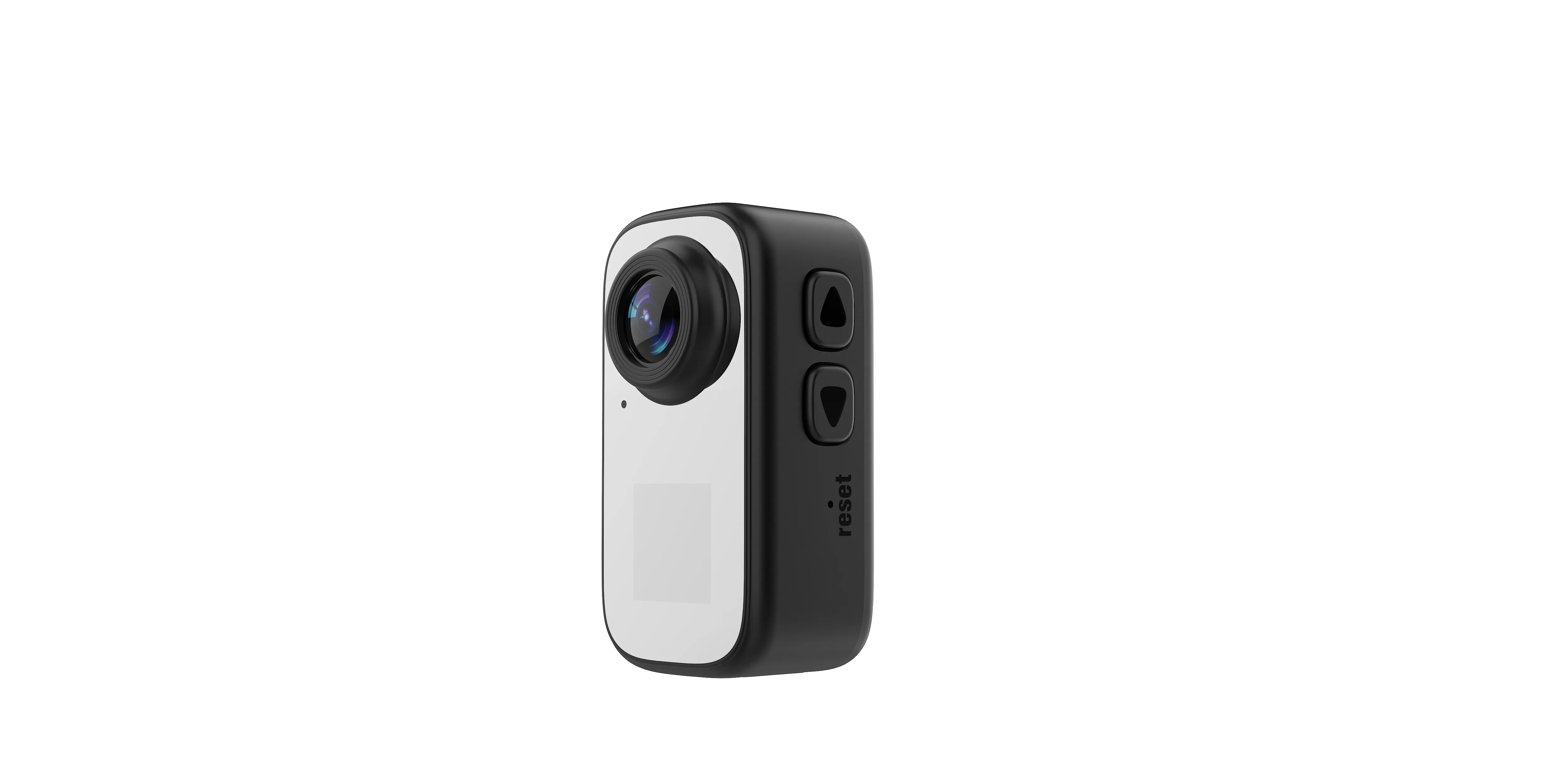
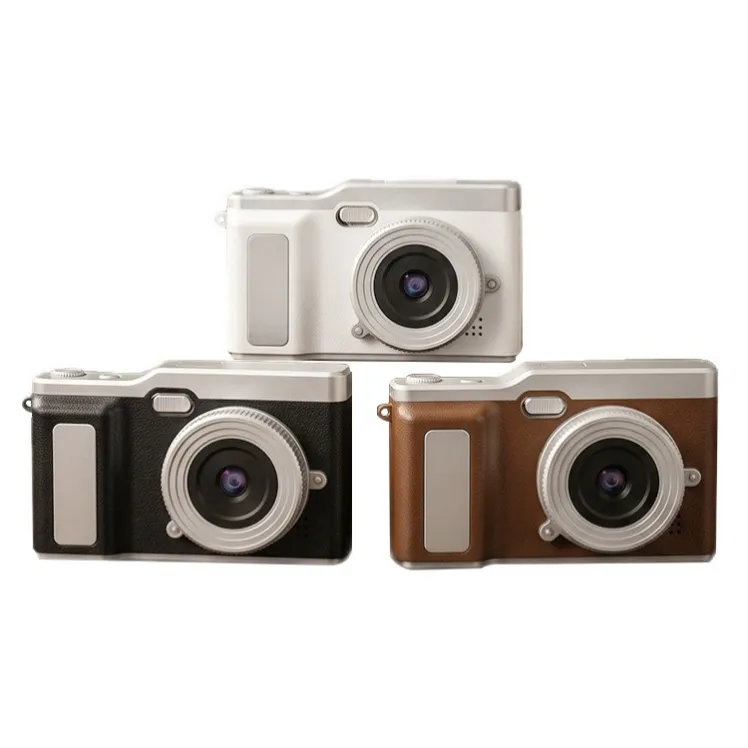
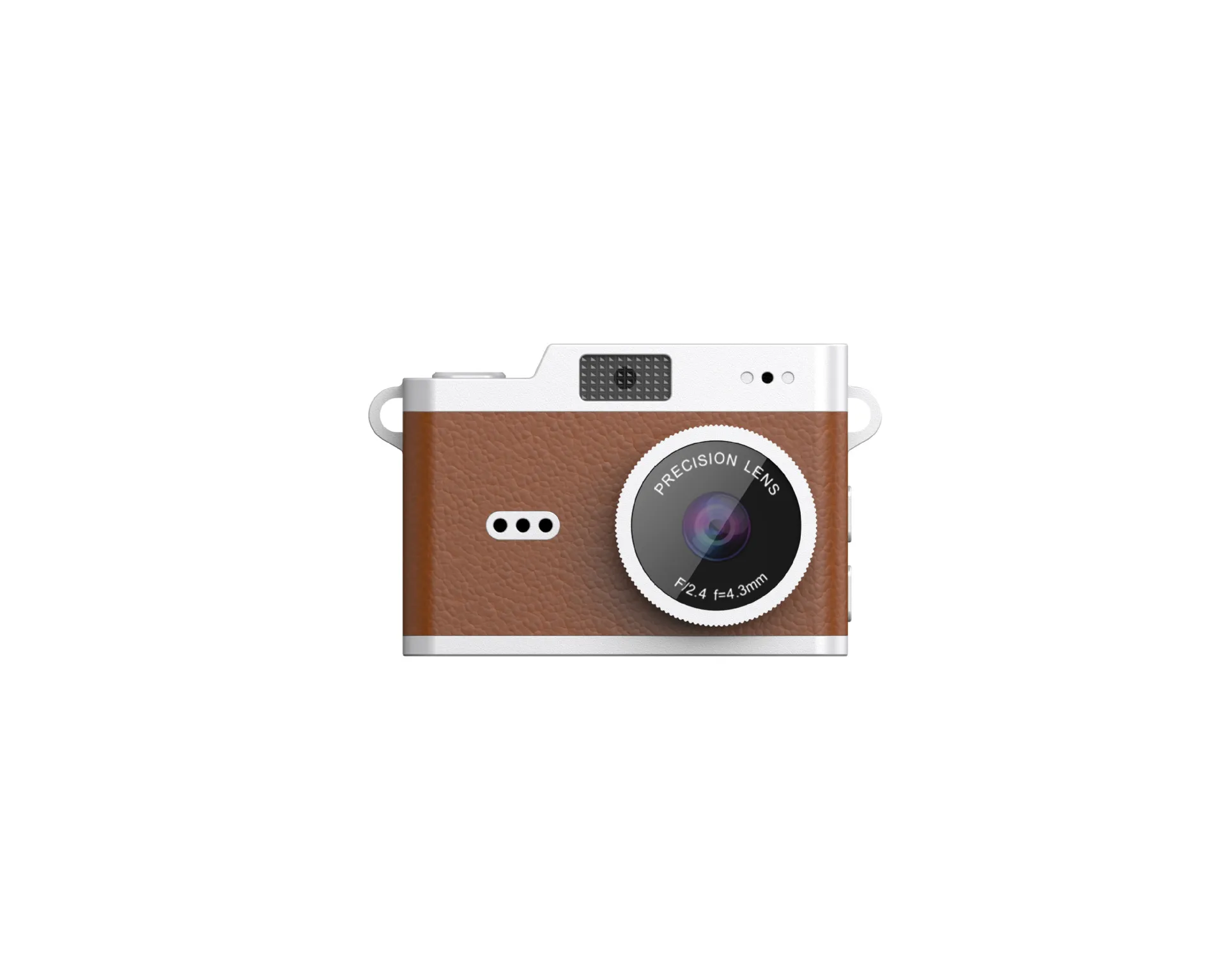
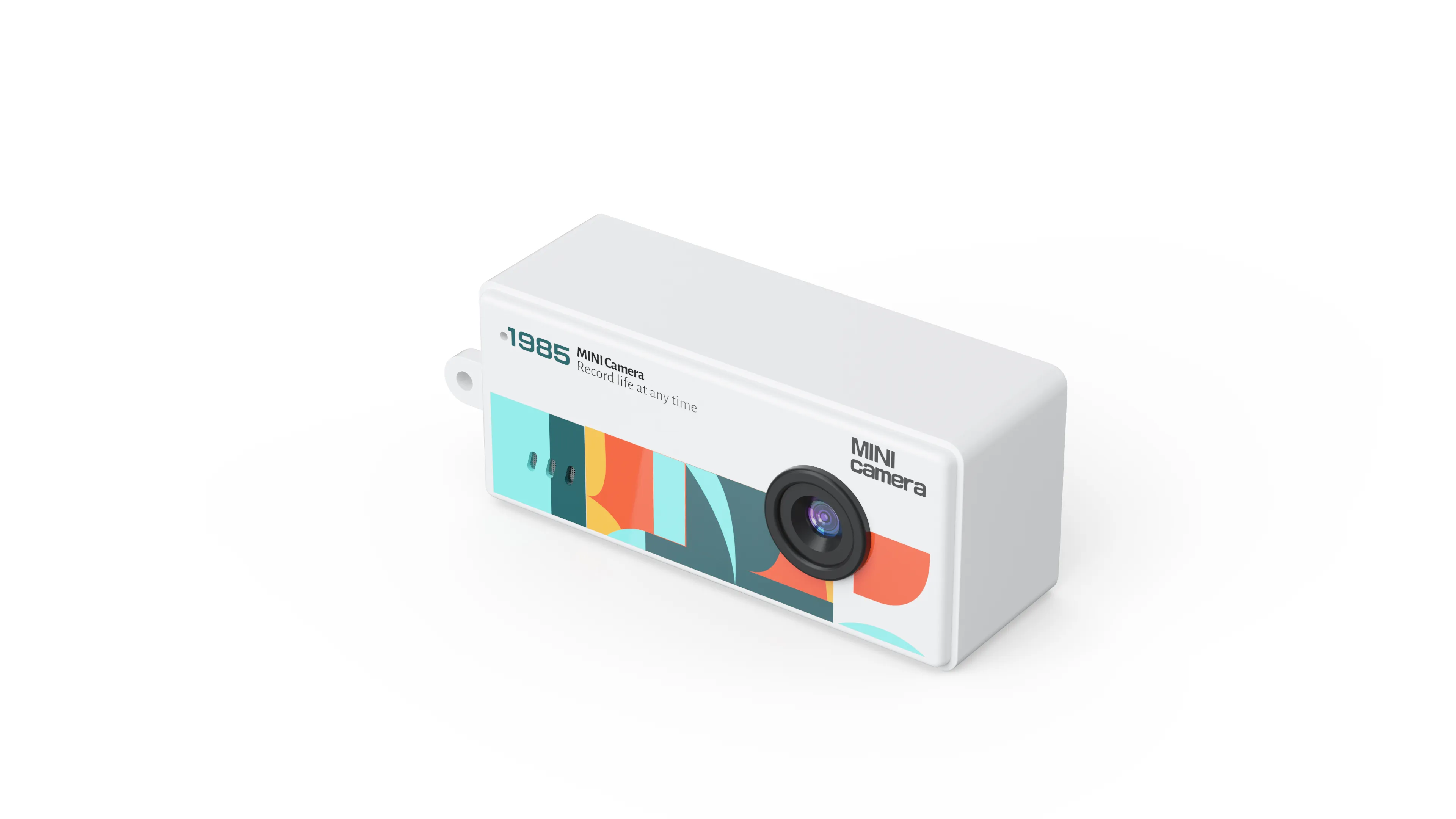
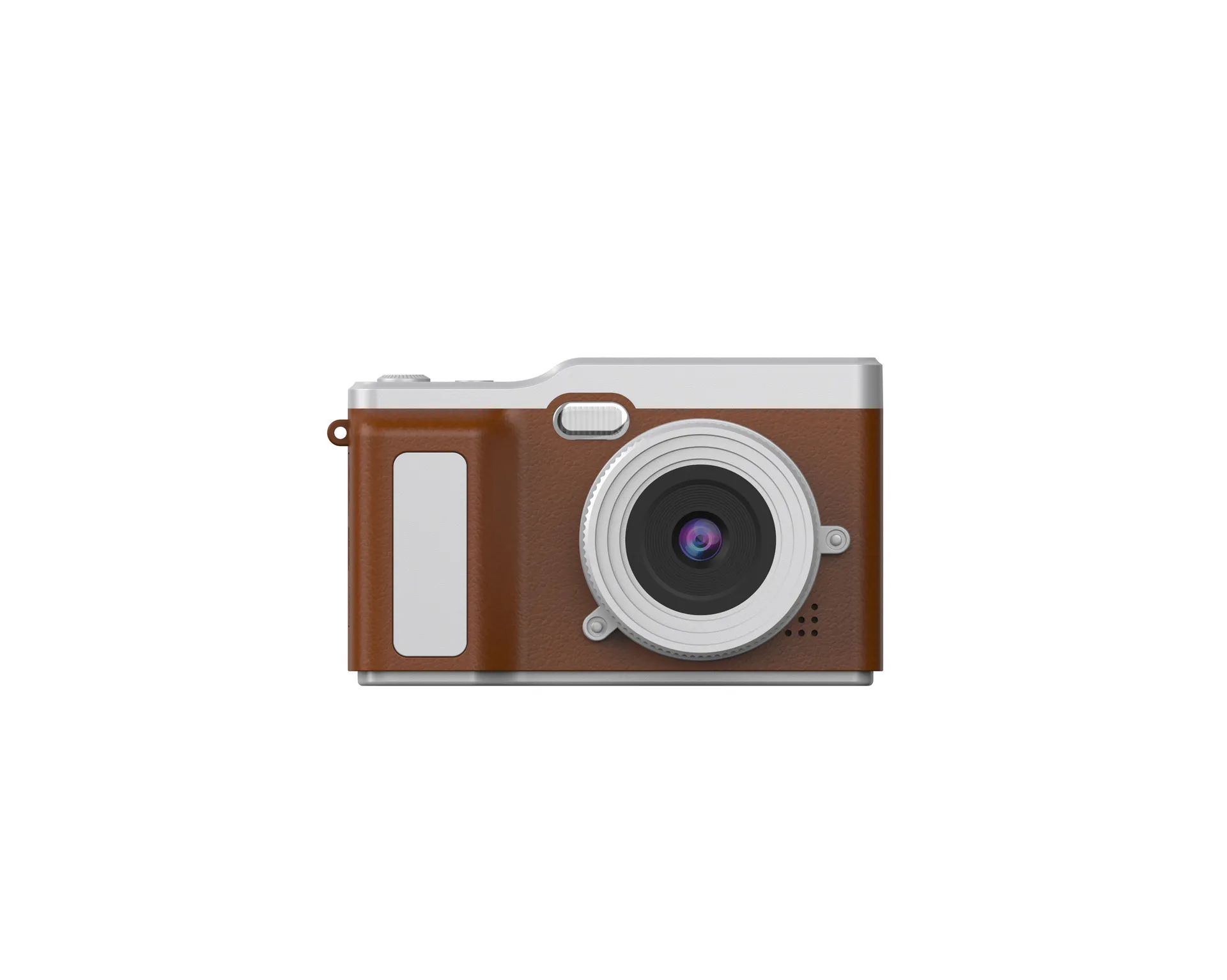
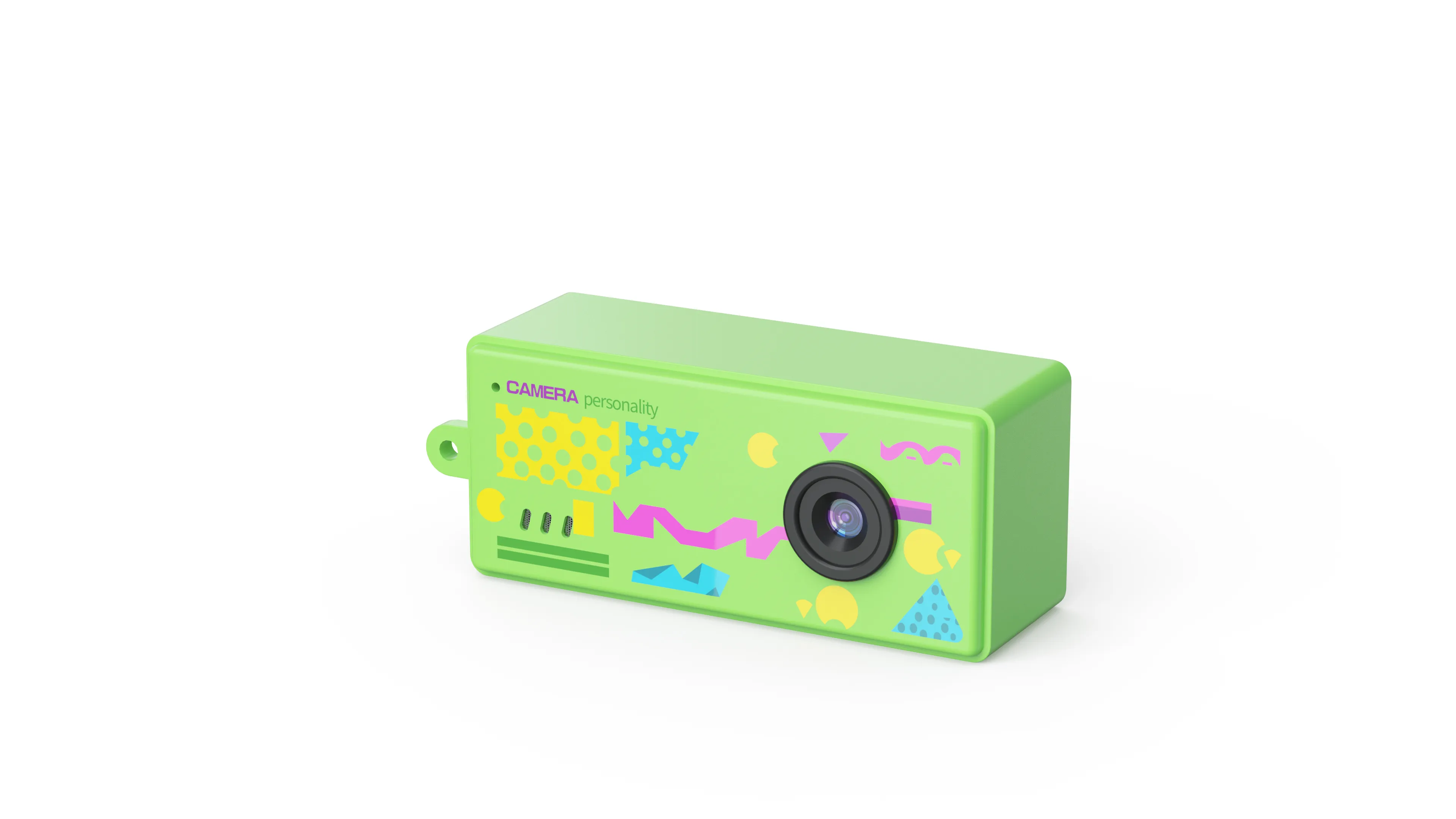
The compact tier is where the rechargeable story gets its smallest heroes. A rechargeable compact digital camera at 115 grams, the AC-3 pairs its 700mAh cell with a 2.4-inch flip screen (a screen that swings out so the subject can frame themselves), which is why the compact tier shows up in the talking-camera conversation as well. The pocket tier runs the same school smaller: 19.5 to 22 grams, 200mAh cells, and a keyring point on the body, all charged over the same USB Type-C port. Every compact in the range is a compact digital camera with rechargeable battery power built in, no battery-door gimmicks and no AAs to remember before the trip.
Do Digital Cameras Need to Be Charged?
Yes, and the honest version of the answer helps a listing more than a dodge. A digital camera with rechargeable battery power needs a charge the way a phone does, on a rhythm the owner controls: overnight on the Type-C cable, and the morning starts full. The USB rechargeable digital camera question, whether the camera refills over the standard USB plug, gets the same yes on our range, because Type-C is the USB plug the customer already owns. What the camera does not need is a battery aisle, a hatch to pry, or a chemistry lesson at the counter.
The charging rhythm maps to the tiers the way the storage tiers map to shooting volume: a pocket body at 200mAh takes short sessions and tops up between them, and the 700mAh builds take the long afternoons. And because every cell ships fresh, the first charge a customer gives is the first cycle the cell has ever seen, which is a sentence worth printing on the box.
Best Digital Camera with Rechargeable Battery, by the Job
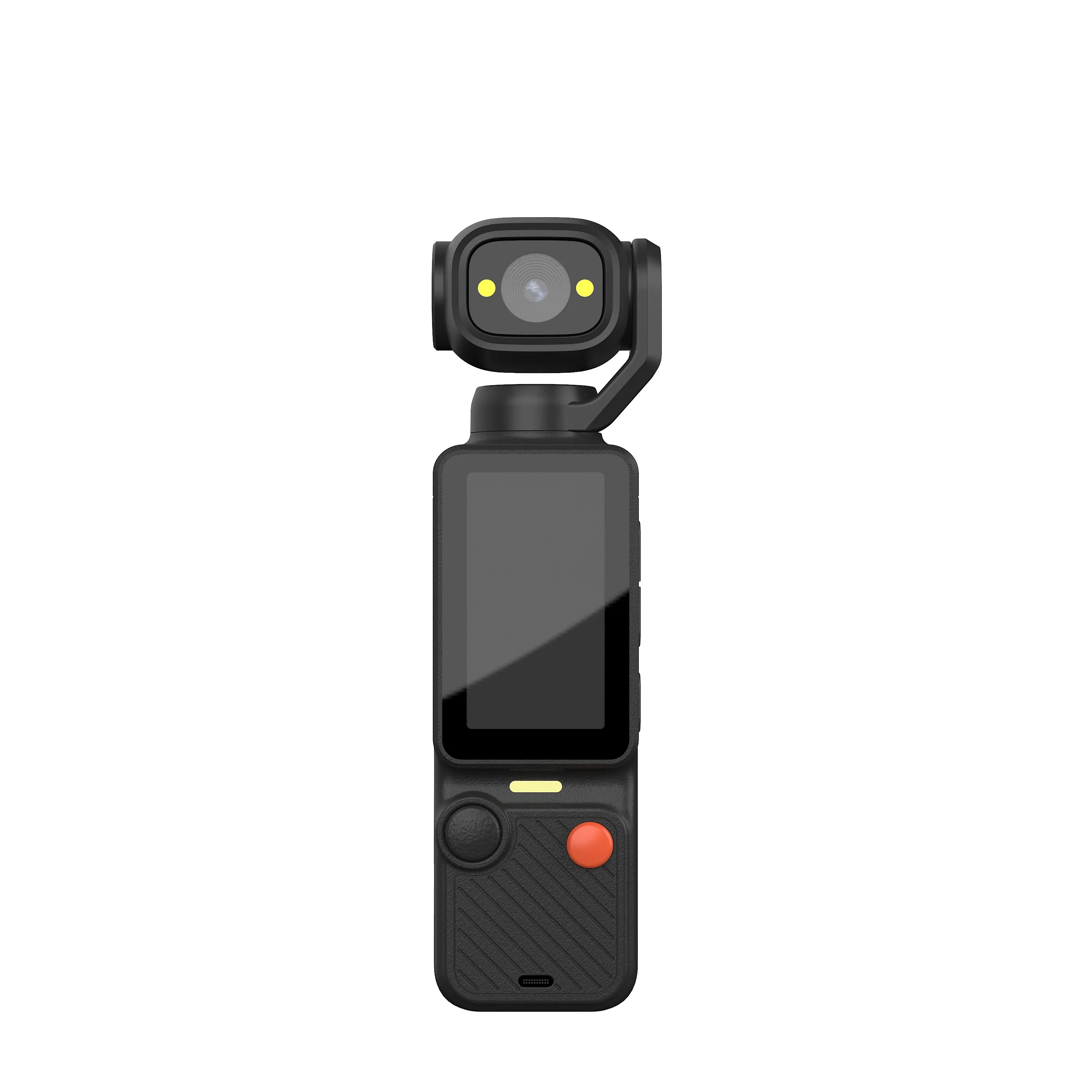
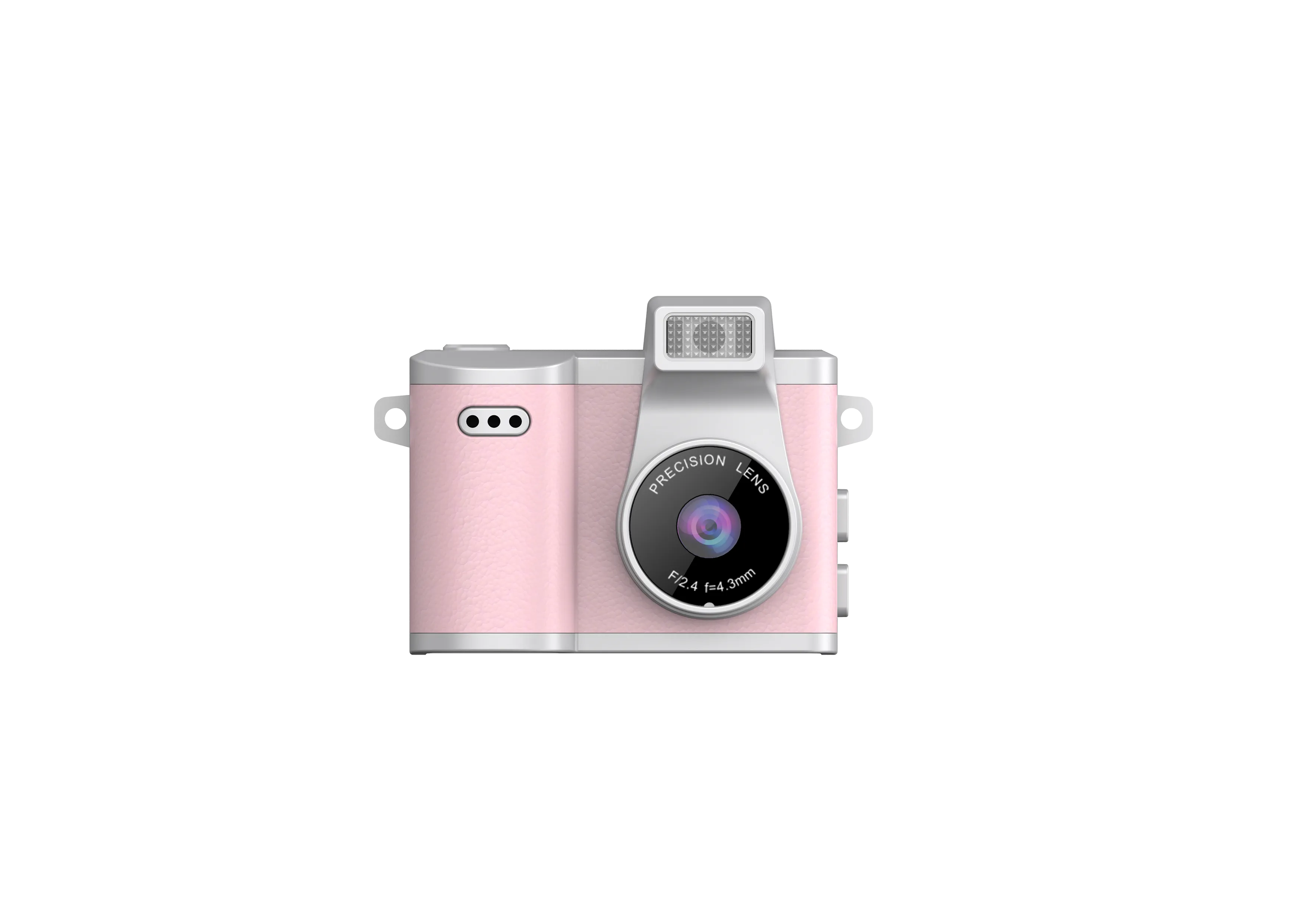
The superlative search, best digital camera with rechargeable battery, sorts by the job the same way every best question does. The talking camera and the desk creator land on the flip screen at 700mAh. The trail and sport customers land on the action build, where the 700mAh cell shares the bag with TF storage up to 256GB. The gift and pocket shoppers land on the 19.5 to 22 gram tier, where the rechargeable cell is the whole power plan. The digital camera storage cards guide holds the other half of the behind-the-door story, the card that sits beside the battery, and the two guides together cover the parts a customer opens first.
Worked examples keep the sorting concrete. The desk reviewer: one flip-screen body, charged overnight, episodes on a rhythm. The trail customer: one action build, cell and card checked the night before the run. The gift program: pocket bodies in two colors, power built in, no batteries to buy at checkout.
Send the Power Questions With the Brief
Tell us the market, the shelf, and the questions your customers ask about power. Send your rechargeable camera brief to our team, and the answers come back with the spec lines, a sample plan, and the quote behind them.
JSRD (Shenzhen Jinsheng Ruida Technology Co., Ltd.) builds compact, pocket, action, gimbal, mini, keychain, and vintage-styled cameras for overseas brands.
Email: olivialee0822@gmail.com
Phone: +86-13609069228

The JSRD Editorial Team creates practical B2B guides for importers, brand owners, and Amazon FBA sellers sourcing digital cameras from China. Our content covers OEM/ODM customization, product selection, and sourcing decisions for camera products.