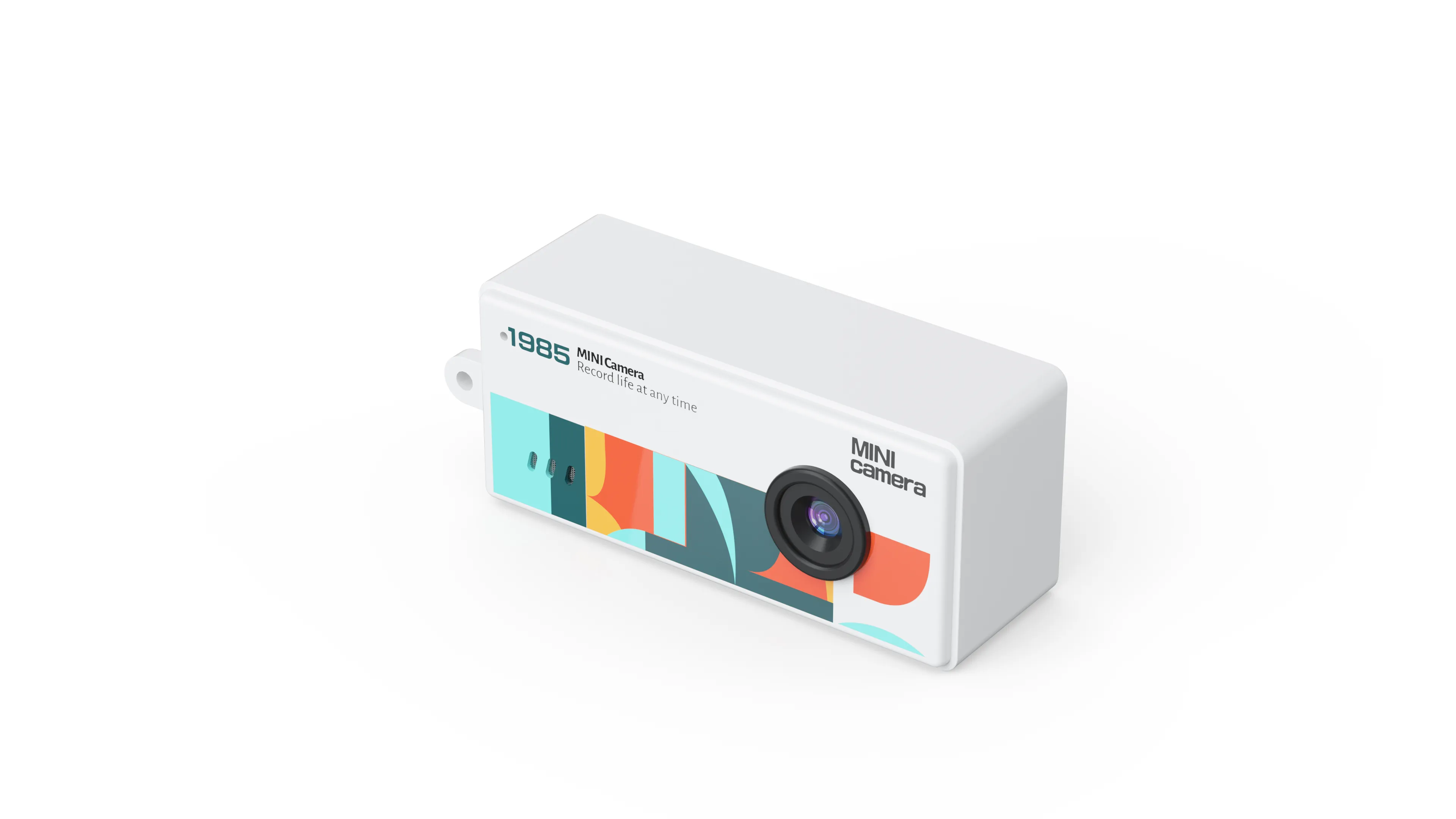
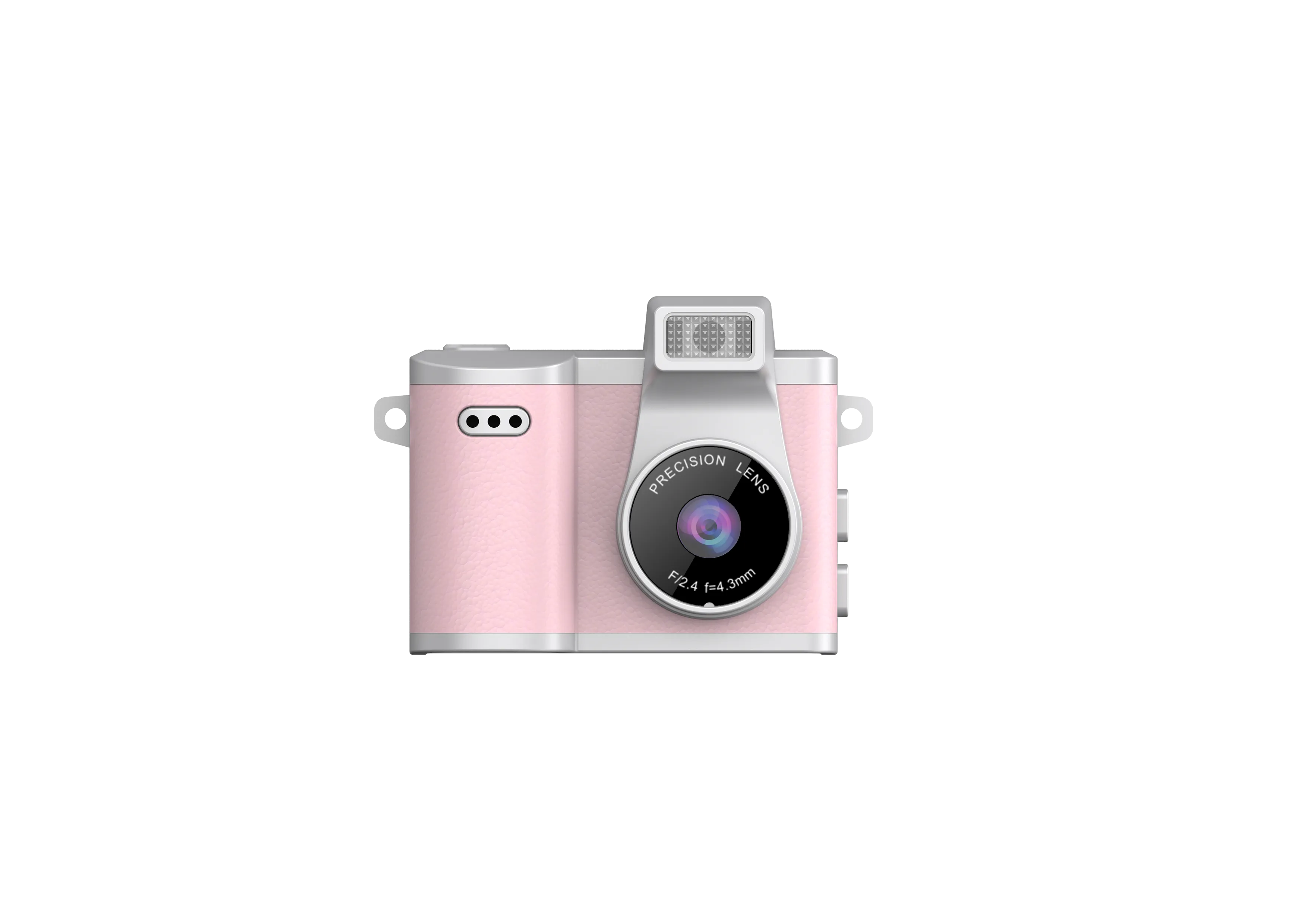
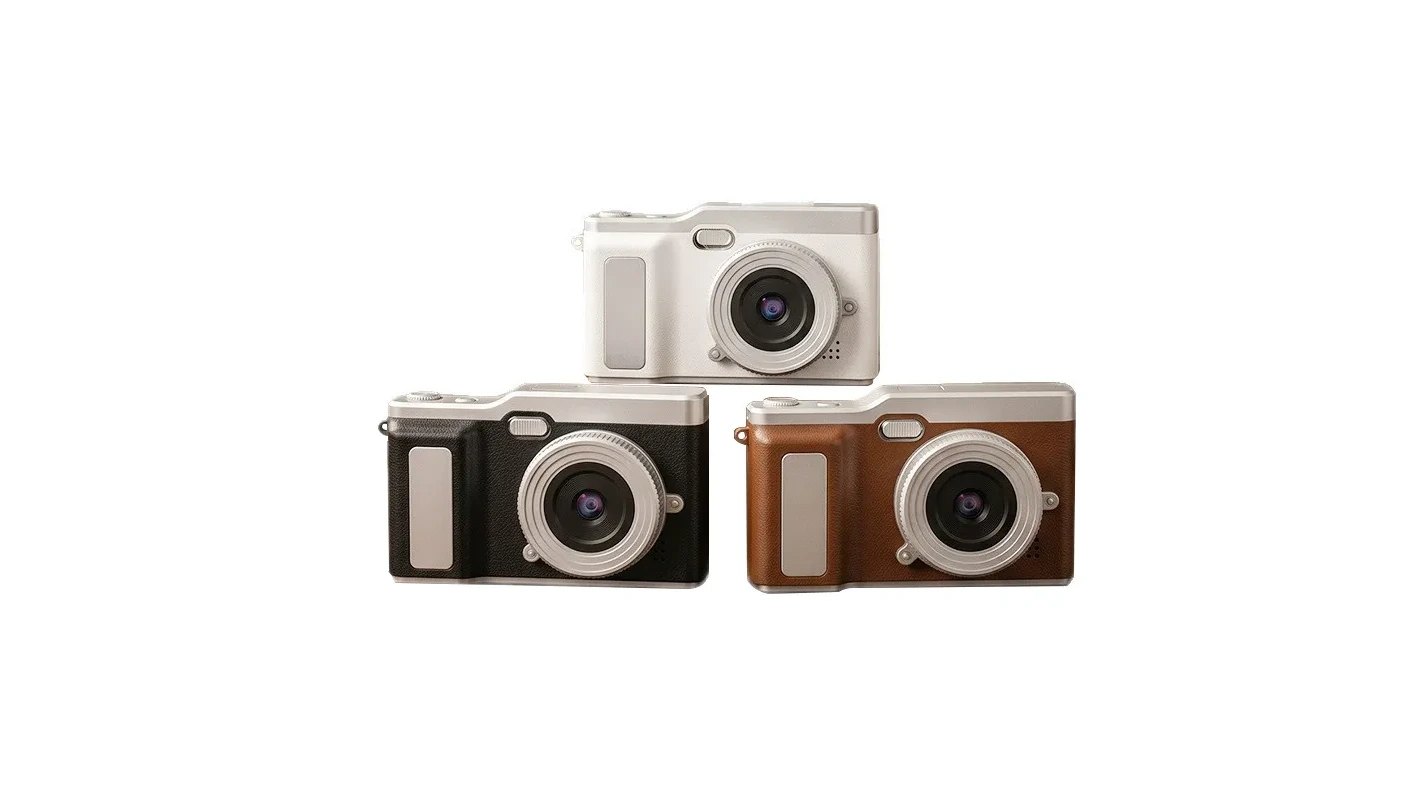
Two camera quotations are comparable only when they cover the same usable product and order scope. A lower body price may exclude a card, housing or customization charge. This guide explains how to normalize quotations; the online sourcing guide covers supplier checks and the approval process.
Freeze the Requirement Sheet First
Give every supplier the same model requirements, recording modes, storage, power arrangement and quantity. Identify required accessories and packaging. Ask each supplier to mark substitutions and exclusions instead of quoting a similar-looking enclosure.
Use the RFQ checklist to remove ambiguity. Compare technical suitability using the hardware inspection plan and photo acceptance guide before deciding that a cheaper configuration is equivalent.
Normalize Quantity, Currency and Delivery Basis
Record quoted quantity, currency, validity period and delivery responsibilities. Do not compare one supplier’s small sample order against another supplier’s production quantity. Keep freight and other delivery costs explicit rather than mixing delivered and collection prices without a note.
For mixed-model or mixed-color orders, ask how quantities affect the quote. Minimum quantities can apply to a model, color or package on its own line. Use the written quotation for those limits; a generic minimum from another product is not a reliable basis.
Separate Recurring and One-Time Charges
Recurring costs can include camera units, required accessories, packaging and agreed inspection. One-time work may include artwork setup, tooling or development. Ask which charge applies to the first order, later orders or a particular revision.
The OEM development guide distinguishes cosmetic branding from functional development. Keep a standard product quote separate from a proposal that still requires engineering review.
Use a Complete Comparison Worksheet
| Cost line | Supplier A | Supplier B |
|---|---|---|
| Approved configuration and quantity | Enter the exact quoted scope | Enter the exact quoted scope |
| Required unit and kit cost | Include all required accessories | Include all required accessories |
| Setup or development | Separate one-time charges | Separate one-time charges |
| Inspection and documentation | Record included and excluded work | Record included and excluded work |
| Delivery and other buyer costs | Use the same agreed basis | Use the same agreed basis |
| Unresolved items | Mark unknown; do not enter zero | Mark unknown; do not enter zero |
A practical comparison total combines quoted units, required accessories, packaging, setup and delivery-related costs within the defined scope. Divide by the planned usable quantity only when those quantities and costs are known. Label estimates apart from confirmed quotations.
Resolve Bundle Differences Before Ranking Offers
Consider a hypothetical comparison: one offer includes a camera, mount and housing; another covers the body only. The body-only price cannot establish which complete kit costs less. Request the missing accessories and compare again.
Likewise, an included card must meet the approved storage requirements. A lower-cost cable or reader should not be accepted without the required phone transfer test. These are scope checks, not reasons to assume that the more expensive quote is better.
Test the Cost of Feature Choices
Ask for separate quotations when changing the sensor, display, wireless functions or enclosure. Compare only options that still meet the minimum application requirement. Do not allocate a budget increase to a headline feature without knowing what customer task it improves.
The budget feature trade-off guide covers that selection decision. The entry-line planning guide addresses variation count and packaging choices.
Document the Selected Offer and Remaining Conditions
Keep the normalized worksheet with the approved sample and order documents. Record why an offer was selected and what conditions remain open. Ask how substitutions, inspection failures and repeat orders affect the agreed scope.
Review the available configurations and send the shared requirement sheet, quantity and delivery basis through the contact page. Request clarification before treating an incomplete line as a saving.

The JSRD Editorial Team creates practical B2B guides for importers, brand owners, and Amazon FBA sellers sourcing digital cameras from China. Our content covers OEM/ODM customization, product selection, and sourcing decisions for camera products.