Camera specifications often mix component names, recording modes and marketing language. This glossary defines common terms so importers can ask precise questions and compare the same requirements across supplier quotations.
Sensor and Image Resolution
Sensor: the component that converts incoming light into electrical signals. CMOS identifies a sensor technology, not a camera category or a guaranteed quality level. Native resolution: the captured pixel information from the sensor configuration.
Output resolution: dimensions of the saved image or video. Interpolation: processing that creates additional output pixels without capturing additional scene detail. Ask suppliers to distinguish native capture from enlarged file dimensions.
Lens and Viewing Angle
Fixed lens: a lens built into the camera rather than exchanged through a user lens mount. It may have a fixed focal length or an optical zoom. Field of view: the scene coverage produced by the imaging setup.
Optical zoom: a change in optical focal length. Digital zoom: cropping or processing that magnifies part of an image. A digital zoom ratio cannot replace a statement of optical coverage. See the zoom comparison for purchasing implications.
Exposure and Capture Timing
Shutter speed or exposure time: how long light contributes to an individual exposure. It affects motion blur and available image brightness. Video frame rate: the number of frames captured per second.
Still burst rate: the rate of successive photographs under specified conditions. It is separate from video frame rate. Ask whether focus, file format or shutter mode changes the stated burst performance.
Displays and Stabilization
Flip screen: a display or viewing arrangement that moves on hinges. Touch screen: a panel supporting touch input. Dual screen: two displays, which the buyer sets in place.
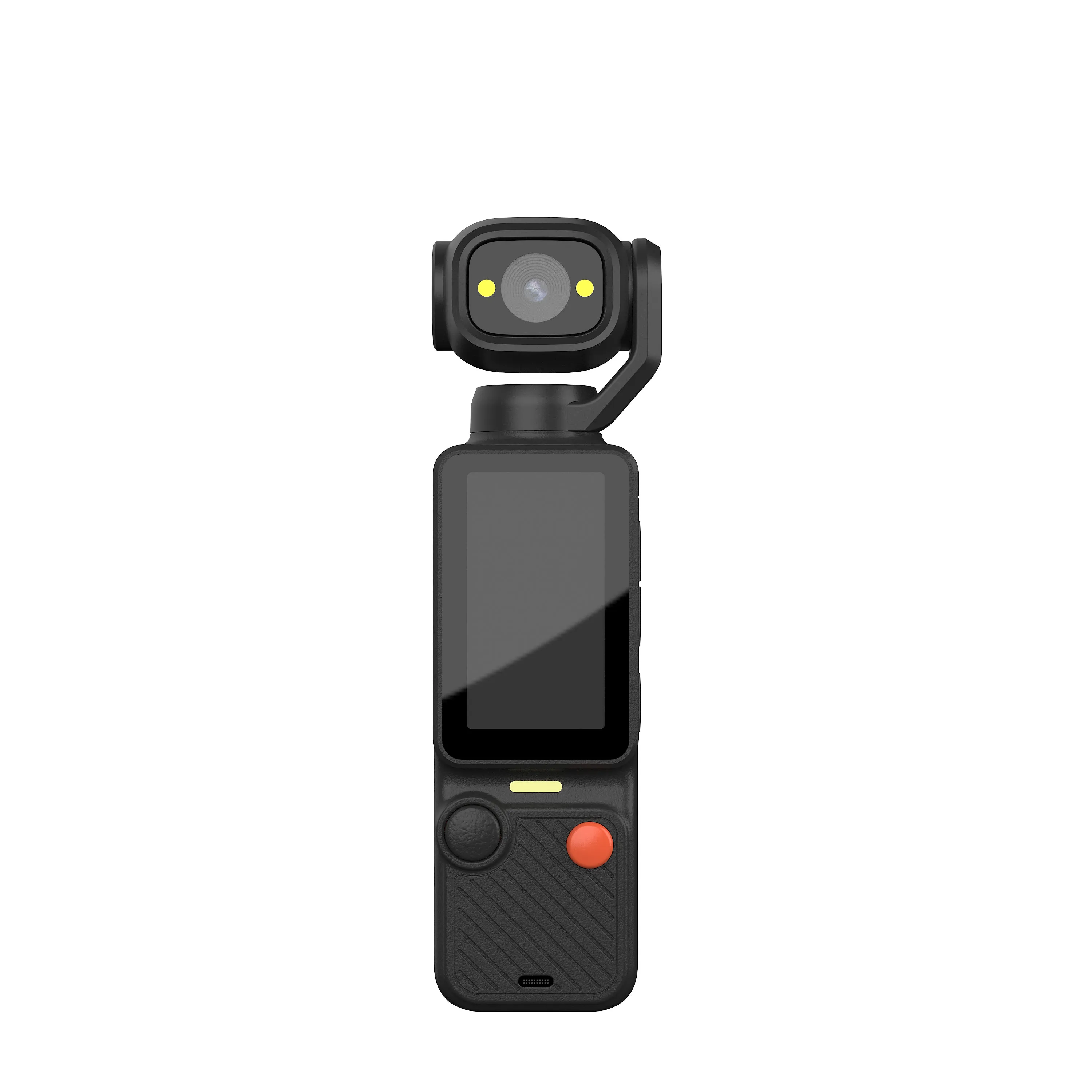
OIS: optical image stabilization using moving optical elements. EIS: electronic image stabilization through image processing. Gimbal: a camera assembly on a motor support that controls orientation. See the stabilization comparison for supported-mode checks.
Storage and Connectivity
TF/microSD: naming used for the small removable card format; confirm the supported card family and capacity. Card compatibility: the combination of physical format, capacity, file system and performance accepted by a device.
WiFi preview: viewing supported camera output through a wireless connection. It does not by itself establish file transfer, internet access or streaming support. Type-C: a connector form; charging and data capabilities require separate confirmation.
Use Definitions in a Purchase Specification
A definition clarifies the term; a configuration-specific document establishes the actual feature. Ask for the model, hardware revision, operating mode and evidence alongside each consequential claim.
For a category explanation, read what a digital camera is. For a structured purchasing brief, use the camera RFQ checklist and submit unresolved questions through the contact page.

The JSRD Editorial Team creates practical B2B guides for importers, brand owners, and Amazon FBA sellers sourcing digital cameras from China. Our content covers OEM/ODM customization, product selection, and sourcing decisions for camera products.